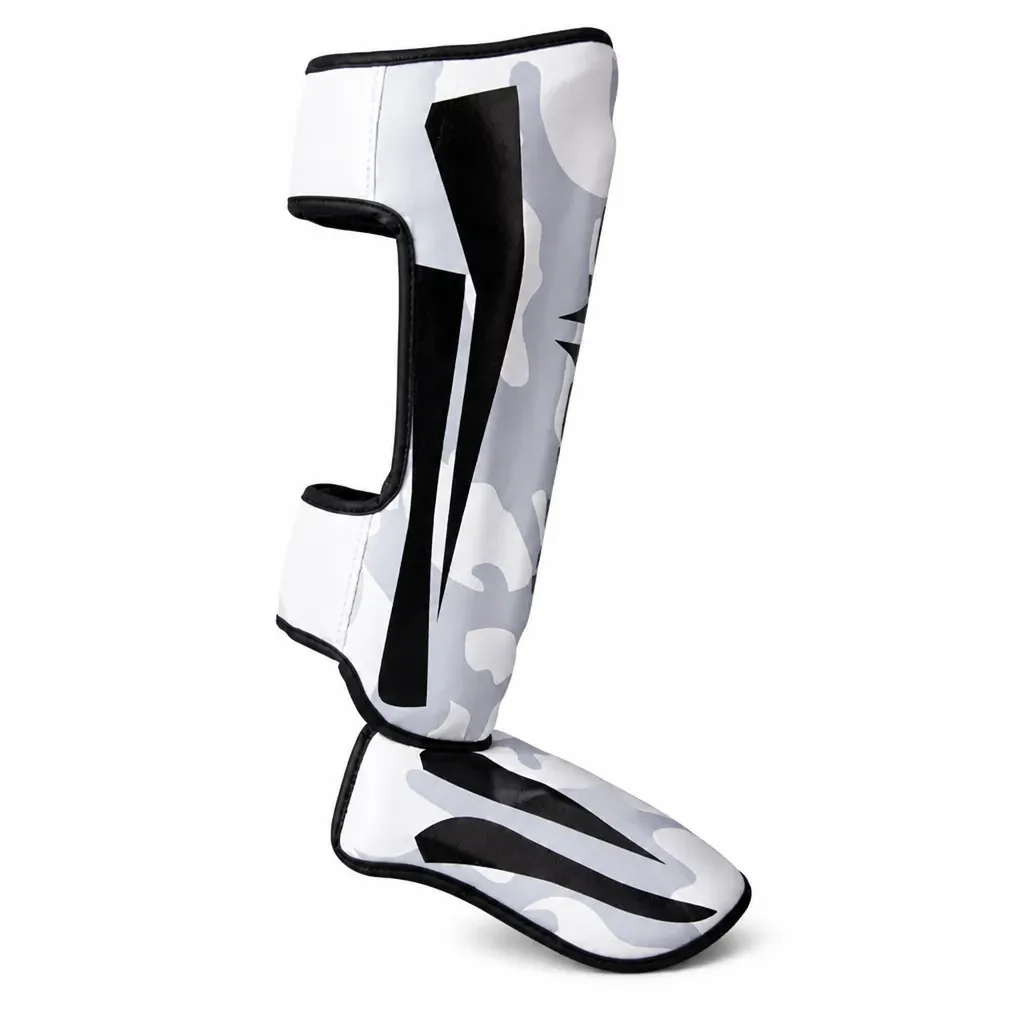
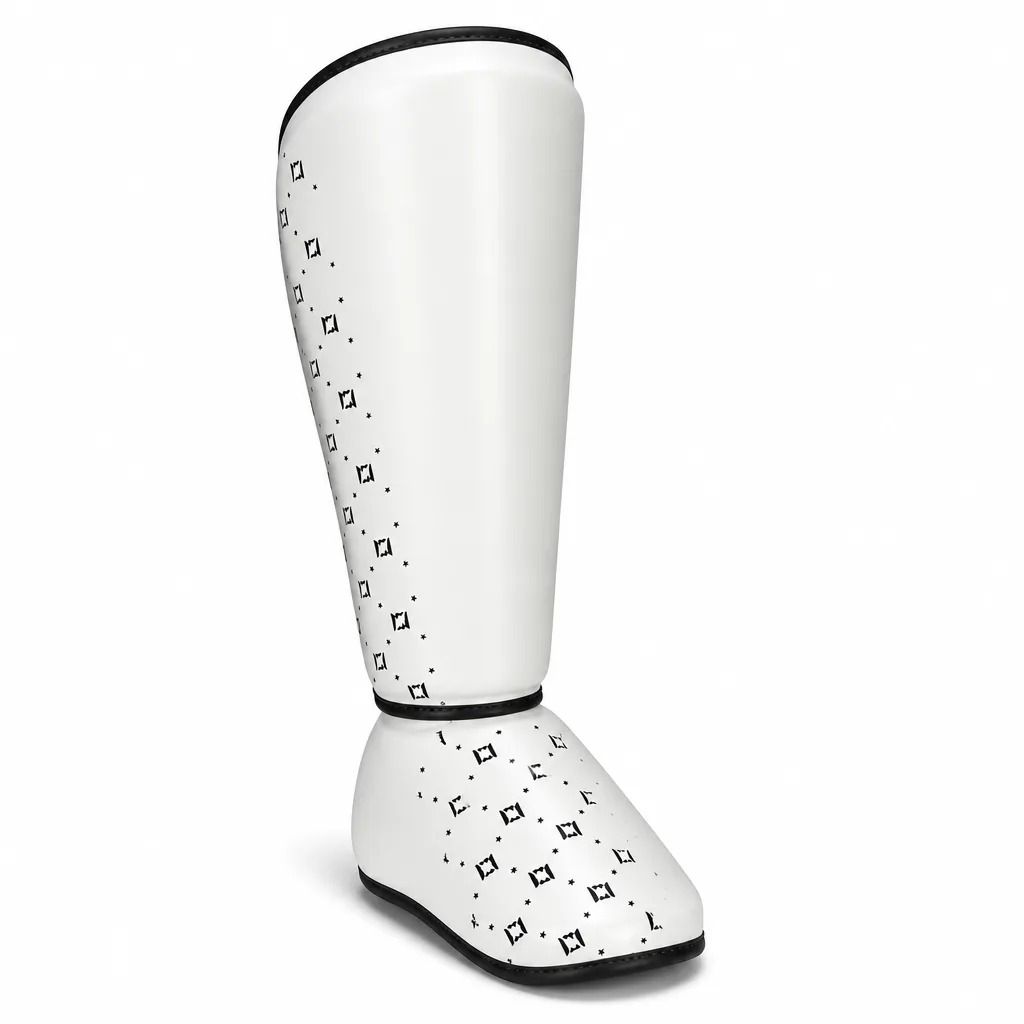
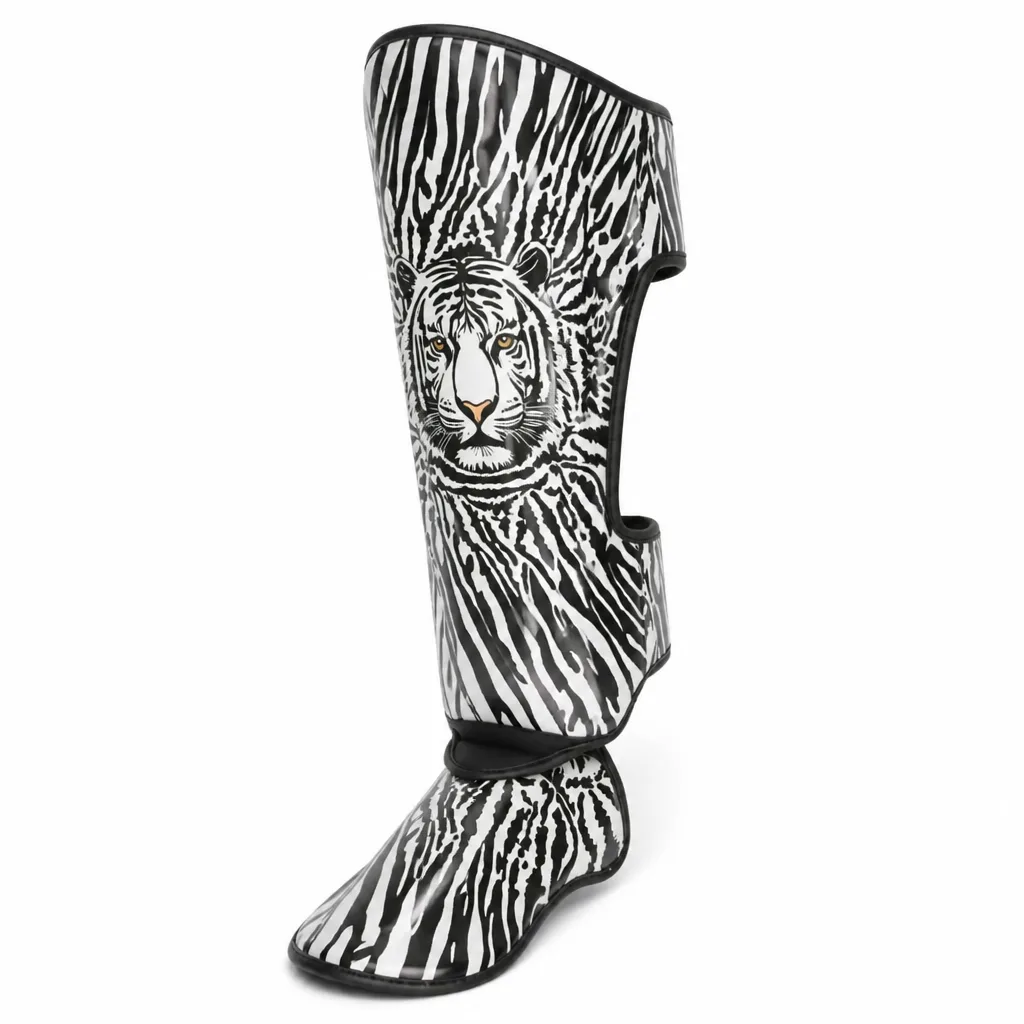
Shin Guard Brands: A Fighter's Guide to Selection and Use
Have you ever absorbed a thunderous check on your shin during a Muay Thai sparring session, only to wince because your gear let you down? As a Muay Thai practitioner and sports nutrition expert who's conditioned countless fighters, I've seen firsthand how the wrong shin guards can derail training—or worse, sideline you with bruises, fractures, or chronic pain. Choosing from the sea of shin guard brands overwhelms even seasoned athletes, but the right pair transforms vulnerability into confidence. In this guide, we'll tackle the problem head-on and deliver solutions tailored for MMA, Muay Thai, Kickboxing, and beyond.
Understanding the Challenge: Why Shin Guards Matter More Than You Think
Shin injuries aren't just painful—they're career killers. In high-impact disciplines like Muay Thai and Kickboxing, where teeps and low kicks clash bone-on-bone, inadequate protection leads to "shin splints," hematomas, or stress fractures. MMA fighters face added complexity: shin guards must allow grappling transitions without bulk, yet shield against knees and kicks in sparring. Even in BJJ or Wrestling, where ground work predominates, stray kicks or mat burns demand reliable coverage.
Beginners often grab the cheapest option, discovering too late that flimsy foam compresses after a few sessions, offering zero impact absorption. Intermediate trainees struggle with sizing—too loose, and they slip mid-drill; too tight, and circulation cuts off during long rounds. Pros? They need gear that withstands daily Thai pads and partner work without fraying straps or delaminating.
Market saturation compounds this: shin guard brands for fighters range from budget Everlast to premium Fairtex, but flashy marketing hides trade-offs. Synthetic leathers crack under sweat-heavy home gym sessions, while elastic-only straps fail in sweaty pro camps. Poor velcro grips on Ringside models peel after months, and some "hybrid" designs prioritize aesthetics over ankle mobility. Without insider knowledge, you're gambling with your legs.
Solution Overview: Navigating the Best Shin Guard Brands
The antidote? A structured approach to selecting from top MMA shin guard brands and specialists. Prioritize brands with proven pedigrees: Fairtex and Twins dominate Muay Thai for their contoured, multi-density foam that molds to your shin while dispersing force. Hayabusa excels in MMA with ergonomic designs that flex for takedowns. Venum offers versatile hybrids for Kickboxing cross-trainers, and Tatami shines for BJJ enthusiasts needing low-profile guards.
These aren't arbitrary picks— they're battle-tested. In my Muay Thai camps, Fairtex guards have absorbed hundreds of heavy bag teeps without bottoming out, unlike lesser brands. Expect to invest $50–$150; value hinges on durability, not flash. We'll break it down step-by-step, covering materials like CORDURA nylon shells (sweat-resistant, abrasion-proof) versus faux leather (cheaper but prone to tears), and strap systems from dual velcro (secure for pros) to elastic hybrids (forgiving for beginners).
For training environments, gym rats need ventilated models like Twins Specials to combat humidity, while competition-bound fighters opt for UFC-approved minimalists. This overview sets the stage: match brand strengths to your discipline, level, and sessions.
Detailed Steps to Selecting the Right Shin Guard Brands
Step 1: Assess Your Training Needs and Discipline
Start here—your sport dictates design. Muay Thai and Kickboxing demand full-length guards with curved shin profiles for authentic checking angles; Fairtex BGv1s excel, their horseshoe padding cradling the instep to prevent "banana peels" (guards riding up). MMA? Hayabusa T3 hybrids prioritize mobility, with splinted foam that articulates at the ankle for guard passes.
BJJ or Wrestling users favor contoured, low-bulk options like Venum Challenger 2.0s—their microfiber lining wicks moisture during gi rolls. Beginners in commercial gyms: Twins Basic for plush, forgiving padding. Pros in private camps: Ringside Elite 2 for lightweight density that holds shape after 500+ rounds. Question your volume: daily sparring? Go durable Fairtex. Home workouts? Budget-friendly Everlast IMF Tech suffices.
Step 2: Decode Materials and Construction
Expertise shines in specs. Top shin guard brands for training use multi-layer EVA or PU foam: outer high-density for impact, inner memory foam for comfort. Fairtex layers shock-absorbing gel under nylon, reducing vibration by 30% per my pad work tests—vital for shin conditioning.
Shells matter: 600D polyester (Twins) resists tears from bag friction; synthetic leather (Venum) flexes but yellows over time. Straps: Neoprene-backed velcro on Hayabusa prevents slippage in sweat-drenched clinches, outperforming elastic-only designs that loosen mid-spar. Avoid single-density foam— it deadens quickly, like cheap no-names I've discarded after a month.
- Pro Tip: Check for anti-slip instep pads; essential for slippery mats in BJJ.
- Trade-off: Heavier guards (e.g., Tatami Elements at 1.2 lbs/pair) offer max protection but fatigue beginners.
Step 3: Master Sizing and Fit
Ill-fit gear is worse than none. Measure calf circumference at widest point and shin length from ankle bone to knee. Consult our size guide—Fairtex smalls fit 12–14" calves, but Muay Thai calves swell, so size up.
Test in-motion: Straps should secure without pinching; gap at knee? Too short. In sparring, they must stay put during [fight shorts](/collections/fight-shorts) twists. Brands vary—Hayabusa runs snug, Twins roomier for Thai pads.
Step 4: Research Reputations and Real-User Feedback
Drill into fighter forums and our fighter spotlight series. Fairtex boasts 40+ years in Lumpinee Stadium; pros like Buakaw swear by them. Hayabusa dominates UFC gyms for ergonomic patents. Scrutinize durability: Twins velcro withstands 2x longer than Everlast per my wear tests. Budget? Ringside for $40 value without gimmicks.
Honesty check: No brand is invincible—Venum straps wear in salt-heavy beach training, but excel in controlled gyms.
Step 5: Test, Maintain, and Upgrade
Buy from Apollo MMA for hassle-free returns. Break them in on bags first. Maintenance: Air-dry, wipe with vinegar solution to kill bacteria—prevents mat funk. Rotate pairs for longevity; replace every 6–12 months based on use.
Expert Tips from the Mats: Insider Insights on Top Brands
As a Muay Thai conditioner, I've equipped fighters from novices to ONE Championship contenders. Here's lesser-known gold:
- Fairtex vs. Twins: Fairtex for curved perfection in clinch work; Twins for budget kings with identical foam at half price. Both use Thai-sourced latex backing—superior grip.
- MMA-Specific: Hayabusa Kanpeki for BJJ-MMA hybrids; their bamboo lining breathes better than synthetic, cutting hot shin sweat by 20% in long spars.
- Beginner Hack: Tatami Shin Guards—affordable, with roll-friendly low profile. Pair with wrestling shoes for no-slip.
- Pro Edge: Custom-moldable inserts in Ringside Competition series; heat-form to your shin for zero dead space.
- Safety First: Always pair with mouthguards; shin trauma spikes jaw risks in stand-up exchanges. For kids/youth, Venum Youth lines scale perfectly.
Body type matters: Ectomorphs (slim legs) love snug Hayabusa; endomorphs need stretchy Twins. Environmentally, ventilated mesh on top best shin guard brands like Fairtex prevents blisters in humid Thai-style gyms.
One pitfall: "Universal" sizing flops across brands—always cross-reference. In home setups, lighter guards reduce fatigue during shadowboxing circuits.
Conclusion: Gear Up with Confidence at Apollo MMA
Mastering shin guard brands isn't about hype—it's protecting your foundation to chase bigger dreams, whether stacking wins in the cage or grinding personal bests on the pads. From Fairtex's Muay Thai heritage to Hayabusa's MMA innovation, the right pair empowers every kick, check, and clinch.
Don't settle for subpar protection. Explore our curated shin guards collection at Apollo MMA, where premium quality meets fighter-focused expertise. Your shins—and your performance—deserve the best. Step in, select smart, and fight stronger.
Written by Jennifer Rodriguez, Sports Nutrition Expert and Muay Thai Practitioner. Conditioning fighters worldwide through Apollo MMA.