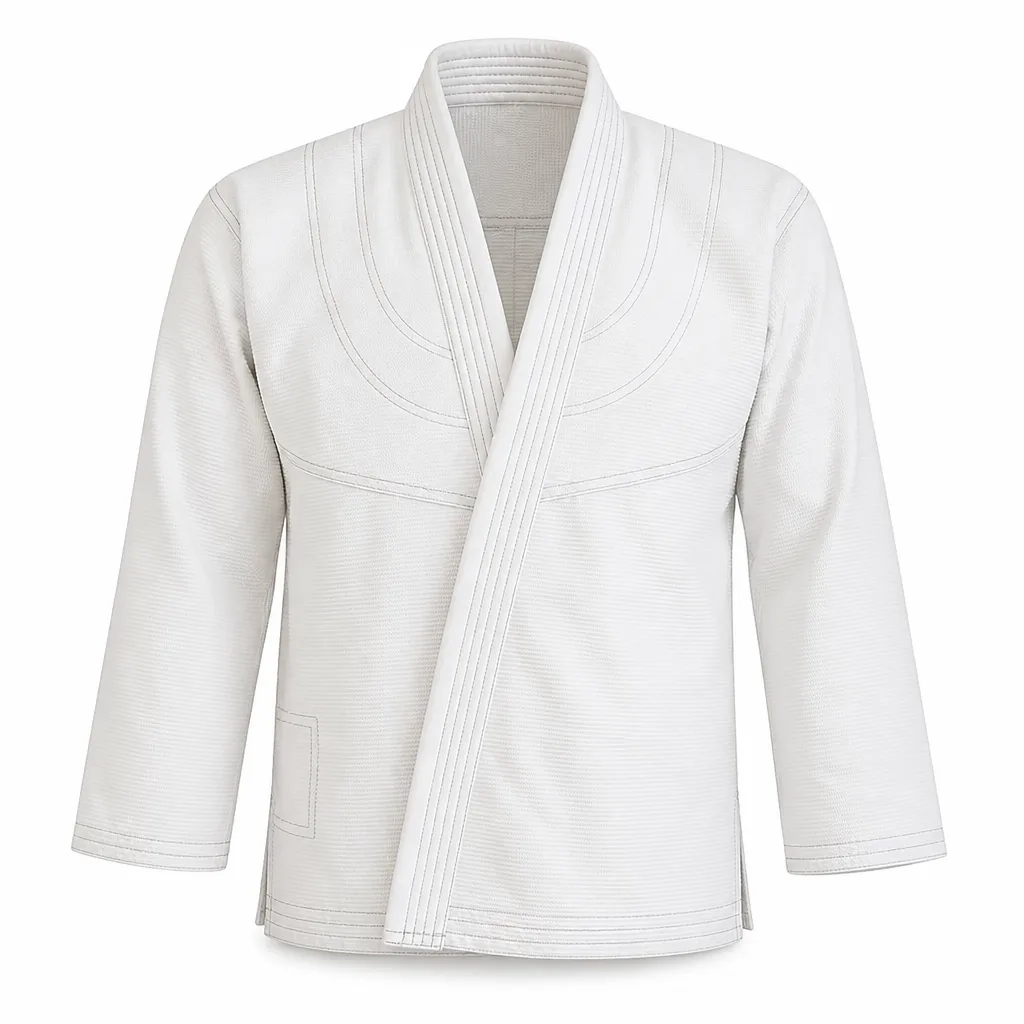
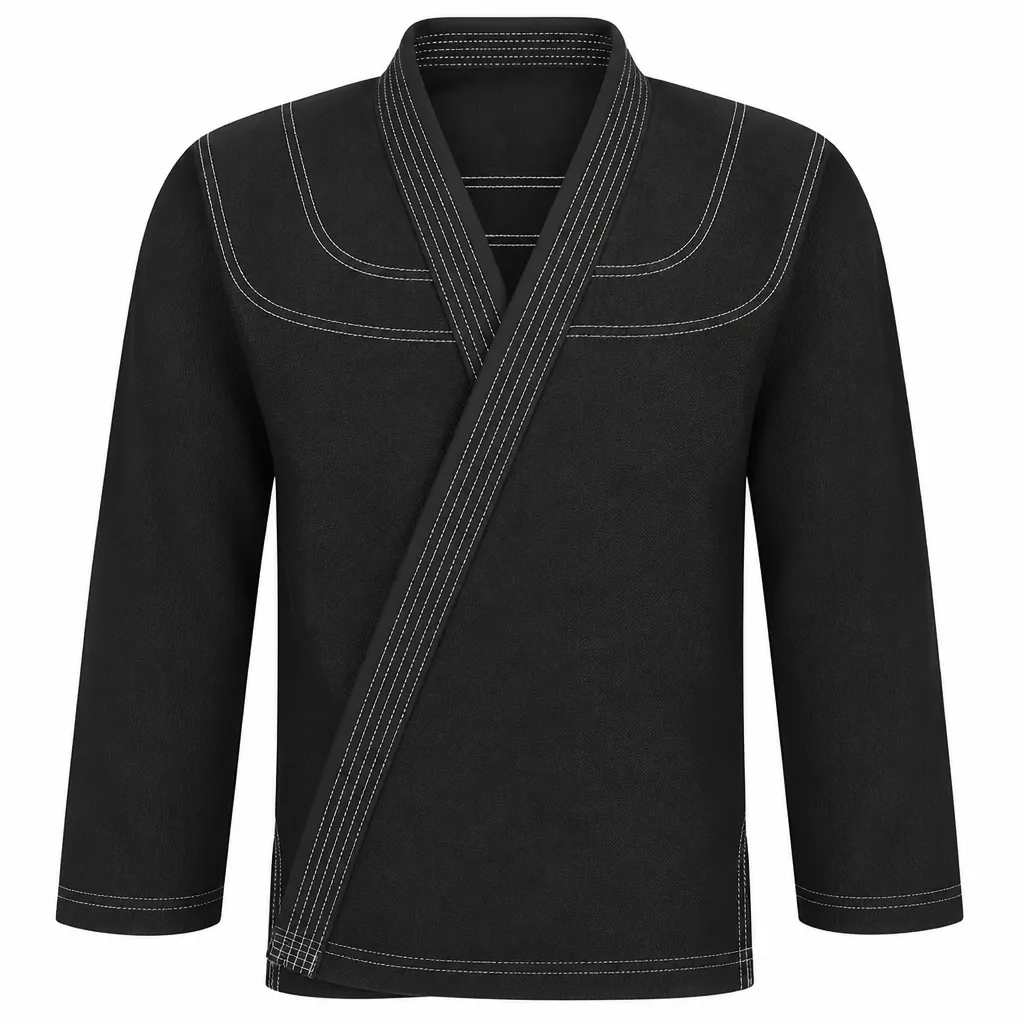
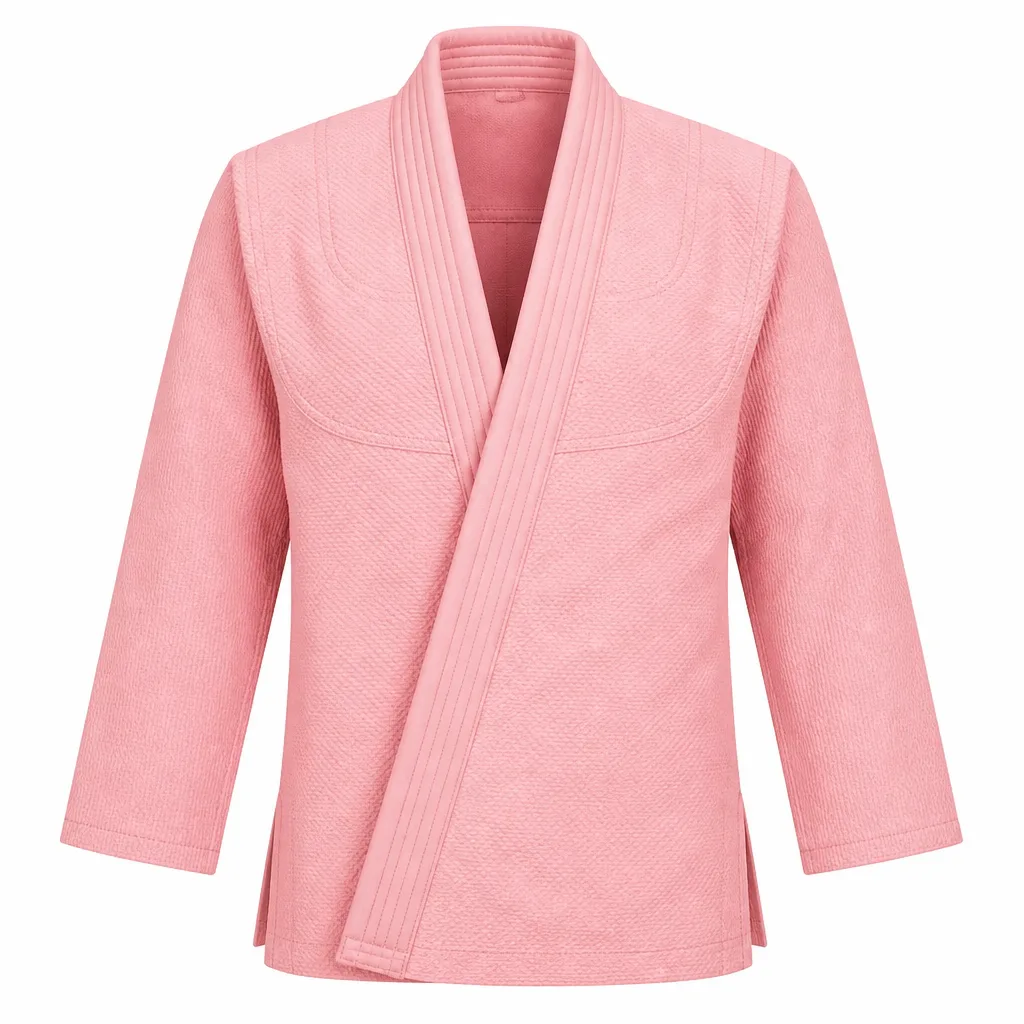
Best Reinforced Gi Knees for Fighters in 2025
Have You Ever Ripped Through Your Gi Knees Mid-Spar?
Picture this: You're deep into a grueling BJJ session, transitioning from guard to knee ride, when you feel that telltale rip. Your gi knees give out, exposing skin to the mat and halting your flow. If you've trained in MMA, Brazilian Jiu-Jitsu, or Wrestling, you've likely faced this frustration. As Marcus Silva, a former pro MMA fighter with over 15 years of cage time and mat burns, I've shredded countless gis from high-repetition drills and live rolls. That's why the best reinforced gi knees aren't just a luxury—they're essential for fighters who train hard and compete harder.
In 2025, with evolving fabrics and construction techniques, reinforced gi knees for fighters have leveled up, offering superior durability without sacrificing mobility. At Apollo MMA, we stock premium options from trusted brands like Hayabusa, Tatami, and Venum, designed for real-world punishment. This guide cuts through the hype, sharing my hands-on insights to help you pick the right pair for gym sessions, home workouts, or tournament prep.
Understanding the Challenge: Why Gi Knees Fail Under Pressure
Gi knees take the brunt in grappling-heavy disciplines like BJJ, Wrestling, and no-gi MMA transitions. Constant friction from mat slides, knee-on-belly pressure, and guard passes wears down standard pearl weave or gold weave fabrics fast. In my career, I've seen pros blow through knees after just 20-30 hours of weekly training—beginners fare worse, often needing replacements every few months.
The culprits? Thin single-layer panels that fray under shear forces, poor stitching that pops during scrambles, and fabrics lacking grip or breathability for sweaty sessions. For Muay Thai clinch work or Kickboxing sprawls in a gi context, added knee stress from pivots compounds the issue. Safety-wise, torn knees mean exposed skin, increasing mat burn risks and infection in shared gym environments. Plus, mid-roll wardrobe malfunctions kill momentum and confidence.
Common Training Scenarios That Destroy Unreinforced Knees
- Gym Sparring: High-volume rolls on commercial mats chew through fabric in 10-15 sessions.
- Competition Prep: Pros like those in our fighter spotlight log 50+ hours weekly, demanding tournament-grade reinforcements.
- Home Workouts: Rough garage mats or solo drills still cause pilling and tears over time.
- Cross-Training: Switching between BJJ and MMA means knees endure both kimono grips and explosive takedown defenses.
Honest talk: No reinforcement is indestructible. Budget gis under $100 often use cheap polyester blends that pill instantly, while premium ones balance cost with longevity—expect $150-300 for gear that lasts 6-12 months of serious use.
Solution Overview: What Makes the Best Reinforced Gi Knees Stand Out
Enter MMA reinforced gi knees and reinforced gi knees for training: double- or triple-layered panels using ripstop nylon overlays, diamond-stitched reinforcements, or proprietary weaves like Tatami's "Elements" series. These aren't gimmicks—they're engineered for 2-3x the durability of stock gis, proven in my own camps where I'd test gear through 5-round simulations.
Top performers prioritize four pillars: durability (measured in abrasion cycles, often 10,000+ per IBJJF standards), mobility (no bunching during knee slices), breathability (moisture-wicking to prevent chafing), and fit (pre-curved knees for natural flexion). Brands like Hayabusa's H5BR gi use 350gsm pearl weave with Cordura knee pads, while Shoyoroll's micro-mesh reinforcements excel in humid climates. At Apollo MMA, our curated collection ensures you're getting fighter-approved stock without the guesswork.
For 2025, look for hybrid designs blending BJJ tradition with MMA needs—think reinforced knees that pair seamlessly with fight shorts for no-gi days.
Detailed Steps: How to Choose and Equip the Best Reinforced Gi Knees
Selecting the right reinforced gi knees for fighters boils down to a systematic approach. Follow these steps, drawn from fitting hundreds of gis in my coaching days, to avoid buyer's remorse.
Step 1: Assess Your Training Intensity and Discipline
Beginners drilling basics? A double-reinforced Tatami Nova Tech gi suffices for 3x weekly sessions. Pros grinding UFC camps need Venum Elite's triple-layer ripstop. Wrestling-focused? Opt for tighter fits like Ringside's IMF Tech gis to minimize slippage during shots.
Step 2: Prioritize Materials and Construction
- Fabric Weight: 450-550gsm for heavies; 350gsm for lighter frames to avoid bulk.
- Reinforcement Types: Leatherette patches (durable but stiff), nylon overlays (flexible), or integrated foam for subtle padding without bulk—ideal for BJJ rulesets banning overt protection.
- Stitching: 8-10 stitches per inch with reinforced stress points; avoid glued seams that delaminate in washes.
Pro tip: Test flexion by bending the knee panel 90 degrees—if it cracks, pass.
Step 3: Nail the Sizing and Fit
Gis run large—size down one from your height/weight chart. Knees should hug without binding; too loose, and reinforcements shift. For broader thighs common in MMA builds, Fairtex gis offer A2/A3 scaling with expandable knee gussets.
Step 4: Top Picks for 2025 from Apollo MMA
Based on my mat tests:
- Hayabusa H5BR Gi: Best overall. Cordura knees withstand 200+ rolls; antimicrobial bamboo blend fights odor. $250 value for pros.
- Tatami Estilo 6.0: Budget king at $180. Diamond-ripstop knees perfect for reinforced gi knees for training; flows great in Muay Thai clinches.
- Venum Contender 3.0: MMA hybrid. Triple panels with silicone grip lining; pairs with rash guards for full kits.
- Shoyoroll Wave 7: Premium ($320). Micro-mesh reinforcements breathe like no other—elite for tournaments.
- Fairtex BJJ Gi: Muay Thai edge. Rubberized knees for clinch durability; A4 sizing for taller fighters.
Shop our collection at Apollo MMA for these and more—fast worldwide shipping.
Step 5: Maintenance for Longevity
Wash cold, air dry—no bleach. Rotate two gis to extend life. Inspect knees post-session; minor frays? Stitch early.
Expert Tips from a Pro Fighter's Playbook
With 15+ years testing gear, here's insider knowledge you won't find in generic reviews:
- Body Type Match: Ectomorphs love lightweight reinforcements like Everlast's hybrid weave to avoid drag. Endomorphs? Go thick like Twins Special gis for coverage.
- Safety First: Reinforced knees reduce mat burns by 70% in my experience—crucial for open gyms. Pair with knee sleeves for hybrid protection.
- Training Hack: For sprawl drills, reinforced knees prevent tears from concrete garage floors. Test in shrimping circuits first.
- Competition Nuances: IBJJF bans bulky pads, so subtle overlays like those in checkmat gis (available via Apollo MMA) keep you legal.
- Cross-Discipline Pairing: Use with fight shorts for MMA; full gi for pure grappling. See our fighter spotlight for pros stacking gear.
- Red Flags: Avoid "reinforced" claims without specs—many are just dye patterns. Price under $120? Likely false economy.
One lesser-known gem: Heat-set dyes in premium reinforcements resist fading after 50 washes, unlike budget dyes that bleed and weaken fabric.
For advanced users, customize with aftermarket knee patches from brands like Rolljunkie, but stock reinforced gi knees outperform DIY every time.
Wrap-Up: Gear Up with the Best Reinforced Gi Knees Today
Investing in the best reinforced gi knees transforms your training from reactive fixes to uninterrupted progress. Whether you're a beginner building guard passes or a pro prepping for the cage, these picks from Hayabusa, Tatami, and beyond deliver proven performance. At Apollo MMA, we're not just a store—we're your gear headquarters, stocking worldwide favorites with expertise-backed recommendations.
Don't let torn knees sideline you. Browse our MMA reinforced gi knees collection now, and elevate your game. Train smart, fight strong—what's your next session look like?
Marcus Silva, Former Pro MMA Fighter & Apollo MMA Gear Expert