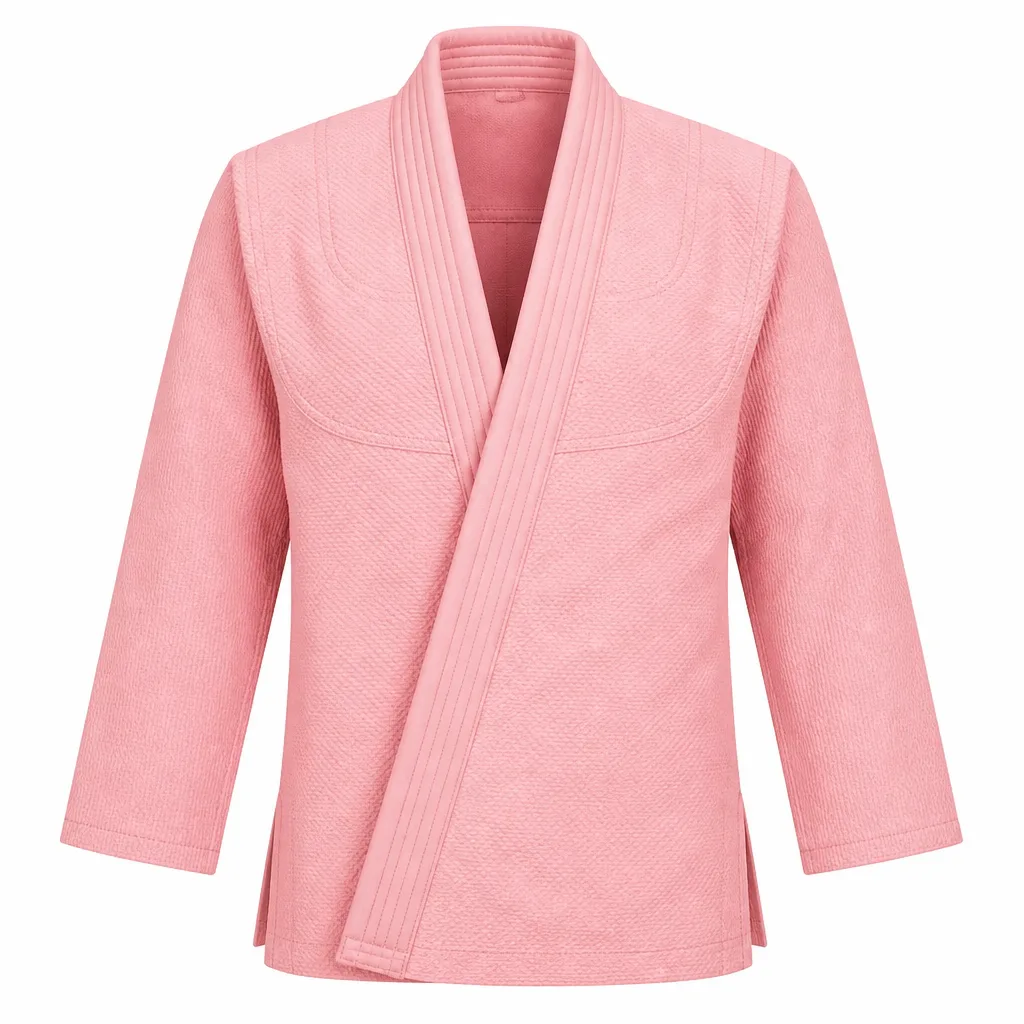
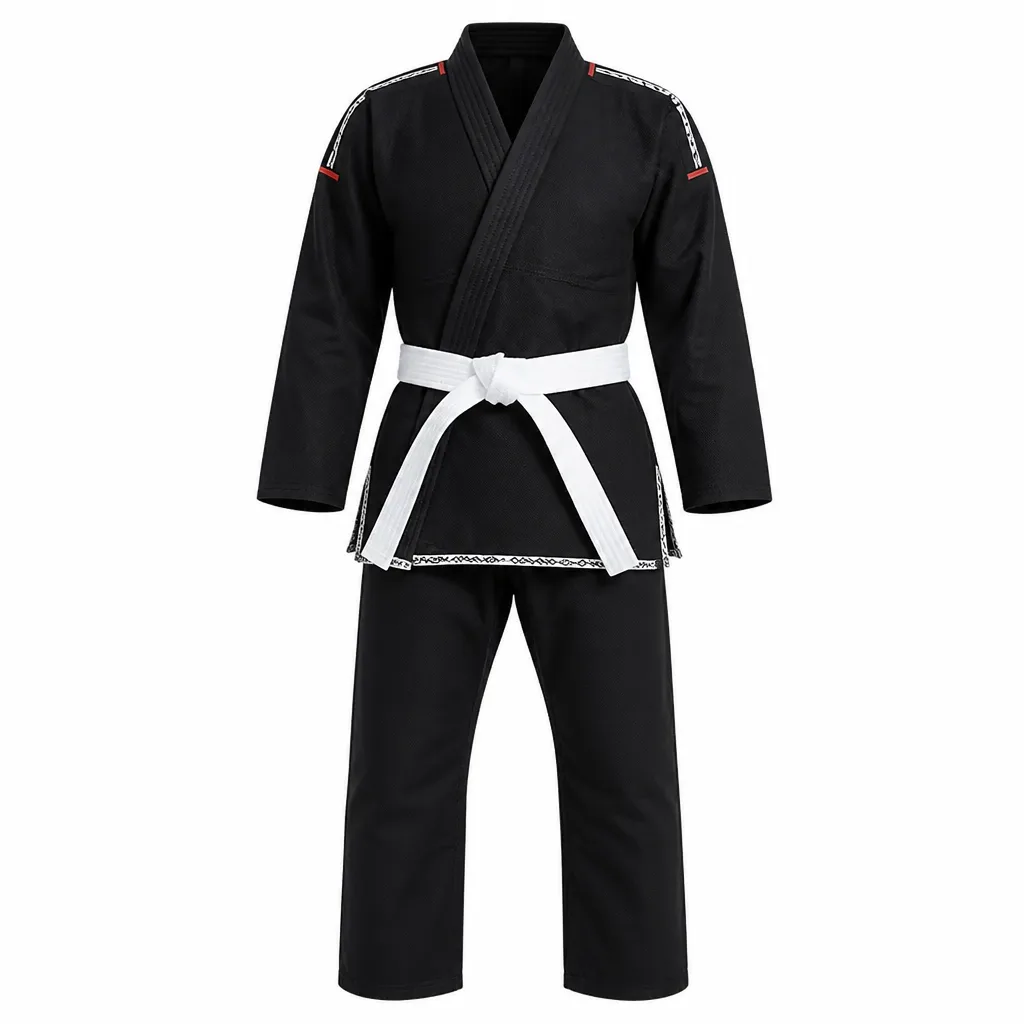
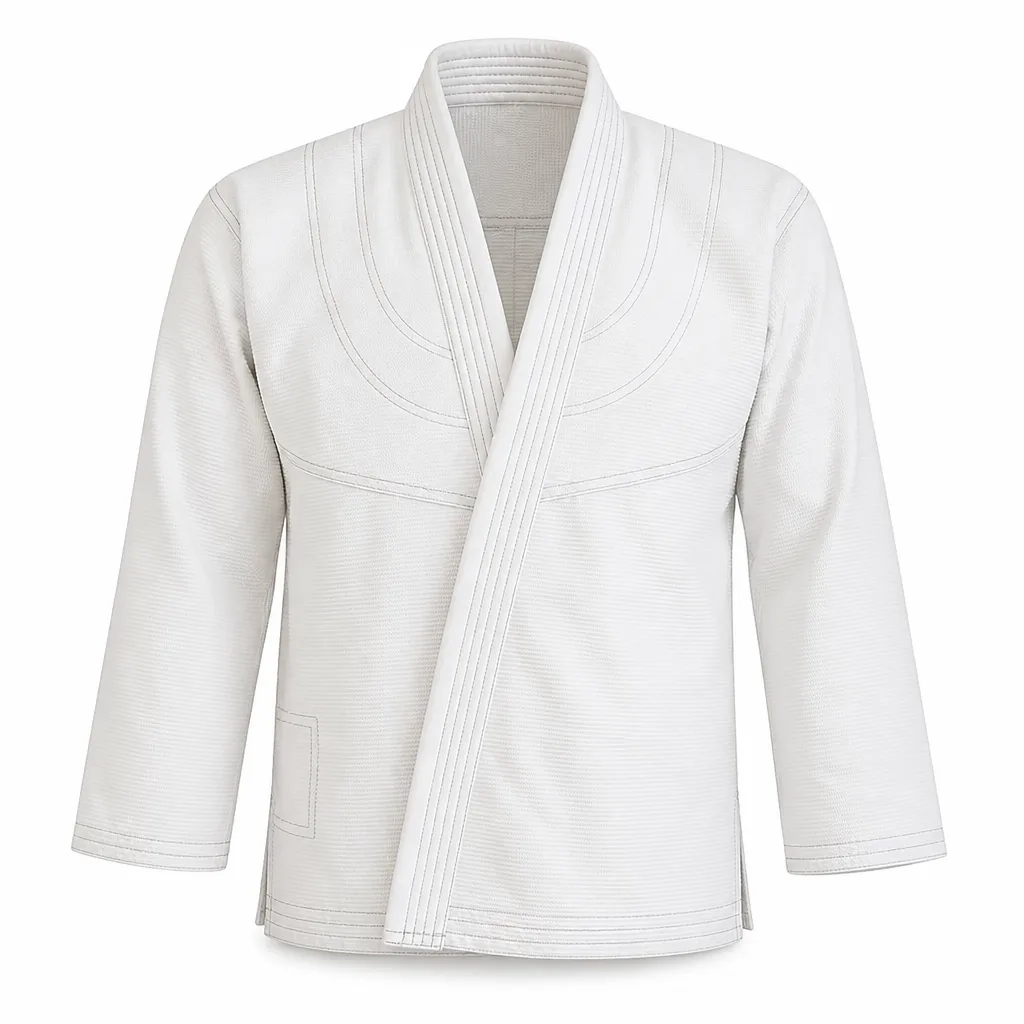
What Makes Gi Collar Style Essential for Fighters
Have you ever sunk in a perfect collar grip during a heated BJJ roll, only for it to slip just as you're about to finish the choke? Or worse, felt your gi's collar bunch up and dig into your neck while defending? If you're a fighter training in gi—whether for MMA cross-training, pure Brazilian Jiu-Jitsu, or even Wrestling transitions—this is the gi collar style problem that's quietly sabotaging your sessions.
As Marcus Silva, a former pro MMA fighter with over 15 years choking out opponents and reviewing gear, I've tested countless gi collar styles in gyms from commercial dojos to competition mats. The right MMA gi collar style isn't just about looks; it's the difference between dominant control and frustrating escapes. In this guide, we'll break down the problem, explore solutions, and arm you with the knowledge to pick the best gi collar style for your training.
Understanding the Challenge: Why Gi Collars Fail Fighters
Picture this: You're sparring in a packed gym, sweat pouring, and your opponent's collar grip locks in like a vice—except yours feels like grabbing a wet towel. That's the reality for many fighters who overlook gi collar style for fighters. Collars aren't one-size-fits-all; poor construction leads to slippage, discomfort, and even injury risks like neck abrasions or failed submissions.
From my experience rolling with pros and amateurs alike, the main culprits are mismatched materials and weaves. A standard pearl weave #6 collar—thick at 450gsm—grips like sandpaper for training but stiffens into a board after washes, irritating skin during long sessions. Flip side, ultra-light competition collars under 350gsm shred after a few hard rolls, forcing replacements mid-training camp.
Different disciplines amplify these issues. In BJJ, where collar chokes like the bow-and-arrow dominate, a floppy collar kills torque. Muay Thai clinch work or MMA stand-up transfers demand durability without bulk. Beginners face bunching on slimmer necks, while heavier wrestlers need reinforced edges to withstand mauls. I've seen intermediate fighters quit sessions early because their gi collar style for training chafed raw after 30 minutes of drilling.
- Slippage in grips: Smooth fabrics like cheap cotton lose texture fast.
- Durability gaps: Training collars tear at seams under pro-level torque.
- Comfort trade-offs: Stiff collars excel in comp but punish home gym grinders.
Industry stats back this: Top BJJ brands report 40% of returns tied to collar complaints. Fighters waste time and money guessing, but understanding these challenges unlocks performance gains.
Solution Overview: Mastering Gi Collar Style for Peak Performance
The fix? Prioritize gi collar style based on your needs—training volume, body type, and discipline. The best gi collar style balances grip texture, thickness (measured in mm), and flexibility. We're talking reinforced double-weave collars from Hayabusa or tapered designs from Tatami that mold to your grips without fraying.
In essence, upgrade to purpose-built collars: thicker (1.5-2mm) for gym warriors enduring 10+ hours weekly, slimmer (1.0-1.2mm) for competition speed. This isn't hype—I've coached fighters who shaved seconds off submission chains by switching styles. Apollo MMA stocks these premium options, vetted for real-world abuse.
Key benefits include:
- Enhanced grip retention for clock chokes and arm drags.
- Reduced skin irritation via smooth inner linings.
- Longevity matching your investment—up to 2 years of heavy use.
Whether you're a Kickboxing striker adding BJJ or a full-time grappler, the right collar elevates your game without breaking the bank.
Detailed Steps: How to Choose the Right Gi Collar Style
Step 1: Assess Your Training Environment and Intensity
Start here—gym rats grinding daily need rugged gi collar style for training. I recommend pearl weave #5 or gold weave hybrids (400-450gsm) like Venum's Elite series. These hold shape through starch washes, perfect for commercial gyms where mats see 50+ users daily.
Home workouts? Lighter options suffice; avoid overkill to prevent bulk in solo drills. Competition settings demand IBJJF-legal slim collars—think Shoyoroll's butter-soft 350gsm that passes flat-collar checks but grips fiercely when wet.
Step 2: Match Collar Thickness to Your Body Type and Skill Level
Beginners: Go forgiving with 1.2mm tapered collars (e.g., Fairtex BJJ line). They stretch less, reducing escapes from sloppy grips. Intermediates: 1.5mm straight collars for torque in sparring—Ringside's reinforced models shine here.
Advanced/pros like myself favor 1.8mm drill collars. Taller fighters (over 6') need extended lengths to wrap fully; shorter builds prefer V-cut styles preventing bunching. Test in person: A good collar should twist 90 degrees without folding.
Step 3: Evaluate Materials and Construction
Core weaves: Pearl #3 for speed (light, breathable), #6 for ironclad grips (dense, slow-dry). Gold weave blends both—my go-to for MMA camps blending gi/no-gi.
Look for:
- Double-stitched piping to fend seam rips.
- PU-reinforced interiors for sweat-proof grip.
- Pre-shrunk fabrics—critical, as 10% shrinkage warps collars.
Brands matter: Hayabusa's HGF-2 collars dominate pro circuits for balanced stiffness; Twins offers budget beasts for Muay Thai-BJJ hybrids.
Step 4: Test in Real Scenarios
Don't buy blind. Roll with it: Grip-test collar chokes on a partner, then sprawl in wrestling drills. Pair with fight shorts for full mobility checks—nothing worse than a stiff collar snagging during takedown defense.
Sizing tip: Neck girth over height dictates fit. Measure unwashed; most run true after first starch.
Step 5: Factor in Maintenance and Longevity
Invest time here for value. Wash cold, air-dry flat, starch collars weekly (1:10 ratio). This preserves grip texture—neglect it, and even premium fades in months. Expect $150-300 for top-tier; cheaper alternatives balloon costs via replacements.
Expert Tips: Insider Knowledge from the Mats
After thousands of hours in gear, here are lesser-known gems no generic blog shares:
- Hybrid training hack: For MMA fighters blending gi/no-gi, Tatami's Dynamic collar—1.4mm flex—transitions seamlessly. I've used it prepping for bouts, gripping laps then shedding for sprawls.
- Safety first: Avoid ultra-stiff collars in beginner classes; they amp choke risks. Always taper edges for youth or lighter frames to prevent tracheal pressure.
- Fighter preferences: Check our fighter spotlight on pros like those rocking Everlast's V-collars—they swear by the airflow for 2-hour sessions.
- Durability test: Boil a sample collar 10 minutes; resilient ones hold form. Gold weave aces this over pearl for wrestlers grinding.
- Budget vs. pro: Under $200? Venum Challenger. Splurge? Hayabusa Pro—worth it for 500+ washes without fade.
Pro insight: In humid environments, bamboo-blend collars (e.g., some Ringside models) wick sweat better, preventing slippage. For Kickboxers adding clinch, reinforced tops prevent knee-strike tears.
Common Q: "Is thinner always better for comp?" No—too thin bunches under pressure. Balance is key; test against partners of varying girths.
Conclusion: Elevate Your Game with the Best Gi Collar Style Today
Gi collar style isn't a luxury—it's essential gear that amplifies your fighting edge. From grip dominance in BJJ rolls to resilient defense in MMA sparring, choosing the right one transforms frustration into flow. We've covered the pitfalls, steps, and pro tips; now apply them.
At Apollo MMA, our curated collection features the best gi collar style options from trusted brands like Hayabusa, Venum, and Tatami—tailored for every fighter level and discipline. Browse today, starch up, and feel the difference on the mats. Your next submission awaits.
Train smart, fight strong.
Marcus Silva, Former Pro MMA Fighter & Apollo MMA Gear Expert