Muay Thai Pad Training: A Fighter's Guide to Selection and Use
In the sweltering camps of 20th-century Thailand, where Muay Thai was forged in the fires of ancient warfare and ritual combat, muay thai pad training emerged as the heartbeat of fighter development. Nak muay—traditional Thai fighters—perfected their art on sturdy pads held by skilled trainers, honing strikes that could shatter bamboo. Today, this cornerstone of combat sports conditioning bridges gyms worldwide, from Bangkok to your local MMA facility, empowering fighters in Muay Thai, kickboxing, and MMA alike. Whether you're a beginner building fundamentals or a pro sharpening for the cage, understanding pad work unlocks explosive power and precision.
The Roots and Evolution of Muay Thai Pad Training
Muay Thai pad training traces back to the sport's military origins in the Ayutthaya Kingdom (14th-18th centuries), where soldiers trained with minimal gear on live partners or rudimentary targets. Post-WWII, as Muay Thai globalized, "Thai pads"—curved, heavily padded mitts—became standardized. Pioneers like Ajarn Sarge and imported Fairtex pads revolutionized Western training in the 1970s, shifting from boxing focus mitts to accommodate elbows, knees, and low kicks.
Fast-forward to modern MMA: Fighters like Anderson Silva and Israel Adesanya credit pad sessions for their fluid combinations. In Brazil, BJJ academies incorporate MMA muay thai pad training to develop stand-up for no-gi rulesets. This evolution reflects padwork's versatility—it's not just striking; it's timing, distance management, and cardio under fatigue. At Apollo MMA, we've stocked these essentials for enthusiasts scaling from garage setups to pro camps.
Core Concepts: Why Muay Thai Pad Training Matters for Fighters
At its essence, muay thai pad training for fighters simulates fight conditions without full-contact risk. Pads absorb teeps, roundhouses, and clinch knees, allowing holders (padmen) to dictate angles, feints, and combos. Key benefits include:
- Technique Refinement: High-rep drills build muscle memory for 8-count hooks or check-hook-teep sequences.
- Power Development: Proper pad alignment transfers force efficiently, unlike heavy bags that swing unpredictably.
- Endurance Building: 5-minute rounds mimic fight pacing, spiking heart rates to 170+ bpm.
- Partner Synergy: Padmen provide feedback on speed, accuracy, and hip torque—crucial for wrestling transitions in MMA.
For beginners, pads demystify stance and guard; intermediates drill entries against counters; pros layer feints for deception. Safety first: Always wear gloves and mouthguards, as errant elbows can bruise holders. Maintenance tip: Rotate pads to even wear, extending life from 6 months (heavy use) to 2 years.
Pad Types and Their Roles in Training
Curved Thai pads (10-12 inches wide) dominate for full Muay Thai arsenal. Straight boxing pads suit jabs-crosses in kickboxing. Hybrid MMA pads blend both for cage versatility. Lesser-known: Low-profile "Dutch-style" pads for speed work, favored by kickboxers like Giorgio Petrosyan.
Detailed Analysis: Selecting the Best Muay Thai Pads
Choosing pads isn't about flash—it's physics and durability. Top materials include multi-layer foam (high-density core for impact, soft outer for grip) wrapped in genuine leather or premium synthetic. Fairtex BGV1s, for instance, use water buffalo leather with horsehair stuffing, offering superior shape retention after 500+ sessions. Twins Specials provide value with cowhide and shock-absorbing gel inserts, though they break in slower for wide hands.
Sizing matters: Measure holder forearm circumference and fighter's strike zone. Standard (16x10 inches) fits most; extra-large for heavyweights. Our size guide at Apollo MMA prevents mismatches—too small, and knees glance off; too big, reduces feedback precision. Velcro straps outperform buckle closures for quick adjustments mid-round.
| Brand/Model | Material | Best For | Durability (Sessions) | Price Range |
|---|---|---|---|---|
| Fairtex BGV1 | Buffalo leather, horsehair | Muay Thai pros | 800+ | Premium |
| Twins Pro Style | Cowhide, foam/gel | Intermediate fighters | 500-700 | Mid-range |
| Venum Challenger | Synthetic leather, triple-density | Beginners/MMA | 300-500 | Budget |
| Hayabusa T3 | Kevlar-reinforced synth | Kickboxing speed | 600+ | Premium |
Trade-offs? Leather breathes better but costs more and needs conditioning oil. Synthetics like Everlast resist cracking in humid gyms but compress faster. In my Muay Thai practice, I've cracked lesser pads on 100-rep knee drills—invest in Apollo MMA's thai pads collection for longevity. For wrestling-heavy MMA, opt for dual-sided pads to practice takedown defenses.
Pair with complementary Muay Thai gear like 16oz bag gloves and fight shorts for unrestricted knees. Avoid cheap vinyl—they split on first shin collision.
Practical Applications: Drills for Every Level and Discipline
Muay Thai pad training for training adapts to environments. In commercial gyms, 3-minute rounds build stamina; home setups use wall-mounted holders for solo shadow-pad hybrids.
Beginner Drills: Fundamentals First
- Jab-Cross Ladder: 10 reps per side, focus on snap. Builds boxing base for BJJ strikers.
- Teep to Mid Kick: Alternate legs, padman circles for angles. Prevents telegraphing.
Pro tip: Film sessions—spot dropped hands common in newbies.
Intermediate: Combo Complexity
Incorporate elbows: Jab-superman punch-elbow-knee. For kickboxing, add switch stances. MMA twist: Padman shoots singles post-strike to drill sprawls. Expect 20-30% power drop after round 3— that's the fatigue fighter's edge.
Advanced/Pro Scenarios: Competition Simulation
5x3-minute rounds with 1-minute active rest (shadowboxing). Include feints: Fake low kick, high elbow. In competition prep, mimic opponent styles—southpaw pads for orthodox fighters. Wrestlers benefit from pad-clinch-knee flows, transitioning to shots.
Safety in sparring integration: Use pads post-light sparring to groove clean technique. Check out our training tips for full programs.
Expert Recommendations: The Best Muay Thai Pad Training Gear
As a Muay Thai practitioner who's logged thousands of pad hours, I recommend starting with Twins or Fairtex for authentic feel—available in our thai pads lineup. Budget? Venum's foam density rivals pricier options for best muay thai pad training value.
- Pro Pick: Fairtex BGV19—lightweight for female fighters, unbreakable under Buakaw-level volume.
- MMA All-Rounder: Hayabusa—ergonomic curve for glove compatibility.
- Beginner Starter: Ringside—affordable, quick-dry lining for sweaty sessions.
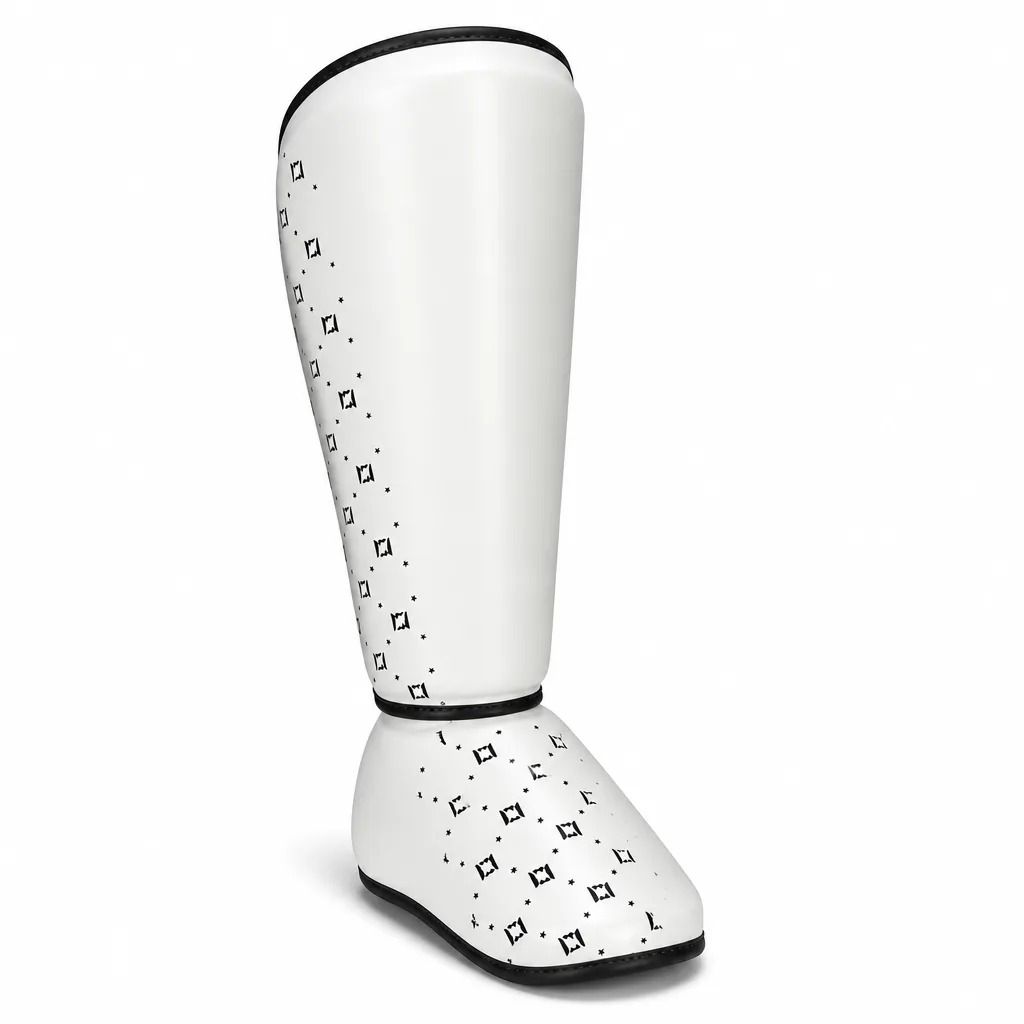
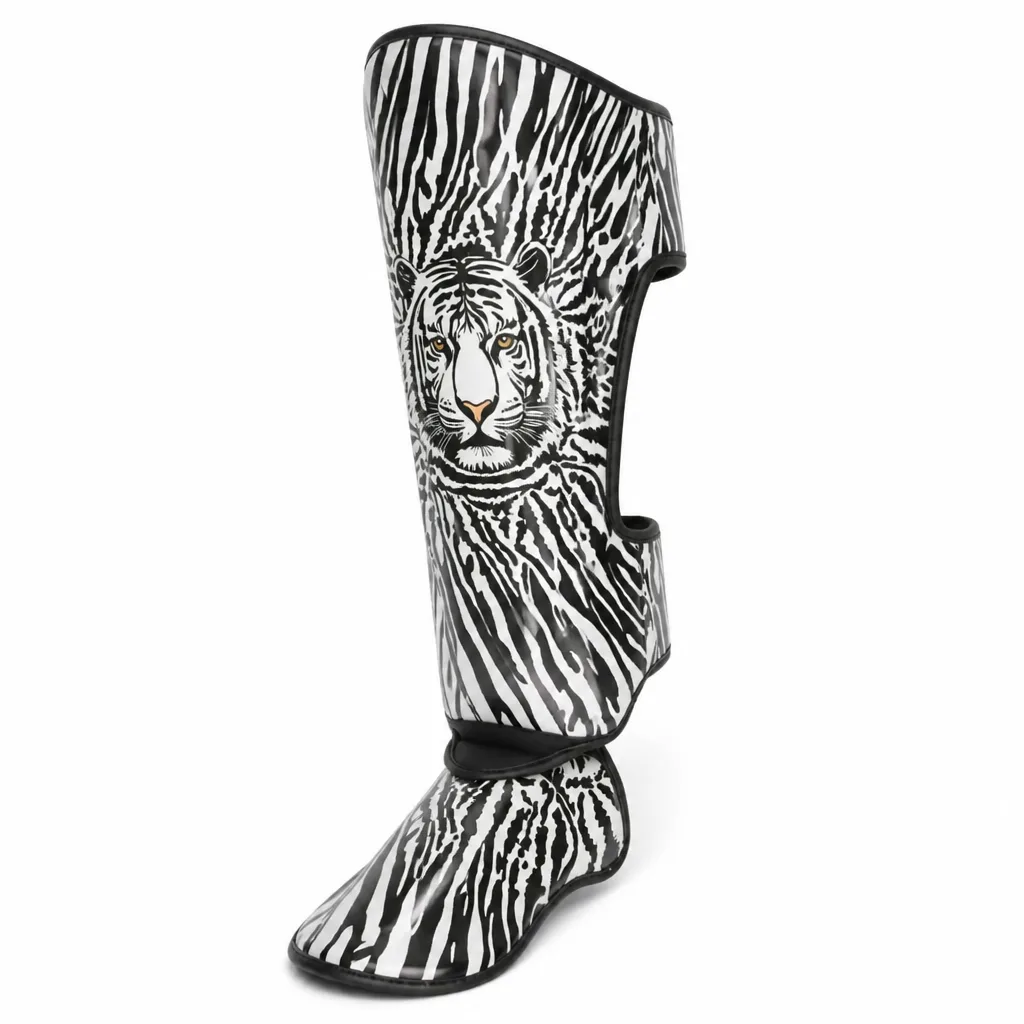
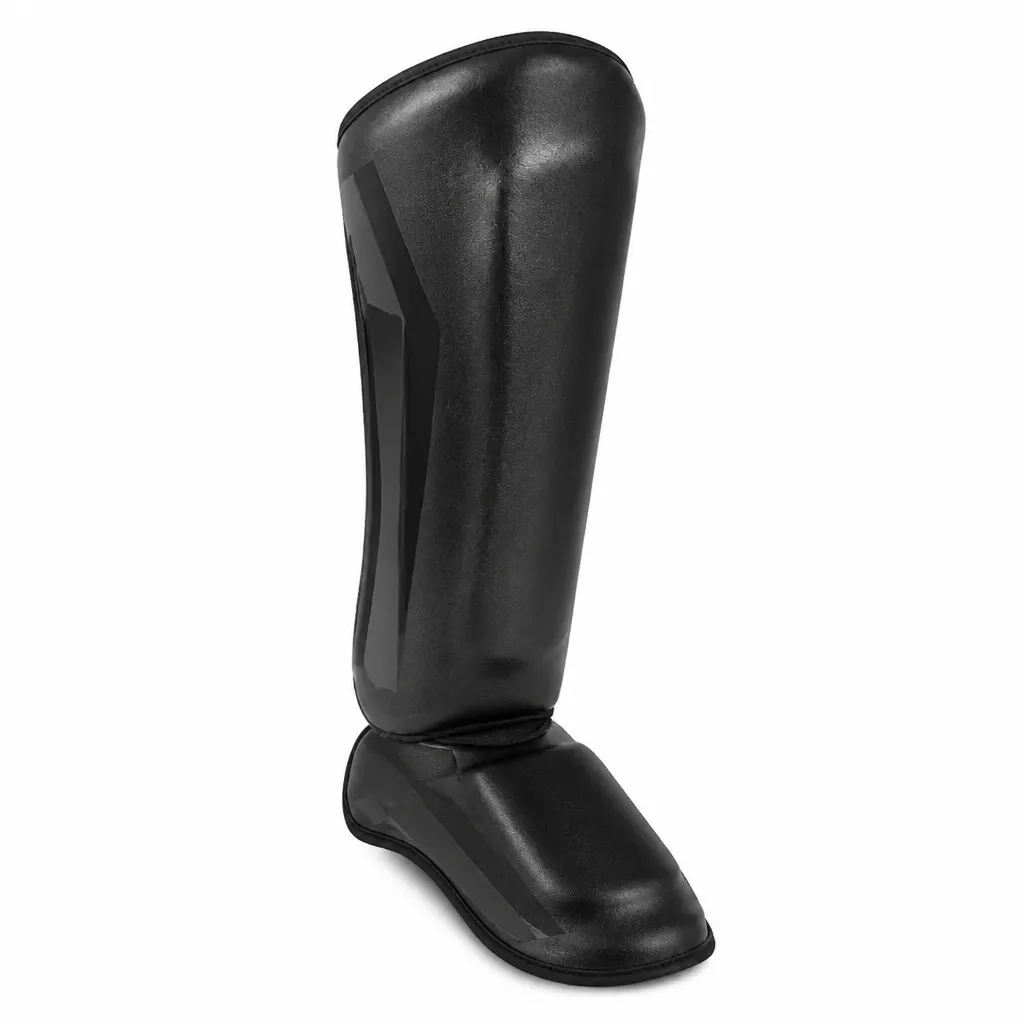
Stock up at Apollo MMA; bundles save 15%. Pair with shin guards for full muay thai pad training for fighters kits. Follow fighters who've thrived on our gear in our fighter spotlight.
Honest caveat: No pad lasts forever. Rotate pairs, store flat—humidity warps foam. For larger frames, custom-order via our team.
Conclusion: Elevate Your Game with Smart Pad Training
Muay Thai pad training isn't just practice—it's the forge where raw talent becomes championship striking. From historical battlegrounds to modern octagons, mastering pads demands the right gear, drills, and mindset. Beginners gain confidence; pros uncover weaknesses. Head to Apollo MMA for curated best muay thai pad training essentials that withstand your grind.
Ready to strike harder? Explore our collections, consult the size guide, and transform your sessions. What's your go-to pad drill? Share below—fight smart, train Apollo.