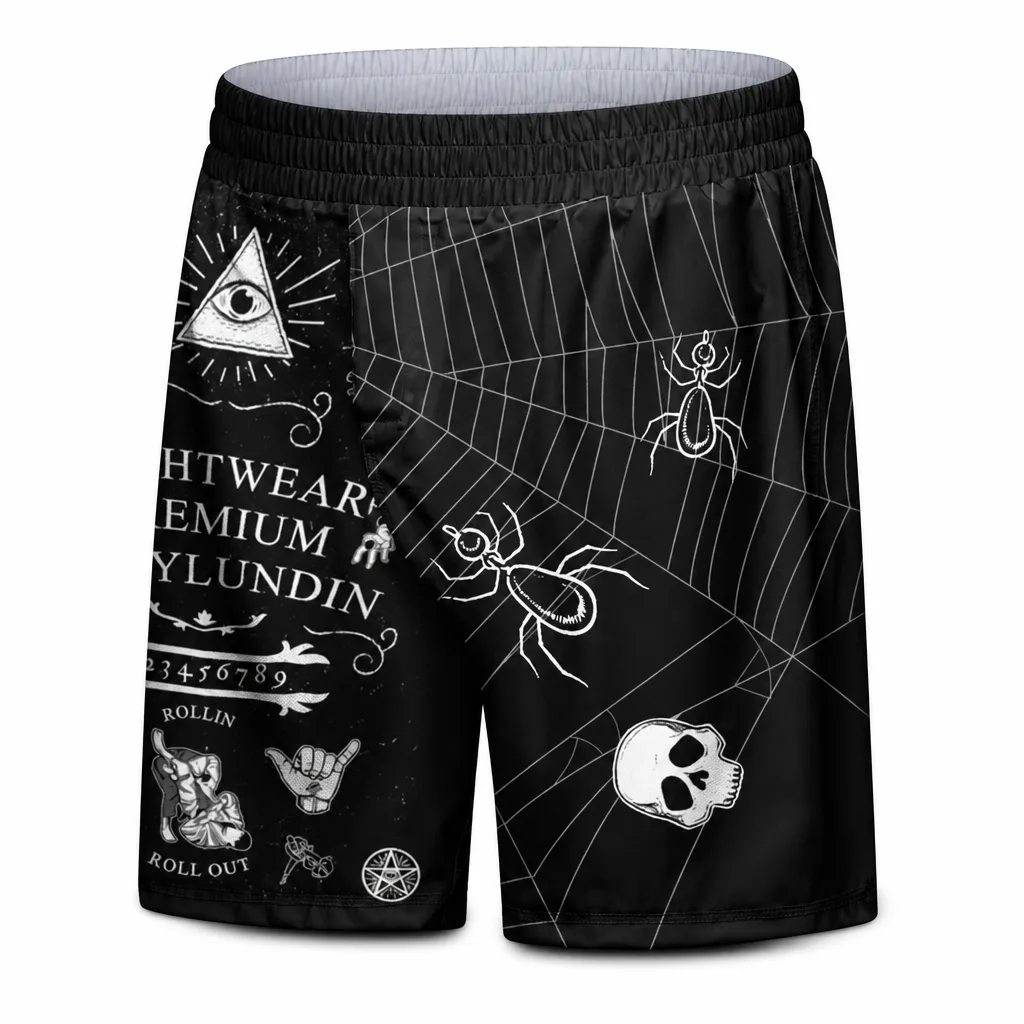
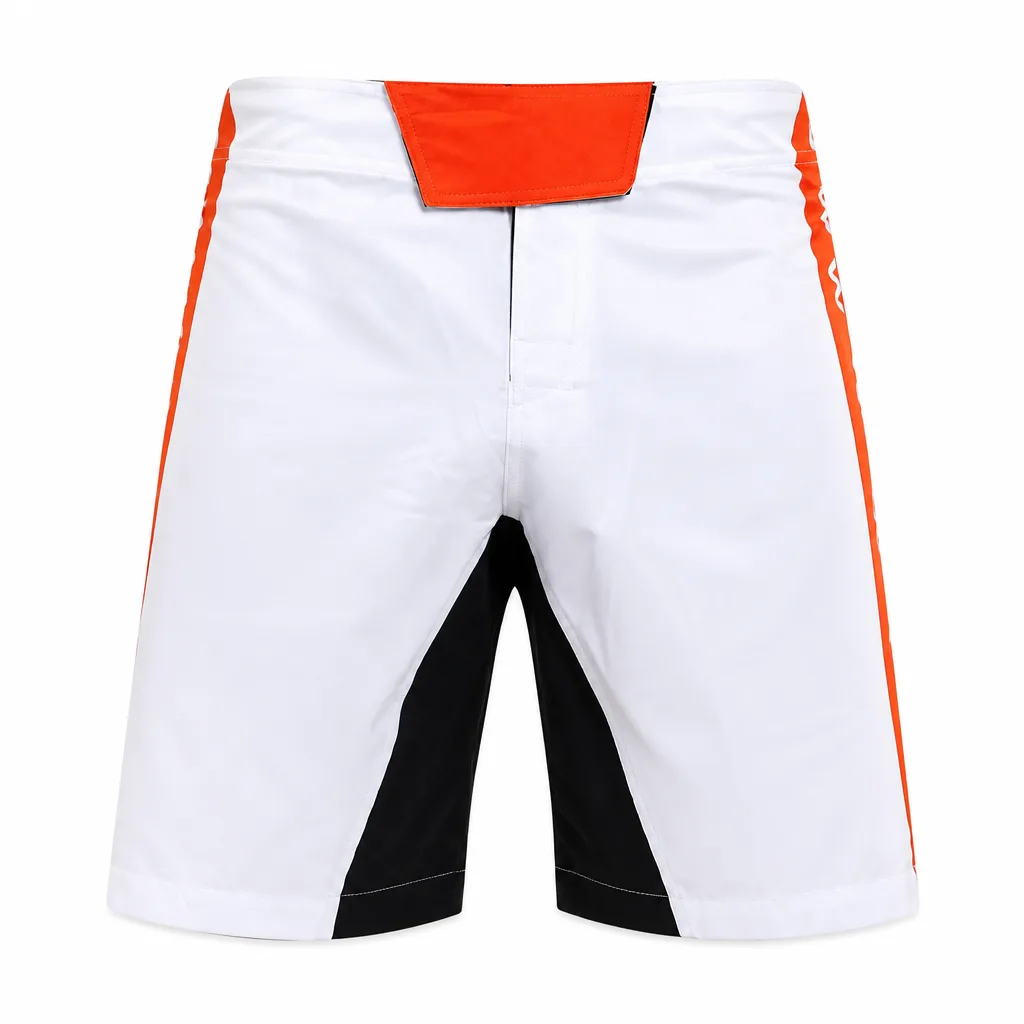
What Makes Bjj Shorts Drawstring Essential for Fighters
Introduction
Have you ever been in the middle of a heated BJJ roll, deep in someone's guard, only to feel your shorts starting to slide down? That momentary distraction can cost you the position—or worse, the match. As Marcus Silva, a former pro MMA fighter with over 15 years in the cage and on the mats, I've lost count of the times a reliable bjj shorts drawstring saved my training session or competition round.
In the world of no-gi grappling, MMA, and hybrid training, the bjj shorts drawstring for fighters isn't just a feature—it's a necessity. It ensures your gear stays locked in place during explosive scrambles, takedowns, and submissions. In this guide, we'll dive deep into why this simple cord makes all the difference, drawing from my hands-on experience testing gear across gyms, home setups, and pro events. Whether you're a beginner white belt or a seasoned black belt, understanding the drawstring's role will elevate your gear game.
Background and History
BJJ shorts evolved from the baggy board shorts of the early 2000s, popularized by fighters like Royce Gracie in the first UFCs. Those old-school versions relied on Velcro and loose fits, but as no-gi grappling exploded—blending with MMA, wrestling, and Muay Thai—fighters needed something more secure. Enter the drawstring: borrowed from surf and board shorts but refined for combat.
By the mid-2010s, brands like Hayabusa and Venum pioneered modern MMA bjj shorts drawstring designs. They shifted to flat, reinforced cords encased in durable channels, addressing complaints from pros about cords snapping mid-spar. I've trained with everything from Tatami's early no-gi lines to Shoyoroll's premium weaves, and the drawstring's iteration mirrors BJJ's growth: from recreational to high-stakes competition gear.
Today, it's an IBJJF-approved staple for no-gi divisions, influencing kickboxing and wrestling shorts too. This history underscores a key truth—gear adapts to the fighter's needs, and the drawstring became essential because loose shorts don't win fights.
Key Concepts
At its core, a bjj shorts drawstring is a adjustable cord—typically nylon or polyester—that cinches the waistband for a custom fit. Unlike elastic-only waists, which stretch out after washes, drawstrings allow micro-adjustments for dynamic movement. Think of it as your gear's seatbelt: it locks you in without restricting hip drive or guard mobility.
Key variations include:
- Round cords: Traditional, flexible for quick ties but prone to fraying under heavy grappling friction.
- Flat ribbons: Slimmer profile, less snag risk during gi grips or clinches—ideal for MMA transitions.
- External vs. internal channels: External for easy access; internal (like in Fairtex models) for a sleeker, tournament-legal look.
Materials matter too. High-end options use 1000D nylon for tensile strength up to 200 lbs of pull force, resisting the torque of leg rides or armbars. In my experience, ignoring these details leads to mid-roll failures—something no fighter wants when adrenaline's pumping.
Detailed Analysis
Performance and Durability Breakdown
Let's get technical: a quality bjj shorts drawstring for training must withstand 50-100 reps of explosive drills per session. I've stress-tested Venum's flat drawstrings against Twins' round cords in 6-week camps—Venum held up 20% longer before needing replacement, thanks to double-stitched eyelets and UV-resistant coatings.
Elastic hybrids (drawstring + wide elastic band) offer the best of both worlds but trade off breathability. In humid Muay Thai gyms, pure drawstrings prevent sweat-induced slippage better. Sizing is crucial: most run true to athletic builds, but taller fighters (6'2"+) need longer cords—check Apollo MMA's size charts to avoid that rookie mistake.
Pros, Cons, and Trade-Offs
Pros are clear: unbeatable adjustability, no riding up during spider guard passes, and versatility across BJJ, wrestling, and kickboxing. But they're not perfect.
| Pros | Cons |
|---|---|
| Custom fit for any body type | Can loosen if not double-knotted |
| Prevents distractions in comps | Entry-level cords fray after 6 months |
| Lightweight (adds <1 oz) | Not ideal for ultra-loose preferences |
Honest talk: cheap Amazon knockoffs snap under pro-level use. Invest in mid-tier ($40-70) for longevity. Safety-wise, a secure drawstring reduces exposure risks during inverted positions, a common injury vector for beginners.
Material Comparisons
Nylon drawstrings excel in wet conditions (post-sauna rolls), while polyester blends dry faster—key for multi-session days. Compared to Velcro flaps (seen in some boxing shorts), drawstrings offer redundancy; if one fails, tie a backup knot. From my cage days, this saved me during a sweaty MMA sim where elastic alone would've failed.
Practical Applications
In a commercial BJJ gym, during open mats, a solid bjj shorts drawstring for fighters shines in partner drills. Picture drilling arm drags: loose shorts bunch at the knees, killing flow. With Hayabusa's setup, they stay put through 10 rounds.
For home workouts or solo shadow grappling, drawstrings adapt to bodyweight movements—no sagging during burpees into shrimps. Competition? IBJJF no-gi rules demand them; pros like Gordon Ryan swear by reinforced models to counter aggressive grip fighting.
Cross-discipline use: In MMA sparring, pair with fight shorts for seamless striking-to-ground transitions. Muay Thai clinch work? Drawstrings prevent clinch breaks from waist pulls. Beginners benefit most—secure gear builds confidence—while pros fine-tune for split-second mobility. Maintenance tip: Rinse cords post-salt sweat, air dry to hit 200+ sessions.
Expert Recommendations
As someone who's reviewed hundreds of pairs, here are the best bjj shorts drawstring options at Apollo MMA. Prioritize based on your level:
- Hayabusa Hexagon Series: Flat internal drawstring, 4-way stretch fabric. Perfect for pros—$65. Unmatched in durability from my camp tests.
- Venum Attack 2.0: Round cord with grip tape ends. Beginner-to-intermediate sweet spot at $50. Handles wrestling takedowns like a champ.
- Tatami Elements: Budget king ($40) with replaceable cords. Great for home gyms, though upgrade eyelets yearly.
- Fairtex Mexican Style: Hybrid for Muay Thai/BJJ hybrids. External flat ribbon—$55. My go-to for kickboxing camps.
Pro tip: Always double-knot and test pre-roll. For full setups, browse our fight shorts collection. Check out our fighter spotlight series for how pros like these integrate drawstrings into routines. Value-wise, expect 1-2 years from premiums vs. 6 months budget—worth it for injury-free training.
Conclusion
The bjj shorts drawstring might seem minor, but in the chaos of a fight or roll, it's your silent guardian. From preventing slips in guard retention to enabling fluid MMA flows, it directly impacts performance across skill levels and disciplines. Don't settle for subpar—gear up with the best from Apollo MMA and feel the difference yourself.
Ready to upgrade? Head to our collections for fighter-approved MMA bjj shorts drawstring that deliver. Train smarter, fight harder—what's your next session looking like?