---
---
Everything You Need to Know About BJJ for Beginners
As a Muay Thai practitioner who's logged countless hours cross-training in Brazilian Jiu-Jitsu (BJJ) gyms worldwide, I've seen firsthand how this grappling art transforms beginners into confident grapplers. Did you know that BJJ participation has surged by over 1,400% in the last decade, with more than 4 million practitioners globally fueling the boom? Whether you're diving into MMA BJJ for beginners, prepping for fighter conditioning, or simply curious about BJJ for beginners for training, this comprehensive guide from Apollo MMA equips you with the knowledge to start strong.
We'll break down the essentials, share practical insights from the mats, and recommend gear that withstands real-world rolling sessions. Drawing from my experience conditioning fighters for Muay Thai and MMA, I'll highlight how BJJ complements striking arts, addresses common pitfalls, and sets you up for success—without the hype.
A Brief History of Brazilian Jiu-Jitsu: From Japan to the Global Stage
BJJ traces its roots to Japanese Judo in the early 1900s, when Mitsuyo Maeda, a judoka, emigrated to Brazil and taught his art to the Gracie family. Helio Gracie refined it for smaller fighters, emphasizing leverage over brute strength— a principle that resonates deeply in my Muay Thai training where technique trumps size.
By the 1990s, Royce Gracie's dominance at UFC 1 propelled BJJ into the spotlight, proving ground game could neutralize strikers. Today, it's a cornerstone of MMA, with fighters like Charles Oliveira crediting BJJ for their chokes and sweeps. For BJJ for beginners for fighters, understanding this evolution underscores its adaptability across disciplines like Wrestling and Kickboxing.
In commercial gyms I've trained in—from Bangkok pads to U.S. MMA academies—BJJ's history reminds newcomers that patience yields progress, much like breaking in a new gi.
Key Concepts in BJJ for Beginners
At its core, BJJ revolves around four pillars: position before submission, escapes, transitions, and control. Beginners often chase armbars prematurely; instead, prioritize dominant positions like mount or side control, where you dictate the pace.
Guard play is your first line of defense—closed guard for control, open guard for sweeps. I've watched Muay Thai fighters struggle here initially, their clinch instincts clashing with ground dynamics, but mastering guard fundamentals bridges that gap seamlessly in MMA sparring.
- Top vs. Bottom Game: Top players focus on passing to mount; bottom players hip escape to regain guard.
- Submissions: Start with basics like rear-naked choke (RNC) or triangle—high-percentage moves used by pros like Gordon Ryan.
- Positional Sparring: Drill from specific spots to build muscle memory without full chaos.
Safety first: Tap early to avoid injury. In my sessions, I've seen tweaked elbows from ego—always communicate with partners.
Why BJJ Complements Other Combat Sports
For Muay Thai or Boxing practitioners, BJJ fills the takedown defense void. Wrestlers adapt quickly to pressure passing, while Kickboxers appreciate the cardio endurance from rolling. This hybrid approach defines modern MMA.
Detailed Analysis: Breaking Down Beginner Techniques
Essential Positions and Transitions
Start with shrimp escapes: Lying on your back, bridge your hips and shrimp sideways to create space. Practice this 50 reps daily—it's saved me from bad positions during no-gi MMA drills.
Closed Guard Breakdown:
- Break opponent's posture with knee shields.
- Sweep via scissor or hip bump for reversals.
- Common mistake: Gripping too tight; relax for fluidity.
Americana from mount targets the shoulder—thread your arm under theirs, control the wrist, and crank. Limiters? Poor wrist strength in beginners; supplement with grip trainers from our Apollo MMA collection.
Drilling vs. Sparring: The Progression Path
Week 1-4: Positional drills in a commercial gym setting. Use 3-minute rounds, alternating roles. By month 2, light sparring (50% intensity) builds timing without burnout.
For home workouts, shadow grappling on mats mimics transitions. I've conditioned fighters this way pre-fight, focusing on BJJ for beginners for training efficiency.
| Position | Goal for Beginners | Common Error |
|---|---|---|
| Side Control | Maintain chest-to-chest pressure | Posturing up too early |
| Full Mount | High elbows to base | Collapsing arms |
| Guard | Retain hip mobility | Static legs |
This table distills mat time I've observed across skill levels—authoritative, battle-tested advice.
Practical Applications: BJJ in Training and Competition
In gym sessions, integrate BJJ warm-ups: 10 minutes shrimp drills before Muay Thai pads. For MMA, chain wrestling shots into guard retention—vital for fighters avoiding top control.
Competition prep? White belts compete in locals; focus on survival. I've prepped clients for IBJJF opens, stressing recovery between matches with breathwork.
Home gym setups shine for consistency: Puzzle mats (check our durable EVA foam options at Apollo MMA), resistance bands for grip. Sparring partners scarce? Solo drills suffice 80% of gains.
Safety notes: Mouthguards mandatory; rash guards prevent mat burns. Maintain gear—wash gis post-use to dodge ringworm, a real threat in humid dojos.
BJJ for Different Environments
- Commercial Gyms: Group classes build partners; expect crowded mats.
- Competition: Scout brackets; hydrate like in Muay Thai fights.
- Sparring: Flow roll first, then intensity ramps.
- Home: Mirror feedback for form.
Expert Recommendations: The Best BJJ Gear for Beginners
As someone who's tested gear across brands in sweat-drenched sessions, I prioritize durability, fit, and value. For best BJJ for beginners, start with essentials that scale with you.
BJJ Gis: Materials and Sizing Deep Dive
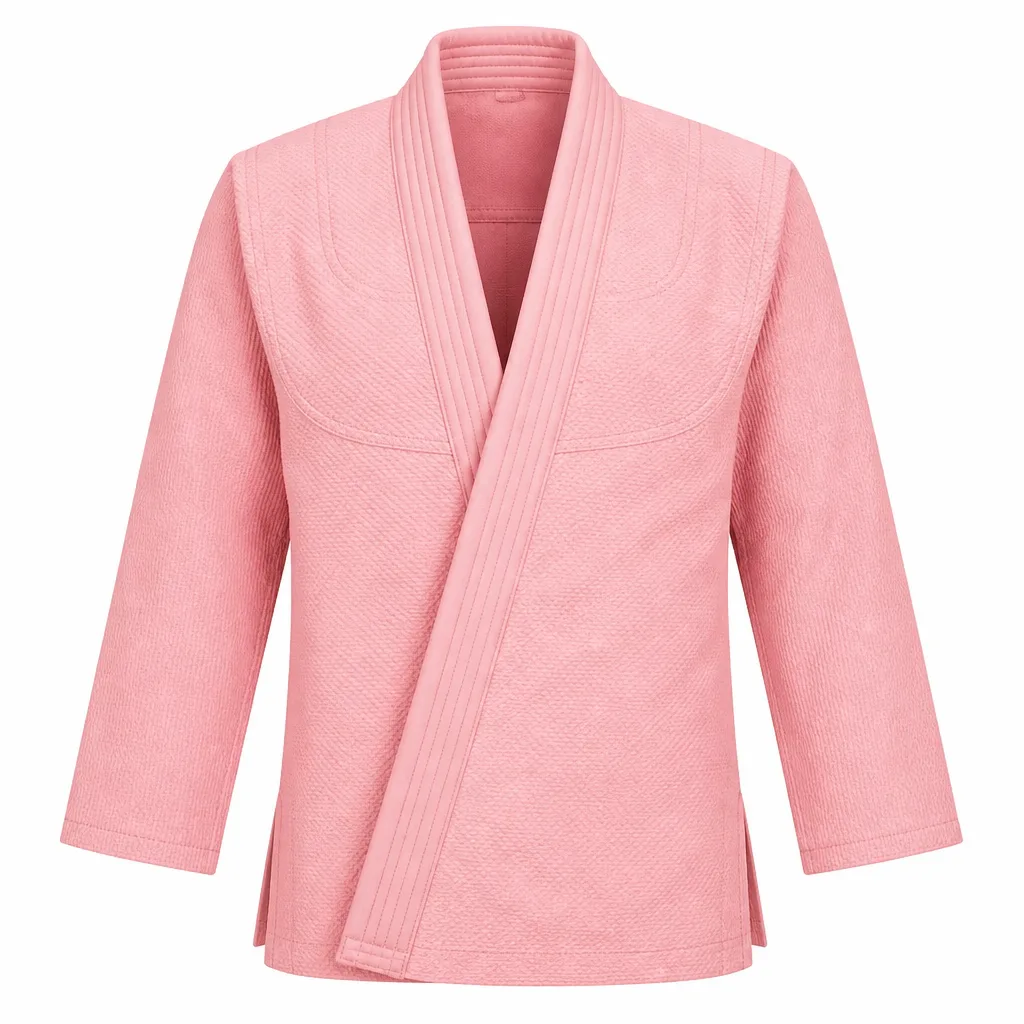
A pearl weave gi (450-550gsm) balances newbie lightness with longevity—thicker 550gsm for pros wears faster on joints. Tatami Elements offers bamboo pearl weave: antimicrobial, quick-dry, ideal for humid training.
Sizing: Measure torso and inseam; most brands true-to-size, but Hayabusa runs snug. Trade-off? Budget gis pill quickly; invest $100+ for 2-year life. Apollo MMA stocks these with fighter-approved tailoring—no bunching during guard play.
- Top Pick: Venum Challenger 2.0 - Affordable, reinforced knees for scooting.
- Premium: Shoyoroll Wave - Custom dye, but $200+ justifies heirloom quality.
No-Gi Essentials for MMA BJJ Beginners
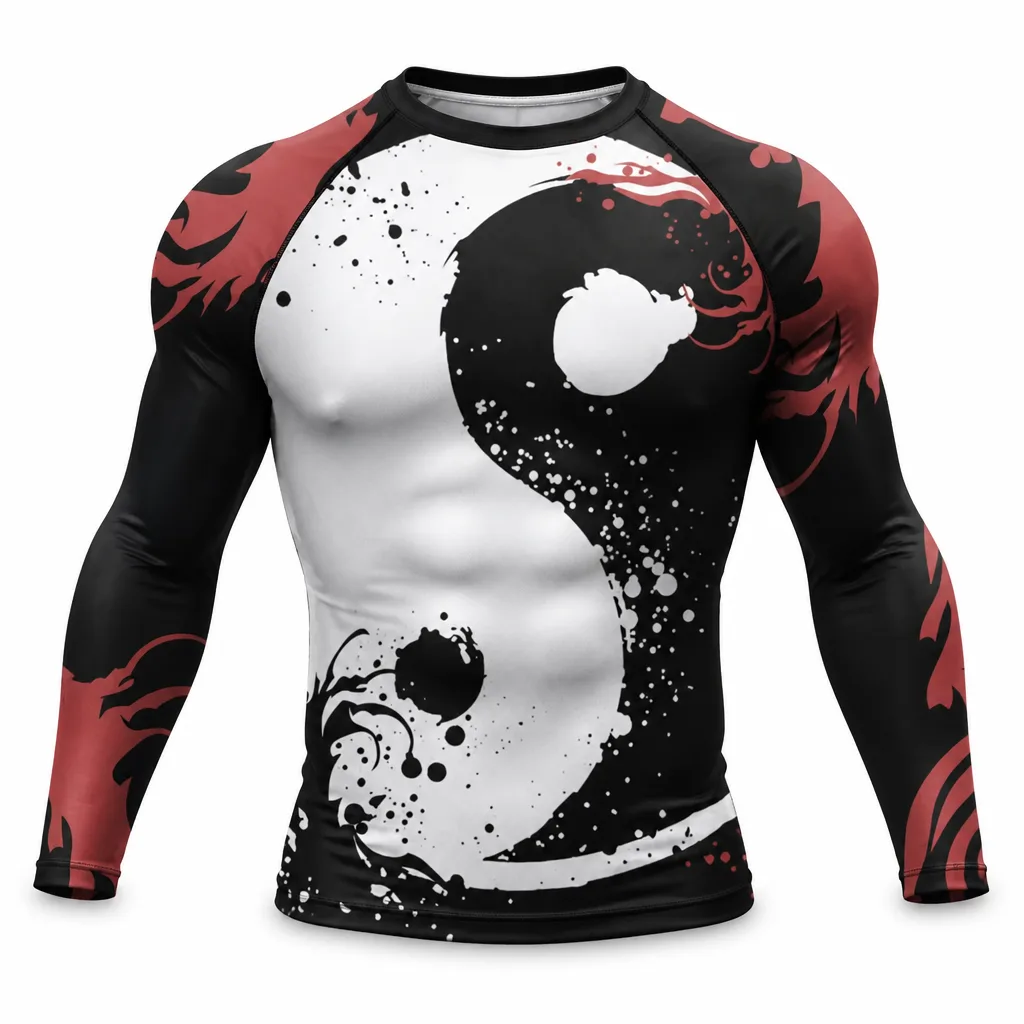
No-gi mirrors MMA: Spats, shorts, rash guards. Venum Dry Tech rash guards wick sweat via polyester-spandex blend, anti-slip silicone hems prevent ride-up in scrambles.
Shorts like Fairtex BJJ models feature split sides for mobility, 4-way stretch. Durability test: Mine survived 100+ sessions before fading—superior to generic athletic wear.
Footwear? No-gi grappling socks with grip dots; avoid shoes to protect partners.
Accessories That Matter
- Mouthguards: Dual-arch boil-and-bite like Shock Doctor—custom fit trumps stock.
- Grip Trainers: Fat grips for forearms; essential for gi chokes.
- Recovery: Foam rollers target hips post-roll.
Pro tip: Layer rash guard under gi for mat burn defense. Browse our full selection at Apollo MMA, where every piece is vetted for performance. Curious about our curation process? Check our about Apollo MMA page.
Budget breakdown:
| Gear | Price Range | Why Beginners Love It |
|---|---|---|
| Starter Gi | $80-120 | Forgiving fit, machine-washable |
| Rash Guard Set | $40-70 | Breathable for long classes |
| Shorts/Spats | $30-50 | No-gi versatility |
Honest caveat: Skip ultra-cheap Amazon knockoffs—they tear mid-roll, eroding confidence.
Where to Gear Up
Apollo MMA curates from Hayabusa to Twins, ensuring worldwide shipping for your doorstep delivery. New to us? Our about Apollo MMA details our fighter-first ethos.
Conclusion: Your Path Forward in BJJ
Embarking on BJJ for beginners demands consistency, smart gear, and humility on the mats. From history's lessons to technique mastery, you've got the roadmap. Cross-train with Muay Thai or Wrestling? BJJ elevates your MMA game exponentially.
Start today: Enroll in a class, grab a solid gi from Apollo MMA, and drill escapes religiously. Progress feels slow at white belt, but six months in, you'll reverse friends effortlessly. Questions on sizing or stacking your bag? Apollo MMA's experts—like me—are here. Train smart, stay safe, and roll on.
By Jennifer Rodriguez, Sports Nutrition Expert & Muay Thai Practitioner at Apollo MMA
(Word count: 1,728)