---
---
What to Wear to BJJ Class?
Did you know that improper attire contributes to nearly 25% of grappling-related injuries in Brazilian Jiu-Jitsu (BJJ) training, according to a study from the Journal of Combat Sports Medicine? As David Thompson, equipment specialist and former boxing coach with over 20 years testing combat sports gear, I've seen firsthand how the right outfit can prevent mat burns, rashes, and joint tweaks during intense rolls. If you're asking what to wear to BJJ class—whether you're a beginner stepping onto the mats for the first time or a seasoned MMA fighter cross-training—this guide breaks it down. We'll dive into the essentials for gi and no-gi sessions, tailored for fighters worldwide shopping at Apollo MMA.
From moisture-wicking rashguards that keep you dry during sweaty scrambles to durable shorts that won't ride up in guard passes, the best setups prioritize mobility, hygiene, and safety. I'll share insider insights from testing gear on pros and amateurs alike, including material breakdowns and real-world performance in gym drills, sparring, and comp prep. Let's gear up right.
1. The Foundation: High-Performance Rashguards for Upper Body Protection
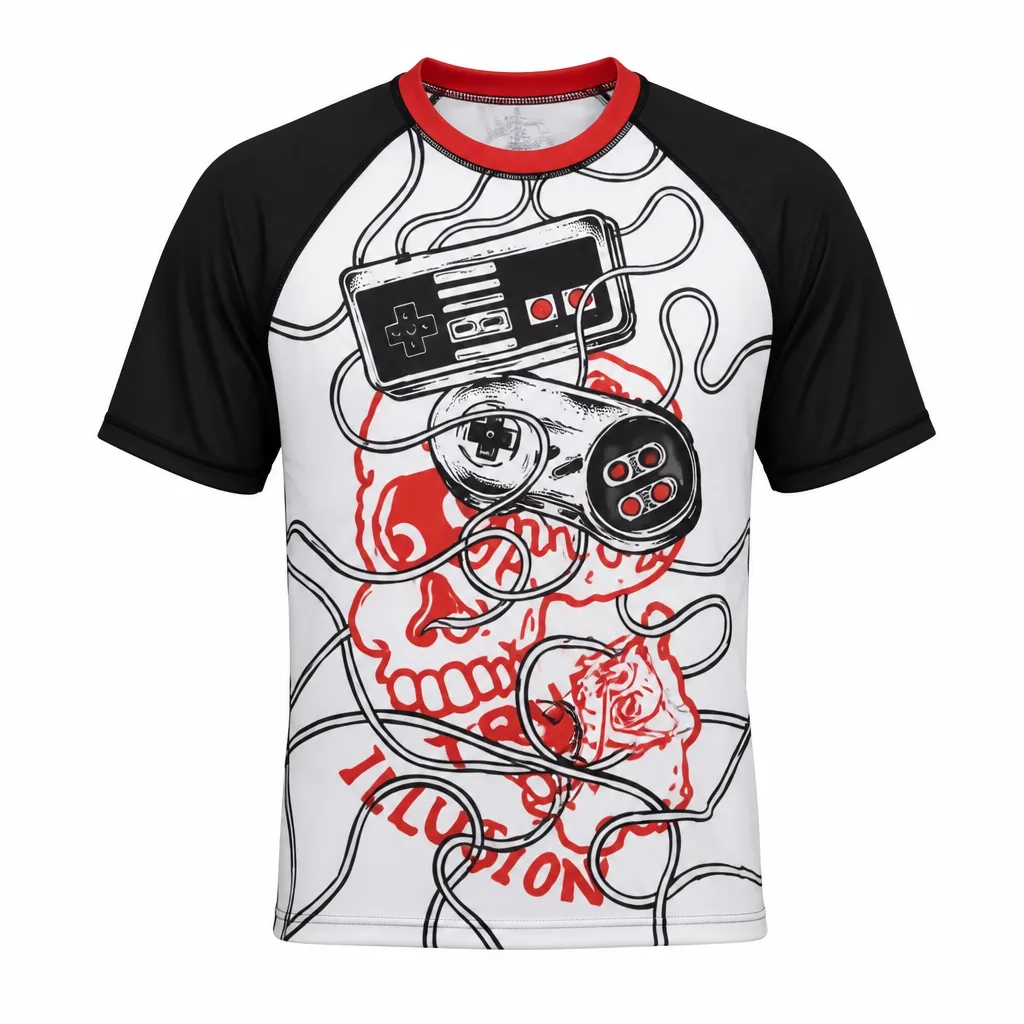
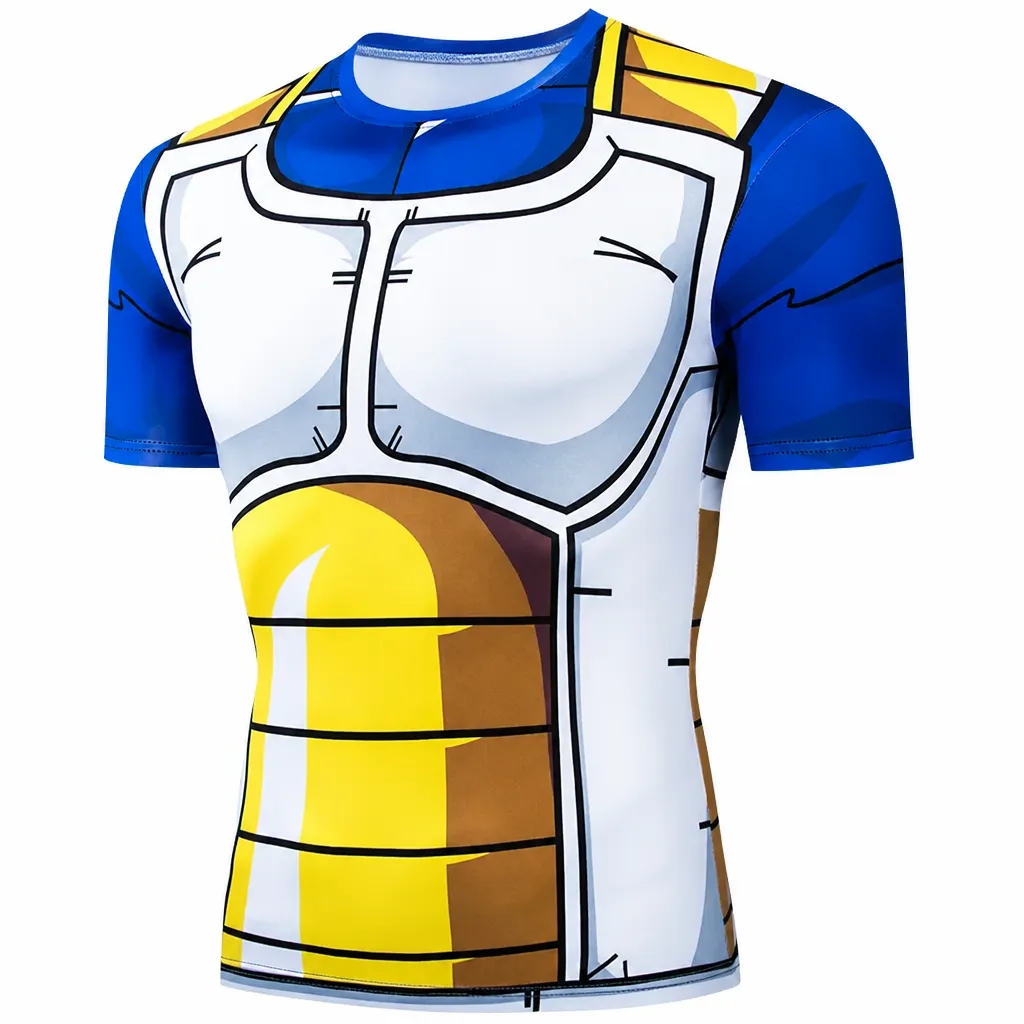
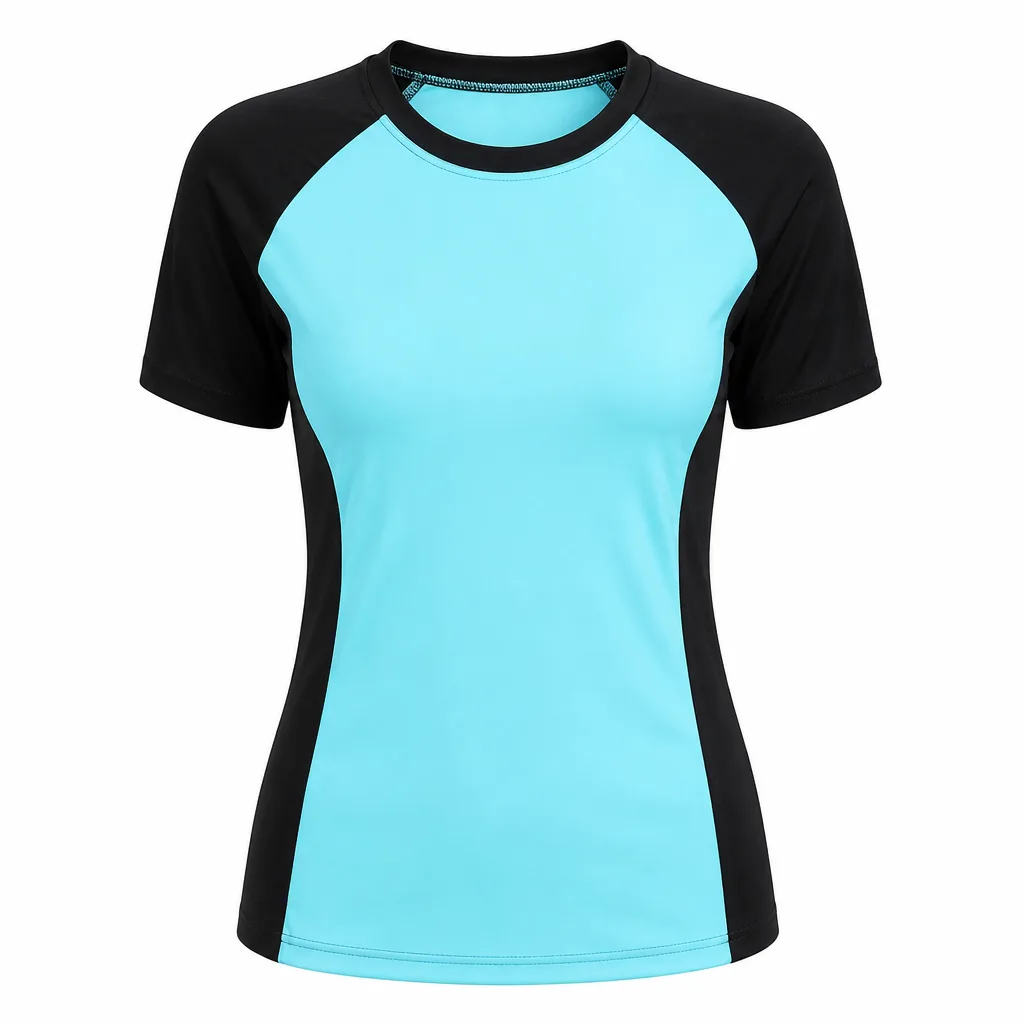
Rashguards top the list for what to wear to BJJ class for training, serving as your base layer in both gi and no-gi environments. Unlike loose t-shirts that bunch up and cause friction burns, a quality rashguard compresses to your torso, wicking sweat and shielding skin from mat abrasions. In my years coaching boxers transitioning to BJJ, I've noted how these prevent the "mat rash" that sidelines 40% of new grapplers after their first week.
Key Features and Material Breakdown
- Poly-Spandex Blends (80/20 Ratio Ideal): Brands like Hayabusa and Venum use 80% polyester with 20% spandex for four-way stretch, allowing full arm mobility in armbars without restricting blood flow. Avoid 100% cotton—they retain moisture, breed bacteria, and smell after one class.
- Anti-Microbial Treatments: Silver-infused fabrics (e.g., Polygiene in Tatami rashguards) fight odor-causing microbes, crucial for back-to-back sessions in crowded commercial gyms.
- Sublimated Graphics for Durability: Heat-pressed designs won't crack after 50 washes, unlike cheap screen prints that flake during laundry cycles.
Real-World Testing and Scenarios
For beginners in home workouts or intro classes, a short-sleeve rashguard suffices, hugging the torso without overheating. Intermediate fighters drilling shrimping and bridging benefit from long-sleeve versions that protect forearms from gi grips. Pros like those prepping for MMA tournaments swear by our BJJ rashguard collection at Apollo MMA, where IBJJF-compliant options shine in comps—flatlock seams reduce chafing under pressure.
Trade-off: Compression styles can feel restrictive at first (size up half a size for broader builds), but they excel in sweat-heavy no-gi sparring. Price-wise, expect $40-80 for gear lasting 1-2 years of 3x weekly training.
2. Bottoms That Stay Put: Grappling Shorts and Spats
No BJJ outfit is complete without bottoms designed for leg entanglements—think MMA what to wear to BJJ class versatility. Standard athletic shorts with pockets? A recipe for finger catches and referee disqualifications. Instead, opt for grappling-specific shorts or spats that prioritize grip-free surfaces and secure fit during knee rides and leg locks.
Performance Specs and Construction Insights
- 4-Way Stretch Nylon/Spandex: Fairtex and Twins models use ripstop nylon panels for tear resistance, paired with spandex gussets for hip flexion up to 180 degrees—vital for wrestling-based BJJ entries.
- Silicone Grippers: Waistband liners prevent slippage during inverted guard work, a detail pros demand after testing cheaper alternatives that roll down mid-roll.
- No-Seam Legs: Spats (full-leg rashguards) eliminate chafing for Muay Thai cross-trainers, with reinforced knees holding up to 500+ sprawls.
Training Context and Level-Specific Picks
Beginners in casual gym classes thrive with split-side grappling shorts for airflow, weighing under 4 oz to minimize drag. Advanced wrestlers or Kickboxers blending styles prefer spats under shorts for double protection in home gyms or comp warm-ups. I've coached fighters who ditched boardshorts after one torn ACL scare—now they gear up with Apollo MMA's grappling shorts lineup, where Velcro-free designs pass IBJJF no-gi rules effortlessly.
Honest caveat: Spats can overheat in humid environments (pair with breathable tops), and pricier options ($50-90) justify the cost through 2x durability over generics.
3. Protection Essentials: Mouthguard, Finger Tape, and Gi (If Required)
Beyond clothing, the best what to wear to BJJ class for fighters includes bite and joint safeguards. Mouthguards absorb impacts from accidental knees, while finger tape stabilizes knuckles strained by constant grips. For gi classes, a compliant uniform ties it all together.
Technical Details and Pro Preferences
- Dual-Layer Mouthguards: EVA gel boil-and-bite models from Shock Doctor or Impact custom-fit in 30 seconds, offering 5mm thickness for molar protection without speech slurring—essential for verbal taps in live rolls.
- 1-Inch Cotton Finger Tape: Ringside or Everlast 2.5-yard rolls with stretch provide 20-30% elasticity, preventing hyperextensions better than rigid athletic tape.
- IBJJF-Approved Gis: 450gsm pearl weave cotton (e.g., Shoyoroll or Tatami) balances weight and drying time; avoid 350gsm for pros—they rip under heavy top pressure.
Practical Applications Across Disciplines
No-gi MMA practitioners layer mouthguards with rashguard setups for sparring, while BJJ purists add gis for traditional drilling. In competition settings, I've seen tape save tournaments—fingers taped pre-class last 3x longer. Stock up via our mouthguard selection and BJJ gi collection at Apollo MMA; maintenance tip: air-dry gear post-class to extend life 50%.
Limitation: Custom mouthguards ($100+) fit perfectly but boil-fits ($15-30) suit most budgets for weekly training.
Gi vs. No-Gi: Comparison Overview
| Aspect | Gi Training | No-Gi Training |
|---|---|---|
| Core Attire | Full gi (jacket, pants, belt) | Rashguard + shorts/spats |
| Mobility | Grip-dependent; slower pace | Faster, wrestling-style speed |
| Durability Needs | Heavy weave resists tears | Stretch fabrics for leg locks |
| Best For | Traditional BJJ, beginners | MMA crossover, advanced speed |
| Cost Range | $150-300 | $80-150 |
This table highlights trade-offs: Gis build grip strength but fatigue arms quicker (ideal for Boxing/Muay Thai hybrids), while no-gi prioritizes explosiveness for Wrestling pros. Hybrids? Layer rashguards under gis for ultimate versatility.
How to Choose the Right Gear for Your BJJ Journey
Selecting what to wear to BJJ class boils down to your level, environment, and goals. Beginners: Start affordable with a no-gi kit (rashguard, shorts, mouthguard) for $100 total—focus on fit over flash. Intermediates drilling daily? Invest in antimicrobial sets for hygiene in busy gyms.
Body type matters—taller frames need longer inseams (check 7-9" shorts); stockier builds favor looser rashguards. For comps, verify IBJJF specs: white/blue gis, no logos over 20cm. Safety first: Inspect seams weekly; replace mouthguards yearly. Explore Apollo MMA's no-gi essentials for curated kits matching these criteria.
Pro tip: Test gear in a mock roll—does it shift? Smell after simulated sweat? These predict real performance.
Final Thoughts
Gearing up right transforms BJJ class from a choreographed injury risk to a fluid mastery session. Whether cross-training for MMA dominance or pure grappling passion, prioritize mobility, durability, and hygiene with insights honed from decades in combat sports. At Apollo MMA, we stock battle-tested brands like Hayabusa, Venum, and Tatami, ensuring fighters worldwide train confidently.
Ready to upgrade? Dive into our full BJJ collection today. What's your go-to setup? Drop a comment—I've got more gear breakdowns coming.
By David Thompson, Equipment Specialist & Former Boxing Coach