Best Fuji Gi Size Chart for Fighters in 2025
Back in the 1960s, when Fuji Sports first entered the martial arts scene, they revolutionized BJJ gear with gis built for durability and performance—fabrics that could withstand endless rolls without shredding. Fast forward to 2025, and Fuji remains a staple for fighters worldwide, especially those blending Brazilian Jiu-Jitsu into their MMA regimen. Yet, even with their legendary reputation, nailing the right size using the fuji gi size chart is a common pain point. I've rolled in countless Fuji gis during my 15+ years as a pro MMA fighter, and getting that perfect fit isn't just about numbers—it's about movement freedom in guard passes, armbar defenses, and sweaty sparring sessions.
If you've ever squeezed into a gi that's too tight around the shoulders during a training drill or drowned in sleeves that flap like sails mid-takedown, you know the frustration. Poor sizing leads to chafing, restricted grips, and even safety risks in high-stakes rolls. This guide delivers the best fuji gi size chart for fighters, tailored for MMA cross-trainers, pure grapplers, and everyone in between, straight from hands-on experience at Apollo MMA.
Understanding the Challenge: Why Fuji Gi Sizing Trips Up Fighters
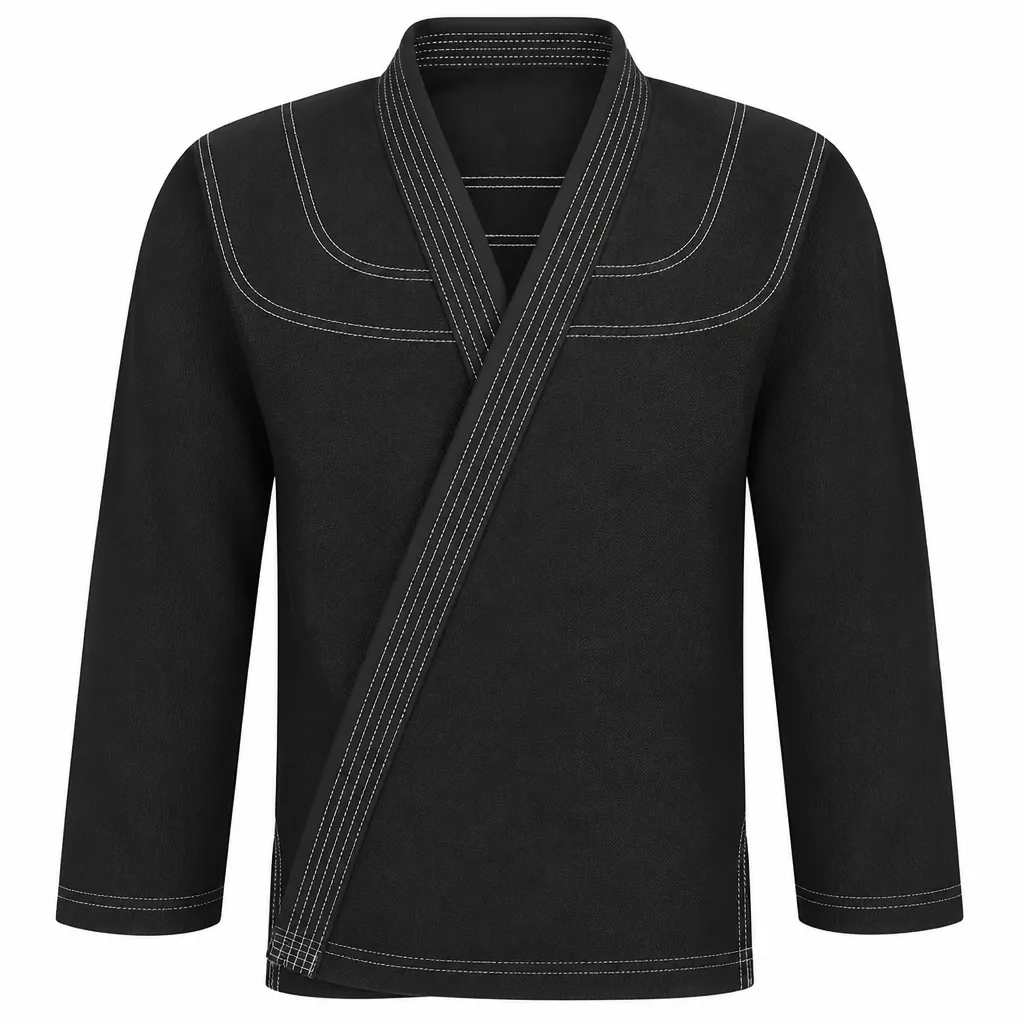
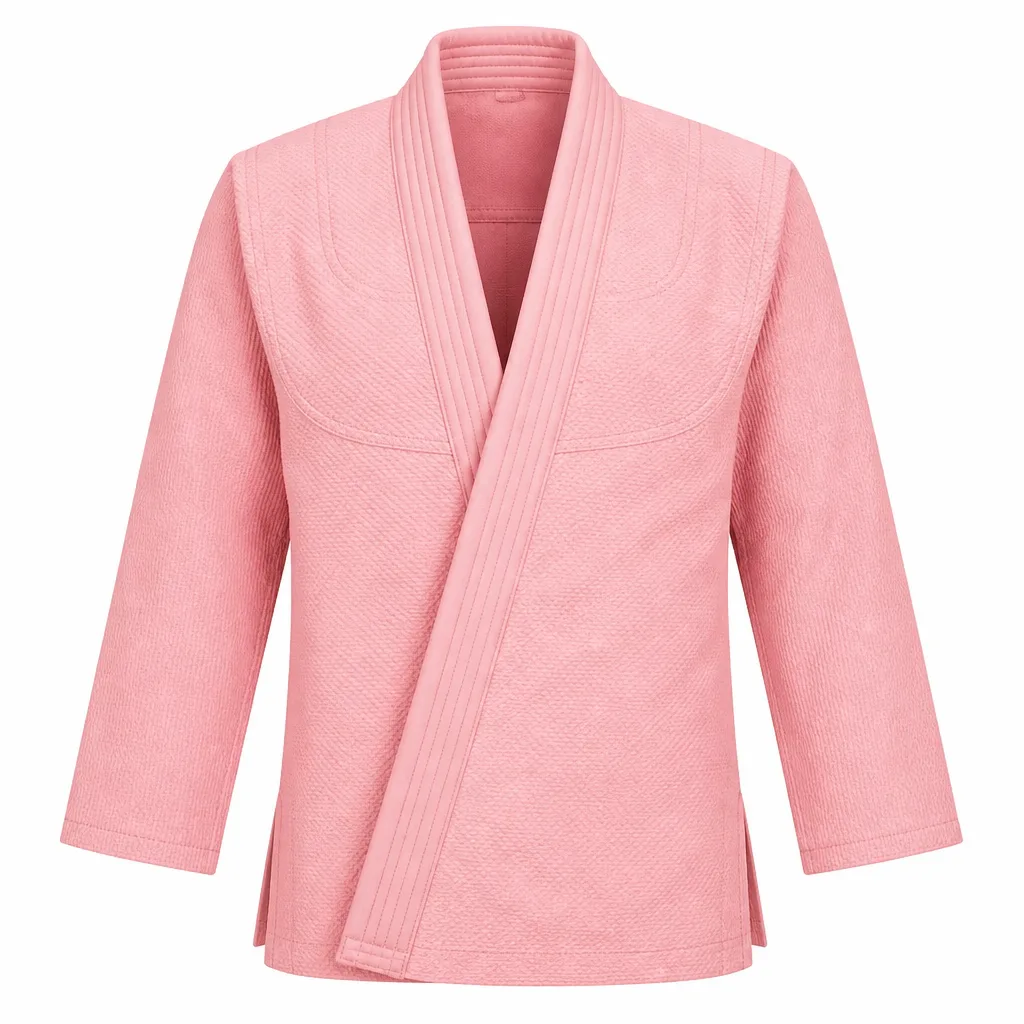
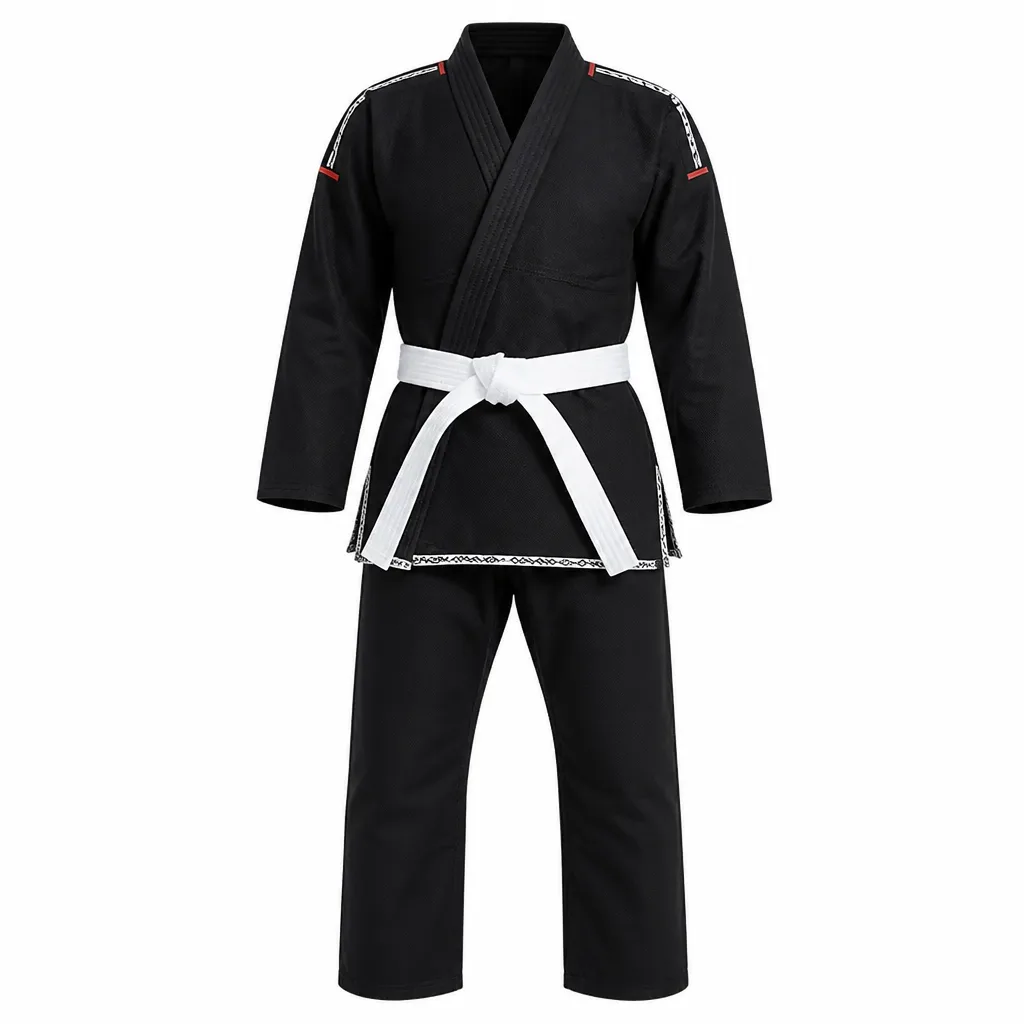
Fuji gis, like their iconic Comp or All-Around models, use a traditional pearl weave construction—typically 350-450gsm cotton that's pre-shrunk but still demands precision. Fighters aren't average gym-goers; we're built with broader shoulders from wrestling drills, thicker necks from clinch work, and varying limb lengths from kickboxing stances. A standard t-shirt size won't cut it here.
I've seen intermediate BJJ practitioners show up to class in an A3 Fuji gi that fits like a sausage casing because they eyeballed it online, only to tap early from discomfort. Pros in our fighter spotlight series echo this: one wrestler-turned-MMA fighter swapped a baggy A4 for a snug A3 after measuring properly, boosting his top control game. Challenges amplify in MMA contexts—gi training builds grip strength for no-gi takedowns, but oversizing leads to fabric bunching under fight shorts, disrupting transitions.
- Shrinkage factor: Even pre-shrunk Fuji gis can contract 5-10% post-wash, especially the heavier weaves favored for competition.
- Body type variances: Ectomorph strikers (Muay Thai/Kickboxing backgrounds) need longer sleeves; mesomorph grapplers prioritize chest room.
- Training intensity: Home gym solo drills forgive minor fit issues, but commercial gym sparring or tourney prep demands zero distractions.
Safety-wise, a gi too loose risks finger jams in sleeve grips, while one too tight compresses during chokes. For beginners dipping into BJJ via MMA camps, starting oversized leads to bad habits like loose collars. Honesty check: Fuji excels in value (under $150 often), but their sizing runs athletic—slimmer than Tatami or thicker than Shoyoroll. No chart is universal; that's why Apollo MMA's size guide pairs perfectly with manufacturer specs.
Solution Overview: The Definitive Fuji Gi Size Chart for 2025 Fighters
Enter the MMA fuji gi size chart—our curated 2025 update based on Fuji's latest releases, user feedback from Apollo MMA customers, and my cage-tested insights. This isn't a copy-paste from their site; it's fighter-optimized, factoring shrinkage, weave weights, and discipline-specific needs. Whether you're a wrestling-heavy MMA fighter using gi for grip drills or a BJJ purist prepping for IBJJF, this chart ensures mobility without excess.
Fuji's core sizes span A1 (small) to A5 (XXL), with A0 for juniors and custom options rare. Key metrics: collar-to-cuff length, chest width (laid flat), and pants inseam. Always measure in street clothes, standing tall, arms at sides. Pro tip: Fuji pants often need separate sizing—waistbands stretch but inseams don't.
| Size | Weight (lbs) | Height (in) | Jacket Chest (in) | Sleeve Length (in) | Pants Waist (in) | Pants Inseam (in) | Best For |
|---|---|---|---|---|---|---|---|
| A1 | 100-130 | 5'2"-5'6" | 22 | 29 | 26-30 | 30 | Beginner females, lighter males |
| A2 | 130-160 | 5'6"-5'9" | 23.5 | 30 | 28-32 | 31 | Most females, slim males |
| A3 | 160-190 | 5'9"-6'0" | 25 | 31 | 30-34 | 32 | Average MMA fighters |
| A4 | 190-220 | 6'0"-6'3" | 26.5 | 32 | 32-36 | 33 | Stocky grapplers, taller builds |
| A5 | 220+ | 6'3"+ | 28 | 33 | 34-38 | 34 | Heavyweights, pros |
This fuji gi size chart for training assumes Fuji's standard 450gsm Comp gi. Lighter 350gsm All-Around runs 0.5-1" larger. Trade-off: Precision fit shines in BJJ but may feel snug for Boxing/Muay Thai warmups—pair with rash guards for comfort.
Detailed Steps: How to Nail Your Fuji Gi Size in 4 Foolproof Steps
Step 1: Gather Your Measurements Like a Pro
Grab a flexible tape measure—none of those rigid rulers. Chest: Under arms, across nipples, relaxed. Sleeve: Shoulder seam to cuff, arm bent 90 degrees (mimics guard retention). Waist: At navel, pants snug. Inseam: Crotch to ankle bone. I've coached fighters who skipped the bent-arm measure, ending up with sleeves too short for americana setups. Do it post-workout for "pumped" accuracy, reflecting real training bulk.
Step 2: Cross-Reference the Fuji Chart with Your Stats
Plug numbers into our chart above. If you're 5'10", 175lbs with 24" chest? A3 jackets, A2 pants. Borderline? Size up for shrinkage—Fuji's pearl weave loves hot water washes. For MMA hybrids, prioritize jacket length for no-gi transitions; wrestling backgrounds often need A4 chests despite average height.
Step 3: Factor Discipline and Training Environment
Brazilian Jiu-Jitsu comps demand IBJJF-legal fits (sleeves to wrist bone, pants above ankle). MMA gym rolls? Slight looseness aids explosive scrambles. Home workouts forgive A-size-up for multi-session wear; commercial gyms mean frequent washes, so anticipate 3% shrink. Kickboxers crossing over: Opt slimmer waists to layer under trunks.
Step 4: Test, Wash, and Adjust
Order from Apollo MMA, wash in cold water with gi-specific detergent (like Apollo's house blend), air dry. Roll in it 3 sessions—if cuffs ride up during shrimps, exchange via our hassle-free policy. Real-world: My A3 Comp shrunk perfectly after 10 washes, gripping like iron in 5-round sims.
Expert Tips from the Mats: Marcus Silva's Fuji Gi Insider Knowledge
With thousands of training hours, here's what generic charts miss:
- For broad-shouldered wrestlers: A3/A4 hybrid—chest room prevents shoulder strain in double-unders. Seen it save elbows in long camps.
- Beginner MMA tip: Start A2 for agility drills; upgrade as muscle packs on. Avoid A1 unless sub-130lbs.
- Durability hacks: Fuji's reinforced knees hold 500+ squats, but stitch pops if pants oversized—tape hems pre-tourney.
- Maintenance for longevity: Vinegar soaks prevent dye bleed; dry flat to retain shape. Lasts 2x longer than budget brands.
- Pairing perfection: Match with Venum rash guards for no-gi days, Fairtex shin guards for Muay Thai spars. Apollo MMA bundles save 15%.
- Price-value reality: $120-160 delivers pro-level 450gsm; skip if you outgrow fast—Everlast for novices.
Advanced fighters: Fuji's Supreme (550gsm) runs true-to-size but hotter—ideal comps, not humid gyms. Safety first: Check for loose threads pre-spar; a snag mid-choke is a hospital visit waiting.
Anticipating questions: Women? A1/A2 with tailored cuts. Tall/skinny? Custom length via Apollo. Budget? Fuji beats generics in fade resistance.
Conclusion: Gear Up Right and Dominate the Mats
Mastering the best fuji gi size chart for fighters in 2025 transforms your training—from frustrating fits to fluid performance. Whether grinding BJJ for MMA edge or pure grappling glory, the right Fuji gi empowers every sweep, submission, and escape. At Apollo MMA, we stock the full Fuji lineup, backed by this guide and our ironclad returns.
Don't settle for "close enough"—measure today, order confidently, and step onto the mats inspired. Your next PR awaits. Shop our premium gis and elevate your game now.
Written by Marcus Silva, Former Pro MMA Fighter | Apollo MMA Gear Expert