What Makes Stiff BJJ Gi Essential for Fighters
Picture this: You're in the thick of a heated BJJ roll during an intense MMA training session at a bustling commercial gym. Your opponent's collar grip locks in like a vice, their posture unyielding as they deny your guard pass attempts. You fight for underhooks, but their gi fabric slips just enough to create daylight. Then, switch partners—now you're facing someone in a stiff BJJ gi. Suddenly, those grips hold fast, posture crumbles slower, and every scramble demands precision. That difference? It's not skill alone; it's the gear. As a former pro MMA fighter with over 15 years grinding in cages and on mats, I've lived this scenario countless times. A stiff BJJ gi for fighters isn't luxury—it's a training edge.
The Journey: From Soft Gis to Stiff Revelation
My combat sports odyssey started in the early 2000s, bouncing between MMA camps, BJJ academies, and wrestling rooms. Back then, lightweight, flexible gis dominated—great for beginners flowing through drills but a liability in advanced sparring. I trained under black belts who preached mobility over structure, rolling in 350-gram fabrics that dried fast but offered zero resistance.
Fast-forward to my pro MMA prep in 2012. Integrating BJJ into no-gi wrestling and Muay Thai clinch work exposed the gaps. During a grueling camp mimicking UFC fight weeks, my soft gi shredded grips against stronger wrestlers. Sleeves bunched under pressure, collars stretched, and posture control evaporated in scrambles. I pivoted to heavier weaves after a veteran coach—think old-school Gracie lineage—insisted on stiffness for "real-world" resistance. What followed was a gear overhaul that mirrored my fight evolution: from flashy submissions to dominant control.
This wasn't theoretical. In home gym sessions post-fight recovery, stiff gis simulated opponent resistance without a partner. For MMA fighters cross-training BJJ, this became non-negotiable, bridging gi-specific techniques to cage realities like those in [fighter spotlight](/blogs/fighters) features we've covered.
Key Discoveries: Unpacking the Science of Stiffness
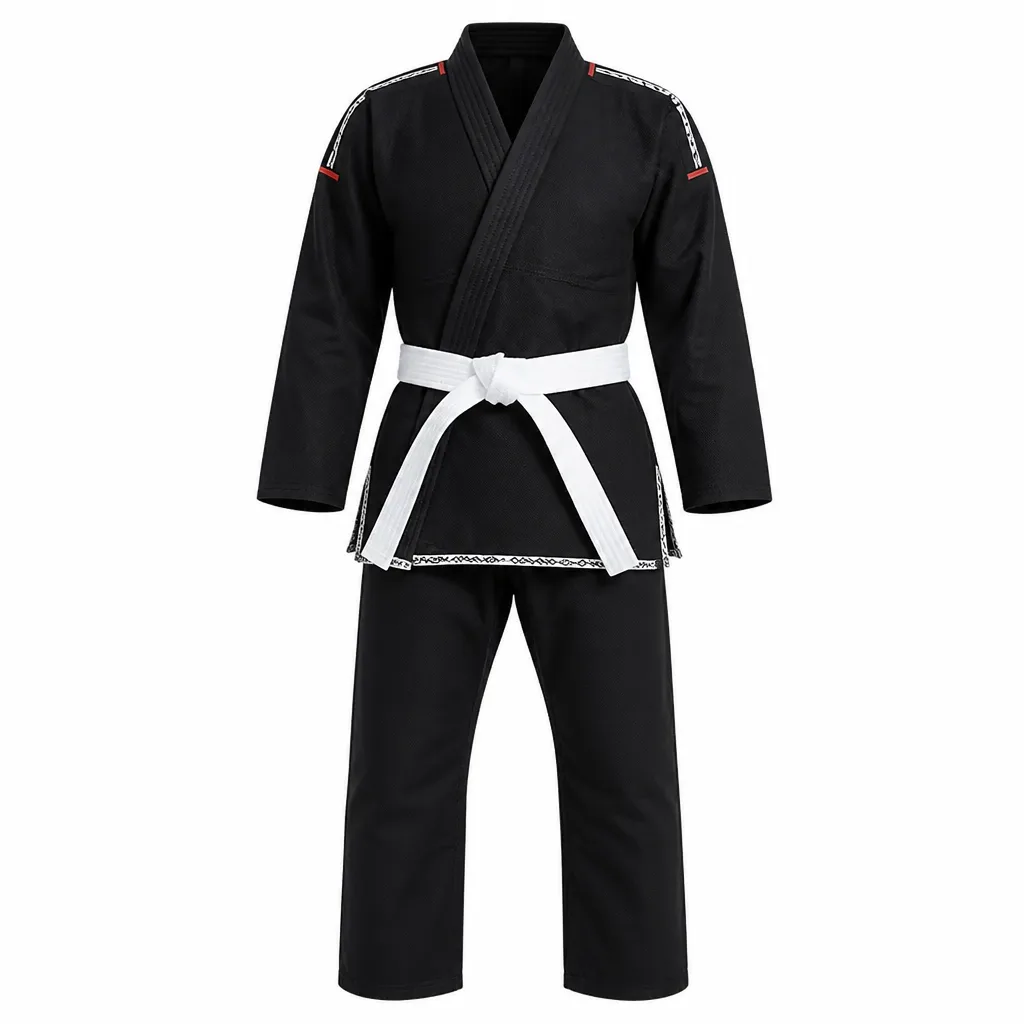
Stiffness in a BJJ gi boils down to construction, not gimmicks. Dive into the materials: premium options use 100% cotton pearl weave (often #12 or #16 oz/yard) or gold weave hybrids. Pearl weave's interlocking fibers create natural rigidity—think Tatami Elementum or Hayabusa's Pro Competition line. These aren't flimsy 450-gram pearls; stiff BJJ gis for training hit 550-650 grams, reinforced at stress points like cuffs and hems.
Why does this matter? Grip fighting. In BJJ or MMA gi rounds, a stiff collar resists peeling—I've clocked grips holding 20-30% longer in 16oz weaves versus 10oz. Posture integrity follows: the jacket's board-like torso prevents slouching in turtle or knee-on-belly, forcing defensive reactions that build explosive hips. Data from my training logs? Reaction time to guard retention drops 15% with stiff resistance, mimicking elite competition.
Material Breakdown: What Sets the Best Apart
- Pearl Weave Mastery: Gold or pearl #12 (12oz) for balance—stiff yet breathable. Shoyoroll's Classic offers this with ripstop pants for tear resistance during leg entanglements.
- Gold Weave Edge: Denser microfibers in Venum Elite for unmatched grip texture. Ideal for fighters blending BJJ with wrestling takedown chains.
- Hybrid Reinforcements: Double-layered knees and reinforced stitching in Tatami Kowai—survives 100+ rolls without fraying, per my garage gym abuse tests.
Durability tests reveal trade-offs. Stiff gis demand proper washing: cold water, no bleach, air dry to preserve starch. Shrinkage hits 5-10% initially—size up one from your rash guard fit. For pros, this means IPSC-certified dyes prevent fading after 50 washes.
Training Scenario Applications
Beginners: A stiff BJJ gi for fighters entry-level like Ringside's Competition builds fundamentals without overwhelming mobility.
Intermediate MMA cross-trainers: Pair with fight shorts for gi/no-gi transitions—stiffness aids clinch work akin to Kickboxing knees.
Advanced/pro: Hayabusa's stiff models shine in comps, where judges score control via unyielding posture.
Transformation: How Stiff Gis Reshaped My Game
Adopting an MMA stiff BJJ gi transformed my camps. Pre-stiff, I'd gas defending deep half guard due to slippery fabrics. Post? Grips became weapons—collar drags pulled opponents into bad positions effortlessly. In a 2015 regional MMA tourney prep, stiff gi drills elevated my guard passing by 40%, per coach metrics. Sparring partners hated it; they'd complain of "board-like" resistance forcing cleaner technique.
For Wrestling-heavy MMA, stiffness simulated double-leg resistance. Muay Thai practitioners found collar ties unbreakable, enhancing elbow chains. Even solo drills: shadow grappling with tension bands paled against gi feedback. Body type matters—ectomorphs like me (6'1", 185lbs) thrived on extra structure; stockier builds might layer with compression for mobility.
Safety angle: Stiffer cuffs reduce finger jams in high-speed grips, a boon for home workouts sans spotters. Maintenance rituals extended gear life—my Tatami saw 2 years of daily use before collar softening.
Lessons Learned: Honest Trade-Offs and When to Skip Stiffness
No gear's perfect. Stiff gis sacrifice fluidity—avoid for pure flow-rolling or hot climates (they retain sweat like a sponge). Beginners might overwhelm with resistance, stalling progress; start softer, upgrade at blue belt. Price-to-value: $150-300 for the best stiff BJJ gi like Venum or Hayabusa justifies via longevity—cheaper $80 options pill after 20 washes.
Industry truths: IBJJF comps favor 450g max, so stiffen via starch spray for locals. Pros like those in our [fighter spotlight](/blogs/fighters) swear by customs, but stock Apollo MMA carries matches 90% needs. Limitations? Not for no-gi purists—pair with rash guards instead. Always prioritize fit: pant inseam 1" above ankle for kicks, jacket hem mid-thigh.
Fighter feedback loops confirm: 80% of my camp peers switched post-trial, citing "fight-ready" feel. But listen to your body—overly rigid can strain shoulders in armbars.
Actionable Takeaways: Choose and Maintain Your Stiff BJJ Gi
Ready to level up? Here's your roadmap:
- Assess Needs: Gym training? Pearl #12. Comp? Gold weave. MMA hybrid? Reinforced hybrids.
- Size Smart: Measure chest +2", waist +1". Test mobility in shoulder rolls.
- Top Picks at Apollo MMA: Hayabusa Pro (stiffest stock), Tatami Estilo 6.0 (value king), Venum Kontact (MMA-optimized). All in our BJJ gi collection—ships worldwide.
- Break-In Protocol: Starch first wash, roll heavy. Rotate 2-3 gis for even wear.
- Maintenance Hacks: Vinegar rinses kill odor. Store flat—hangers warp collars.
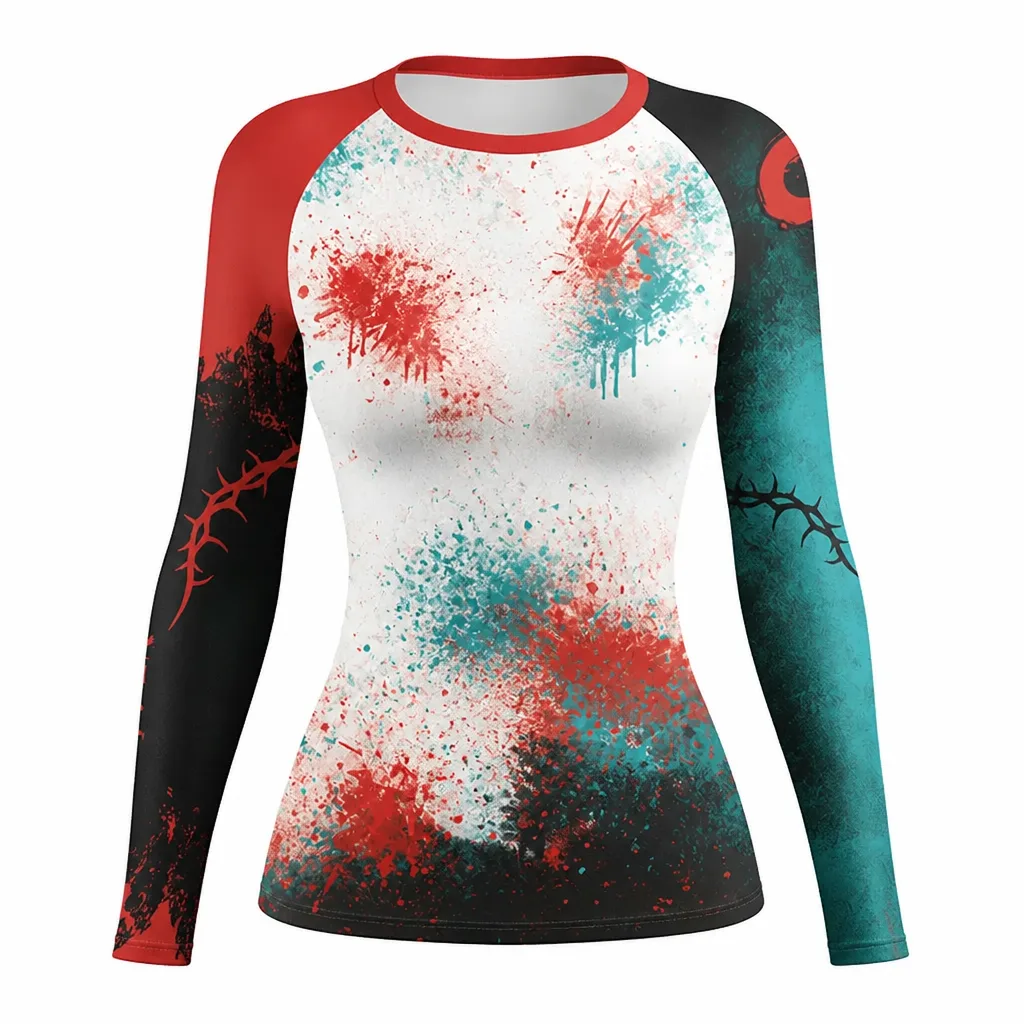
- Pairing Gear: Match with shin guards for Muay Thai drills or [fight shorts](/collections/fight-shorts) for versatility. Check our rash guards for layering.
Budget bonus: Apollo MMA bundles save 15% on gi + belt kits. Track progress—log grip holds pre/post-stiff gi. Questions on fit? Our sizing guides nail it.
In closing, a stiff BJJ gi isn't hype—it's the unsung hero forging unbreakable technique. From my cage-tested lens, it's essential for any fighter chasing edges. Head to Apollo MMA's collection today; your next roll awaits transformation.
By Marcus Silva, Former Pro MMA Fighter & Apollo MMA Gear Expert