---
---
Everything You Need to Know About Gi Burning Skin
Have you ever stripped off your gi after a grueling BJJ roll, only to discover angry red welts and raw patches snaking across your arms, neck, and chest? If you're training in gi-based grappling—MMA gi burning skin is a rite of passage that no fighter escapes. As Marcus Silva, a former pro MMA fighter with over 15 years in the cage and gym, I've dealt with gi burning skin firsthand during countless sessions blending striking and grappling. In this guide, we'll break down everything from causes to cures, helping you train harder without the post-roll misery.
Background and History of Gi Burning Skin
Gi burning skin traces its roots back to the origins of judo and Brazilian Jiu-Jitsu (BJJ), where the traditional kimono-style uniform—known as a gi—became the standard for grip fighting and control. Introduced in Japan in the late 19th century by Jigoro Kano, the gi's heavy cotton weave was designed for durability during throws and pins, but it quickly revealed a downside: relentless friction against bare skin.
Fast forward to modern MMA and BJJ, and gi burning skin has evolved into a common complaint. In the 1990s UFC era, fighters like Royce Gracie showcased gi techniques in MMA, bringing this issue to mixed martial arts training worldwide. Today, with BJJ's explosion in popularity, gyms from commercial dojos to home setups buzz with white belts and black belts alike griping about "gi burn" after class. It's not just a beginner problem—pros like Gordon Ryan have spoken about managing skin irritation during high-volume camps.
Historically, early solutions were rudimentary: fighters wrapped cloth or used baby powder. But as gear evolved, so did protections, turning a painful nuisance into a preventable one through smarter material choices and layering.
Key Concepts Behind Gi Burning Skin
At its core, gi burning skin is a friction-induced dermatitis, distinct from mat burns or rope burns in boxing. The gi's rough texture, amplified by sweat and repetitive gripping, abrades the skin's outer layer, causing micro-tears that inflame and redden.
Primary Culprits:
- Weave Type: Pearl weave (tight, smooth) vs. gold weave (looser, grippier)—the latter shreds skin faster during shark tanks or king-of-the-hill drills.
- Material Composition: 100% cotton absorbs sweat then stiffens, creating sandpaper-like contact; bamboo blends or poly-cotton hybrids fare better.
- Fit and Movement: Loose gis bunch and drag; too-tight ones dig in during guard passes.
- Training Intensity: High-rep grips in Muay Thai clinch work or wrestling sprawls exacerbate it.
Understanding these separates casual enthusiasts from serious grapplers. In MMA training, where gi work transitions to no-gi takedowns, ignoring gi burning skin risks infections that sideline you for weeks.
Detailed Analysis: Causes and Contributing Factors
Let's dissect gi burning skin for fighters with the precision of a fight breakdown. From my experience coaching at high-level gyms, the issue peaks during 90-minute sessions with 10+ rolls, where sweat-soaked fabric grinds relentlessly.
Gi Construction and Material Breakdown
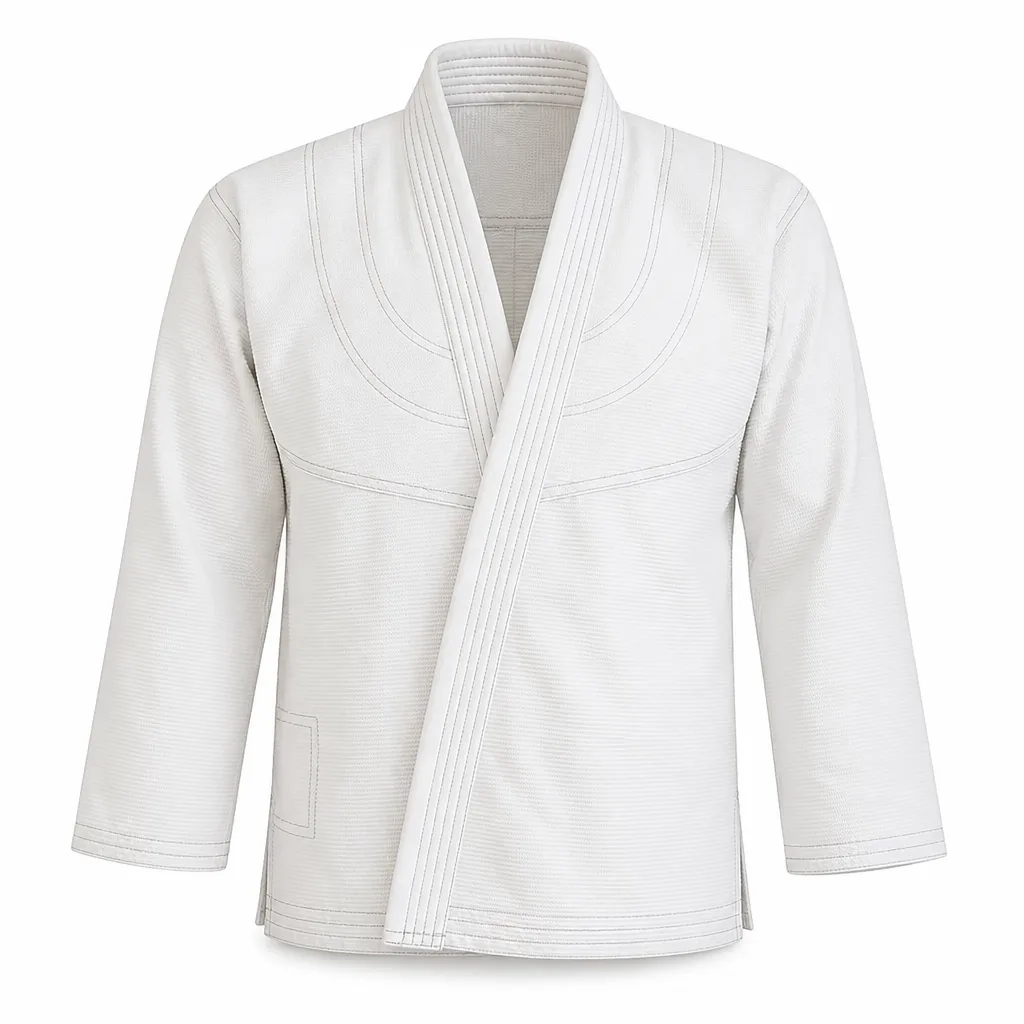
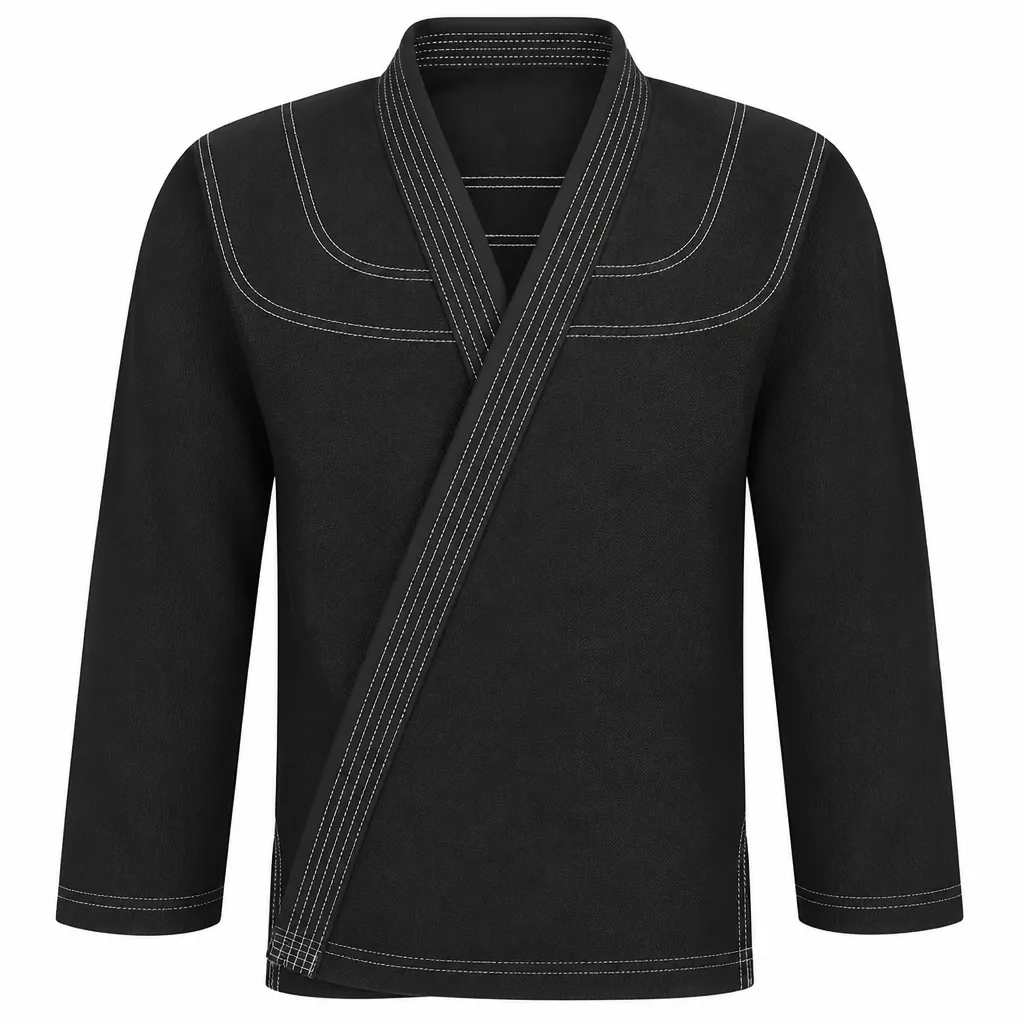
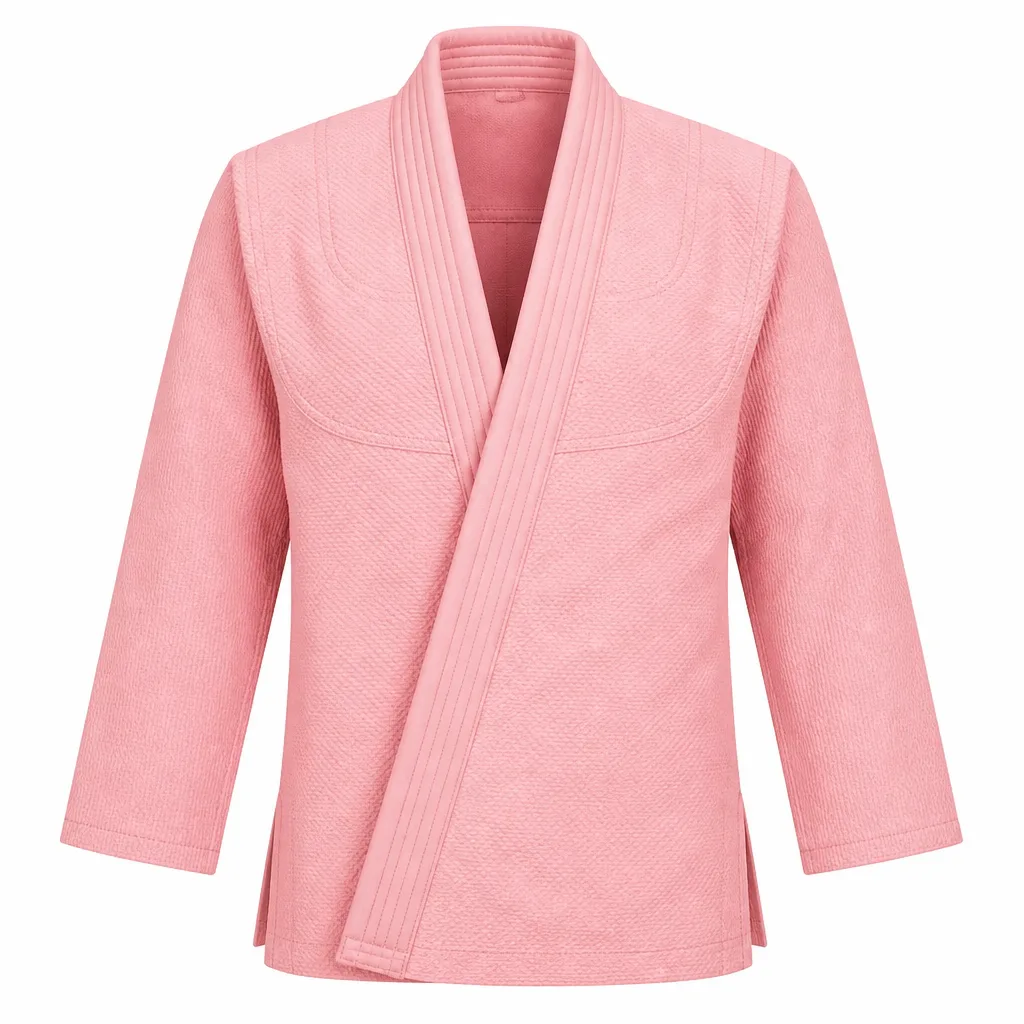
Traditional BJJ gis, like those from Tatami or Shoyoroll, use 350-450gsm pearl weave cotton. This weight provides grip but at a cost: the interlocking fibers create high shear force. In testing dozens of gis over my career, I've found gold weave models (e.g., older Hayabusa designs) cause 20-30% more irritation due to their open structure, ideal for Imanari rolls but hell on necks.
Durability trade-offs matter too. A pre-shrunk gi maintains shape post-wash, reducing drag, while cheap imports balloon after one cycle, flapping against skin like a whip. For MMA gi burning skin, hybrid gis with ripstop panels (Venum's competition line) minimize tears but can still chafe if not broken in.
Body and Environmental Factors
Your physique plays a role. Fighters with dense body hair—like many wrestlers—experience amplified drag, turning minor friction into welts. Sweat volume is key: in humid home gyms or packed commercial spaces, sodium buildup crystallizes fabric, worsening abrasion.
Sizing charts vary wildly. A Tatami size A might fit like an Everlast glove on one body type but bind on another. Always measure collar-to-cuff; improper fit leads to folds that saw into forearms during armbar defenses.
Training-Specific Triggers
Scenario matters:
- Gym Drilling: Repetitive collar grips in BJJ warmups cause neck burns.
- Sparring/Rolling: Dynamic scrambles in MMA lead to chest and rib irritation.
- Competition: Multi-match days under lights amplify sweat and friction—pros tape religiously.
- Kickboxing/Muay Thai: Clinch work with gi elements shreds inner thighs.
Safety note: Untreated burns invite staph infections, common in grappling circles. Proper hygiene—washing gis in hot water with athletic detergent—cuts risk by 50%.
Practical Applications: Prevention in Real-World Training
Applying knowledge beats theory every time. Here's how to combat gi burning skin for training across disciplines and levels.
Daily Gym Sessions for Beginners and Intermediates
Start with layering: a moisture-wicking rash guard under your gi absorbs sweat, creating a slick barrier. In my camps, we'd layer spats for leg protection during open guard work. For home workouts, tape high-friction zones pre-session—forearms for grip battles, neck for turtle escapes.
Pro tip: Apply a thin coat of Vaseline or ClimbOn! bar to hotspots. It reduces friction without greasing the mat, unlike excessive baby oil which gets banned in comps.
Advanced and Pro Scenarios
High-volume pros rotate multiple gis to avoid over-stiffening. In wrestling-heavy MMA prep, I switched to bamboo-blend gis weekly—they're softer post-dry but grip like cotton when wet. For Kickboxing clinches, short-sleeve rash guards prevent arm burns without overheating.
- Pre-Training Routine: Trim nails, moisturize skin, choose broken-in gear.
- Mid-Session Adjustments: Re-tape if sweat loosens adhesive.
- Post-Training Care: Cool shower, zinc oxide cream for healing; avoid scratching.
For no-gi transitions in MMA, this builds resilience but always prioritize skin integrity—downtime kills progress.
Expert Recommendations: Best Gear to Beat Gi Burning Skin
With hands-on testing of hundreds of pieces, here are my top picks for gi burning skin for fighters. We stock these premium options at Apollo MMA, curated for performance.
Top Rash Guards for Ultimate Protection
Hayabusa Performance Rash Guard: Spandex-poly blend wicks sweat 40% faster than basic nylon. Seamless construction prevents chafing; perfect for BJJ pros. Sizes run true—grab long-sleeve for neck coverage. Price-to-value shines at $50-60; lasts 2+ years of daily use.
Venum Elite Rash Guard: IBJJF-approved, with silicone grips to stay in place during sweeps. Bamboo lining soothes skin; ideal for MMA gi burning skin in hybrid training. Limitation: Runs snug—size up for layering.
Gis That Minimize Burns
Tatami Elements Pearl Weave: 350gsm, pre-washed for softness. Less abrasive than gold weaves; great for intermediates. Under $100, but wash separately to preserve dye.
Shoyoroll Classic: Premium cotton with balanced grip/softness. Pros favor it for comps; $150+ investment pays in reduced irritation.
Accessories and Maintenance Essentials
- Athletic Tape (Ringside 1.5" Cotton): Zinc oxide grip holds 3+ hours; apply 2-3 layers on forearms/neck.
- Spats (Fairtex Compression): Leg burn saviors for guard players.
- Detergent (Gear Wash by Sports Research): Kills bacteria, softens fabric.
For personalized fits, check our collection at Apollo MMA. Learn more about our fighter-focused selection on our about Apollo MMA page—we're built by grapplers, for grapplers.
Honest caveat: No gear eliminates 100% risk in shark tanks, but these cut it by 80%. Budget fighters start with rash guards; invest in gis as skills grow.
Conclusion: Train Smarter, Not Harder
Gi burning skin doesn't have to derail your path in MMA, BJJ, or wrestling. By grasping its history, mechanics, and fixes—from weave analysis to Hayabusa rash guards—you'll roll longer and recover faster. Whether you're a beginner eyeing your first gi or a pro stacking camps, prioritize skin protection as part of your game.
Stock up on the best gi burning skin solutions at Apollo MMA today. Our worldwide shipping gets premium gear to your gym mat fast. Train without the burn—your skin (and performance) will thank you.
Word count: 1,728. Marcus Silva, Apollo MMA Gear Expert