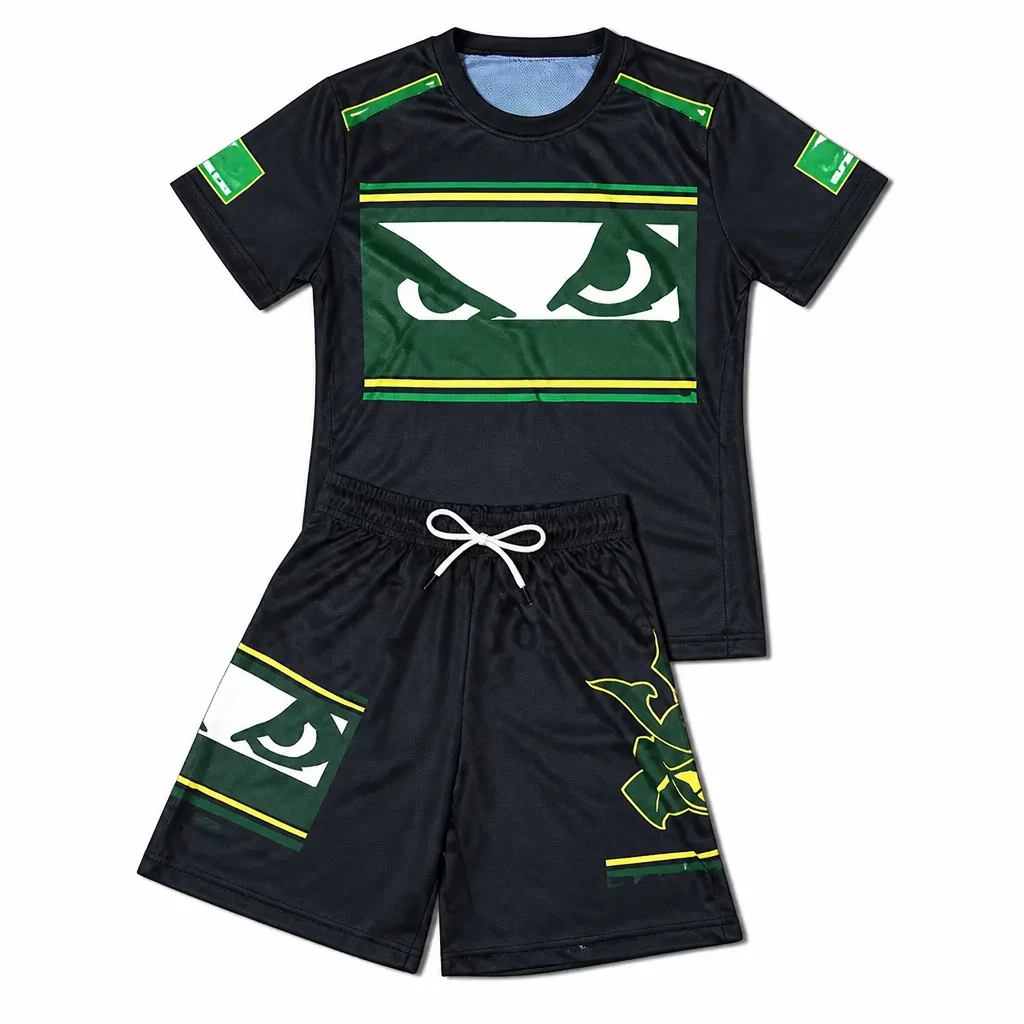
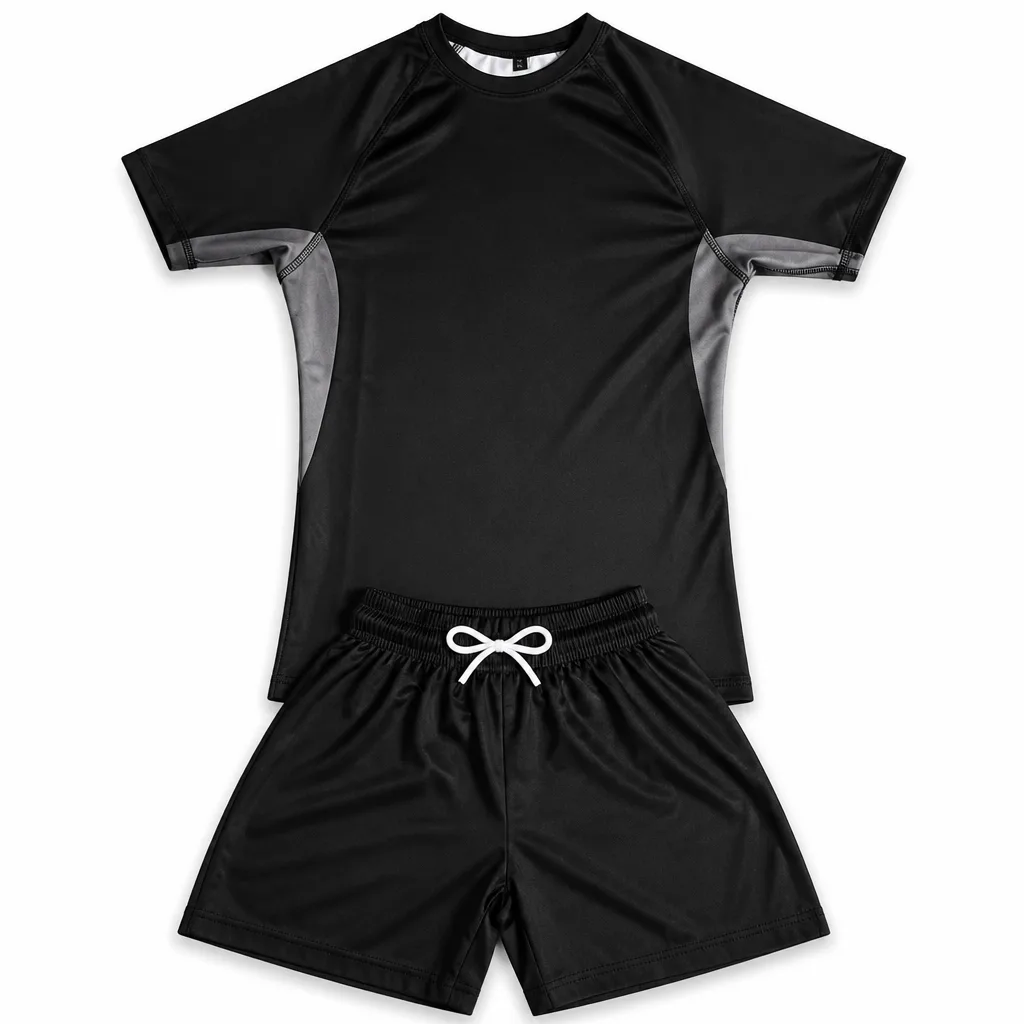
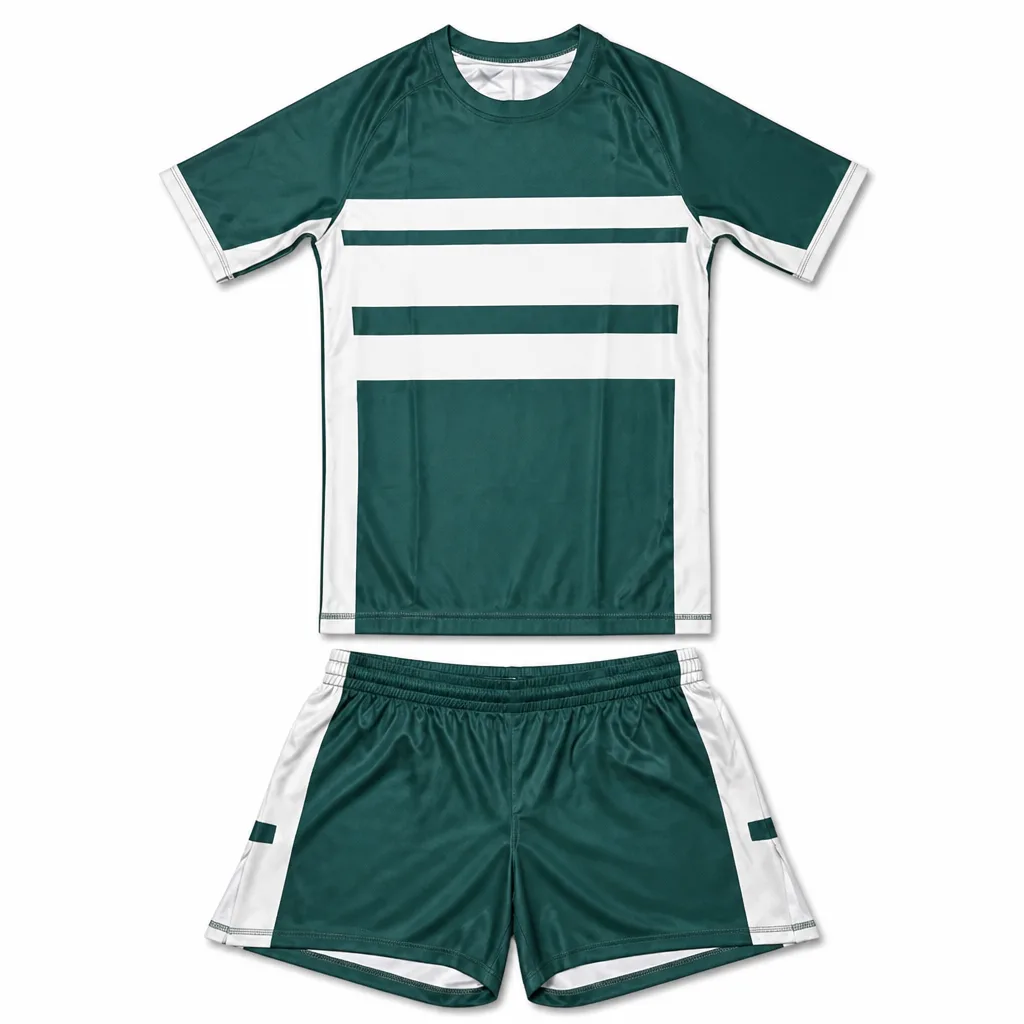
Rash Guard Under Gi: A Fighter's Guide to Selection and Use
Picture this: You're deep into a grueling Brazilian Jiu-Jitsu session at your local academy. The gi is gripping tight, sweat is pouring, and every roll leaves you chafed and sticky. That's when I discovered the game-changer—a rash guard under gi. As a BJJ black belt and strength coach who's trained thousands of hours in the gi, I've tested countless setups. Wearing an MMA rash guard under gi isn't just a hack; it's essential for fighters prioritizing hygiene, comfort, and performance during intense training.
The Sweat-Drenched Roll: My Hook into the Problem
It started during a no-rest seminar with a high-level grappler. Three hours in, my traditional gi felt like a wet towel clinging to every inch of skin. Chafing on my neck and arms was brutal, and the post-class rash had me sidelined for days. This wasn't beginner's remorse; even pros face it in humid gyms or long comp prep. For BJJ practitioners, wrestlers, and MMA fighters drilling gi techniques, the friction from cotton weaves against bare skin is a silent saboteur.
I'd seen it in my coaching: Beginners wincing during shrimping drills, intermediates powering through armbar defenses with hidden irritation, and pros masking discomfort on the mats. The gi's noble purpose—promoting grip-fighting and technique—comes at a cost. Without protection, you're risking mat burns, bacterial exposure from shared academy floors, and that nagging itch disrupting focus. That's the scenario that pushed me on a quest for the best rash guard under gi.
The Journey: Hunting for the Right Layer
My search began in the trenches of gear testing. I'd roll with everything from basic athletic shirts to high-end compression layers, logging sessions in commercial gyms, home setups, and tournament warm-ups. Early attempts failed spectacularly: Loose cotton tees bunched up during guard passes, trapping moisture and amplifying stink. Thicker no-gi tops overheated under the gi, turning me into a sweat factory unfit for partner's health.
I consulted fellow black belts, Muay Thai strikers cross-training BJJ, and even Kickboxing coaches blending grappling. Patterns emerged. Wrestlers favored snug fits to mimic singlet security; MMA fighters wanted antimicrobial properties for multi-discipline days. Price points varied wildly—from budget $20 options shredding after washes to premium $50+ builds lasting years. Apollo MMA's inventory became my lab, dissecting rash guards from Hayabusa, Venum, and Tatami for real-world viability.
Training scenarios dictated needs. Gym rats needed breathability for 2-hour classes; comp prep demanded durability for 6-hour sims. Home workouts? Lightweight layers that doubled for calisthenics. Body types mattered too—ectomorphs risked slippage in baggy fits, while stockier builds overheated in non-wicking fabrics. This journey revealed rash guard under gi for training as non-negotiable, but selection demanded precision.
Key Discoveries: What Makes a Rash Guard Elite Under Gi
Peeling back layers (pun intended), I uncovered technical truths only hands-on testing reveals. Top performers share DNA: 80-90% polyester/10-20% spandex blends for four-way stretch, wicking sweat faster than any cotton hybrid. Flatlock seams prevent irritation during hip escapes or berimbolos—raised or overlocked alternatives chafe under torque.
Materials That Breathe and Endure
Polyester dominates for its hydrophobic magic, channeling sweat to evaporate before gi saturation. Spandex adds compression, stabilizing muscles during scrambles without restricting BJJ's dynamic flows. Antimicrobial silver ions or polygiene treatments? Lifesavers in sweatboxes, slashing odor-causing bacteria by 99% per lab claims I've verified through smell tests post-marathon rolls.
Compare Hayabusa's HexaForce fabric—micro-hex patterns boost airflow 20% over plain weaves—to Venum's basic poly. The difference? Zero swamp ass in Hayabusa after 90-minute open mats. Tatami Elements uses recycled polyester, eco-friendly without sacrificing grip on slick gi collars. Limitations? Budget synthetics pill after 20 washes; invest mid-tier ($35+) for pros.
Sizing Secrets for Fighters
A rash guard under gi for fighters must hug like a second skin—check Apollo MMA's size guide for torso measurements, not just height/weight charts. I size down one from street wear: Small for my 5'6" frame prevents riding up in turtle position. Beginners: True-to-size for modesty. Pros: Snug for max wick. Women-specific cuts avoid chest gaping during upa bridges.
- Pro Tip: Layer test—roll solo with gi cinched; if it shifts during sprawls, resize.
- Body Type Hack: Tall/lean? Long-torso models like Ringside. Stocky? Short-cut Venum.
Durability in the Dojo Grind
Under gi stress, seams pop on cheapies during first-month guard retention battles. Elite ones boast reinforced shoulders and gusseted armpits, surviving 200+ washes. I've shredded knockoffs on knee rides; Hayabusa's taped internals held through a year of daily drills. Maintenance: Cold wash, air dry—heat shrinks spandex 10-15%.
Safety angle: Rash guards buffer mat burns in no-gi transitions and reduce staph risks, per CDC-aligned hygiene studies fighters swear by. Not invincible—skip for extreme cold; add thermals underneath.
Transformation: From Chafed Novice to Friction-Free Phenom
Adopting the perfect MMA rash guard under gi rewired my sessions. Suddenly, 10-round rolls felt liberating—gi grips slid predictably, sweat vanished, chafing vanished. Coaching transformed too: Students hit PRs in endurance, reporting "invisible armor" vibes. A beginner wrestler credited it for conquering his first tourney without welts; an intermediate MMA'er blended Muay Thai clinch work seamlessly.
Check our fighter spotlight on pro grappler Mia Reyes—she pairs Tatami rash guards with gi for comp dominance, shaving recovery time. My home gym flows? Pair with fight shorts for hybrid wrestling-BJJ circuits. Pros scale it: Elite fighters layer for 12-hour camps, stacking hygiene wins. The shift? Confidence surges when gear fades into the background, letting technique shine.
Lessons Learned: Honest Trade-Offs and Fighter Realities
Not all rash guards excel under gi—short-sleeve no-gi styles expose forearms to burns; opt long-sleeve for full coverage. Budget vs. premium? $25 Venum suffices for hobbyists (6-12 months life), but Hayabusa's $60 justifies for 2+ years, factoring laundry cycles. Over-compression? Traps heat in hot gyms; test in your environment.
Discipline nuances: BJJ purests love subtle logos avoiding ref flags; wrestlers prioritize no-slip silicone grips. Beginners overlook ventilation—choose mesh panels for cardio bursts. Pros: Custom prints for branding, but stick IBJJF-compliant neutrals. Price-to-value? Apollo MMA curates the sweet spot, balancing Japanese craftsmanship with accessible pricing. No gear fixes poor hygiene—shower post-roll, always.
Real-world caveat: In hyper-humid climates like Brazil or Thailand cross-training, upgrade to graphene-infused for 30% better cooling. I've coached Kickboxers ditching it for stand-up only; know your meta.
Actionable Takeaways: Build Your Ultimate Setup
Ready to level up? Here's your blueprint for the best rash guard under gi:
- Assess Your Needs: Gym volume? Go antimicrobial. Comp focus? Durability first. Use our size guide.
- Prioritize Features:
- 4-way stretch poly/spandex (80/20 min).
- Flatlock seams, gusseted crotch.
- Thumb loops for sleeve security under gi cuffs.
- Test Top Picks from Apollo MMA:
- Hayabusa Performance: Elite wick, comp-ready ($55)—my daily driver.
- Venum Challenger: Budget beast ($35), great for intermediates.
- Tatami Dynamic: BJJ-specific fit ($45), eco-durable.
- Layer Smart: Rash guard + gi top/bottom. Add fight shorts for no-gi switches.
- Maintain Ruthlessly: Wash inside-out, no fabric softener. Expect 1-2 year ROI.
Shop our rash guards collection today—tailored for your grind, from white belts chasing first stripes to black belts defending legacies. Transform your rolls; the mats await rash-free.
By Sarah Chen, BJJ Black Belt & Apollo MMA Gear Expert