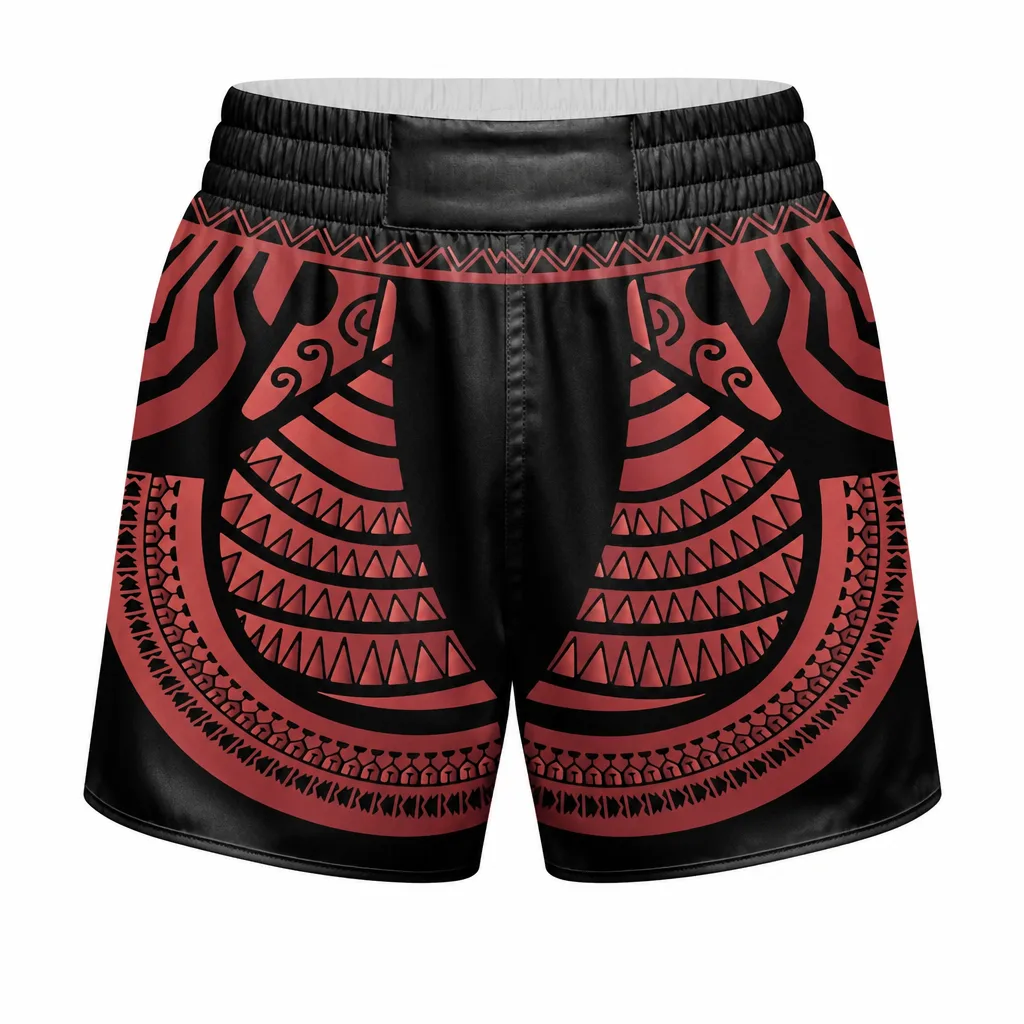
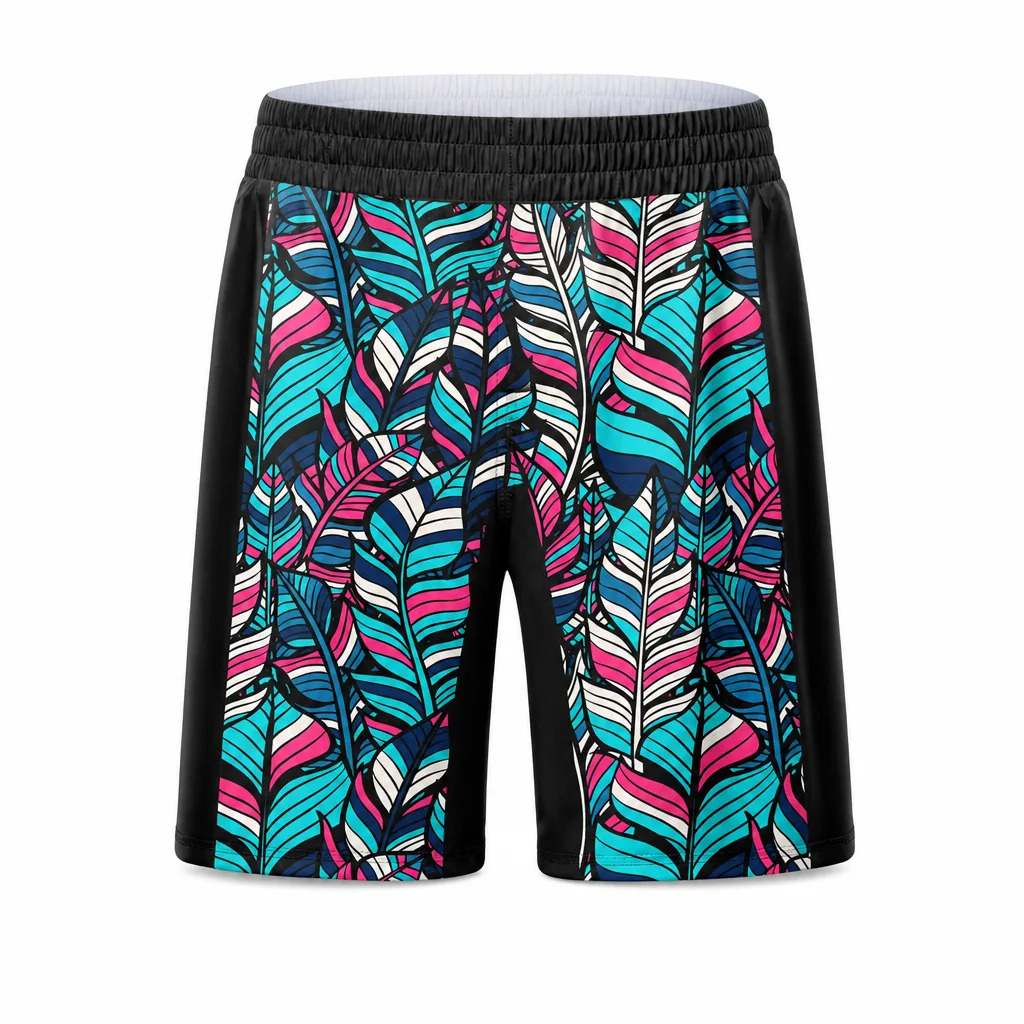
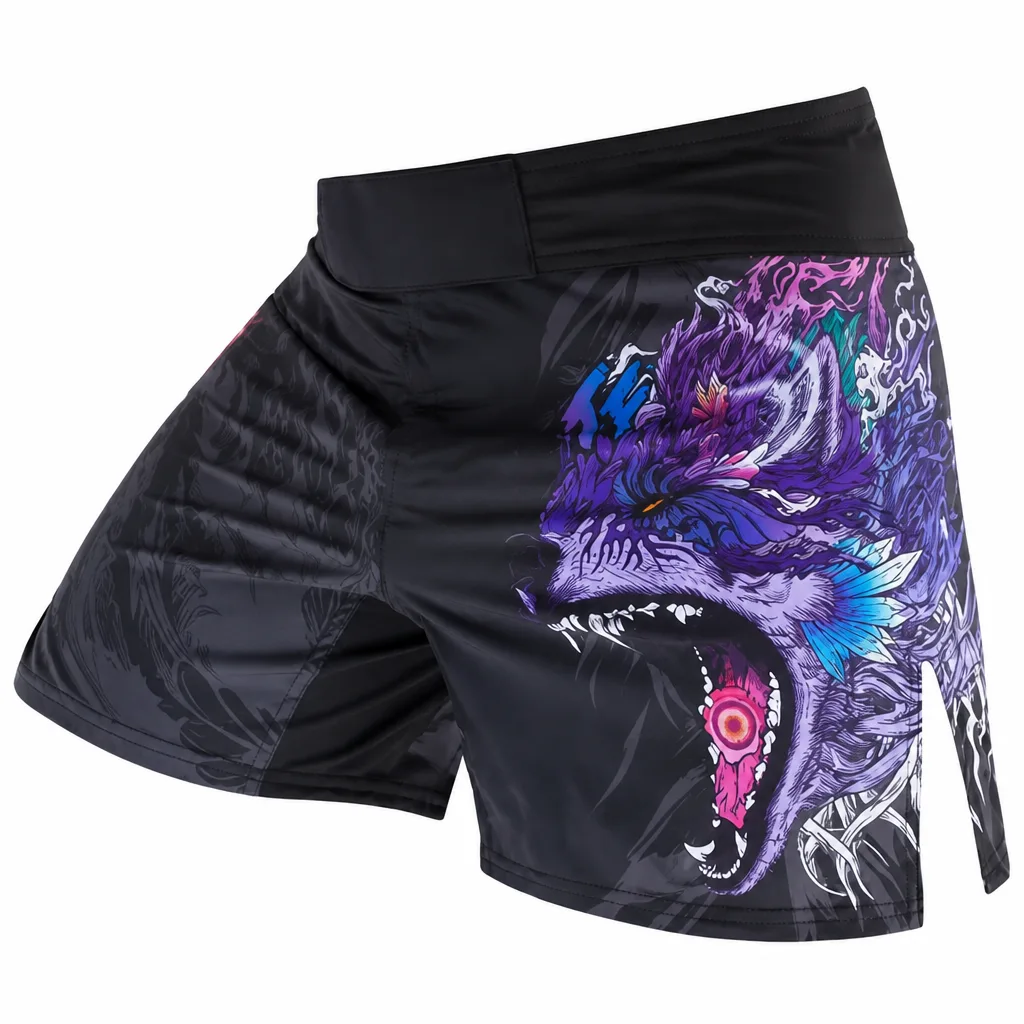
The Complete Guide to Fight Shorts No Velcro
Introduction
Back in the early days of MMA, fighters like Royce Gracie and early UFC pioneers rocked baggy board shorts borrowed from surfing culture. These were fine for stand-up exchanges but became a liability on the ground—fabric bunching up, seams ripping during takedowns, and yes, Velcro straps snagging on opponents' gear or mats. Fast forward to today, and fight shorts no velcro have become the gold standard, especially in mixed martial arts where grappling reigns supreme. As Marcus Silva, a former pro MMA fighter with over 15 years in the cage and gym, I've tested countless pairs during brutal training camps and fights. This guide dives deep into why MMA fight shorts no velcro dominate, drawing from my hands-on experience to help you choose gear that performs when it counts.
Expert Perspective
I've worn fight shorts in everything from five-round wars to daily BJJ drills, and Velcro closures? They're a relic for pure strikers. In MMA, where a single clinch can turn into a scramble, those hooks catch on rash guards, gloves, or even your own skin, leading to wardrobe malfunctions mid-spar. No-velcro designs—relying on elastic waistbands and drawstrings—stay secure without the risk.
Why I Switched to Fight Shorts No Velcro
During my pro days training with the Blackzilians, we ditched Velcro-heavy shorts after too many sessions where a fighter's strap snagged my armbar attempt, flipping the position unexpectedly. Fight shorts no velcro for fighters like those from Hayabusa or Venum offer 4-way stretch fabrics (typically 85% polyester/15% spandex blends) that move fluidly through guard passes and sprawls. In Muay Thai camps, the lightweight, quick-dry nylon panels prevented chafing during high-volume clinch work, something bulkier Velcro models couldn't match.
For beginners hitting commercial gyms, these shorts provide forgiveness—room to grow without outgrowing the fit. Pros? They demand precision: a gusseted crotch for deep squats and a subtle inner brief to wick sweat during 20-minute rounds. I've ripped through lesser pairs in wrestling sessions, but premium no-velcro shorts with reinforced stitching hold up to 500+ hours of abuse.
Industry Insights
The shift to fight shorts no velcro mirrors MMA's evolution toward hybrid grappling-striking. Brands like Fairtex and Twins, staples in Muay Thai, pioneered split-leg designs without closures to avoid grip interference. Today, industry standards emphasize antimicrobial treatments (silver-infused polyester) to combat mat bacteria and UPF 50+ ratings for outdoor Kickboxing sessions.
Key Materials and Construction Breakdown
- Fabrics: Look for 200-300gsm nylon/spandex for durability without bulk. Venum's Evolution shorts use ripstop panels that resist tears from knee rides in BJJ.
- Seams: Flat-lock stitching prevents irritation under shin guards—critical for wrestlers drilling double-legs.
- Features: Side splits (10-14 inches) for kicks; silicone-lined waistbands for grip during inverted guard work.
Established pros like Jon Jones favor brands such as Shoyoroll for BJJ-specific no-velcro cuts, while strikers lean toward Everlast's breathable meshes. At Apollo MMA, our curated selection reflects these preferences, balancing price and performance for every level.
Discipline-Specific Needs
In Boxing or Kickboxing, minimal drag is key; no-velcro shorts shave seconds off footwork drills. For Wrestling, reinforced hems withstand mat burns. BJJ practitioners prioritize no-snag edges to avoid penalties in tournaments.
Practical Advice
Selecting the best fight shorts no velcro starts with your training environment. In a home gym, opt for padded inner liners to cushion slips on hardwood. Commercial gyms demand odor-resistant fabrics for shared mats.
How to Choose the Right Pair
- Assess Your Discipline: MMA and BJJ? Prioritize full mobility. Muay Thai? Ventilation over padding.
- Check Sizing: Always consult our [size guide]—measure waist and thigh at full squat. A common pro tip: size up for layering under compression shorts during cold-weather training.
- Test for Scenarios: Sparring needs grip-free waistbands; competition demands IBJJF-compliant lengths (above knee, no pockets).
For fight shorts no velcro for training, I recommend 7-9 inch inseams: long enough for leg protection, short for kicks. Maintenance? Machine wash cold, air dry—high heat warps elastics after 50 cycles. Safety note: Pair with quality [fight shorts] to avoid ride-up during clinches, reducing hip exposure risks.
Budget breakdown: Entry-level ($30-50) for beginners; mid-tier ($60-90) like Ringside for intermediates; premium ($100+) for pros needing longevity. In my camps, investing in Tatami's no-velcro line paid off—zero replacements over a season.
Common Mistakes to Avoid
Fighters often chase hype over function, leading to costly errors. Here's what I've seen sideline teammates:
- Oversizing for "Comfort": Baggy shorts shift during takedowns, inviting counters. Stick to fitted elastics.
- Ignoring Breathability: Non-wicking fabrics cause overheating in 90-minute sessions—opt for mesh panels.
- Skipping Inner Briefs: Essential for sweat management in grappling; bare-skin chafing ends drills early.
- Neglecting Durability Tests: Pull at seams pre-purchase; cheap polyester fades after 10 washes.
- Velcro Nostalgia: Even in stand-up only sports, hidden closures snag gloves—go fully no-velcro.
Another pitfall: Buying for aesthetics alone. Flashy prints distract judges in ammy fights. Prioritize function, and style follows.
Future Outlook
No-velcro fight shorts are poised for innovation. Expect sustainable bamboo-viscose blends from brands like Hayabusa, reducing environmental impact without sacrificing stretch. Smart fabrics with embedded sensors for form feedback could hit pro circuits by 2025, tracking stride length in Kickboxing.
Customization rises too—laser-cut vents tailored to body types (ectomorphs need slimmer thighs). As MMA globalizes, expect more region-specific designs: longer cuts for Wrestling-heavy regions like Dagestan. At Apollo MMA, we're ahead, stocking evolving gear that keeps you competitive.
Regulatory shifts in BJJ tournaments may mandate no-closures entirely, pushing manufacturers further. My prediction? MMA fight shorts no velcro become ubiquitous across combat sports, blending performance with safety.
Summary
Fight shorts no velcro aren't a trend—they're essential for modern fighters prioritizing safety and mobility. From my cage time to your gym sessions, they've proven unbeatable against snags, wear, and fatigue. Beginners gain confidence; pros maintain edges.
Ready to upgrade? Browse our premium [fight shorts] collection at Apollo MMA, featuring the best fight shorts no velcro from top brands. Use our [size guide] for the perfect fit, and hit the mats stronger. Train smart, fight hard.