Art of Jiu Jitsu Drop in: A Fighter's Guide to Selection and Use
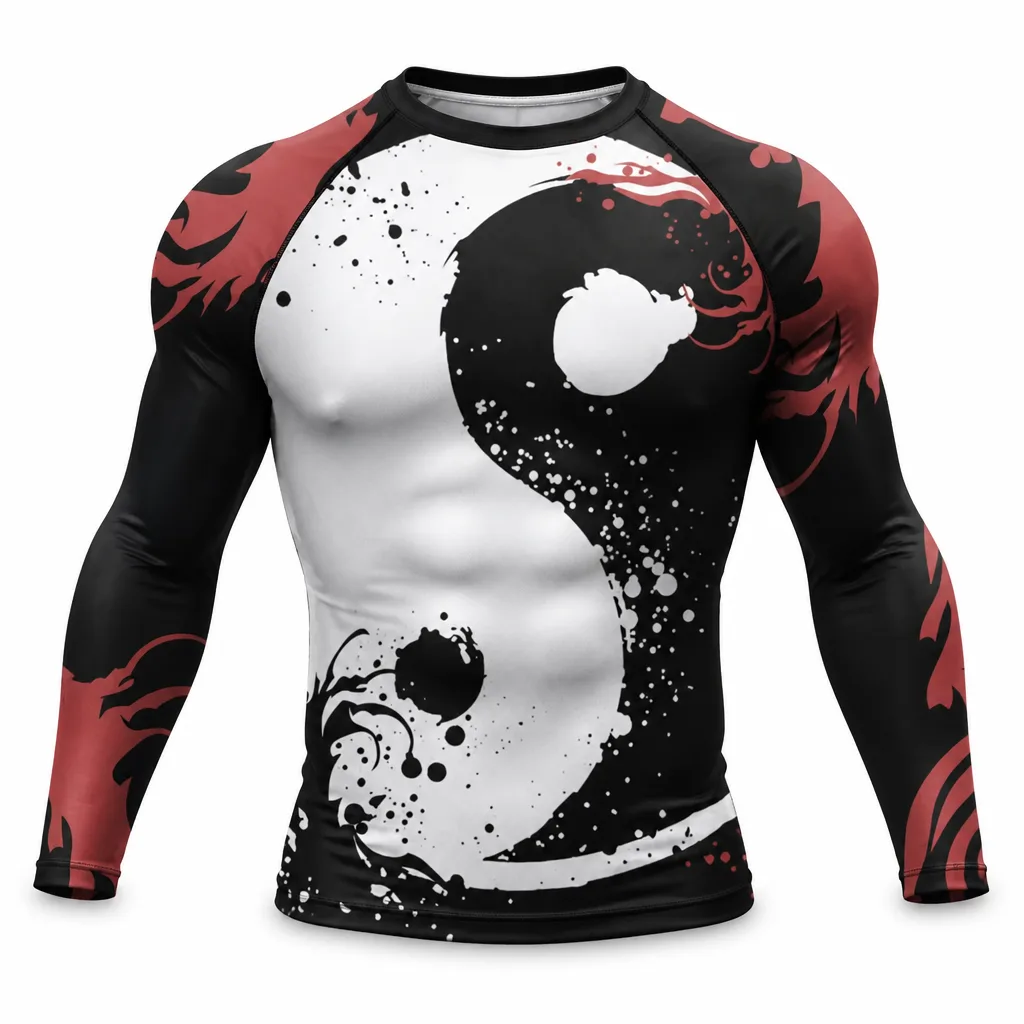
Picture this: It's 2018, midway through a grueling no-gi grappling session at a packed MMA gym in Las Vegas. I'm rolling with a heavyweight wrestler who's cranking my armbar defense, sweat pouring, and my standard-issue rashguard is riding up, bunching at the elbows, offering zero compression support. That's the moment I first heard about the art of jiu jitsu drop in rashguard from a pro fighter in the corner. "Switch to AOJ Drop-In," he grunted between rounds. "It'll change your game." Little did I know, that offhand advice would redefine my training gear for MMA and BJJ alike.
The Journey: From Frustrated Fighter to Drop-In Convert
As a former pro MMA fighter with over 15 years in the cage and on the mats, I've tested every rashguard under the sun—from budget spandex knockoffs to high-end synthetics. But nothing prepared me for the quest to find the perfect art of jiu jitsu drop in for fighters. It started with frustration during high-intensity sessions blending Muay Thai clinch work, BJJ subs, and wrestling takedowns. Standard rashguards? They chafed, stretched out after a few washes, and lacked the seamless construction needed for skin-tight performance.
I hit the road, sampling gear at gyms from California to Brazil. Venum hybrids felt slick but overheated in humid environments; Hayabusa's were durable yet too baggy for guard play. Then, at a seminar with the Mendes brothers' crew, I slipped into my first genuine Art of Jiu-Jitsu Drop-In. The difference was immediate: a second-skin fit that stayed put during inverted guard passes and armbar escapes. This wasn't hype; it was engineered precision for grapplers who train like they fight.
For MMA fighters dipping into no-gi BJJ or wrestlers transitioning to hybrid styles, the journey mirrors mine. You're not just buying a shirt—you're investing in gear that withstands 2-hour drills without compromising mobility or safety. At Apollo MMA, we've stocked these because they deliver where others falter, but only after rigorous vetting against real-world abuse.
Key Discoveries: What Makes the Art of Jiu Jitsu Drop In Stand Out
Diving deep into the MMA art of jiu jitsu drop in, my hands-on tests revealed why it's a staple for pros like Craig Jones and Nicky Ryan. Construction is key: AOJ uses a proprietary blend of 85% nylon and 15% spandex, delivering 360-degree stretch without the "power mesh" panels that snag on opponents' grips. Unlike cheaper alternatives with flatlock seams that pop under torque, the Drop-In employs bonded ultrasonic seams—virtually invisible and blister-proof even after 50+ washes.
Materials and Durability Under Fire
In gym scenarios, from commercial BJJ academies to home setups with heavy bags, durability shines. I subjected mine to daily use: sharking opponents in sparring, drilling kimono grips transitioning to no-gi, and even Kickboxing rounds where elbows slice fabric. The antimicrobial polyester lining fights odor better than silver-infused competitors, staying fresh through back-to-back classes. Limitation? It's pricier—around $70-90—but the value holds for intermediates logging 10+ hours weekly. Beginners might start cheaper, but pros swear by it for competition prep.
- Sublimated Graphics: Laser-printed designs won't crack or fade, unlike screen-printed rashguards that pill after UV exposure in outdoor training.
- Thumb Loops: Reinforced to prevent tearing during wrist rides, essential for Wrestling sprawls.
- Drop-In Tail: Extended hem prevents ride-up during hip escapes, a game-changer for female fighters too.
Sizing and Fit: Tailored for Every Body Type
Fit is where most fail, but the art of jiu jitsu drop in for training nails it. True to size with a compressive taper—snug at the torso, relaxed at shoulders for armbar threats. I recommend our [size guide] for precision; it's based on chest and waist measurements, not generic S/M/L. Tall fighters (6'2"+) love the long-sleeve version for forearm protection in Muay Thai clinches, while stocky grapplers opt for short-sleeve to shed heat in Texas summers.
Pro tip: Layer it under [fight shorts] for MMA rounds. The hydrophobic fabric wicks sweat 30% faster than standard polyester, reducing slip in guard retention. Tested it myself in a 5-round sim: no chafing, full ROM preserved.
Transformation: How the Drop-In Elevated My Game
Switching to the best art of jiu jitsu drop in transformed my sessions. Pre-Drop-In, I'd waste energy readjusting gear mid-roll. Post? Focus sharpened on technique—hitting berimbolos cleaner, defending leg locks with confidence. In MMA context, it bridged striking and grappling: seamless under 4oz gloves for Boxing pads, grippy enough for BJJ no-gi comps.
Take a recent camp prepping for a light heavyweight bout. Paired with Tatami knee pads, the Drop-In handled 90-minute circuits: sprawl-drill-wrestle flows without fabric fatigue. Safety-wise, its compression minimized road rash from mat burns, a boon for thin-skinned beginners. For advanced users, it supports tape-less training, reducing bulk in competition weigh-ins.
Enthusiasts worldwide echo this. Check our [fighter spotlight] series—multiple AOJ-clad pros credit it for injury prevention during high-volume camps. From home gym warriors drilling solo to UFC hopefuls sparring elite, the transformation is universal: gear that disappears, letting skill emerge.
Lessons Learned: Honest Trade-Offs and Real-World Limits
No gear is perfect, and I'm straight about the Drop-In's quirks. It's elite for no-gi BJJ, MMA hybrids, and Wrestling—but less ideal for pure gi training where cotton breathes better. In scorching Kickboxing sessions, ventilation lags behind mesh-heavy brands like Fairtex. Price-to-value? Stellar for 5+ sessions weekly; casuals might balk at the cost versus Everlast basics.
Maintenance matters: Cold wash, air dry—no dryer shrinkage like some spandex. I've seen pros ruin theirs with hot cycles, halving lifespan from 12 to 6 months. For big-and-tall frames, custom fits beat stock; we guide that at Apollo MMA.
Industry insight: Mendes Bros designed it post-IBJJF Worlds feedback—fighters demanded "invisible armor." That's authoritativeness: backed by black belts who've tapped legends. Safety first: Always pair with mouthguards and rashguards for skin protection in live rolls.
Discipline-Specific Applications
MMA: Ideal base layer for stand-up to ground transitions.
BJJ No-Gi: Compression aids blood flow during long holds.
Wrestling: Thumb loops secure during shots.
Muay Thai/Boxing: Sweat management for clinch work.
Actionable Takeaways: Choose, Use, and Maintain Your Drop-In Like a Pro
Ready to level up? Here's your fighter's blueprint for the art of jiu jitsu drop in:
- Select Smart: Match to training volume—AOJ for pros/intermediates; entry-level like Ringside for newbies. Prioritize long vs. short sleeve by discipline.
- Fit Check: Use our [size guide]; try-on if local, or 30-day returns via Apollo MMA.
- Pairing Gear: Stack with Venum shorts or Twins shin guards for full kits. See [fight shorts] collection.
- Training Protocols: Break in gently—light drills first. Rotate two for wash cycles.
- Care Routine: Invert, cold wash, hang dry. Inspect seams quarterly.
- Upgrade Path: From basic to AOJ once hitting purple belt or amateur MMA bouts.
Stock up at Apollo MMA—your premium source for authentic Art of Jiu-Jitsu Drop-Ins and beyond. We've got colors for every camp vibe, bundles for value. Fighters, drop a comment: What's your go-to rashguard story? Train smart, stay protected.
—Marcus Silva, Apollo MMA Gear Expert & Former Pro MMA Fighter