---
---
Understanding Youth BJJ Gi: Materials, Features, and Performance
Did you know that Brazilian Jiu-Jitsu enrollment among kids under 14 has surged by over 300% in the last decade, according to industry reports from the IBJJF? As a Muay Thai practitioner and sports nutrition expert who's conditioned countless young fighters at Apollo MMA, I've seen firsthand how the right gear can make or break a young grappler's experience. Yet, selecting the perfect youth BJJ gi often leaves parents and coaches scratching their heads—too baggy, too stiff, or wearing out after a few rolls. In this guide, we'll tackle these common pitfalls and equip you with the knowledge to choose a youth BJJ gi for fighters that supports growth, safety, and peak performance.
Understanding the Challenge: Why Youth BJJ Gis Aren't One-Size-Fits-All
Young BJJ practitioners face unique hurdles that adult gis simply can't address. Kids grow fast—sometimes outgrowing a gi in months—while their developing bodies demand gear that's lightweight, flexible, and breathable to prevent overheating during intense kids' classes or tournaments. A poorly chosen youth BJJ gi for training might restrict movement during guard passes or lead to chafing from rough fabrics, turning fun sessions into frustration.
From my experience rolling with youth teams, I've noticed common issues: oversized adult gis swallow kids whole, creating dangerous excess fabric that opponents can grip unfairly. Conversely, ultra-cheap options fray at the seams after a single camp, wasting money and discouraging progress. Safety is paramount too—non-compliant gis risk disqualification at IBJJF youth events, and heavy weaves can strain small shoulders during takedown drills.
Parents often ask: "Will this gi hold up to my 10-year-old's daily sparring?" or "How do I size for growth spurts?" These challenges extend to MMA cross-training, where a durable MMA youth BJJ gi must withstand no-gi transitions or added grappling in wrestling sessions. Without the right fit, young fighters lose confidence and motivation.
Solution Overview: Key Elements of the Best Youth BJJ Gi
The solution lies in prioritizing gis engineered for youth: lighter weaves (typically 250-350gsm), ergonomic cuts, and reinforced stress points tailored to smaller frames. Look for IBJJF-approved models from trusted brands like Tatami, Hayabusa, or Venum, which balance durability with comfort for everything from home drills to competition mats.
At Apollo MMA, our youth BJJ gi collection curates these essentials, focusing on performance without excess weight. The best youth BJJ gi isn't just affordable—it's an investment in technique development, injury prevention, and long-term love for the sport. We'll break it down next, from materials to real-world testing.
Detailed Breakdown: Materials, Features, and Performance in Youth BJJ Gis
Materials That Matter: Weave, Fabric, and Durability
Youth gis shine with pearl weave fabrics—starting at 250gsm for beginners up to 350gsm for advanced kids handling tough rolls. Pearl weave, with its diamond-pattern texture, offers superior grip for collar chokes without the bulk of heavier gold weaves (450gsm+), which suit pros but overwhelm youngsters. Cotton-poly blends, like those in Hayabusa's youth lines, wick sweat better than 100% cotton, crucial for sweaty gym sessions or humid competition halls.
In my conditioning work with Muay Thai juniors transitioning to BJJ, I've tested these head-to-head. A 300gsm pearl weave gi from Tatami held strong through 50+ washes and shark-tank style grips, while budget 100% cotton options pilled after two weeks of daily drilling. Avoid ripstop nylon hybrids for pure BJJ—they're great for no-gi MMA but lack the traditional grip BJJ demands.
- Breathability boosters: Pre-shrunk fabrics prevent shrinkage mishaps; look for bamboo or modal blends for extra softness on sensitive skin.
- Durability trade-offs: Reinforced knees and cuffs extend life, but expect 6-12 months from heavy use—honestly, no gi is indestructible for hyperactive kids.
Sizing and Fit: Getting It Right for Growth and Movement
Sizing charts are your best friend, but youth scales vary by brand. A Tatami youth A1 fits 4'6"-5'0" kids weighing 60-80lbs, with room for growth via adjustable drawstrings. Unlike adult gis, youth models feature shorter sleeves (18-20 inches) to minimize sleeve grips while allowing armbar escapes.
For MMA youth training blending BJJ with wrestling, opt for athletic fits—snug pants prevent riding up during sprawls, but not so tight they cut circulation. I've advised parents on this: measure chest, waist, and inseam, then size up half a notch for spurts. Pro tip: Test mobility by having your kid shrimp across the living room mat in the gi before committing.
Common pitfalls? Asian brands like Shoyoroll run smaller; European ones like Venum offer more length for taller teens. Always check Apollo MMA's BJJ gi sizing guide for precise comparisons.
Performance Features: From Patches to Reinforcement
Top youth gis pack fighter-focused details: double-reinforced stitching on collars withstands constant tugging, while vented armpits enhance airflow during long rolls. IBJJF-compliant patches (no oversized logos) ensure tournament eligibility, a must for youth divisions.
For performance, corded drawstrings beat plastic ones—they stay tied mid-spar. Brands like Hayabusa add antimicrobial treatments, reducing odor in shared gym bags. In cross-discipline training, like Kickboxing kids adding ground work, padded collars protect necks from clinch pressure transitioning to guard play.
| Feature | Beginner Youth Gi | Competition Youth Gi |
|---|---|---|
| Weave Weight | 250gsm Pearl | 350gsm Pearl/Gold |
| Key Reinforcement | Knees, Cuffs | Full Stress Points |
| Best For | Home/Gym Training | Tournaments/Sparring |
Expert Tips from a Fighter's Perspective
As someone who's sparred in everything from Fairtex Muay Thai gear to high-end BJJ setups, here are insider tips honed from years of youth fighter conditioning:
- Training Scenario Matching: For casual gym classes or home workouts, a lightweight youth BJJ gi for training like Venum's entry-level suffices. Competition? Upgrade to Hayabusa's tournament-approved for grip and speed.
- Maintenance Mastery: Wash inside-out in cold water; air-dry to preserve weave integrity. Skip fabric softeners—they weaken fibers. Expect 20-30 washes before fading, longer with proper care.
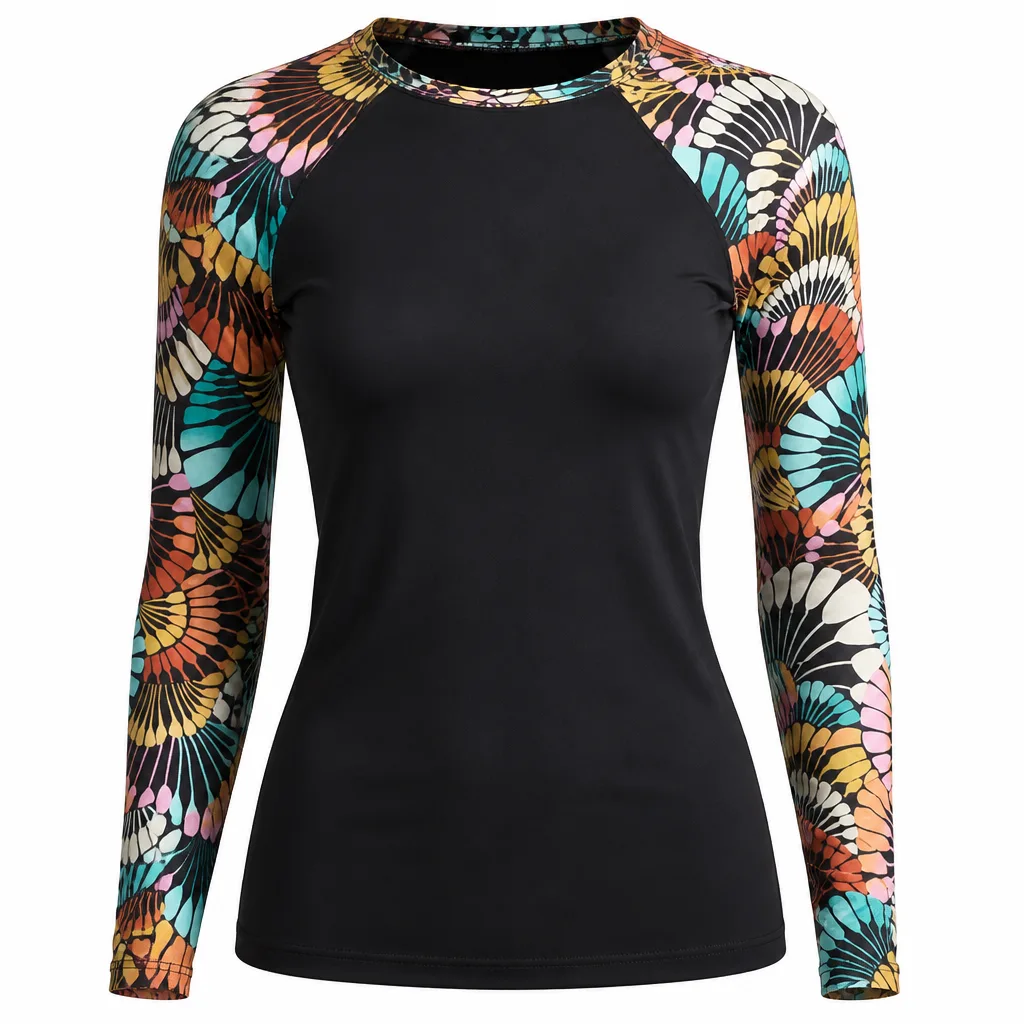
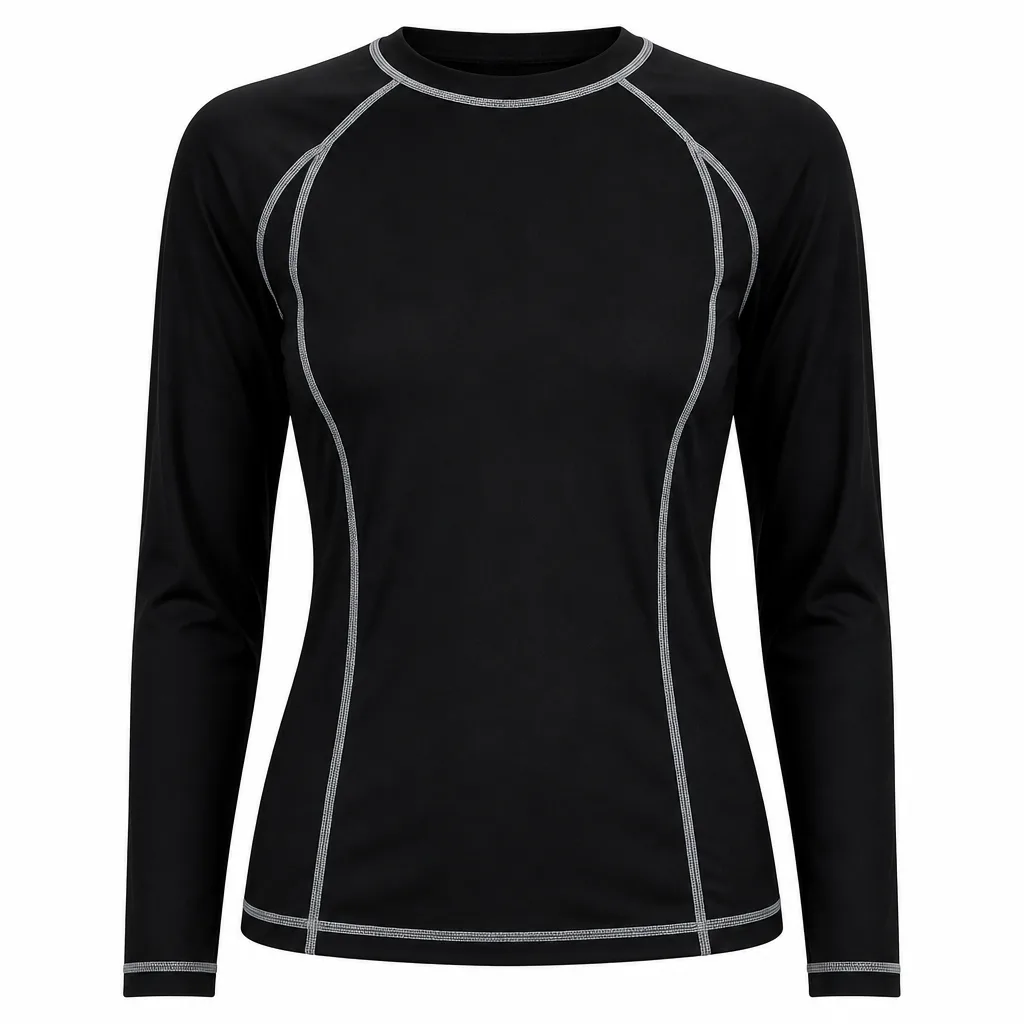
- Safety First: Ensure no loose strings that could choke; pair with youth rash guards for skin protection in no-gi hybrids. For MMA enthusiasts, choose gis compatible with MMA shorts.
- Budget vs. Value: $50-80 gets solid starters; $100+ for pros. Don't chase hype—test in person if possible, or rely on Apollo MMA's return policy.
- Body Type Tweaks: Slim kids thrive in fitted cuts; stockier wrestlers need wider hips. Growth spurts? Layer with compression undergis for interim fits.
One lesser-known gem: Tatami's youth Elements line uses eco-friendly dyes that don't bleed, perfect for colorful tournament vibes without staining white mats.
I've fitted dozens of kids who've gone from timid beginners to podium finishers—their secret? Gear that moves with them, not against. Check our best youth BJJ gi picks for vetted options.
Conclusion: Empower Your Young Grappler with Confidence
Choosing the right youth BJJ gi transforms challenges into triumphs, fueling passion across BJJ, MMA, and beyond. With the right materials, fit, and features, your fighter gains an edge in every roll, drill, or match. At Apollo MMA, we're committed to outfitting the next generation—browse our premium selection today and watch skills soar.
Got questions on pairing with shin guards for Muay Thai-BJJ crossover? Drop a comment below. Train smart, stay safe, and keep rolling.
By Jennifer Rodriguez, Sports Nutrition Expert and Muay Thai Practitioner at Apollo MMA
---