The Art of Choosing No Gi Grappling Gear for MMA
Picture this: You're deep into a grueling no-gi grappling session at your local MMA gym. Sweat pours down as you scramble for position against a training partner twice your size. But instead of focusing on that perfect armbar setup, you're wrestling with bunched-up shorts riding up and a rash guard that's chafing under your arms. Sound familiar? This is the reality for many fighters diving into no gi grappling gear without the right preparation. As Michael Park, a wrestling coach with over 15 years reviewing and testing combat sports equipment, I've seen firsthand how poor gear choices derail training and performance. In this guide, we'll tackle the problem head-on and equip you with the knowledge to choose the best no gi grappling gear for MMA success.
Understanding the Challenge of No Gi Grappling in MMA
No-gi grappling strips away the traditional gi, emphasizing speed, grip strength, and frictionless transitions—core elements of MMA. Unlike BJJ gi rolling where cotton grips provide control, no-gi demands gear that stays put during explosive takedowns, guard passes, and ground-and-pound scenarios. Fighters often face slippery fabrics, overheating, and skin irritation from mat burns, especially in high-intensity sessions blending wrestling, BJJ, and submission grappling.
The challenge intensifies for MMA practitioners. You're not just grappling; you're integrating strikes, sprawls, and clinch work. Beginners struggle with basic mobility, intermediates need durability for daily sparring, and pros demand elite recovery features like antimicrobial treatments. Commercial gyms amplify wear from shared mats, while home setups require versatile pieces for solo drills with grappling dummies. Poor choices lead to distractions, injuries, or even disqualification in tournaments due to non-compliant gear.
Industry standards from organizations like IBJJF and UFC highlight the need for flat seams, moisture-wicking fabrics, and approved colors. Yet, with brands flooding the market—Hayabusa's precision fits, Venum's bold designs—navigating options feels overwhelming. Honest truth: not all "MMA-ready" gear holds up; cheap synthetics pill after a few washes, eroding trust in your setup.
Solution Overview: Building Your No Gi Grappling Arsenal
The solution lies in a layered system prioritizing mobility, durability, and comfort tailored to MMA no gi grappling gear. Core components include rash guards (short- and long-sleeve), grappling shorts or board shorts, spats or leggings, and supportive accessories like mouthguards and ear guards. This stack minimizes drag, prevents gi-less grips from opponents, and protects skin in sweaty, mat-heavy environments.
For fighters, opt for compression-fit bases with poly-spandex blends (80/20 ratios common in premium lines) that wick sweat 30-50% faster than cotton alternatives. Top it with split-side shorts for leg freedom during kicks transitioning to grapples. Advanced kits add anti-slip silicone grips on hems, crucial for upright wrestling clinches.
At Apollo MMA, our curated selection reflects real-world testing: gear that survives 100+ hours of rolling without fading. Whether you're a kickboxer adding ground game or a wrestler going MMA, this approach scales from beginner bag work to pro-level camps.
Detailed Steps to Select the Best No Gi Grappling Gear
Step 1: Prioritize Rash Guards for Base Layer Protection
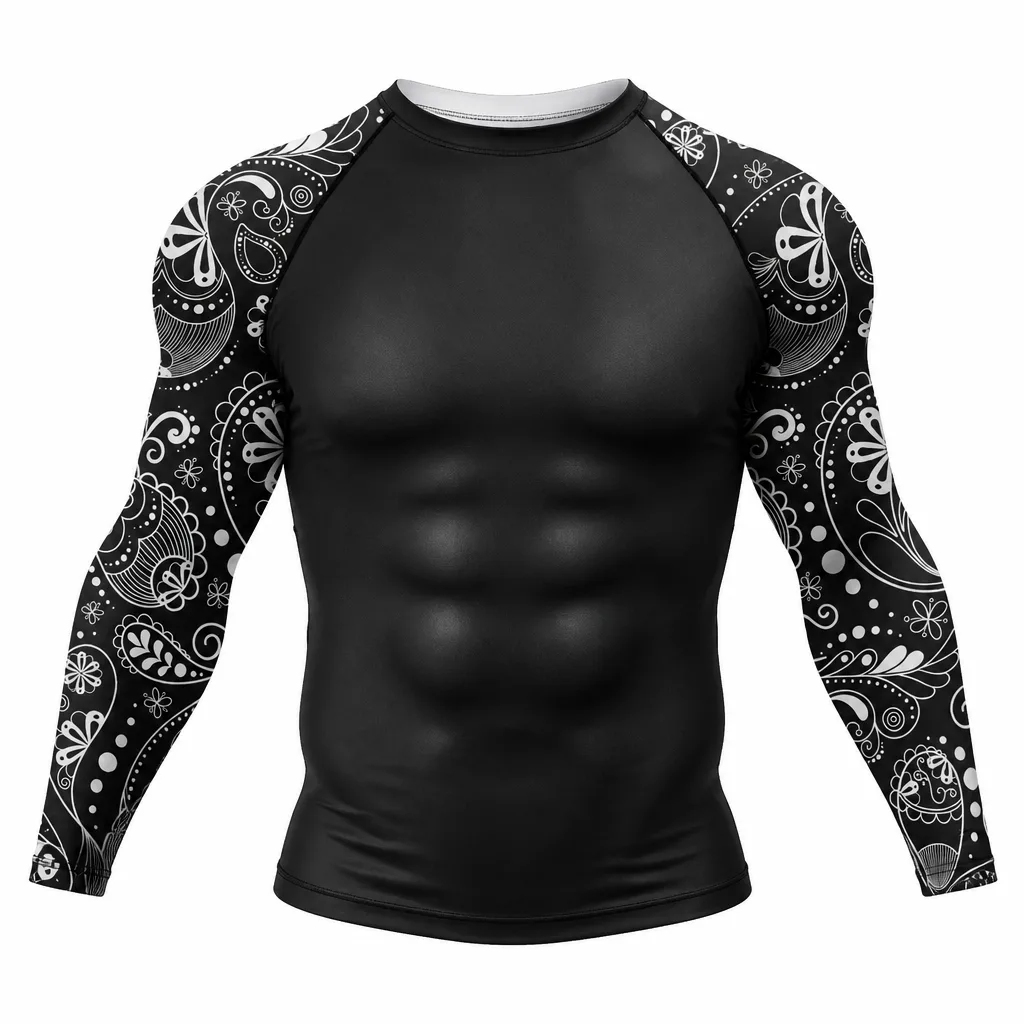
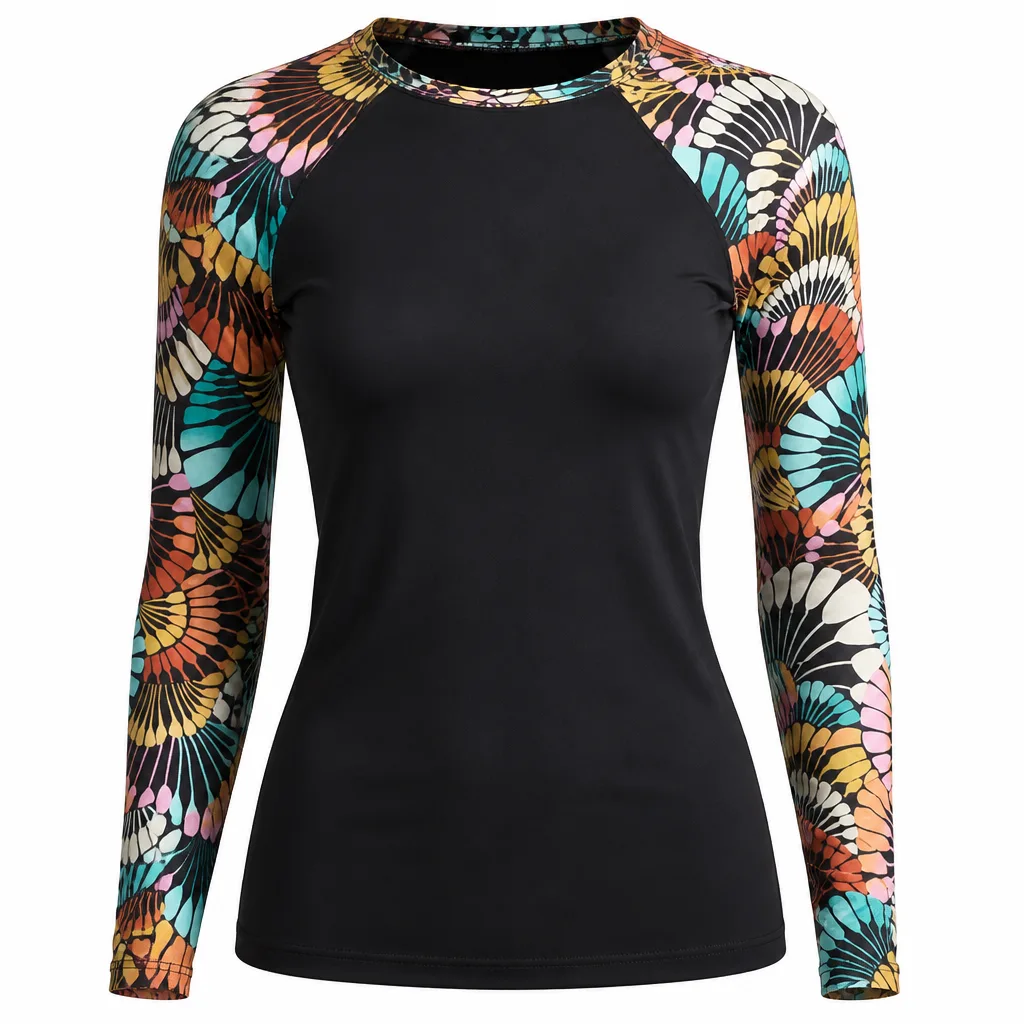
Rash guards are the cornerstone of no gi grappling gear for training. Look for 6-8 oz poly-spandex fabrics with UPF 50+ sun protection for outdoor sessions. I recommend long-sleeve for comprehensive coverage during extended rolls—Hayabusa's Tokushu line uses seamless shoulders to eliminate chafing on backpack carries or turtle escapes.
Sizing tip: True-to-size fits compress without restricting; measure chest and waist for brands like Venum, which run snug. Durability shines in flatlock stitching—double-needle seams withstand 500+ machine washes. For MMA, choose antimicrobial silver-infused models to combat gym funk; I've tested ones that stay odor-free after week-long camps.
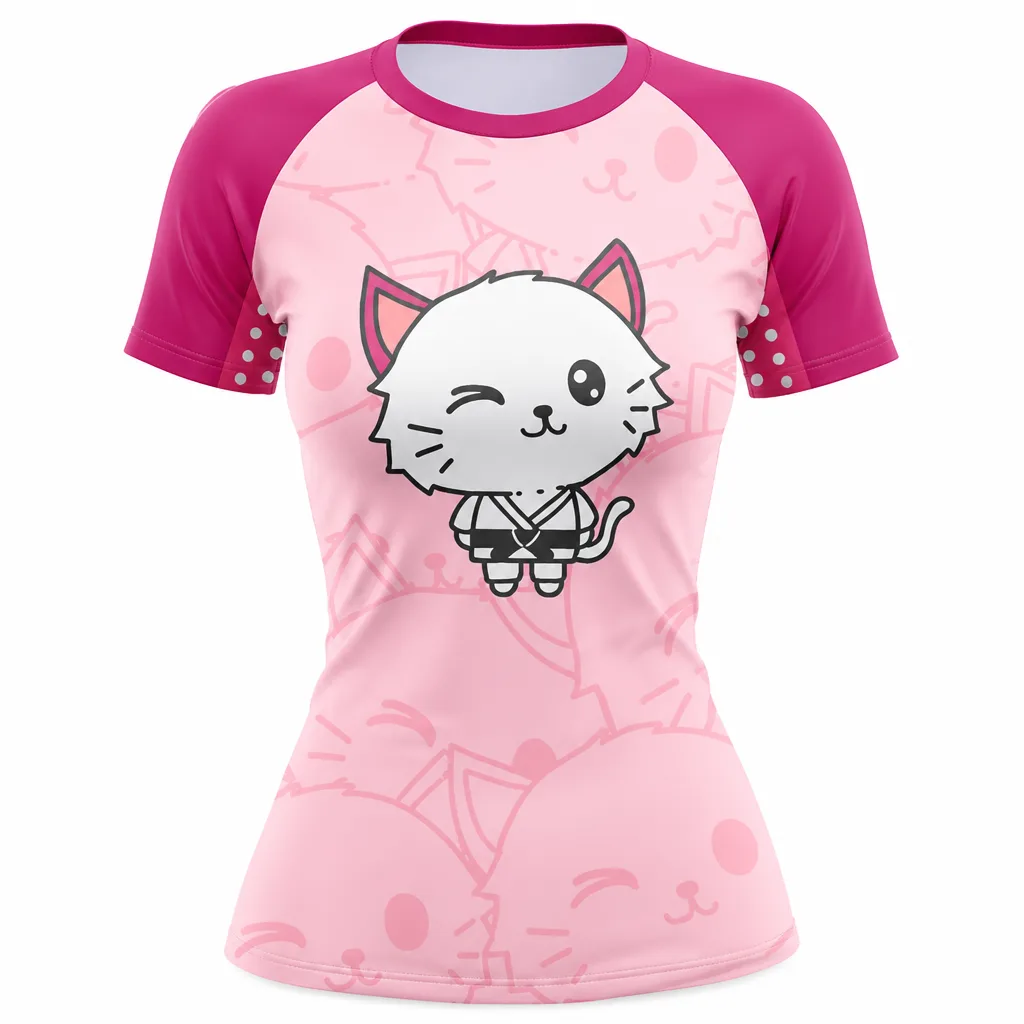
- Beginners: Short-sleeve for affordability ($30-50), focus on breathability.
- Advanced: Long-sleeve with thumb loops ($60-100) for glove integration.
- Pro insight: Avoid mesh panels—they tear on aggressive opponents' nails.
Step 2: Choose Grappling Shorts for Unrestricted Movement
Shorts define no gi grappling gear for fighters in MMA. Ditch baggy board shorts for 8-12" inseam grappling hybrids with 4-way stretch. Fairtex and Ringside offer Velcro waists with drawstrings that lock during suplexes, unlike loose ties that fail mid-sprawl.
Key material: Nylon-spandex (85/15) for quick-dry—critical post-shower in shared gyms. Silicone liners prevent ride-up during single-leg takedowns; I've coached wrestlers who swear by them for chain wrestling. Split gussets add 20% leg mobility for guard retention or knee slices.
Price-to-value: Mid-range ($40-70) from Tatami outperforms budget options that fray after 20 sessions. Pair with compression gear underneath for muscle support in longer fights.
Step 3: Layer with Spats or Leggings for Grip and Recovery
Spats bridge wrestling and BJJ no-gi styles, offering full-leg compression that deters finger grips. 200-250 gsm fabrics like Shoyoroll's nylon blends provide matte finishes for reduced friction. Ideal for Muay Thai grapplers transitioning to ground—MMA fighters use them to protect shins pre-kicks.
Fit matters: Ankle and calf grips secure during ankle picks. They're game-changers for home workouts, pairing with grappling dummies for pummeling drills. Limitation: Hot climates demand vented versions; otherwise, they overheat in 90-minute classes.
Step 4: Accessorize for Safety and Performance
Don't overlook mouthguards (boil-and-bite EVA for custom fit), ear guards (soft neoprene for no-gi cauliflower prevention), and tape for finger jams. Shock Doctor hybrids excel in MMA for multi-sport use. Maintenance: Rinse post-use, air-dry to extend life 2x.
For full kits, check our gear guides on integrating with Muay Thai gear or kickboxing gear.
Expert Tips from a Wrestling Coach's Playbook
Insider knowledge: Test gear in a 10-minute roll before buying—does it bunch during shrimp escapes? For body types, ectomorphs favor looser rash guards; endomorphs need high-compression to avoid slippage. Competition rule: IBJJF approves black/red/white; UFC mirrors this.
Durability hacks: Wash inside-out in cold water, avoid fabric softeners—they degrade wicking. Brands like Everlast hold value for budgets, but invest in Venum for pros—ROI via fewer replacements. Scenario-specific: Gym rats prioritize antimicrobial; comp fighters chase lightweight (under 8 oz total kit).
- Layer principle: Base (spats/rash) + mid (shorts) + outer (if sparring gloves).
- Safety first: Gel-infused mouthguards absorb impacts 25% better than stock.
- Customization: Sublimated prints fade less than screen-printed (tested over 50 washes).
- Trade-offs: Premium gear costs 2x but lasts 3x—calculate per-session value.
Pro fighters like those in Bellator prefer Hayabusa kits for micro-mesh vents, balancing breathability and grip resistance. Beginners, start minimal: Rash + shorts suffice for drilling.
Conclusion: Gear Up Right and Grapple Like a Champion
Choosing no gi grappling gear for MMA isn't about flash—it's engineering your edge through smart, tested selections. From rash guards that wick elite to shorts that stay locked in scrambles, the right kit transforms frustration into flow. We've covered the pitfalls, layered solutions, and pro tweaks to arm you for any mat, gym, or cage.
At Apollo MMA, our premium lineup—Hayabusa, Venum, Tatami, and more—delivers the best no gi grappling gear worldwide. Beginners find entry-level value; pros get tournament-grade performance. Ready to upgrade? Browse our collections today and feel the difference in your next session. Train smarter, fight harder—your arsenal awaits.
By Michael Park, Wrestling Coach & Gear Expert at Apollo MMA