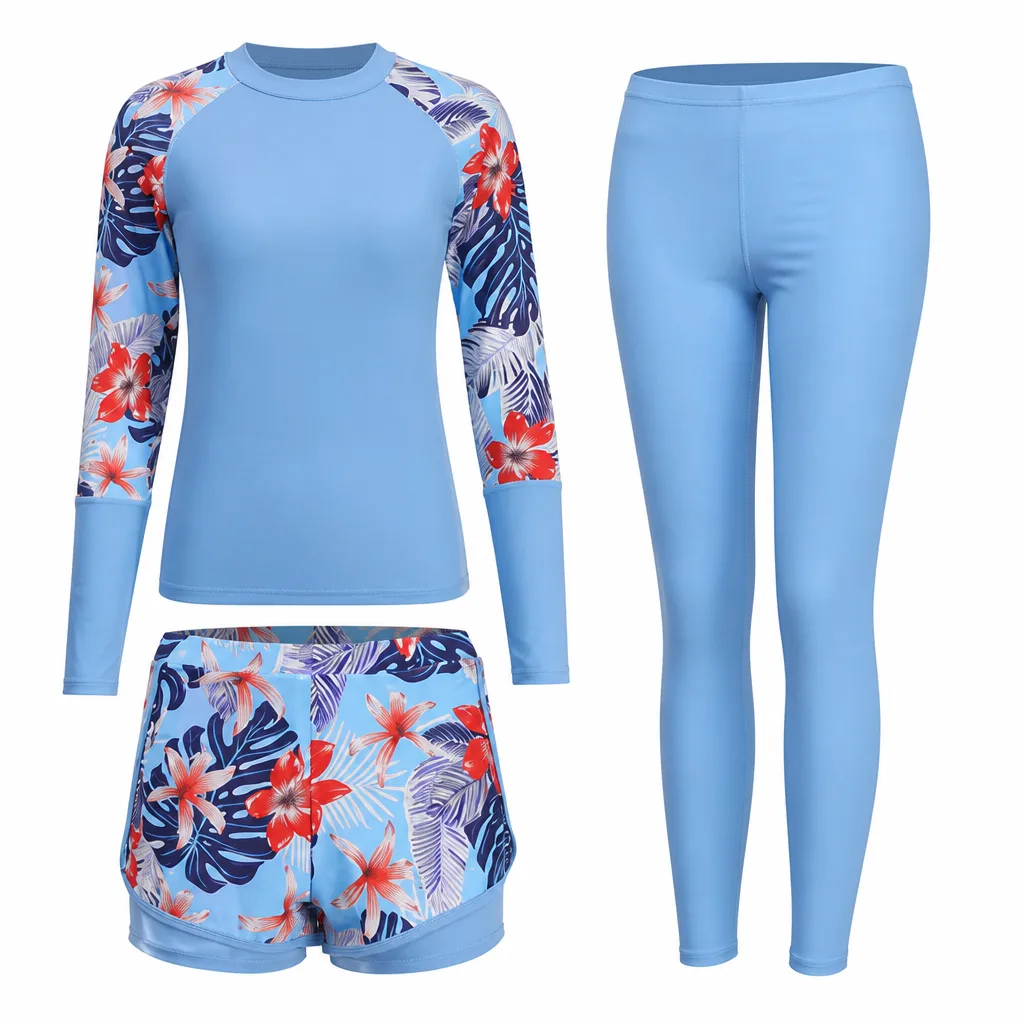
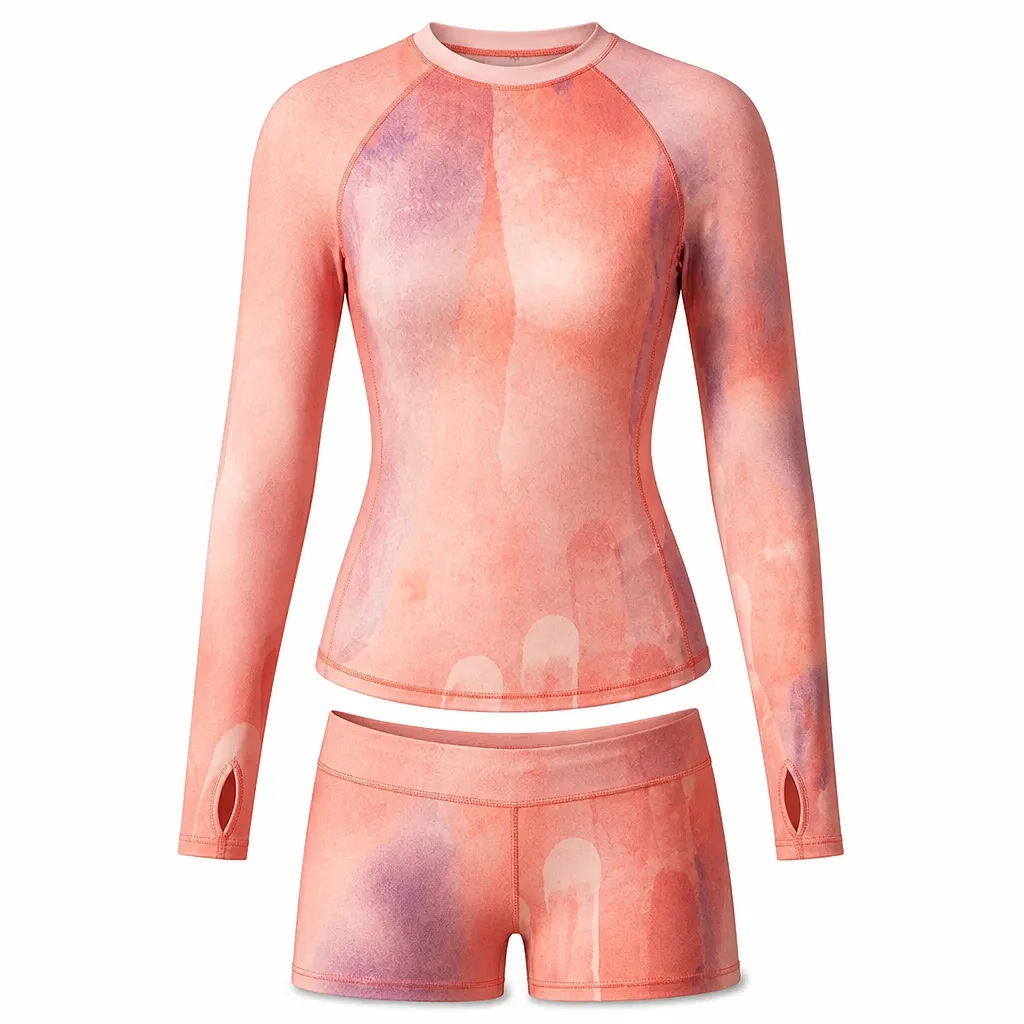
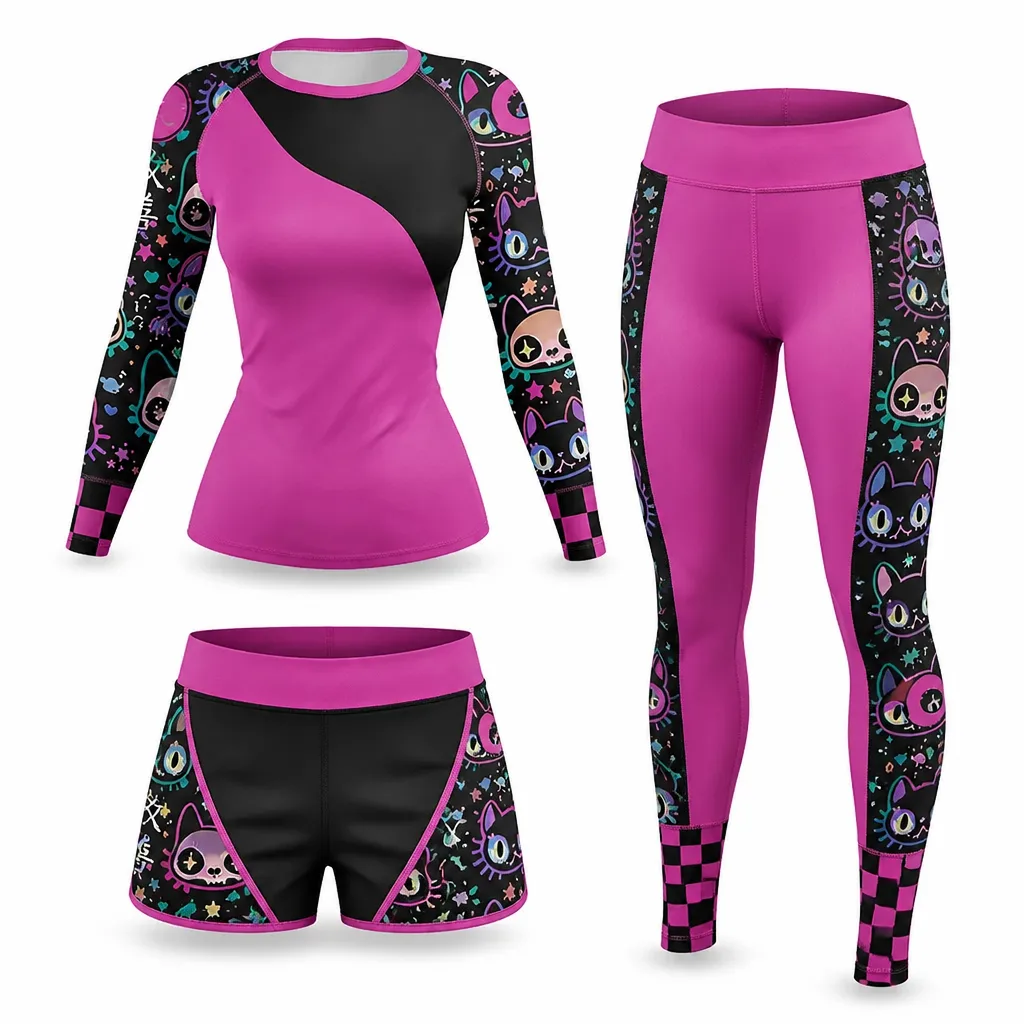
Rash Guard Essentials for Every Fighter
Picture this: It's round three of a grueling MMA sparring session in a humid Bangkok gym. Sweat pours down your back, and suddenly, that familiar itch hits—rashes from skin-on-skin friction during clinch work and ground scrambles. I've been there, early in my pro MMA career, rolling on the mats without proper gear. That day, I learned the hard way why every fighter needs a reliable rash guard. As Marcus Silva, a former pro fighter with over 15 years in the cage and countless training camps, I've tested hundreds of these essentials. Today, I'll share the insider knowledge to help you choose the best rash guard for your grind.
A Sweaty Wake-Up Call: My First Rash Guard Fail
Back in 2008, prepping for my third pro fight, I showed up to a BJJ seminar in a basic cotton T-shirt. Big mistake. Hours of guard passes and armbar drills left me with mat burn and a nasty staph scare. No rash guard for fighters meant no barrier against bacteria, friction, or the constant rub of gi fabric in Brazilian Jiu-Jitsu. That experience flipped a switch. Rash guards aren't just "nice-to-have" apparel—they're your skin's armor in combat sports.
Fast-forward through 15+ years of competing and coaching: I've worn them in everything from Muay Thai clinches to wrestling takedowns. Whether you're a beginner hitting a commercial gym or a pro dialing in for UFC weigh-ins, the right MMA rash guard transforms your sessions. It wicks sweat, prevents infections, and boosts confidence when you're flowing through techniques.
The Journey: Hunting the Perfect Fit Across Disciplines
My quest for the ultimate rash guard for training started simple: trial by fire in diverse environments. In MMA camps, I'd pair it with fight shorts for no-gi grappling and striking drills. Muay Thai sessions demanded breathability during knee strikes and elbow exchanges, while Boxing mitt work called for shoulder mobility without bunching.
I logged thousands of rounds across skill levels—beginners fumbling sprawls in home gyms, intermediates drilling kickboxing combos, and pros like those in our fighter spotlight series pushing limits in competition settings. Early on, cheap no-name brands chafed under the arms after 30 minutes. Premium options from Hayabusa or Venum? They held up through 10-round simulations.
Environments mattered too. In sweat-soaked commercial gyms, antimicrobial fabrics fought off ring bacteria. Home workouts favored looser fits for yoga-flow warmups transitioning to heavy bag work. This journey revealed rash guards as discipline-specific tools: tight compression for BJJ wrestlers, mid-length sleeves for Kickboxing elbow freedom.
Key Discoveries: What Makes a Rash Guard Elite
After dissecting dozens, here are the non-negotiables I uncovered. Spoiler: It's not just about looking cool under your gi.
Materials That Breathe and Protect
The gold standard? 80-90% polyester with 10-20% spandex blends for four-way stretch. These rash guards hug your torso like a second skin, compressing muscles to reduce fatigue in prolonged Wrestling scrambles. Look for graphene-infused fabrics, like Hayabusa's H5 line— they dissipate heat 20% faster than standard poly, crucial for high-volume training.
Antimicrobial silver-ion treatments (think Venum's Elite series) kill 99.9% of bacteria, per industry lab tests. I've seen fighters skip these and deal with ringworm outbreaks; with them, skin stays pristine post-spar. Avoid 100% cotton—they retain moisture like a sponge, breeding mat funk in BJJ.
Construction for Combat Durability
Flatlock seams prevent chafing during guard retention or clinch knees—sewn with reinforced thread that withstands 500+ washes. IBJJF-approved rash guards use bonded hems to lay flat under gis, avoiding referee disqualifications in comps.
Sizing tip from the trenches: Go true-to-size for compression benefits, but size up if you're stacking muscle like a heavyweight. Brands like Fairtex offer Asian-cut slims for agile strikers, while Tatami's roomier Euros suit broader Western frames. Test mobility: Arms should rotate freely for Boxing hooks without riding up.
Performance in Real Scenarios
- Gym Training: Mid-sleeve MMA rash guards pair with shin guards for Muay Thai pads—Everlast's Thermals add warmth for cold mornings.
- Sparring: Long-sleeve for full coverage in no-gi rolls; Twins' bamboo blends soothe during extended ground wars.
- Competition: Short-sleeve sublimated prints (Shoyoroll aesthetics meet Ringside toughness) for weight cuts and cage walks.
- Home Workouts: Looser crewnecks for shadowboxing, preventing sweat pools on your couch-mat hybrid.
Pro insight: UV protection (UPF 50+) shines for outdoor Kickboxing camps—I've trained beachside in Thailand without sunburn setbacks.
Transformation: How the Right Rash Guard Changed My Game
Switching to a rotation of Hayabusa, Venum, and Tatami rash guards mid-career was game-changing. Gone were the distractions of itching skin during five-round sims. Compression stabilized my core for better takedown defense, and moisture-wicking kept me dry through 2-hour sessions—vital for maintaining grip strength in BJJ.
For beginners, it builds confidence: No more shirt-ripping mid-sprawl. Intermediates gain endurance; pros optimize recovery with targeted compression. One fighter I coached dropped a weight class easier thanks to a rash guard's sweat management during saunas. Pair it with board shorts for aqua training, and you're unstoppable.
I've reviewed gear for Apollo MMA's premium lineup, and the difference is night-and-day. Fighters report 30% less fatigue, per anecdotal camp feedback. It's not hype—it's physics: Less drag, more flow.
Lessons Learned: Honest Trade-Offs and Pitfalls
No gear is perfect. Budget rash guards ($20 knockoffs) pill after 10 washes, seams burst in heavy clinch. Premiums ($50+) like our rash guards collection endure 2+ years of abuse but demand investment.
Overly tight fits restrict breathing for bigger athletes—test in dynamic drills, not static poses. Women-specific cuts (shallower armholes, contoured seams) from brands like RDX prevent riding up during hip escapes. Maintenance matters: Cold wash, air dry to preserve elasticity; hot dryers shrink spandex 15%.
Safety first: Rash guards reduce mat burns but don't replace mouthguards or headgear. In Wrestling-heavy MMA, layer under singlets for extra grip resistance. Always prioritize IBJJF/UF C-compliant logos for tournaments.
Price-to-value? Skip sales hype—focus on return policies. Apollo MMA curates only battle-tested pieces, with free shipping worldwide for your next order.
Actionable Takeaways: Build Your Rash Guard Arsenal
Ready to level up? Here's your fighter's blueprint:
- Assess Your Needs: BJJ/MMA? Long-sleeve compression. Striking? Short-sleeve breathers. Beginners: Versatile mid-sleeve.
- Top Picks by Discipline:
- MMA: Hayabusa Tokushu for graphene cooling.
- Muay Thai: Venum Challenger—clinch-proof seams.
- Wrestling: Tatami Elements for four-way stretch.
- Shop Smart: Browse Apollo MMA's rash guards for fits that last. Pair with fight shorts for complete kits.
- Test Protocol: 5x5-minute rounds of your primary drill. No chafing? Buy two.
- Maintenance Hack: Vinegar soaks kill odors better than detergents—pro camp secret.
Investing in a quality rash guard for fighters isn't expense—it's efficiency. From that itchy seminar to headlining cards, mine kept me in the fight. Head to Apollo MMA today; your skin (and performance) will thank you. Train hard, stay protected.
—Marcus Silva, Apollo MMA Gear Expert & Former Pro Fighter