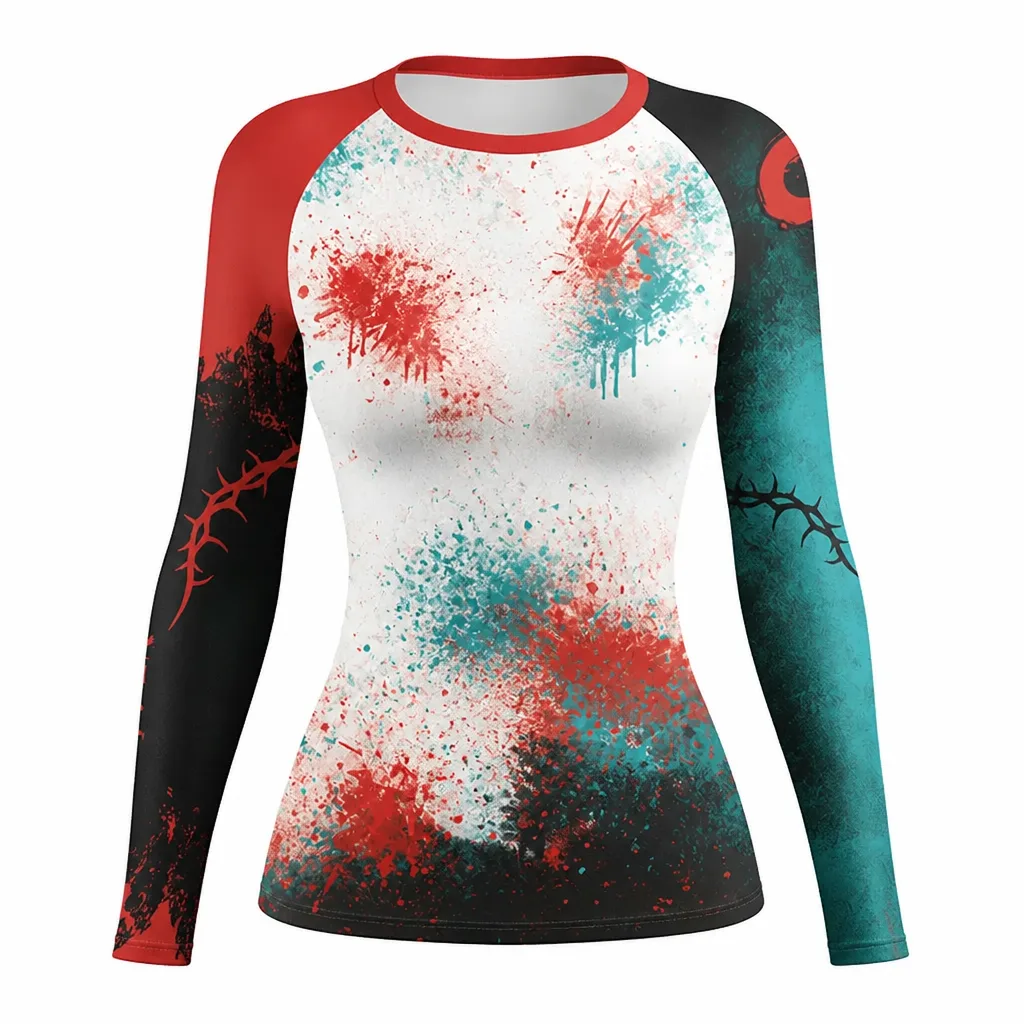
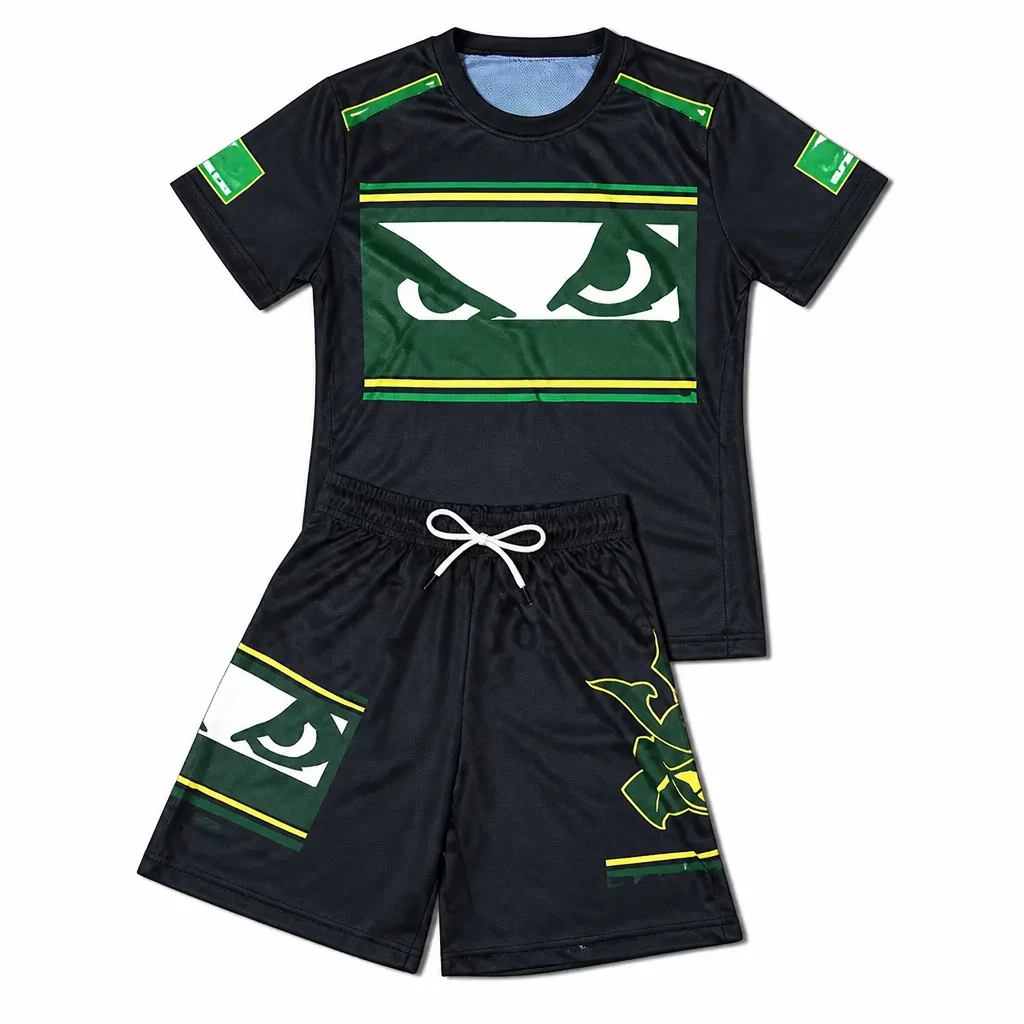
Grappling Rash Guard Essentials for Every Fighter
I still remember my first no-gi grappling tournament back in my early wrestling days. Sweat-drenched and sliding across the mats during a heated roll with a BJJ black belt, I felt the burn—literal mat rash creeping up my arms and torso from endless friction. No proper grappling rash guard in my bag that day, and I paid for it with red, irritated skin that sidelined my training for a week. As a wrestling coach with over 15 years coaching fighters from beginners to pros at Apollo MMA, I've seen this story play out too many times. Today, I'm sharing everything you need to know about grappling rash guards for fighters to keep you protected, comfortable, and performing at your peak.
The Hidden Problem: Why Rash Hits Hard in Grappling
In the heat of a grappling session—whether you're drilling wrestling takedowns, sparring in MMA, or flowing through BJJ guard passes—your skin takes a beating. Mats aren't forgiving; they're abrasive surfaces coated in sweat, chalk, and bacteria from dozens of bodies. Without the right gear, friction builds quickly, leading to mat burns, chafing, and even nasty infections like ringworm or staph.
I've coached beginners in commercial gyms where shared mats amplify risks, intermediates grinding home workouts on basic flooring, and pros prepping for competitions. The common thread? Skin irritation derails progress. A MMA grappling rash guard isn't just apparel—it's armor that lets you train harder, longer, without the downtime.
Understanding the Challenge: Friction, Sweat, and the Fighter's Body
Friction and Mat Burns: The Grappling Enemy
Grappling demands constant skin-to-mat contact. In wrestling, explosive shots and sprawls grind your elbows and ribs. BJJ practitioners face gi-less slides during shrimp escapes or armbar defenses. Muay Thai clinch work and Kickboxing knees add torque, while MMA rounds blend it all. Polyester gym mats, even high-end ones, have a textured weave that bites into bare skin under pressure.
From experience, I've seen fighters with 6-8% body fat endure more irritation due to less natural padding—pros like those in our [fighter spotlight] swear by rash guards to maintain training volume.
Sweat and Bacteria: The Infection Trap
Sweat soaks you in 20-30 minutes of intense rolling. Mixed with mat grime, it creates a breeding ground for bacteria. Staph outbreaks are common in team gyms; I've quarantined entire classes after one case. Rash guards act as a barrier, wicking moisture and blocking pathogens. For home gym users drilling on [grappling dummies], they prevent sweat from pooling on your floors too.
Fit and Mobility Demands Across Disciplines
Not all fighters are built the same. Beginners need forgiving fits; advanced grapplers demand compression for feedback on joint positions. Tall wrestlers require longer torsos, while stocky BJJ players prioritize sleeve grip resistance. Heat retention in long-sleeve vs. breathability in short-sleeve varies by climate—humid Thai gyms vs. air-conditioned U.S. boxes.
Solution Overview: The Perfect Grappling Rash Guard Blueprint
The best defense is a high-quality grappling rash guard for training engineered for combat sports. Look for 80-90% polyester/10-20% spandex 4-way stretch blends—the gold standard for durability and mobility. Antimicrobial silver-ion treatments (like those in Hayabusa or Venum lines) kill 99% of bacteria on contact. Flatlock seams prevent chafing during hip escapes, and thumb loops secure sleeves without restricting wrist control.
At Apollo MMA, our [rash guards] collection curates these features from top brands, balancing price from $30 budget options to $60 pro-grade. They solve the problem by compressing skin to reduce drag, wicking sweat 4x faster than cotton, and offering UPF 50+ sun protection for outdoor sessions.
Detailed Steps: How to Choose Your Grappling Rash Guard
Step 1: Prioritize Fabric and Construction
Start with material science. Premium grappling rash guards use micro-mesh panels for ventilation—essential in 45-minute MMA rounds. Compare: Basic polyester frays after 50 washes; high-end like Tatami's Element series holds up to 200+ with reinforced elbows. Avoid cheap nylon—it pills and loses shape.
- Antimicrobial silver or copper infusion: Prevents odor and infections; lasts 100 washes.
- 4-way stretch with 250-300 GSM weight: Balances compression and breathability.
- UV protection: Crucial for beach BJJ or outdoor wrestling camps.
Step 2: Nail the Fit for Your Body and Style
Sizing charts lie—always check reviews for athletic builds. Compression fit (like Shoyoroll's second-skin feel) enhances proprioception for armbar setups but can restrict if oversized. I recommend trying in-store equivalents: snug torso, 1-2 inches sleeve overhang.
For wrestlers: Long-sleeve for neck protection. BJJ: Short-sleeve to mimic gi feel. Pair with [fight shorts] for no-gi comps—ensure no riding up during guard retention.
| Body Type | Recommended Fit | Best For |
|---|---|---|
| Beginner (Lean) | Medium compression | Gym drilling |
| Intermediate (Muscular) | Tight compression | Sparring/MMA |
| Pro (Stocky) | Custom tall/torso | Competition |
Step 3: Sleeve Length and Design Features
Short-sleeve for Kickboxing clinches; long for full coverage in Wrestling scrambles. Thumb holes prevent sleeve roll-up during upa bridges. Sublimated prints (Venum style) won't crack after 100 washes, unlike cheap screen prints.
Women's cuts: Deeper armholes, tapered waists for hip mobility in BJJ.
Step 4: Budget vs. Value—Don't Skimp Here
$20 Amazon guards tear on first gi pull; invest $40-70 for 6-12 months daily use. Brands like Ringside offer entry-level durability; Fairtex excels in Muay Thai humidity. Apollo MMA's selection hits the sweet spot—proven by fighters who've tested them in our coached sessions.
Expert Tips: Maximize Your Rash Guard's Potential
From the mats to maintenance, here's insider knowledge only hands-on coaches share:
- Layering strategy: Base layer under gis for BJJ; standalone for no-gi Wrestling. In MMA, top with gloves—rash guards reduce arm fatigue by 15% via compression.
- Safety first: Pair with ear guards for Wrestling to prevent cauliflower ear; always inspect for seam tears pre-roll.
- Training scenarios: Home workouts? Short-sleeve for dummy drills. Competition? Long-sleeve black for IBJJF no-gi rules compliance.
- Maintenance hacks: Cold wash, air dry—no fabric softener kills wicking. Lasts 2x longer. Pro tip: Spray with Lysol post-gym for extra bacteria kill.
- Body type tweaks: Ectomorphs add grip tape inside for mat traction; endomorphs choose looser mesh for cooling.
One lesser-known gem: In humid environments, Everlast's bamboo-blend rash guards absorb 30% more sweat than standard poly, ideal for Thai camps or Southern U.S. gyms. I've had pros request seconds after testing.
Limitations honestly: No rash guard replaces hygiene—shower immediately post-training. Compression can feel restrictive first week; size up if new to them.
Conclusion: Gear Up and Grapple Fearlessly
A top-tier best grappling rash guard transforms your sessions from painful slogs to fluid mastery. Whether you're a beginner eyeing your first roll, an intermediate stacking reps, or a pro chasing titles, the right one keeps you in the fight. We've covered the pitfalls, fabrics, fits, and pro hacks—now it's your turn.
Head to Apollo MMA's [rash guards] collection today. Filter by discipline, read fighter reviews, and stock up. Train smarter, stay protected, and dominate the mats. Got questions? Drop a comment—I've got your back.
Michael Park, Wrestling Coach & Gear Expert at Apollo MMA