What to Buy for First BJJ Class?
I still remember the butterflies in my stomach that day in 2008. Fresh off a string of MMA amateur fights, I stepped onto the mats at a local academy for my first Brazilian Jiu-Jitsu class. I'd scrapped with strikers in the cage, but rolling with a grizzled black belt? That was uncharted territory. Dressed in basketball shorts and a ratty T-shirt, I was not prepared. Within minutes, I was drenched in sweat, chafing from the friction, and wishing I'd known what to buy for first BJJ class. If you're an MMA fighter dipping into BJJ, a complete beginner, or anywhere in between, this guide is your roadmap—born from 15 years of cage time, countless rolls, and testing gear that stands up to the grind.
The Journey: From Cage Fighter to Mat Rat
Transitioning from MMA stand-up wars to BJJ's ground game felt like learning a new language. My early sessions were a blur of taps, escapes, and gear fails. That first class? I borrowed a stiff, oversized gi that smelled like a dozen previous owners. No rashguard meant road rash on my neck from constant collar grips. And without proper foot protection off the mat, I tracked gym grime everywhere. Sound familiar? Many fighters ask, "MMA what to buy for first BJJ class?" because BJJ demands gear that prioritizes mobility, hygiene, and durability—different from the padded gloves and shin guards of kickboxing or Muay Thai.
Over months of consistent training—three times a week in commercial gyms, sparring with pros, and drilling at home—I invested in purpose-built equipment. It wasn't about dropping cash on flashy brands; it was about gear that let me focus on technique, not distractions. Pearl weave gis shed water faster than cotton ones, reducing that post-class clammy feel. Spats prevented gi pants from riding up during guard passes. These choices elevated my game, turning frustrating sessions into breakthroughs. Your journey starts with the right kit, tailored to whether you're gi-focused, no-gi training, or prepping for competition.
Key Discoveries: The Essential Gear Breakdown
Here's where the real value kicks in. I've tested hundreds of pieces from Hayabusa to Tatami, rolling with them in sweaty open mats and high-intensity MMA crossover drills. Forget generic lists—I'm sharing specs, trade-offs, and why certain items shine for beginners versus pros. Prioritize breathability (look for bamboo or polyester blends), reinforced stitching (double or triple in high-stress zones like knees and elbows), and IBJJF-compliant sizing for tournaments down the line.
The BJJ Gi: Your Uniform and Weapon
For most first classes, expect gi training—it's the BJJ staple. A white 450-gram pearl weave gi from brands like our BJJ Gis collection at Apollo MMA is ideal for newbies. Why pearl weave over cotton? It dries 30-40% faster, crucial in humid gyms where you're drilling shrimp escapes for an hour. Tatami Elements or Hayabusa's entry-level models fit A0-A2 sizing perfectly for most adults under 6'2", with pants featuring drawstring waists and cordura knee reinforcements that withstand guard retention pulls.
Trade-off: Heavier 550-gram gis (like Shoyoroll) offer more grip for advanced players but can fatigue beginners. Price? $100-150 gets pro-level durability without breaking the bank. Wash inside-out in cold water to preserve color—no bleach, ever. Pro tip: If you're a wrestler crossing over, this gi's lapel grips translate directly to MMA clinch work.
No-Gi Essentials: Rashguards and Fight Shorts
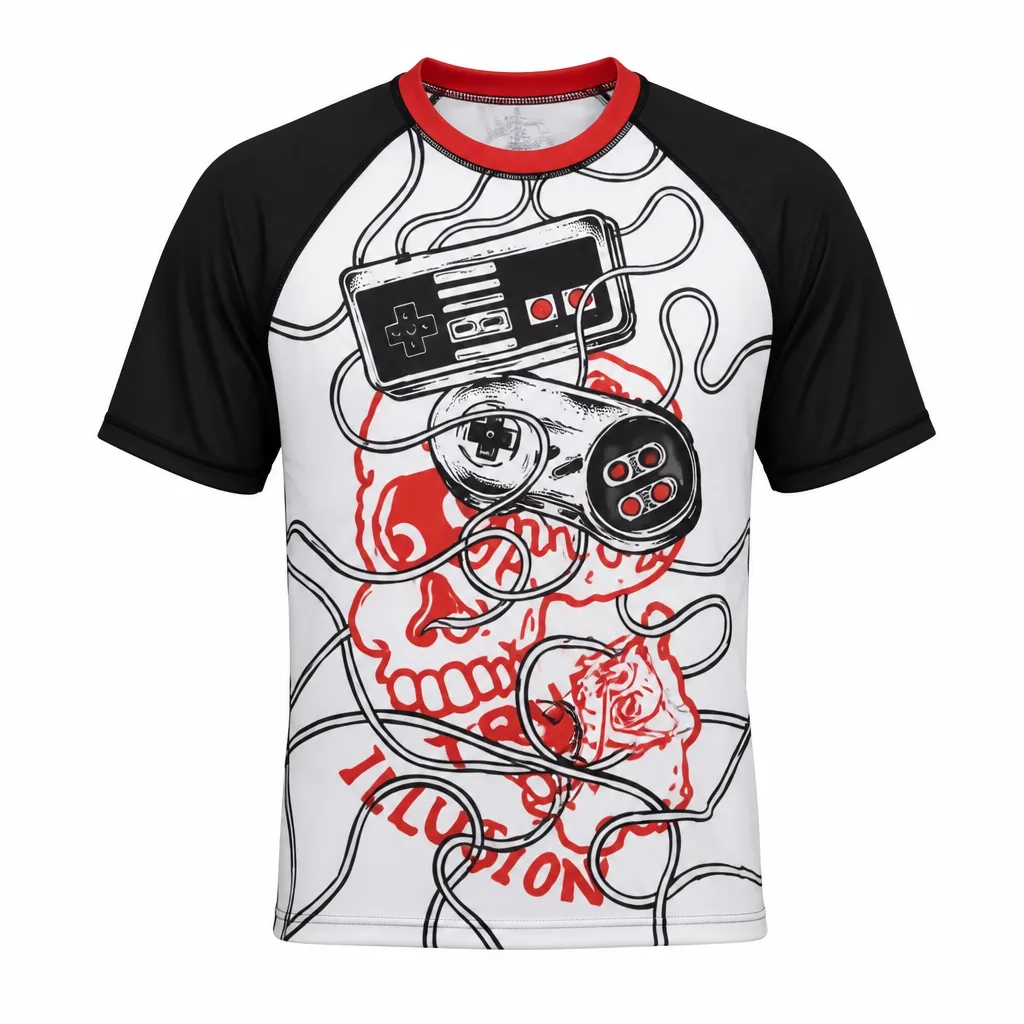
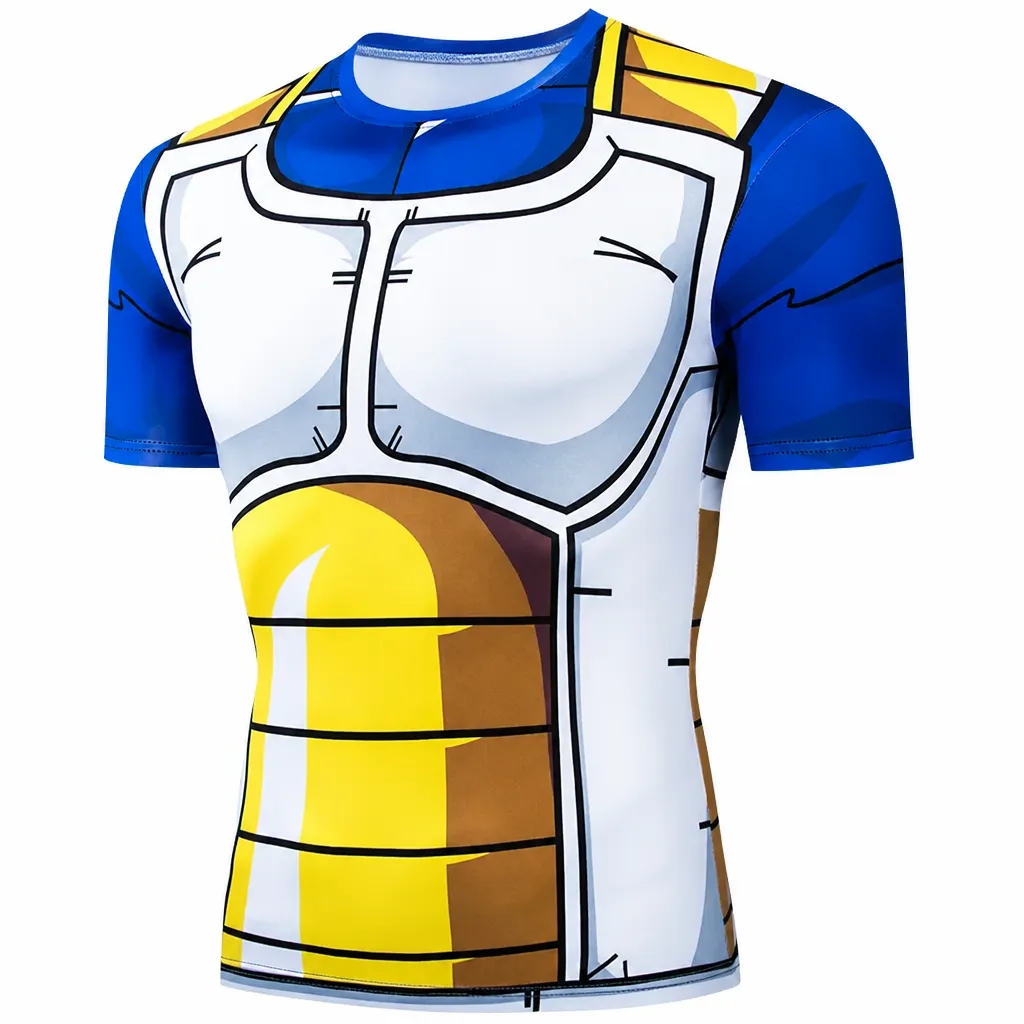
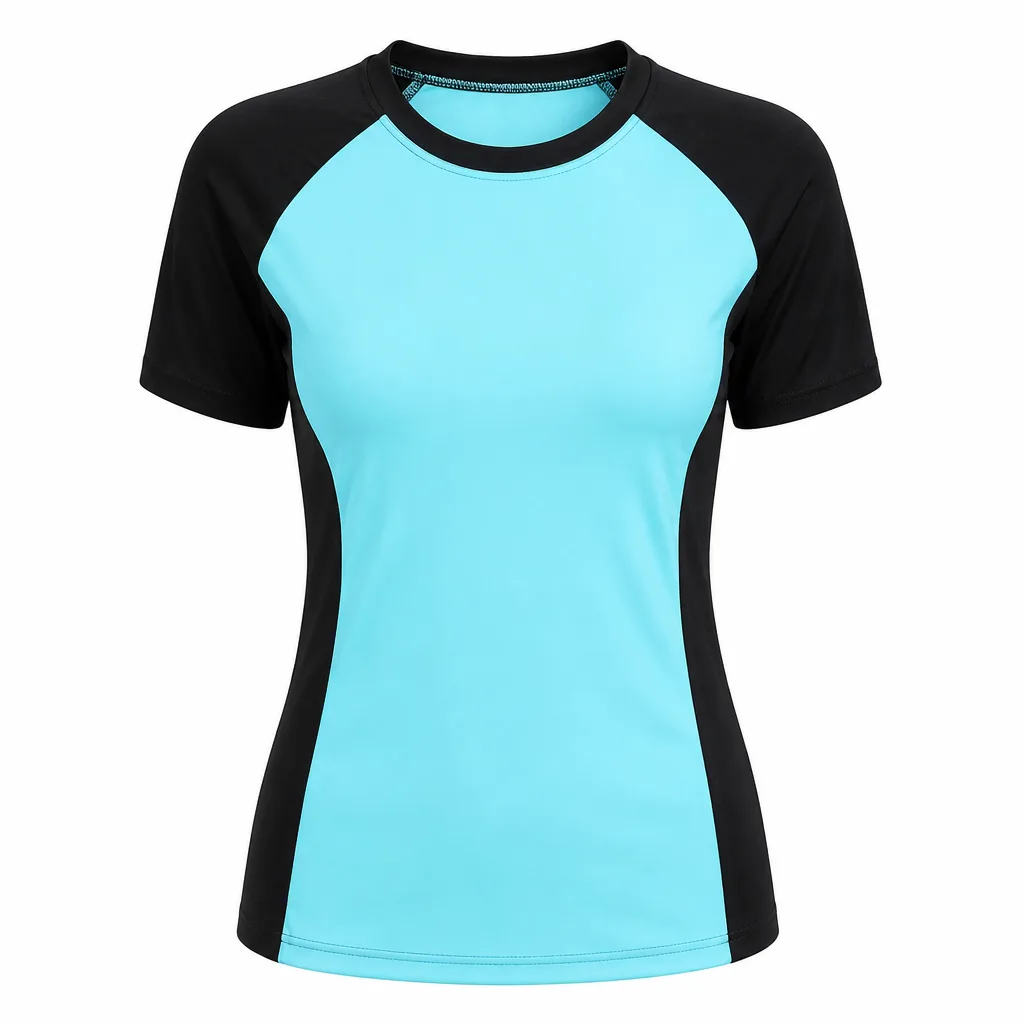
Not every class is gi day—many MMA gyms emphasize no-gi for wrestling and submission grappling. Start with a short-sleeve rashguard in spandex-polyester (80/20 blend for stretch). Venum or Hyperfly long-sleeve versions prevent mat burns during elbow escapes, with flatlock seams that won't chafe under a wetsuit-like second skin. For what to buy for first BJJ class for training, pair it with split-thumb grappling shorts—no pockets to snag, and silicone-lined waistbands keep them secure during single-leg takedowns.
Insider knowledge: Avoid cheap athletic shirts; they bunch up in half-guard, killing your guard work. Spats (compression leggings) are a game-changer for leg riders—Everlast's nylon-spandex pair grips without restricting hip mobility. In home workouts or Kickboxing-BJJ hybrids, these wick sweat better than board shorts. Check our rashguards selection for antimicrobial treatments that fight odor after back-to-back sessions.
Protection and Hygiene Must-Haves
Safety first—mouthguards save teeth in live rolls. Get a dual-arch boil-and-bite from Shock Doctor; it molds in 30 seconds for custom fit, unlike flimsy stock ones. Flip-flops (Zori-style) are non-negotiable off-mat; EVA foam soles prevent foot fungus in locker rooms. A microfiber towel and gallon water jug (insulated like Yeti) keep you hydrated without mid-class breaks.
For MMA fighters, add athletic tape for finger jams—pre-wrap your pinkies before class. Women: High-compression sports bras with moisture-wicking fabrics. All this gear? Under $50 extra, but it prevents injuries that sideline you for weeks.
Transformation: How Gear Unlocked My BJJ Progress
Three months in, properly geared, I tapped a blue belt for the first time. The gi's tailored fit let me shrimp explosively without fabric drag. Rashguards turned sweat into an ally, not an enemy, during 10-minute rounds. Sparring felt fluid— no distractions from slipping shorts or blistering grips. As an intermediate now, I roll with pros in competition settings, and that foundation gear scaled up seamlessly to Venum Elite gis for IBJJF events.
Beginners transform fastest with this setup: confidence surges when you're not fighting your clothes. Pros like Gordon Ryan swear by similar specs for endurance. In Muay Thai-BJJ flows or Boxing shadow grappling, the mobility carries over. Your first class shifts from survival to learning when gear matches the demand.
Lessons Learned: Honest Truths from the Mats
Not all gear is created equal—I've shredded knockoffs in one session. Skip $40 Amazon gis; their dye bleeds, shrinking 10% post-wash. Sizing runs small in Asian brands (Hayabusa) versus American (Fuji), so measure chest and inseam first. Budget $250-400 total for a complete beginner kit—value over vanity.
Limitations: Gis aren't for hot climates without quick-dry tech; no-gi shines there. Maintenance matters—air-dry everything to extend life 2x. For larger frames (over 250lbs), A3-A4 sizing with wide collars prevents neck strain. And hygiene: Gear left in bags breeds staph—wash after every use. These truths build trust: I'm not selling hype; I'm sharing what kept me training through 500+ classes.
Skill-level tweaks: Beginners stick basic; intermediates add padded rashguards for rash prevention. Pros? Custom-fitted with extra palm reinforcement for grip fighting. Environments vary—commercial gyms need antimicrobial everything; home setups prioritize portability.
Actionable Takeaways: Your First-Class Checklist
Ready to roll? Here's your prioritized shopping list for best what to buy for first BJJ class for fighters. Total investment: $300-500 for longevity.
- Gi (Priority 1): 450g pearl weave, white, A1-A2 size. Shop BJJ Gis at Apollo MMA.
- Rashguard + Shorts (Priority 2): Short-sleeve poly-spandex, no-gi split shorts. Pair with spats for full coverage. Browse our no-gi collection.
- Mouthguard & Flip-Flops (Priority 3): Boil-and-bite, rubber Zoris. $20 bundle.
- Accessories: Microfiber towel, insulated water jug, athletic tape. Add a gear bag with ventilation.
Pro checklist for MMA crossovers:
- Test fit in a drill: Can you hip escape freely?
- Wash protocol: Cold, hang-dry.
- Scale up: Once hooked, upgrade to 550g for comps via advanced BJJ gear.
Head to Apollo MMA's beginner kits—curated for your exact needs, worldwide shipping. Your first class awaits. Gear up, tap in, and transform. Questions? Drop them below—I've got the mats-tested answers.
Marcus Silva, Former Pro MMA Fighter | Gear Expert at Apollo MMA