What Makes BJJ Equipment Essential for Fighters
Picture this: You're deep into a grueling sparring session at your local gym, sweat pouring as your training partner locks in a tight armbar. Your gi fabric holds firm under the strain, preventing rips that could end the roll prematurely. Meanwhile, your rash guard wicks away moisture, keeping skin irritation at bay during those endless scrambles. As a former pro MMA fighter with over 15 years in the cage and on the mats, I've lived these moments countless times. This is where BJJ equipment shines—not as mere accessories, but as essential tools that protect, perform, and elevate your game.
In the world of mixed martial arts, Brazilian Jiu-Jitsu (BJJ) forms the backbone of ground fighting. Whether you're an aspiring fighter cross-training for MMA or a dedicated grappler, investing in quality BJJ equipment for fighters isn't optional—it's a game-changer. In this guide, we'll dive into why it's indispensable, from historical roots to modern applications, and share my hands-on recommendations to help you choose the best BJJ equipment for your needs.
The Evolution of BJJ Equipment: From Judo Roots to MMA Dominance
BJJ traces its lineage to Japanese Judo in the early 20th century, brought to Brazil by Mitsuyo Maeda and refined by the Gracie family. Early practitioners adapted judo gis—heavy cotton uniforms designed for maximum grip—into the pearl weave fabrics we know today. These weren't just uniforms; they were battle-tested for leverage and control in no-rules fights, much like the early UFC events where Royce Gracie submitted strikers with superior ground control.
Fast-forward to today, and MMA BJJ equipment has evolved dramatically. The rise of no-gi grappling in the 2000s, popularized by fighters like Roger Gracie and the Eddie Bravo system, introduced rash guards, spats, and shorts optimized for speed and submissions. Brands like Hayabusa and Venum pioneered antimicrobial fabrics to combat mat bacteria, a silent killer in high-volume training environments. I've trained in everything from dusty Gracie Academy dojos to modern MMA gyms, and the shift from stiff kimonos to flexible, breathable gear has made BJJ accessible for strikers transitioning from Muay Thai or boxing.
This history underscores a key truth: BJJ gear isn't static. It's adapted to fighters' needs, balancing tradition with innovation for disciplines like wrestling and kickboxing crossovers.
Core Principles: Why BJJ Equipment Matters More Than You Think
At its heart, BJJ is about efficiency—using technique over strength. Gear amplifies this by enhancing grip, mobility, and safety. Reinforced stitching in a Tatami gi collar withstands constant collar chokes without fraying, letting you focus on escapes rather than wardrobe malfunctions.
Hygiene ranks high too. Mats breed staph and ringworm; quality BJJ equipment for training with silver-infused polyester (like in Shoyoroll no-gi kits) fights back. Mobility is another pillar—stiff fabrics restrict guards, while 350gsm pearl weave strikes the perfect balance for competition rolling.
For MMA fighters, integration is key. BJJ gear bridges stand-up and ground, ensuring seamless transitions. Poor equipment leads to distractions: a slipping rash guard exposes skin to road rash during takedowns, or baggy shorts snag on opponents' grips.
Grip and Control Dynamics
- Pearl weave (A1-A4 thicknesses): Lighter for speed, heavier for control—ideal for different body types.
- No-gi silicon grips: Prevent slides in sweaty scrambles, crucial for wrestling-heavy MMA styles.
Safety and Durability Standards
Industry benchmarks like IBJJF specs ensure gis pass flat-drying tests without shrinkage. I've seen cheap imports balloon after one wash, ruining fit for pros.
Breaking Down the Essentials: A Deep Dive into BJJ Gear Categories
Let's dissect the must-haves, drawing from my cage time and thousands of training hours. Each piece addresses specific pain points for beginners sweating their first class to pros prepping for ONE Championship.
The Gi: King of Traditional BJJ
A quality gi, like Venum's Elite series with 450gsm gold weave, molds to your body over time. The jacket's reinforced knees handle guard passes, while pants feature cordura reinforcements at the knees for kneebar durability. Sizing tip: Go true-to-size for competition; size up for drilling to avoid restriction during long sessions.
Trade-offs? Gis dry slower than synthetics, so plan for home gym drying racks. For taller fighters (6'2"+), brands like Fuji offer XL lengths without excess fabric bunching.
No-Gi Gear: The MMA Fighter's Staple
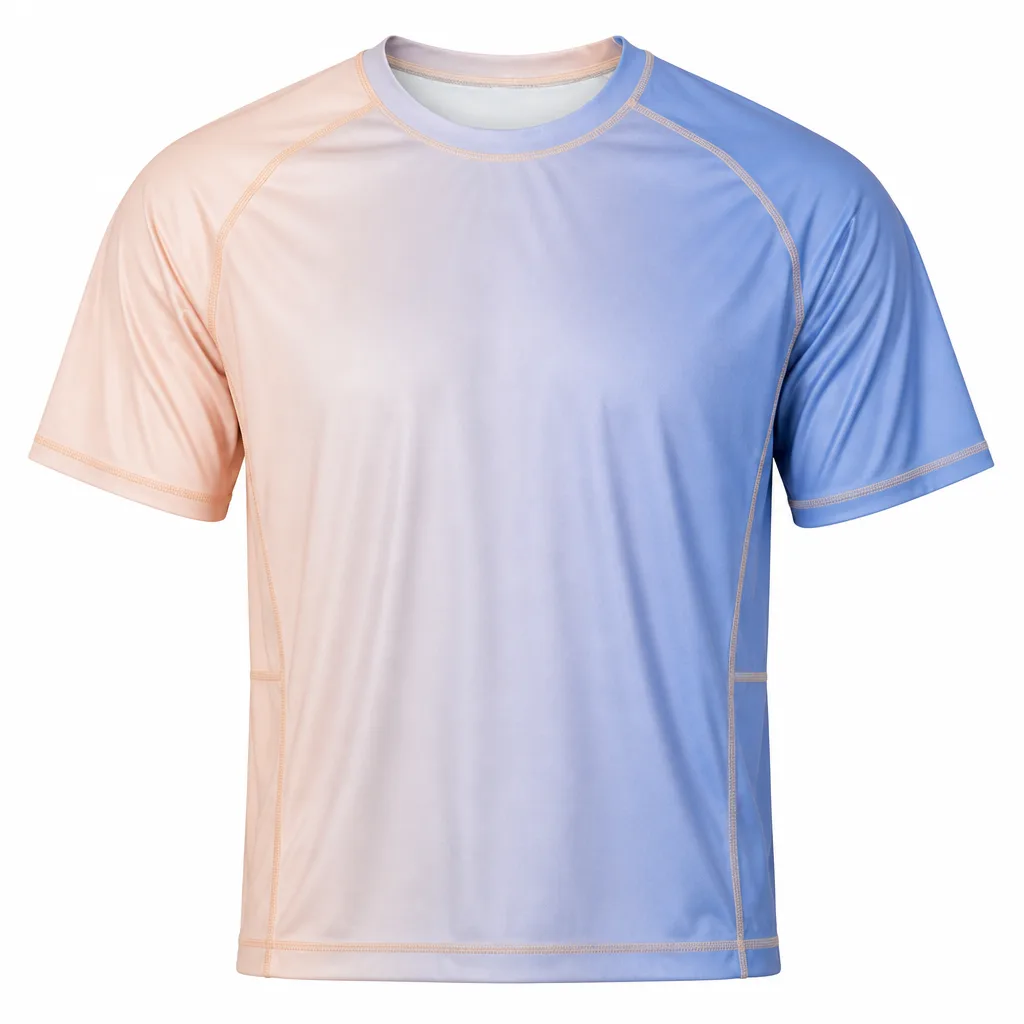
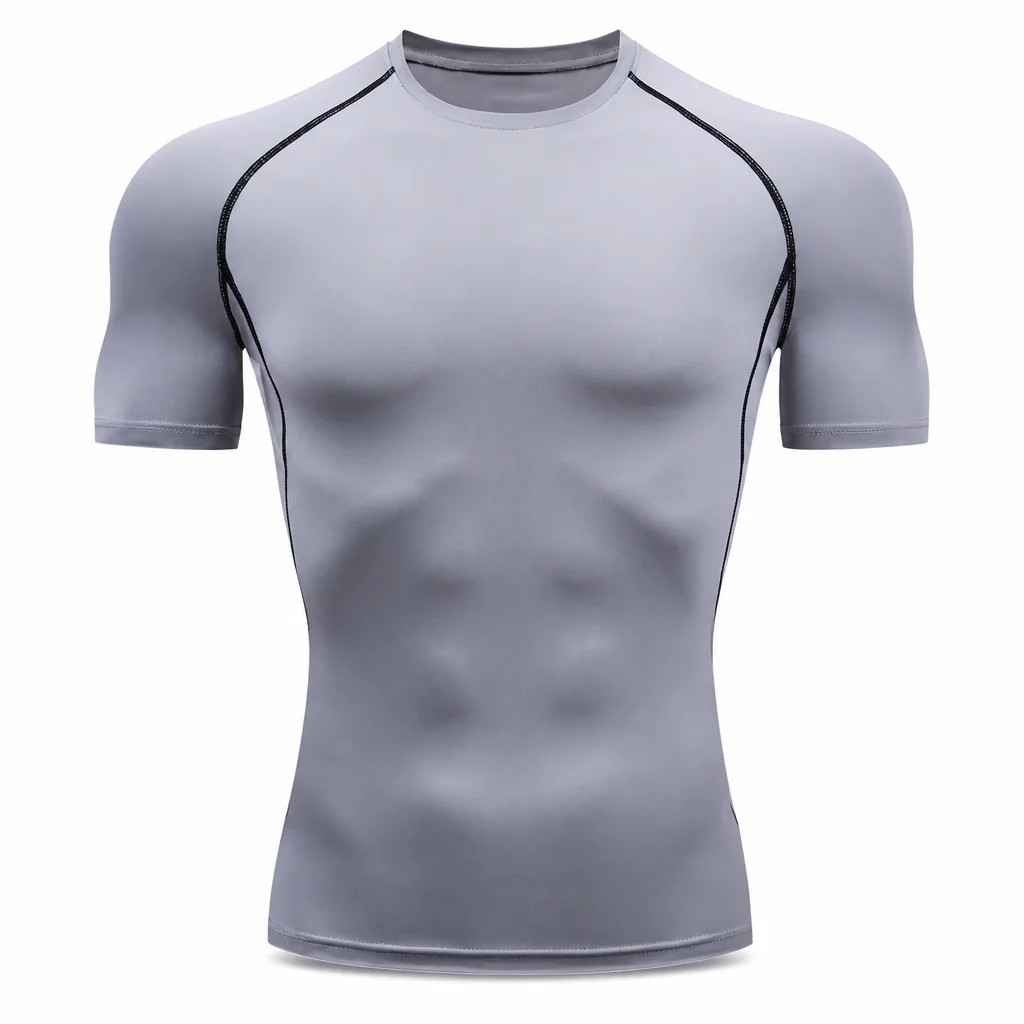
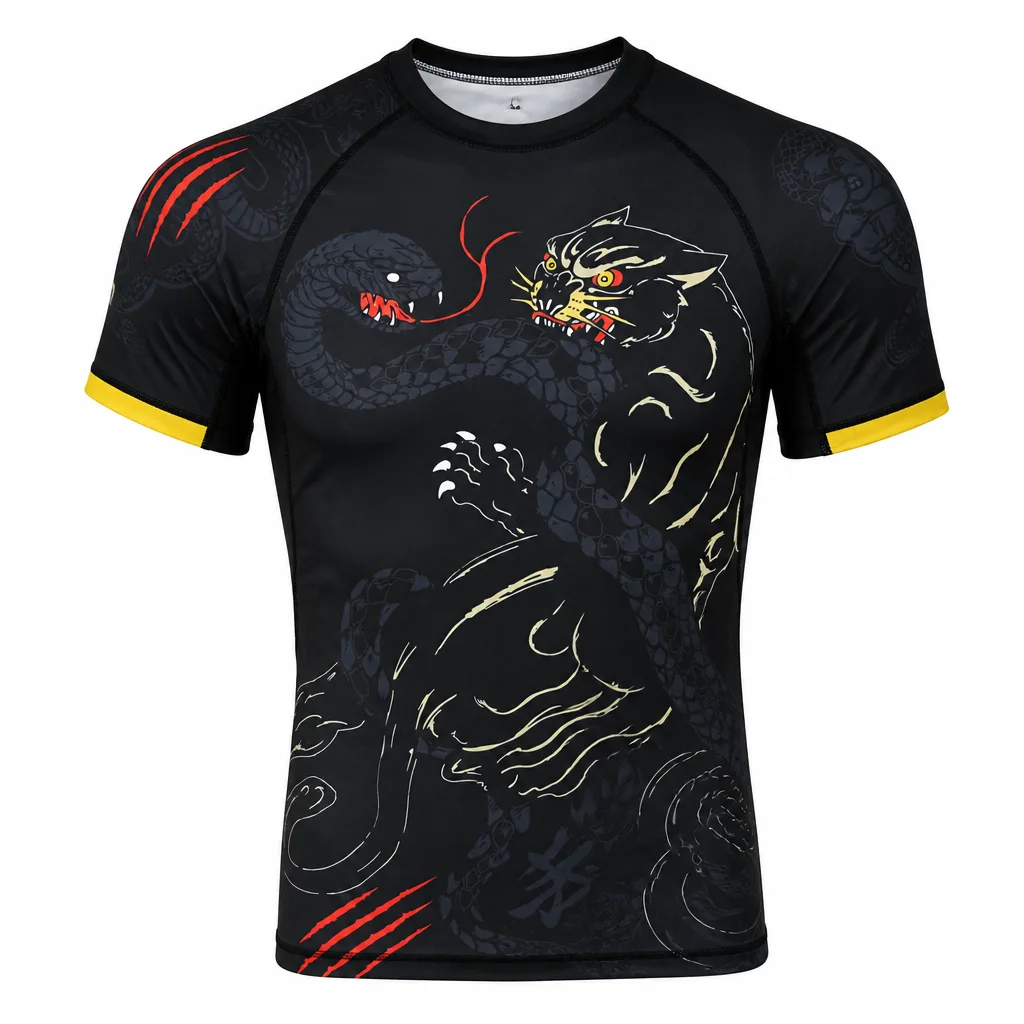
MMA BJJ equipment thrives here. Hayabusa's Performance rash guards use 92% polyester/8% spandex for four-way stretch, perfect for inverting in berimbolos. Pair with spats to prevent mat burns—I've rolled with bare legs and regretted it every time.
Fight shorts with split sides, like those from Twins, allow full hip mobility for shrimping. Avoid cotton blends; they absorb sweat and sag mid-spar.
Accessories That Punch Above Their Weight
- Mouthguards and Finger Tape: Shock Doctor models absorb impacts; tape knuckles to prevent tape cuts from gi grips.
- Belt Systems: Tatami's woven belts resist unraveling during bow-and-arrow chokes.
- Shin Guards for Sparring: Fairtex hybrids protect against stray kicks in MMA-BJJ fusion training.
Durability note: Expect 6-12 months from premium gear with weekly washes in athletic detergents. Cheaper options fail faster, risking injury.
Real-World Applications: Gear in Action Across Training Scenarios
Context is everything. In a commercial gym with 20-person open mats, antimicrobial BJJ equipment for training keeps you infection-free. Home workouts? Lightweight no-gi kits like Ringside's prevent overheating in small spaces.
For competition, IBJJF-legal gis ensure no disqualifications—I've seen blue belts DQ'd for undersized pants. Sparring demands hybrid setups: rash guard under gi for layering, or full no-gi with wrestling equipment for takedown drills.
Skill-level tweaks:
- Beginners: Affordable Everlast gis build fundamentals without breaking the bank.
- Intermediate: Venum no-gi for speed work in Muay Thai-BJJ classes.
- Advanced/Pros: Custom Shoyoroll with tailored fits for elite performance.
Safety first: Always inspect for tears pre-roll. Maintenance hack—freeze gis overnight to kill bacteria between washes, a pro trick from my fight camps.
Expert Picks: The Best BJJ Equipment Curated by Marcus Silva
After testing hundreds of pieces, here's my shortlist from Apollo MMA's premium selection. These aren't hype—they're battle-proven.
| Category | Top Pick | Why It Wins | Best For |
|---|---|---|---|
| Gi | Hayabusa Hakama Pro | 350gsm pearl weave, antimicrobial, IBJJF approved | All levels, comps |
| Rash Guard | Venum Alchemy | Silicon grip lining, quick-dry | MMA no-gi, sparring |
| Shorts/Spats | Tatami Elements | 4-way stretch, anti-slip | Wrestling drills |
| Accessories | Fairtex Mouthguard | Boil-and-bite, dual arch | Daily training |
Shop our full best BJJ equipment lineup at Apollo MMA. Pro tip: Layer with compression for vascularity and support during high-intensity sessions. Check out our fighter spotlight for how pros like Demian Maia gear up.
Honest caveat: Premium gear costs $150-300 per set, but it outlasts budget buys 3:1, saving money long-term. Not for casual once-a-weekers—start basic and upgrade.
Final Roll: Elevate Your Game with Purpose-Built Gear
From my first Gracie combative to UFC weigh-ins, quality BJJ equipment for fighters has been my silent partner. It prevents injuries, sharpens focus, and builds confidence on the mats. Whether blending BJJ into your MMA regimen or pure grappling, the right tools make all the difference.
Don't settle for generic gym store finds. Head to Apollo MMA today for gear that matches your hustle—worldwide shipping for fighters everywhere. Tap into our expertise, gear up right, and submit your goals. Oss!
—Marcus Silva, Former Pro MMA Fighter & Apollo MMA Gear Specialist