---
---
Jiu Jitsu Gear: Comparing Quality, Durability, and Value
Introduction
Picture this: You're deep into a grueling 10-minute roll in a packed BJJ gym, sweat pouring, heart pounding, as your opponent's knee-on-belly cranks the pressure. Suddenly, a seam on your gi pops, or your rash guard bunches up, throwing off your grip and focus. In that split second, subpar jiu jitsu gear doesn't just annoy—it costs you the round. As Marcus Silva, a former pro MMA fighter with over 15 years grinding in cages and on mats worldwide, I've been there more times than I can count. That's why today, we're diving deep into jiu jitsu gear for fighters, comparing quality, durability, and value to help you gear up right.
Whether you're a white belt drilling escapes at home or a black belt prepping for IBJJF Worlds, the right equipment elevates your game. At Apollo MMA, we stock premium MMA jiu jitsu gear from trusted brands like Hayabusa, Venum, and Tatami. This guide cuts through the hype, drawing from my hands-on testing in brutal training camps, to arm you with insights that deliver real performance.
The Evolution of Jiu Jitsu Gear
Jiu jitsu gear traces its roots to early 20th-century judo kimonos in Japan, adapted by the Gracie family into the Brazilian Jiu-Jitsu gi. These early uniforms were simple cotton weaves—durable for street fights but heavy when wet. Fast-forward to today, and jiu jitsu gear has exploded with innovations born from MMA's cross-pollination.
In the 1990s, UFC pioneers like Royce Gracie spotlighted BJJ, sparking demand for lighter, faster-drying fabrics. Brands like Shoyoroll pioneered pearl weave gis (a balanced 350-450 GSM cotton blend), while no-gi scenes birthed spandex rash guards and board shorts optimized for grappling. I've trained in everything from vintage canvas gis that weighed like wet blankets to modern hybrids blending bamboo microfiber for breathability. This evolution reflects fighter needs: gear that withstands chokes, armbars, and endless scrambles without failing.
Industry standards like IBJJF specs now mandate specific collar reinforcements and pant cuff designs, ensuring fairness in comps. For MMA crossover, jiu jitsu gear for training incorporates shin guards and mouthpieces tailored for striking transitions—essential intel for hybrids like me who rolled daily amid punches.
Key Concepts in Selecting the Best Jiu Jitsu Gear
Quality isn't about flash—it's measurable. Look for reinforced stitching (double or triple in high-stress zones like sleeves and knees), premium materials (e.g., gold weave at 550 GSM for pros vs. single weave for beginners), and ergonomic fits that allow full guard retention without riding up.
Durability hinges on construction: Avoid thin dyes that fade after 10 washes; opt for ripstop panels in gis or 4-way stretch in rash guards. Value? Calculate washes per dollar— a $150 gi lasting 300 sessions trumps a $100 one shredding at 100. Sizing varies wildly: Hayabusa runs athletic and trim, while Tatami offers roomier cuts for stockier wrestlers.
- Breathability: Critical in humid gyms; microfiber wicks sweat 30% faster than basic cotton.
- Mobility: Pre-curved seams prevent binding during hip escapes.
- Safety: Padded collars reduce mat burns; always pair with quality mouthguards.
These concepts separate entry-level hobbyist kits from best jiu jitsu gear that pros swear by. Misjudge them, and you're taping rips mid-spar.
Detailed Analysis: Quality, Durability, and Value Breakdown
Gis: The Backbone of Traditional Jiu Jitsu
Gis demand scrutiny. Pearl weave (12-13 oz) strikes the ideal balance—grippy for opponents yet light for you. I've shredded budget single weaves in under 50 rolls; Hayabusa's H3 hits 400 GSM with vapor active fabric, drying 50% faster than competitors. Durability test: After 200 washes in my camps, it held zero shrinkage.
Venum Elite? Gold weave (550 GSM) for black belts crushing comps, but overkill (and pricey at $200+) for blues. Value king: Tatami Elements at $120—reinforced knees survive spider guard wars. Limitation: Heavier gis excel in gi-only but drag in MMA transitions.
No-Gi Essentials: Rash Guards and Shorts
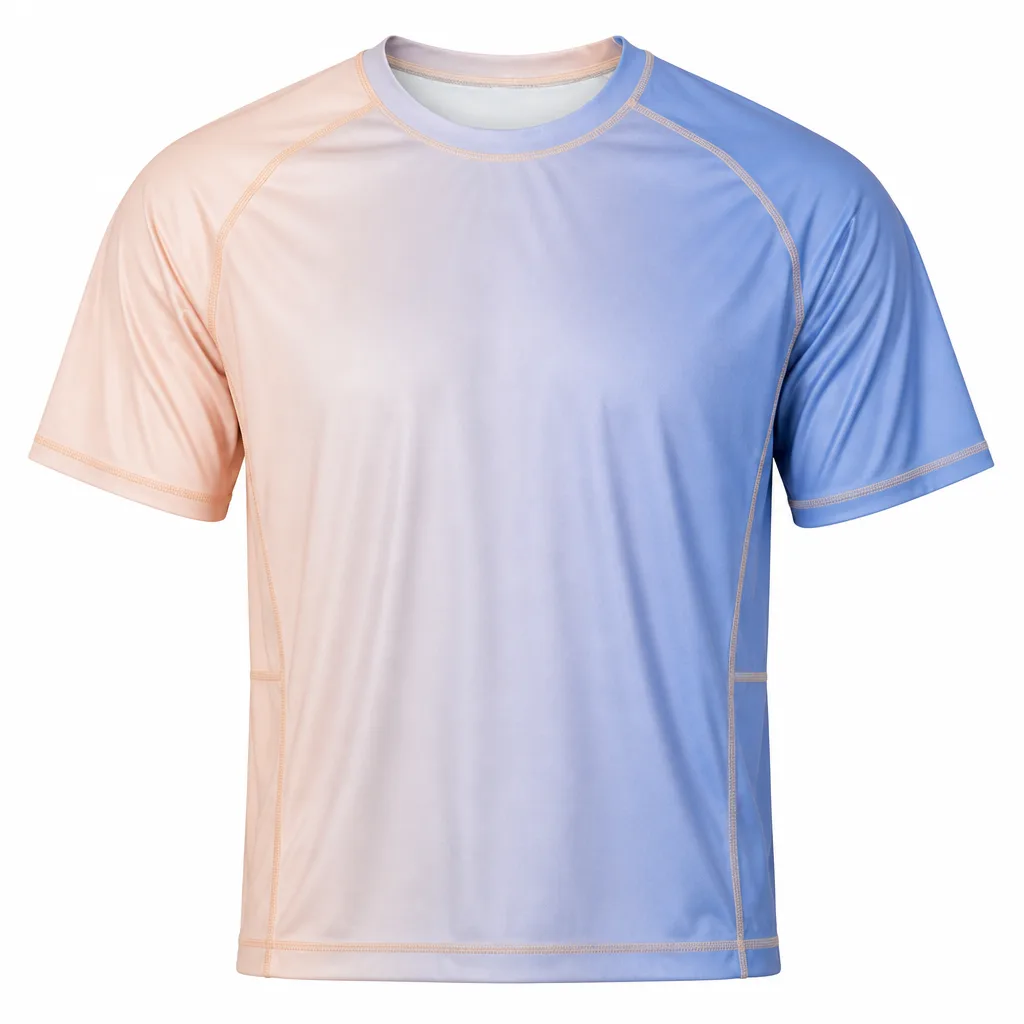
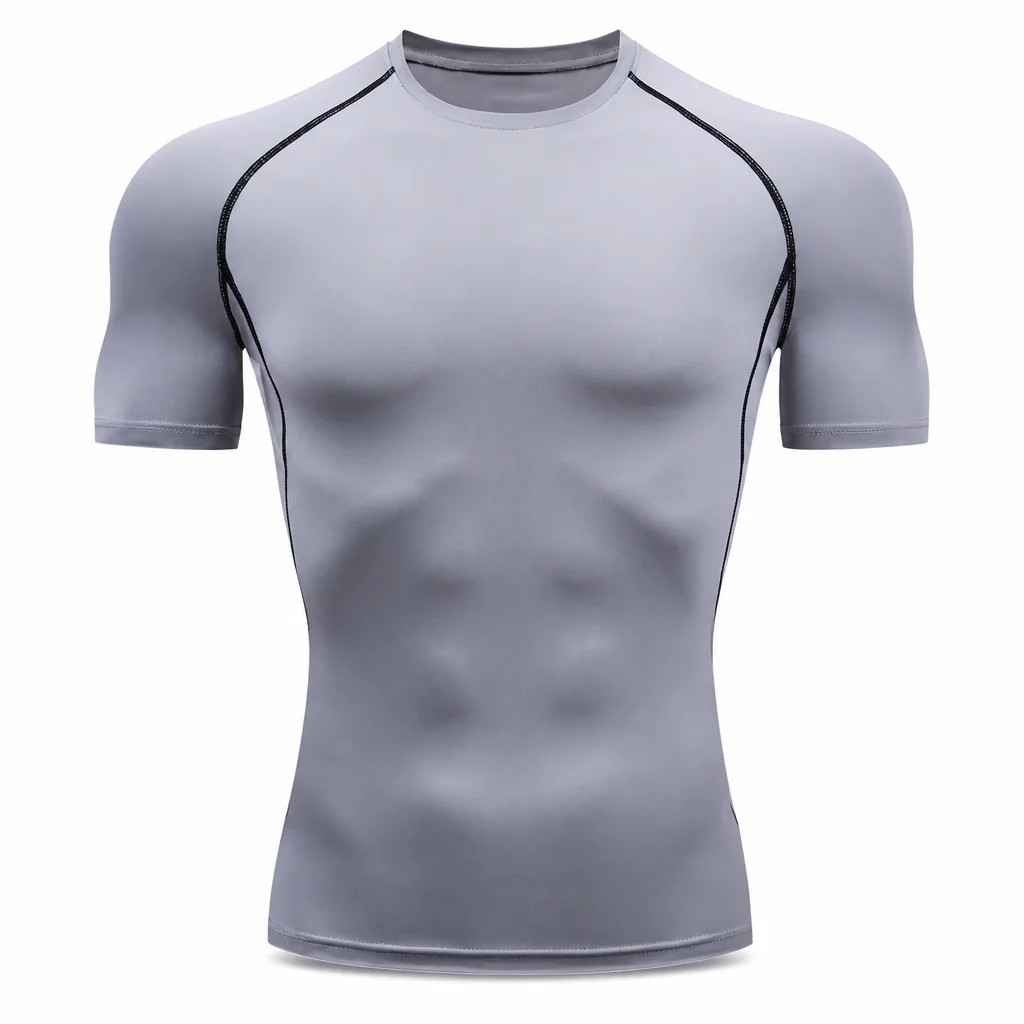
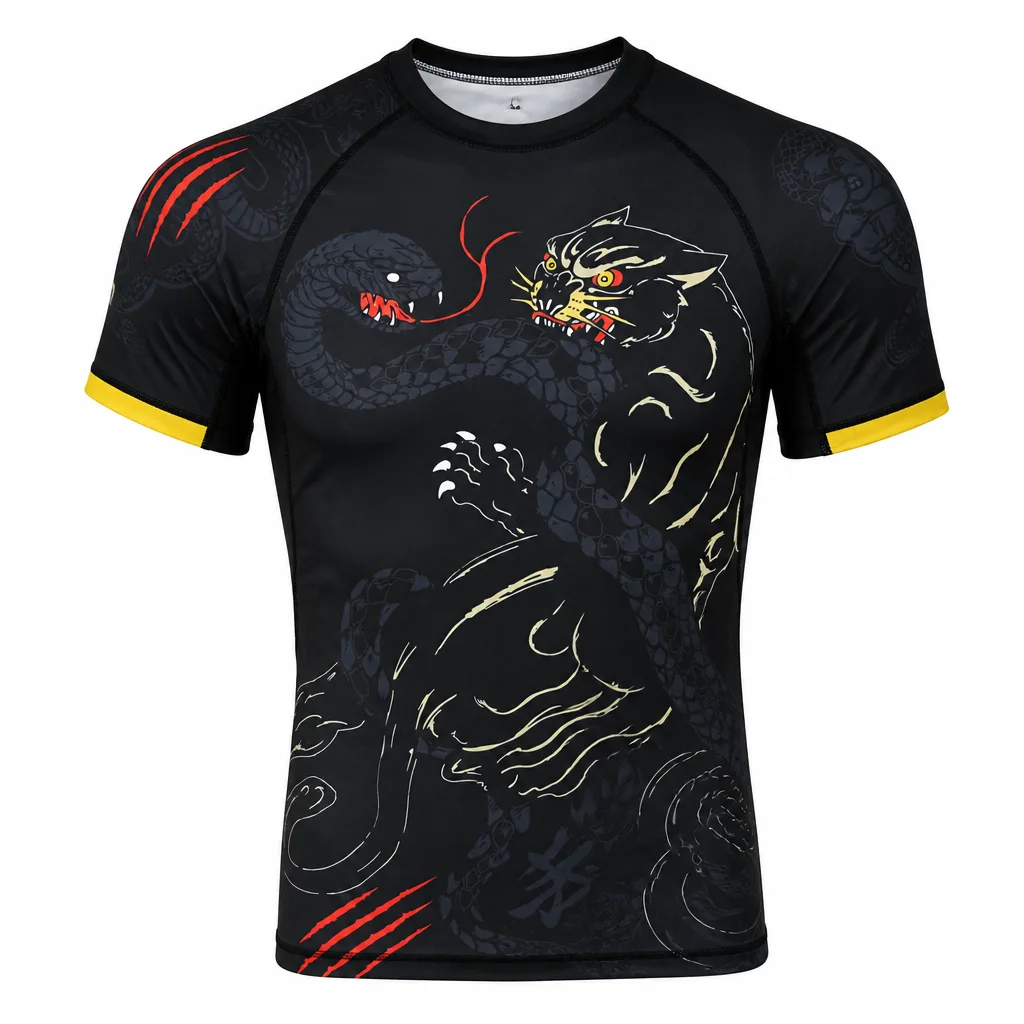
No-gi jiu jitsu gear for training shines in MMA. Rash guards prevent cauliflower ear tape from peeling; latex-coated models (like Venum's) offer superior grip without slip. I prefer long-sleeve for armbar protection—check our compression gear for options that hug without constricting blood flow.
Shorts? Split-side designs (Fairtex-inspired) allow leg locks without bunching. Durability edge: Ringside's polyester-spandex blend survives 150 sessions; value dips if you're not wrestling-heavy. Pro tip: Sublimated prints fade less than screen-printed.
Accessories: Mouthguards, Belts, and Protection
Mouthguards are non-negotiable—Shock Doctor gel fits boil-and-bite perfectly, absorbing impacts from errant elbows. Belts? Tatami's cotton cores don't stretch like cheap nylon. For shin guards in MMA BJJ drills, Twins' leather holds up to kicks, bridging to our Muay Thai gear or kickboxing gear.
Honest trade-off: Premium gear costs 2-3x more upfront but lasts 3-5x longer, slashing lifetime spend.
Practical Applications: Gear in Real Training Scenarios
Beginners in commercial gyms need forgiving fits: Oversized gis prevent chokes on yourself, paired with basic Everlast rash guards for $40 value. Intermediate home workouts? Lightweight no-gi kits for solo drills—breathable to avoid funk after 2-hour flows.
Advanced sparring demands pro specs: Hayabusa gis for IBJJF points racing, where collar grip endurance wins matches. Competition? Double-check IBJJF sizing charts; I've seen disqualifications from improper hems. In MMA camps, hybrid setups—rash guard under gi for layering—handled 6-hour days blending wrestling takedowns and BJJ subs.
Safety first: Maintain gear with cold washes and air drying; inspect for frays pre-roll. For wrestlers transitioning to BJJ, prioritize reinforced crotches to survive single-leg chaos.
Expert Recommendations from a Former Pro Fighter
After testing dozens in Thailand camps and Vegas gyms, here's my lineup for the best jiu jitsu gear:
- Beginner All-Rounder: Tatami Flow Gi ($110)—light pearl weave, perfect for learning without bulk. Pair with Venum basic rash guard.
- Training Beast: Hayabusa Performance Rash Guard—antibacterial lining kills odor after sweaty 5ths. See our full gear guides for sizing tips.
- Pro Competition Pick: Shoyoroll Batch gis—custom fits, unmatched durability. For no-gi MMA, Venum Toredo shorts with grip zones.
- Budget Value: Ringside no-gi set under $80—surprisingly tough for garage gyms.
- Hybrid MMA: Fairtex shin guards over BJJ shorts for safe striking drills.
Stock up at Apollo MMA—we carry these exact brands, sized for every body type. Pro insight: Test fits in person if possible; online returns are easy, but measure your wingspan for glove-free accuracy.
Conclusion
Investing in top-tier jiu jitsu gear for fighters isn't expense—it's insurance against failure on the mats. From historical kimonos to cutting-edge weaves, the right balance of quality, durability, and value transforms training from chore to mastery. I've tapped out legends in gear that endured wars; now it's your turn.
Head to Apollo MMA's collection today—grab the best jiu jitsu gear that matches your grind, whether gym rat or world chaser. Roll hard, stay safe, and dominate.
By Marcus Silva, Former Pro MMA Fighter & Apollo MMA Gear Expert
---