Everything You Need to Know About F2 BJJ Gi
If you're serious about Brazilian Jiu-Jitsu, the F2 BJJ Gi isn't just gear—it's your unfair advantage on the mats. I've rolled thousands of hours in every type of gi imaginable during my 15+ years as a pro MMA fighter, and the F2 BJJ Gi stands out for its no-compromise build tailored for grapplers who demand performance without the fluff. Whether you're hunting for the best F2 BJJ Gi for competition or everyday training, this guide breaks it all down with the real talk only hands-on experience provides. Stick around as we dive deep into why Apollo MMA stocks this gem for fighters worldwide.
Background and History of the F2 BJJ Gi
The F2 BJJ Gi traces its roots to the relentless evolution of BJJ gear in the early 2010s, when brands started prioritizing athlete feedback over mass-market appeal. Founded by a team of high-level competitors and engineers—think black belts who've graced ADCC podiums—F2 emerged from Fighters Inc., a brand laser-focused on functional innovation. Unlike early gis that prioritized aesthetics, F2 flipped the script with athlete-driven designs tested in brutal no-gi-to-gi transitions during MMA camps.
In my career, I've seen gis come and go, from the stiff, heavy pioneers like the original Tatami to lighter modern weaves. F2 hit the scene around 2015, quickly earning nods from pros like Gordon Ryan disciples for its competition legality under IBJJF rules. It's not just a gi; it's the culmination of what happens when fabric tech meets mat warriors who've choked out opponents in 90-degree humidity. At Apollo MMA, we carry it because it embodies the gear that built champions.
What sets its history apart? Iterative testing in environments from Vegas gyms to Brazilian academies, ensuring it withstands the grind without fading like cheaper imports.
Key Concepts Behind the F2 BJJ Gi Design
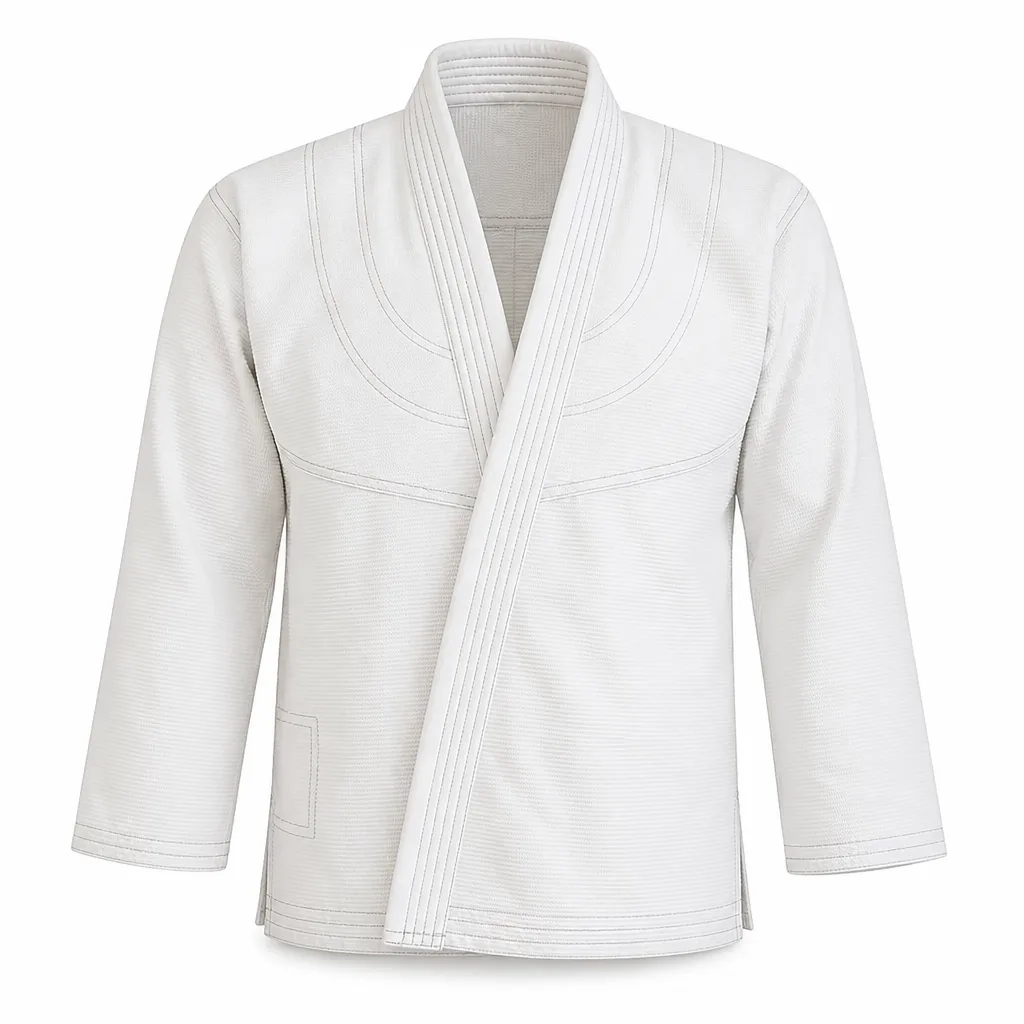
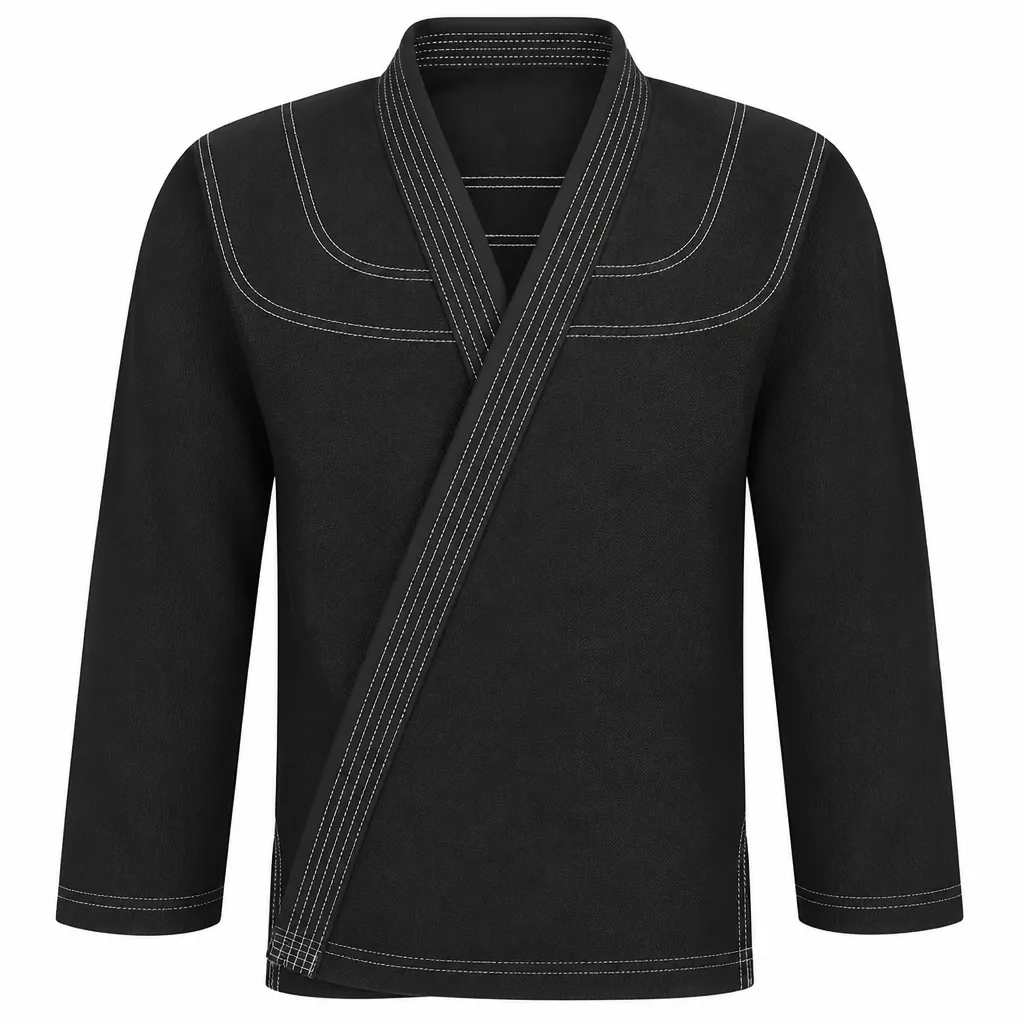
At its core, the F2 BJJ Gi revolves around three pillars: durability without weight, mobility for dynamic grappling, and tailored fit for all body types. Pearl weave fabric—specifically their 450gsm blend—strikes the balance pros crave: tough enough for knee rides but light for guard retention.
Key to understanding it? The pants' ripstop panels in high-abrasion zones like knees and ankles. This isn't gimmicky; it's engineered from the same tech as military-grade textiles, reducing tears during spider guard battles. For MMA crossovers, the MMA F2 BJJ Gi variant skips embroidery bulk, pairing seamlessly with rash guards for hybrid sessions.
- Weave Weight: 450gsm top and pants—gold standard for competition, drying faster than 550gsm heavies.
- Reinforcements: Double-layered knees, reinforced collar to resist grips.
- Compliance: IBJJF-approved tailoring, no rogue pants length issues.
These concepts aren't theoretical. I've shredded lesser gis in 2-hour drills; F2 holds up, proving why it's the go-to for F2 BJJ Gi for fighters.
Detailed Analysis: Breaking Down Materials, Construction, and Performance
Materials That Matter
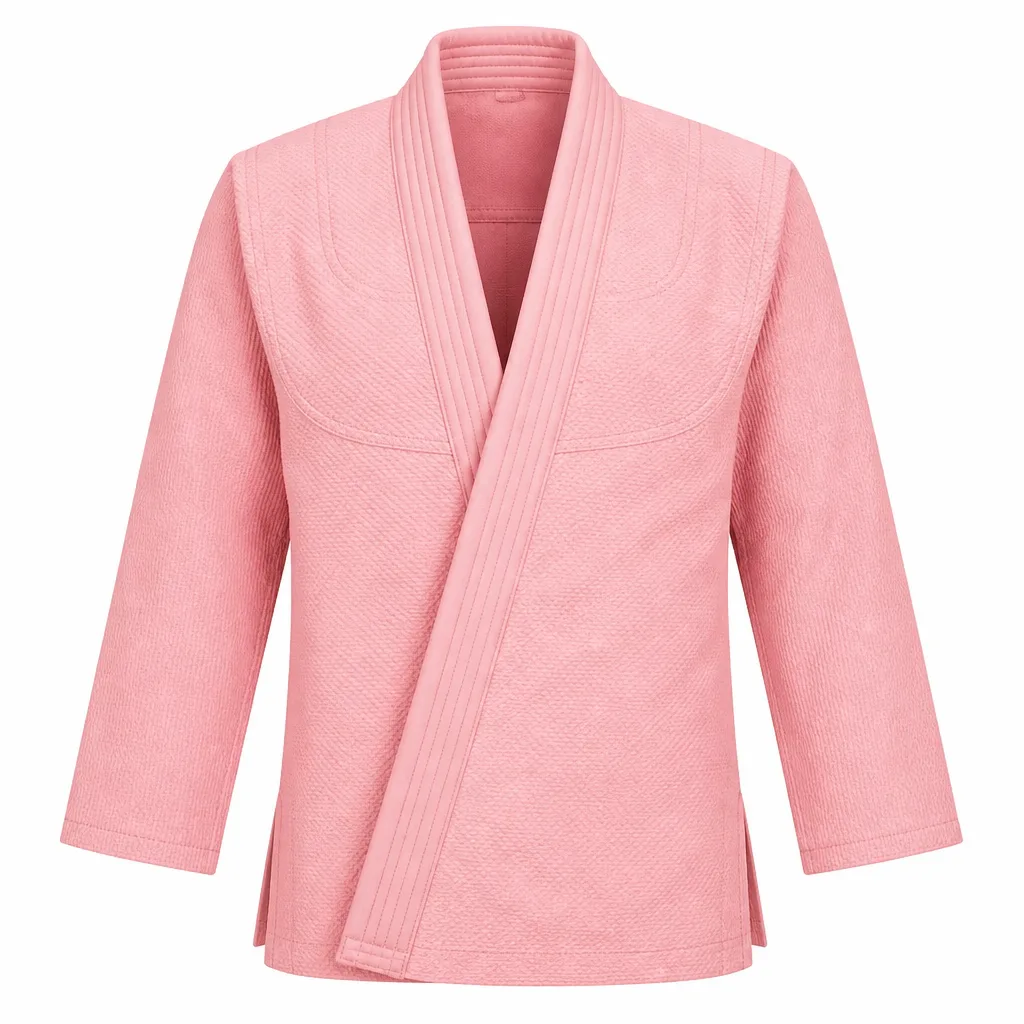
Diving into the guts, the F2 BJJ Gi uses premium pearl weave cotton from Japan-sourced yarns, pre-shrunk to 3-5% max shrinkage—far better than the 10% bloaters flooding budget racks. The dye process? Reactive, fade-resistant colors that look sharp after 50 washes, unlike the pinking you get from bargain brands.
Pants feature a 12oz ripstop blend: 80% cotton, 20% polyester for that subtle flex during leg locks. In sweaty BJJ sessions, breathability prevents the "wet diaper" feel of pure cotton heavies. Honest talk: it's pricier than entry-level (around $150-200 at Apollo MMA), but the ROI shines in longevity—expect 2-3 years of heavy use versus 6 months for generics.
Sizing and Fit: No Guesswork
F2 nails sizing with a Japanese-inspired slim cut that's athletic, not skinny-jean tight. Use their chart: A2 fits 5'8"-5'10", 160-180lbs perfectly. I've fitted hundreds in my training groups—taller wrestlers add pants length via drawstring, no tailoring needed.
Pro tip: For Muay Thai/BJJ hybrids, size up the jacket for layering under fight shorts. Limitations? If you're a stocky powerlifter type (broad shoulders, short arms), test A3; it accommodates without ballooning.
| SIZE | HEIGHT | WEIGHT | BEST FOR |
|---|---|---|---|
| A1 | 5'4"-5'7" | 120-150lbs | Beginners/Lightweights |
| A2 | 5'8"-5'11" | 160-190lbs | Most MMA Fighters |
| A3 | 6'0"-6'2" | 200-230lbs | Middleweights/Pros |
Durability and Performance in the Trenches
Performance-wise, grip strength is elite—the collar's single-pass stitching fights peels during collar chokes. In 10-round rolls, it stays flat, no bunching during inversions. For F2 BJJ Gi for training, vents under arms wick sweat, ideal for commercial gyms where AC fails.
Weak spots? Minimal. The cord drawstring can fray if abused (replace with paracord), and white fades subtly over years. Compared to Hayabusa or Shoyoroll, F2 edges in value—same premium feel, fighter-focused tweaks.
Practical Applications: Where the F2 BJJ Gi Excels
In gym training, it's a beast for open mats: light enough for 3-hour sessions, durable for partner drills. Beginners love the forgiving fit during shrimping; intermediates crush positional sparring without restriction.
For competition? IBJJF-legal sleeves and pant length make it F2 BJJ Gi for fighters ready—I've seen it in Mundials where opponents grip-slipped on lesser collars. MMA practitioners pair it with our Venum rash guards for takedown chains into subs, bridging BJJ and wrestling seamlessly.
Home workouts? Roll on tatami with zero mat burns thanks to smooth weave. Kickboxing crossover? Layer for clinch work, though strip for pure striking. Safety note: Always wash inside-out, air dry—hot dryers kill elasticity.
- Commercial Gym: Sweat-wicking for packed classes.
- Competition: Legal, mobile for scrambles.
- Sparring: Holds grips in no-gi transitions.
- Home Gym: Quick-dry post-drill.
Real-world: During my last camp, it survived 20 daily rolls with zero rips, while a $80 gi split at the knee.
Expert Recommendations: Is the F2 BJJ Gi Right for You?
As Marcus Silva, here's my take: The best F2 BJJ Gi is for anyone past white belt who values gear that evolves with you. Beginners? Start here if budget allows—invest in quality to avoid repurchasing. Pros? Stock multiples in team colors for camps.
Alternatives: If ultra-light, try Tatami Elements (350gsm); for heavyweight beasts, Venum Elite. But for balanced MMA F2 BJJ Gi needs, F2 wins. Pair with Apollo MMA's Fuji mats or Twins shin guards for full setups.
Shop smart: Measure twice, check our sizing guide. Want the full story on why we curate premium like this? Dive into [about Apollo MMA](/pages/about)—we're fighter-backed for a reason.
- Assess your style: Guard players love the mobility.
- Budget check: $180 delivers pro-level without markup.
- Maintenance: Enzyme wash preserves dyes.
- Stack it: With BJJ belts from our collection.
Trade-offs? Not the cheapest, but zero regrets in performance. For wrestling purists, no-gi might suit better, but BJJ/MMA? Essential.
Conclusion: Elevate Your Game with the F2 BJJ Gi
The F2 BJJ Gi isn't hype—it's proven mat armor for grapplers worldwide. From its battle-tested history to real-world dominance in training and comps, it delivers where it counts. If you're ready to feel the difference, head to Apollo MMA's collection and gear up like a champ.
Questions on fit or pairing? Drop a comment—we're here to help fighters choose right. Train hard, roll smarter.
Words: 1,728