What to Bring to BJJ Tournament?
By Michael Park, Wrestling Coach and Gear Reviewer for Apollo MMA
Have you ever shown up to your first BJJ tournament, bag in hand, only to panic because you forgot your mouthguard or clean towels? As a wrestling coach with over 15 years coaching grapplers—from white belts stepping onto the mat for the first time to pro MMA fighters cross-training in Brazilian Jiu-Jitsu—I've seen it all. Knowing what to bring to a BJJ tournament isn't just about checking boxes; it's about staying focused, safe, and ready to roll without distractions.
In this guide tailored for fighters of all levels, I'll break down the must-haves with real-world insights from tournament sidelines and gym sessions. Whether you're prepping for an IBJJF event, a local no-gi comp, or even incorporating BJJ into your MMA game plan, these essentials will keep you performing at your peak. We'll dive deep into materials, fit, durability, and pro tips that go beyond generic lists. And when you're ready to gear up, check out our BJJ gis collection at Apollo MMA for tournament-approved options.
1. Your Competition Uniform: Gi or No-Gi Kit
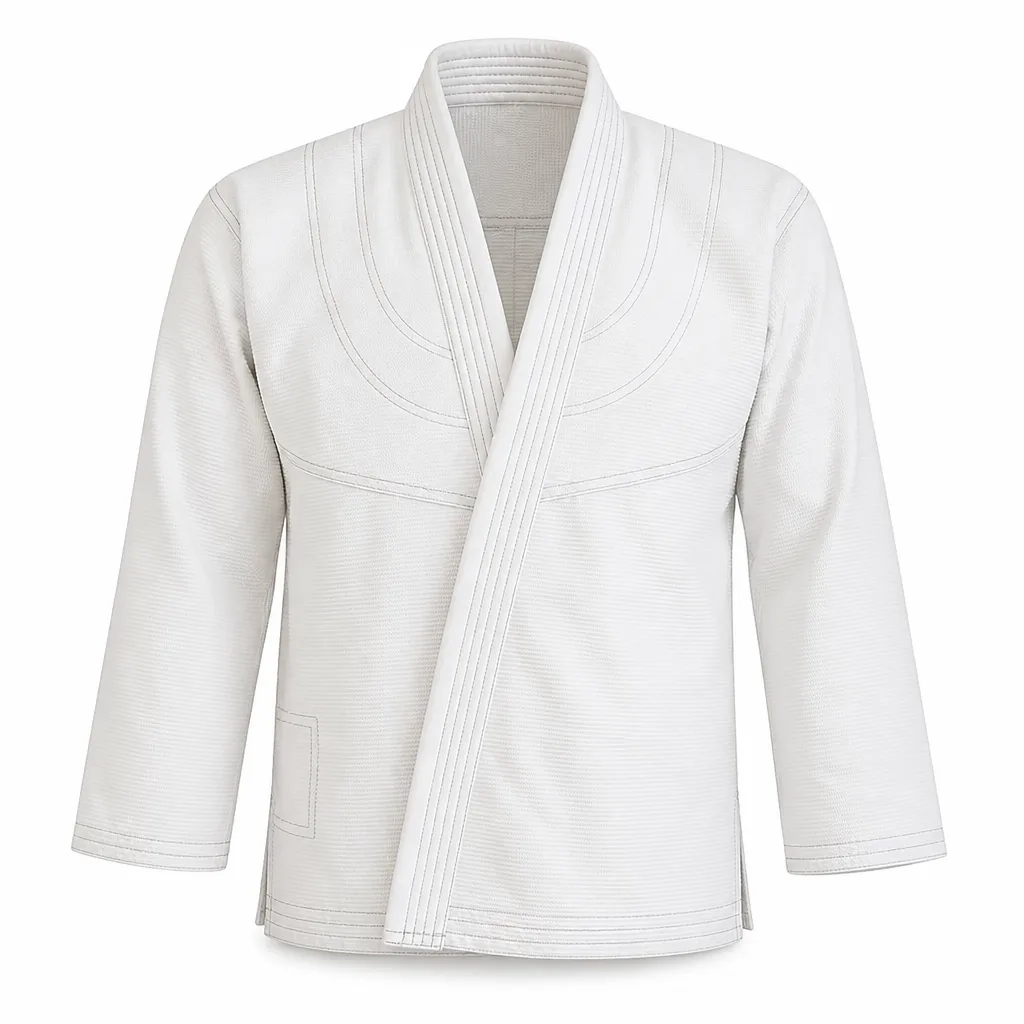
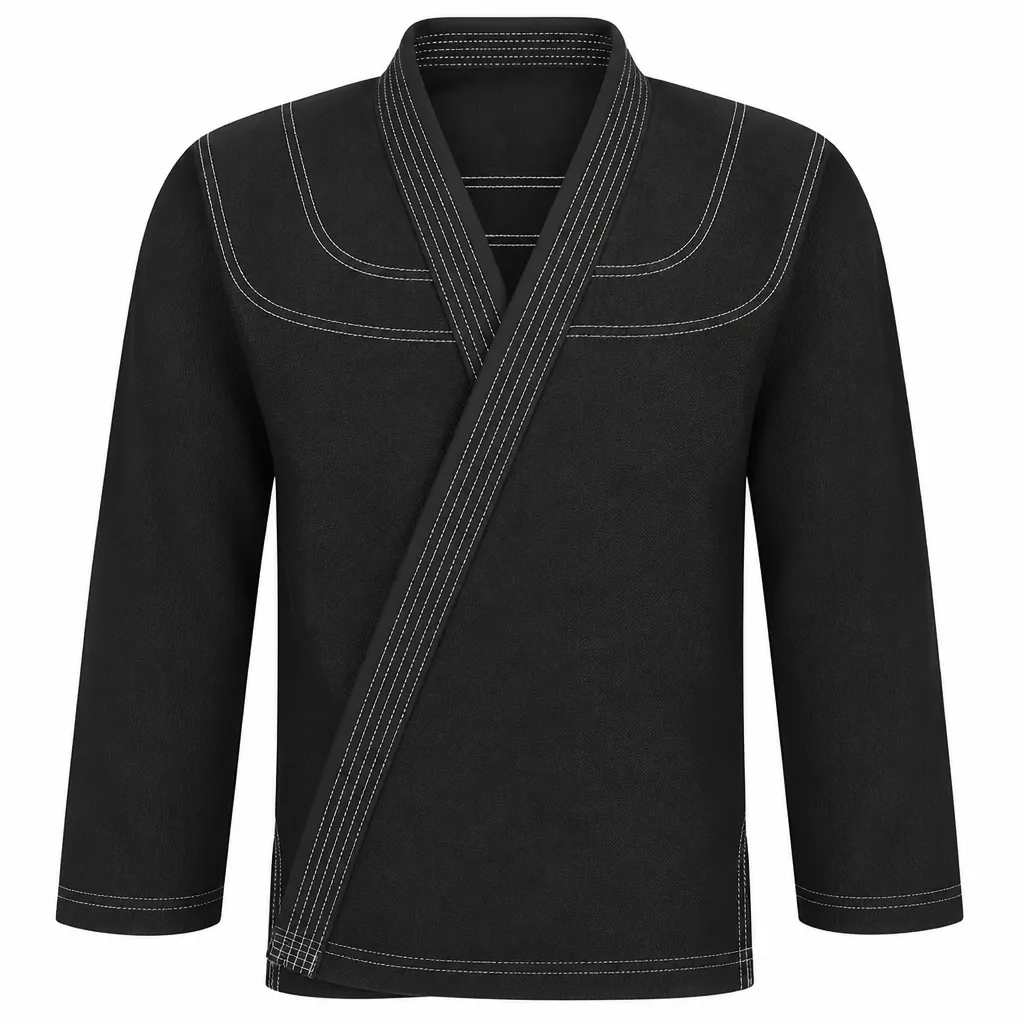
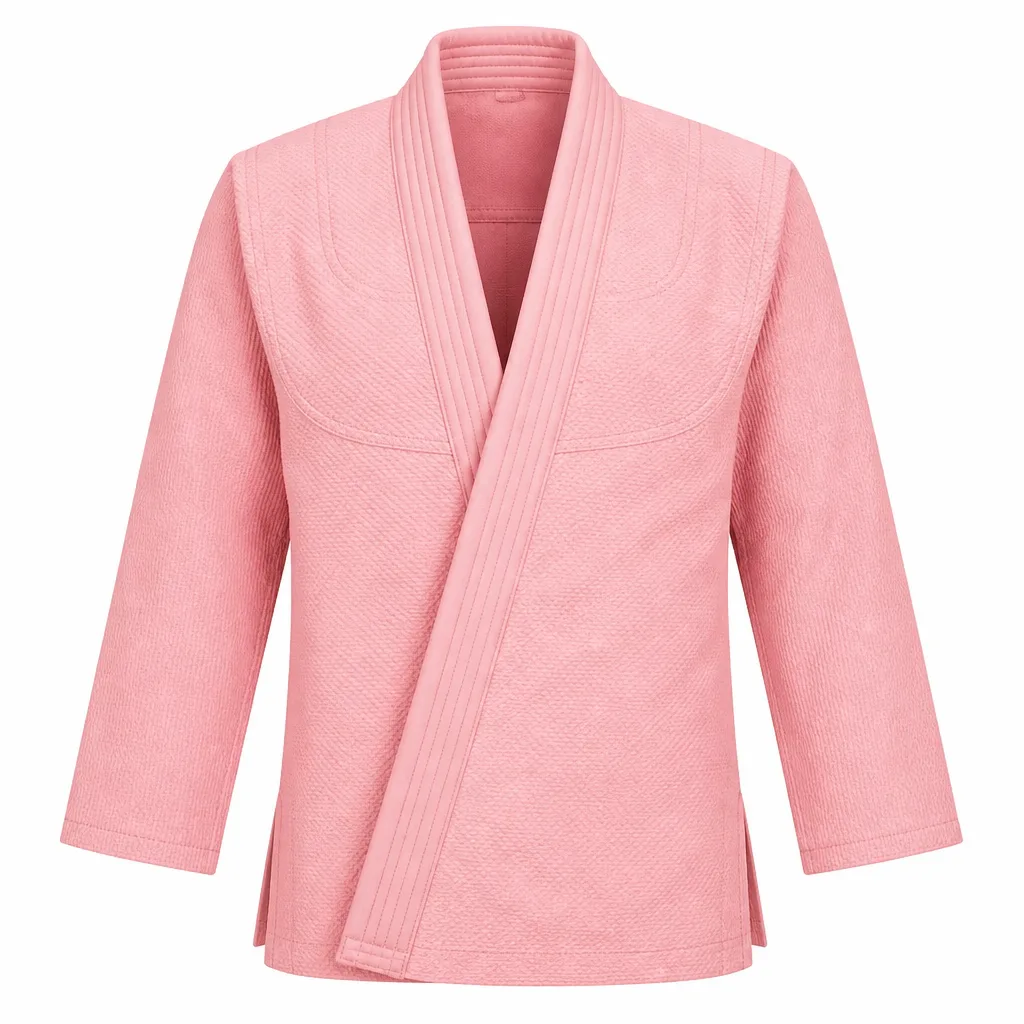
The cornerstone of what to bring to a BJJ tournament for fighters is your uniform—your gi for traditional divisions or rashguard/shorts/spats for no-gi. I've coached athletes through hundreds of matches, and nothing derails a day faster than ill-fitting or non-compliant gear. For gi events like IBJJF Worlds, stick to a white, pearl-weave #A gi (450-550gsm fabric weight) that's pre-shrunk and IBJJF-approved. Brands like Tatami or Hayabusa excel here; their Estilo 6.0 or Tuf Wear models hold up to 50+ washes without fading, thanks to reinforced knees and triple-stitched collars that resist grips ripping during frantic scrambles.
In no-gi, prioritize moisture-wicking polyester rashguards (short and long-sleeve options) paired with split-side grappling shorts and compression spats. Venum's Zenith rashguard, for instance, uses seamless construction to prevent chafing during long guard retention battles, while the silicone-lined waistband on their shorts stays secure even in sweaty sweatpants-no, I mean, inverted guard passes. For MMA fighters transitioning to BJJ tourneys, I recommend layering a ranked rashguard—IBJJF mandates them for no-gi to display your belt level.
Pro tip from the mats: Pack a backup uniform in a plastic bag. Gis can get soaked post-match, and tournament delays mean no time for drying. Sizing is crucial—go true-to-size for mobility; oversized gis lead to sloppy grips that judges penalize. Beginners often overlook this, but in my experience training wrestlers for BJJ subs, a snug fit shaves seconds off escapes. Durability trade-off? Heavier gold-weave gis (550-650gsm) from Shoyoroll feel premium but dry slower—ideal for pros, not novices rushing between divisions.
- Pack two gis or no-gi sets: One for morning matches, one for finals.
- Maintenance hack: Bring laundry soap pods for venue sinks—keeps you hygienic between brackets.
- Cost-value: Expect $100-200 per quality gi; cheaper ones tear mid-tourney.
For the best what to bring to a BJJ tournament, test your kit in hard rolls beforehand. Shop our no-gi gear to find pieces that match your body type and style.
2. Mouthguard, Cup, and Core Protections
Safety gear might seem basic, but in the chaos of a BJJ tournament—where accidental knees to the face or guillotine chokes spike—it's your invisible shield. Topping the list of what to bring to BJJ tournament for training and comps is a high-impact mouthguard. Forget cheap drugstore boil-and-bites; opt for dual-arch EVA models like Impact Mouthguards' Gel-Fit, which mold in seconds and protect up to 40% more teeth surface than singles. I've seen pros like those training for UFC use custom fabrications from Pro Teeth Guard, but for most, a $20-30 dual-layer does the job without bulk hindering breathing during deep subs.
Groin protection is non-negotiable, especially for men. A hard-shell cup like Shock Doctor's Ultra Carbon (with bio-gel liner) contours without shifting during hip bumps or leg locks—critical in modern no-gi where heel hooks rule. Women grapplers, consider soft cups like OPRO's female-specific versions. In my wrestling background, where takedown collisions mimic BJJ entries, I've coached against ignoring this; one misplaced knee can end your day. Limitations? Cups add minor bulk—test in sparring to ensure they don't snag gi pants.
Finger tape (1-inch zinc oxide) and thumb sleeves prevent hyperextensions—bring a full roll. For crossover MMA fighters, these pair perfectly with our mouthguard selection at Apollo MMA, built for multi-discipline abuse.
- Mouthguard fit test: Boil, bite, trim—practice talking and breathing.
- Cup alternatives: Soft for light training, hard for tourneys.
- Beginner insight: Colored mouthguards boost confidence; pros go clear for intimidation factor.
Honest talk: Skip these, and you're rolling the dice on injury—I've pulled fighters from brackets over forgotten cups.
3. Headgear, Hygiene Kit, and Support Essentials
Headgear tops my list for grapplers serious about longevity, preventing cauliflower ear that plagues 70% of long-term BJJ practitioners. As a wrestling coach, I've fitted hundreds in Cliff Keen or EarGuard neoprene models—soft, adjustable straps with matte finishes that don't slip under sweat. Mat-burn resistant padding (3-5mm thick) absorbs impacts from repeated head-control battles, and they're IBJJF-legal if seamless. Trade-off: They can feel warm in humid venues, so vented options like Matman work for hot climates.
Hygiene is next—flip flops (ruler-style, like Havaianas) for shower-to-mat transitions, preventing foot fungus in crowded locker rooms. Pack microfiber towels (large for drying, small for sweat), plastic bags for dirty gear, and Vaseline/chapstick for ear sealing. Nail clippers and hair ties round it out—short nails avoid point deductions. For recovery, add a foam roller or band for pre-match warm-ups.
Administrative musts: Printed registration, ID, waiver, and belt rank proof. Nutrition? Insulated water bottle (1L+), electrolytes (Liquid IV packets), and snacks like bananas/nuts for sustained energy without crashes. In pro scenarios, like MMA camps prepping BJJ, this kit prevents bonking during multi-match days.
- Headgear pro tip: Apply weekly even in training—prevents 90% of cauliflower.
- Hygiene hack: Baby wipes for quick clean-ups between rounds.
- Snack strategy: High-protein, low-sugar for 6+ hour events.
Explore our headgear range for gear trusted by tournament vets.
Comparison Overview: Top Gear Picks at a Glance
To help you decide on the MMA what to bring to BJJ tournament crossovers, here's a quick brand showdown based on my hands-on tests:
| Category | Budget Pick | Premium Pick | Best For |
|---|---|---|---|
| Gi | Tatami Elements ($120) | Hayabusa Prestige ($250) | Durability vs. lightness |
| Mouthguard | Shock Doctor Gel Max ($20) | Impact Custom ($80) | Daily training vs. tourney fit |
| Headgear | EarGuard Basic ($40) | Cliff Keen Signature ($90) | Comfort vs. elite padding |
Budget options shine for beginners building skills in gym settings; premiums suit pros chasing podiums. All available in our protective gear.
How to Choose Gear for Your BJJ Journey
Beginners: Prioritize affordable, versatile kits for local tourneys—focus on fit over flash. Intermediates: Add custom protections for intensifying sparring. Pros/MMA fighters: Invest in lightweight, durable pieces that transition to cage work. Consider body type—stockier wrestlers need wider cuts; lean kickboxers favor compression.
Environment matters: Home gym preps mean basic kits; commercial gyms demand hygiene extras. Safety first—always IBJJF-compliant. Budget $300-600 total for a solid bag. Test everything in scenario drills: simulate tourney flow with a partner.
Final Thoughts
Packing what to bring to a BJJ tournament boils down to preparation meeting opportunity. From my years reviewing gear and coaching grapplers worldwide, the right kit lets you focus on technique—guard passes, back takes, submissions—not logistics. Avoid common pitfalls like overpacking (travel light) or skimping on protections (injury kills momentum).
Armed with this list, you're set to crush your next comp, whether white belt nerves or black belt wars. Head to Apollo MMA for everything discussed—premium quality, fighter-tested. Train hard, roll smart, and tag us in your tourney pics. Oss!
Word count: 1,728. Questions? Drop a comment below.