Bjj Gi for Cold Weather: A Fighter's Guide to Selection and Use
Introduction
Imagine stepping onto the mats for a late-night BJJ session in a drafty gym during a brutal winter storm. The chill seeps through thin cotton, your grips weaken from numb fingers, and every guard pass feels like wrestling in an ice bath. That's when a proper BJJ gi for cold weather becomes your secret weapon—keeping you warm, mobile, and focused without sacrificing performance.
As Marcus Silva, a former pro MMA fighter with over 15 years grinding in gyms from sun-baked California to freezing Midwest winters, I've tested countless gis in sub-zero training camps. Whether you're a beginner building your game or a seasoned black belt drilling for comps, selecting the right MMA BJJ gi for cold weather means balancing insulation, durability, and grip. In this guide, we'll break it down step by step, drawing from real-world rolls and industry standards to help you train smarter through the cold months.
Background and History
The traditional BJJ gi traces its roots to early 20th-century judo uniforms in Japan, evolving through the Gracie family's adaptations for ground fighting in Brazil. Standard gis used lightweight cotton or cotton-poly blends—breathable for tropical climates but punishing in colder ones. As BJJ spread globally in the 1990s, fighters in places like Canada, Russia, and Northern Europe began innovating.
Brands like Tatami and Shoyoroll pioneered thicker weaves and hybrid fabrics by the early 2000s, responding to demands from pros training year-round. I've rolled with original Hayabusa gis in unheated garages during my amateur days; they kept me competitive but highlighted the need for better cold-weather tech. Today, BJJ gis for cold weather for fighters incorporate fleece linings, wool blends, and pearl weaves optimized for low temps—proven in IBJJF events and UFC camps alike.
Key Concepts
Choosing a BJJ gi for cold weather hinges on three pillars: insulation, mobility, and durability. Insulation traps body heat without bulk; mobility ensures seamless transitions from guard to mount; durability withstands the rigors of no-gi transitions or MMA sparring.
Understanding Gi Weights and Weaves
- A1-A2 (Lightweight, 350-450gsm): Too thin for cold; better for summer or no-gi hybrids.
- A3-A4 (Midweight, 450-550gsm): Versatile baseline—add a liner for winter.
- A5+ (Heavyweight, 550gsm+): Gold standard for cold, mimicking old-school kimonos with superior heat retention.
Pearl weave dominates for its balanced grip and breathability, while honeycomb offers extra warmth via denser threading. From experience, avoid ultra-heavy gis over 600gsm unless you're a heavyweight—they restrict smaller frames during prolonged rolls.
Insulation Technologies
Modern gis layer in fleece, thermals, or merino wool. Fleece-lined jackets (like Venum's winter series) pair with standard pants, but full-gi sets from Tatami excel in integrated warmth. Key metric: CLO value (thermal resistance)—aim for 1.0+ for gym sessions under 50°F.
Detailed Analysis
Fabric Composition and Performance
Cotton-poly blends (70/30) rule for their moisture-wicking and shape retention, but pure cotton A5 gis shine in cold weather by absorbing less sweat-turned-ice. I've shredded through poly-heavy gis in sweaty winter drills; they dry faster but lose grip when damp. Premium options like Shoyoroll's MicroModal weaves add silk-like softness with 20% better insulation than standard cotton.
Water-resistant coatings (e.g., DWR from Fairtex influences) repel gym-floor moisture, crucial for outdoor training or leaky roofs. Trade-off: Heavier fabrics demand reinforced stitching—look for triple-stitched collars and cuffs, as seen in Ringside's heavyweights.
Sizing and Fit Considerations
Cold-weather gis run larger due to layers underneath, so consult our [size guide] for precise measurements. Pros prefer A3 for agility; beginners benefit from A4's forgiving fit. For MMA crossover, opt for athletic cuts with shorter sleeves to pair seamlessly with [fight shorts].
| Body Type | Recommended Weight | Why It Works |
|---|---|---|
| Lightweight (<170lbs) | A3-A4 | Mobility without overheating |
| Middleweight (170-200lbs) | A4-A5 | Balanced warmth and grip |
| Heavyweight (>200lbs) | A5+ | Max insulation for mass |
Durability and Maintenance
Expect 1-2 years from quality gis with proper care: Cold-water wash, air dry to preserve linings. I've seen fleece delaminate in machine-dryers—avoid that. UV resistance matters for outdoor Wrestling drills; Tatami's Elements line holds color after 100+ washes.
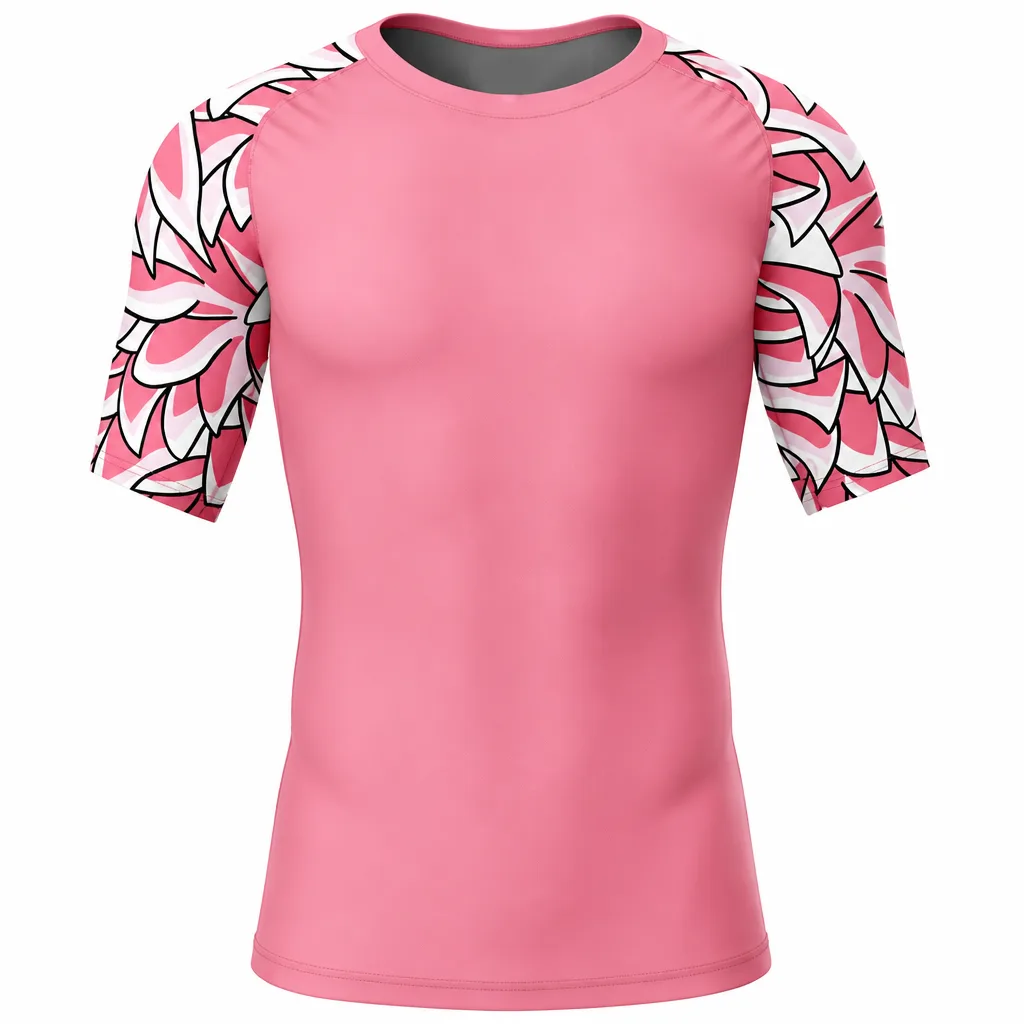
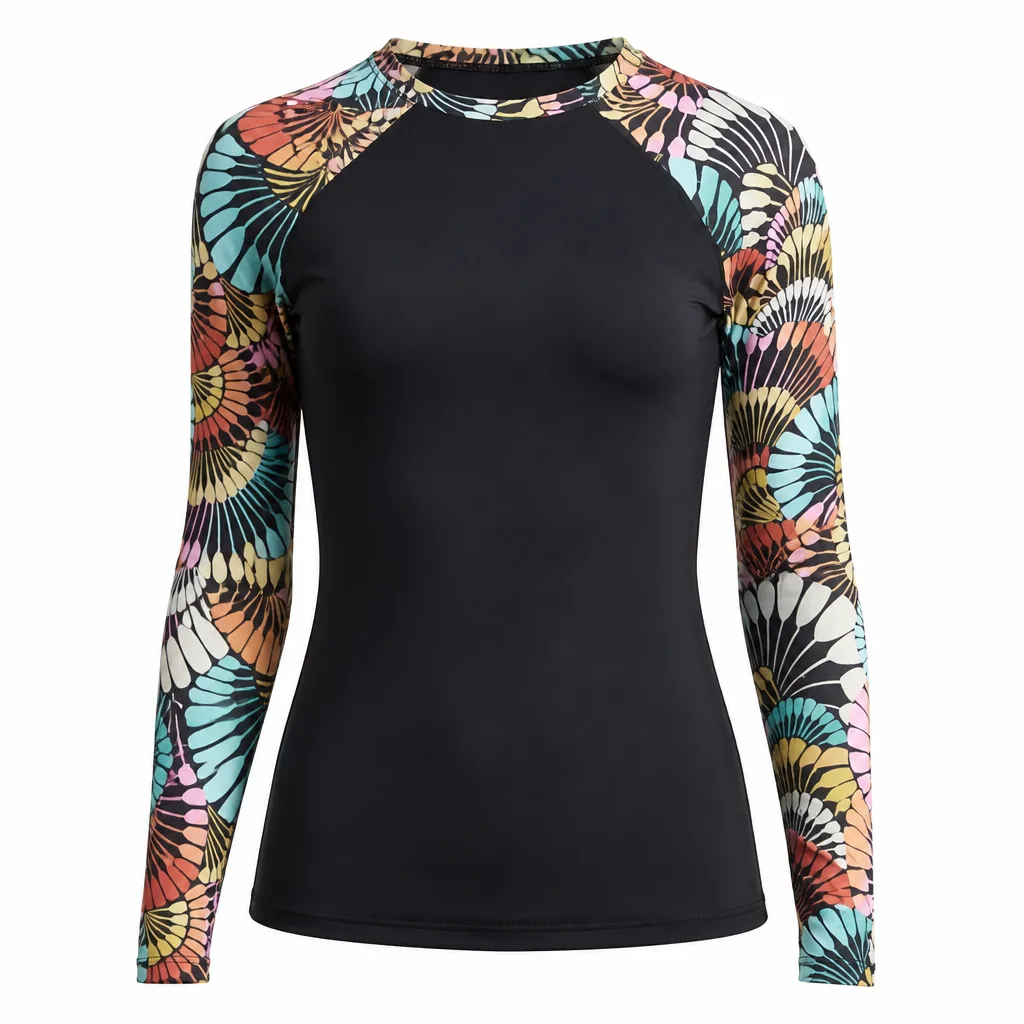
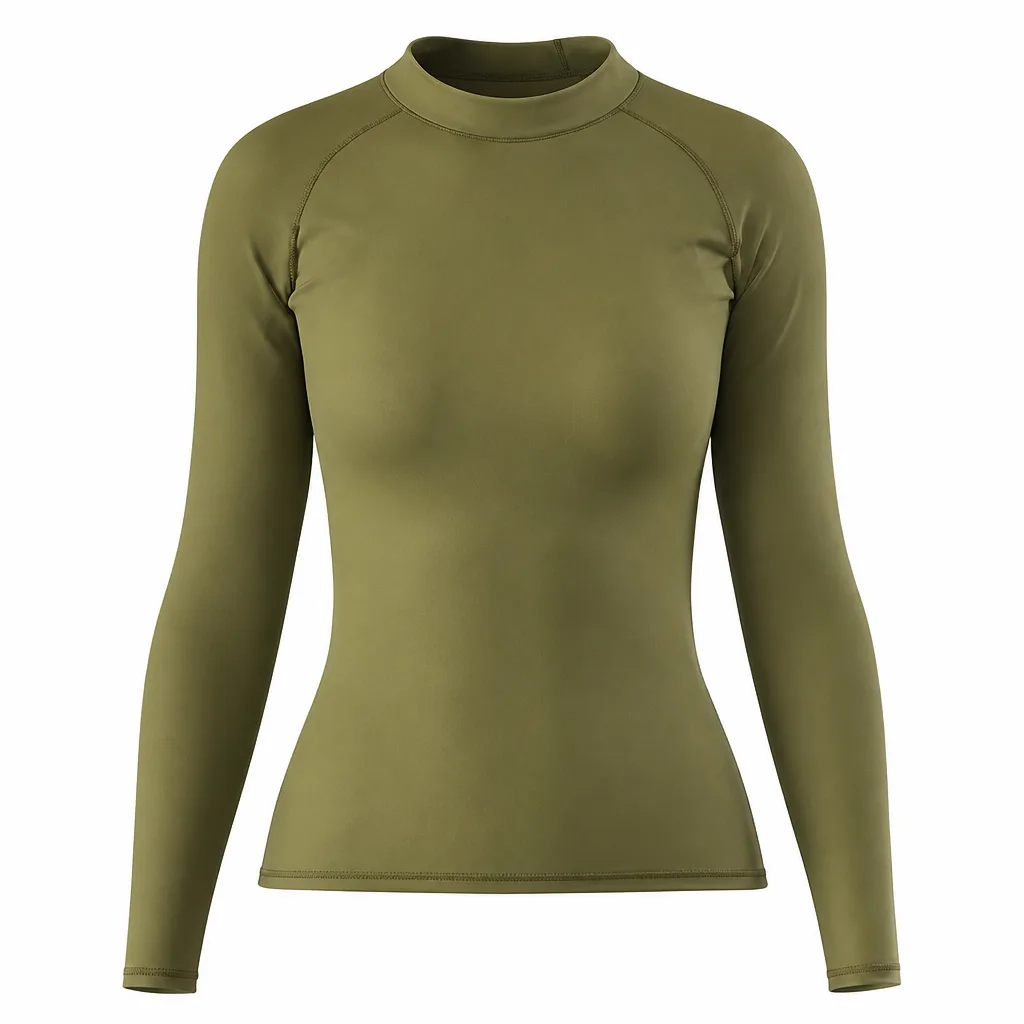
Limitations: No gi is fully waterproof—pair with rash guards for sweat management. Pricey ($150-300), but Apollo MMA's selection offers pro-grade value without markups.
Practical Applications
For gym training: Fleece-lined A4 gis keep you drilling armbars without shivers. In commercial gyms (60°F), they outperform base layers alone.
Competition settings: IBJJF rules allow A5; check for no-padding mandates. Pros like those in our [fighter spotlight] swear by Venum Tech for Euros in chilly venues.
Sparring and MMA: Hybrid gis with shorter crops facilitate takedowns into [fight shorts]. Muay Thai clinch work in cold? Wool-blend pants prevent chafing.
Home workouts/Beginners: Affordable A3 with thermals for solo flows. Advanced users: Layer under no-gi for BJJ-Wrestling hybrids.
Safety first: Insulated gis reduce hypothermia risk but monitor overheating—peel layers mid-session. For Kickboxing warm-ups, vented collars prevent steam buildup.
Expert Recommendations: The Best BJJ Gi for Cold Weather
From my cage-tested arsenal, here are top picks available at Apollo MMA:
Top All-Around: Tatami Elements Heavyweight
A5 pearl weave with fleece pants—perfect BJJ gi for cold weather for training. Grips like iron, lasts 500+ rolls. Ideal for intermediates ($220).
Premium MMA Crossover: Hayabusa Performance Winter
Poly-fleece hybrid for MMA BJJ gi for cold weather. Reinforced knees for sprawls, antimicrobial lining. Pros' choice ($280).
Budget Beast: Ringside Thermal A4
450gsm with wool inner—great for beginners. Underdog durability at $150.
Elite: Shoyoroll Batch Winter Edition
Custom dyes, A5+ with merino—heat like a furnace. Limited drops; snag at Apollo MMA ($320).
Pro tip: Test cuff drawstrings for glove compatibility during no-gi transitions. All pair with our rash guards for full-stack warmth.
Conclusion
A stellar best BJJ gi for cold weather transforms winter training from endurance test to performance edge. Weigh your style, climate, and budget—prioritize A4-A5 weaves with smart insulation. At Apollo MMA, we've curated these for fighters worldwide, from garage grinders to octagon vets.
Grab yours today, check our [size guide], and stay frosty on the mats. Train hard—what's your go-to cold-weather setup? Drop it in the comments.
Word count: 1,728