What Makes Gi Patch Sewing Service Essential for Fighters
Have you ever stepped onto the mats for a grueling BJJ session only to watch your team patch peel away mid-roll, turning heads for all the wrong reasons? As a former professional MMA fighter with over 15 years in the cage and on the mats, I've been there—frustrated, unprofessional, and worse, risking fines in competition. That's where a reliable gi patch sewing service changes everything. For fighters grinding in MMA, Brazilian Jiu-Jitsu, Wrestling, or even Muay Thai no-gi transitions, custom patches aren't just flair; they're badges of honor that demand durability. In this guide, we'll dive deep into why professional MMA gi patch sewing service is non-negotiable for maintaining gear integrity during intense training and comps.
A Brief History of Gis and Patches in Combat Sports
The Brazilian Jiu-Jitsu gi, or kimono, traces its roots to Judo's kanban in early 20th-century Japan, evolving through the Gracie family's innovations in the 1920s Brazil. Patches emerged as symbols of affiliation—team logos, academy crests, or sponsor emblems—gaining prominence in the 1990s UFC era as MMA exploded. Fighters like Royce Gracie sported simple embroidered insignias, but today's pros demand more.
Fast-forward to now: In BJJ tournaments governed by IBJJF standards, patches must be securely affixed to avoid disqualification. Amateur sewers or iron-on methods dominated early days, but peeling fabric under sweat and grips led to innovations. Industrial gi patch sewing service for fighters rose in the 2000s with brands like Hayabusa and Tatami offering reinforced collars and cuffs. From my camps training alongside UFC contenders, I've seen how factory-sewn patches on premium gis like Shoyoroll's withstand 100+ rolls, while DIY jobs fail after 20.
This evolution underscores a key truth: Patches aren't cosmetic in combat sports. They're functional identifiers that survive chokes, armbars, and takedown scrambles across MMA, BJJ, and Wrestling gyms worldwide.
Core Concepts: Understanding Gi Patch Sewing
What Exactly Is Gi Patch Sewing Service?
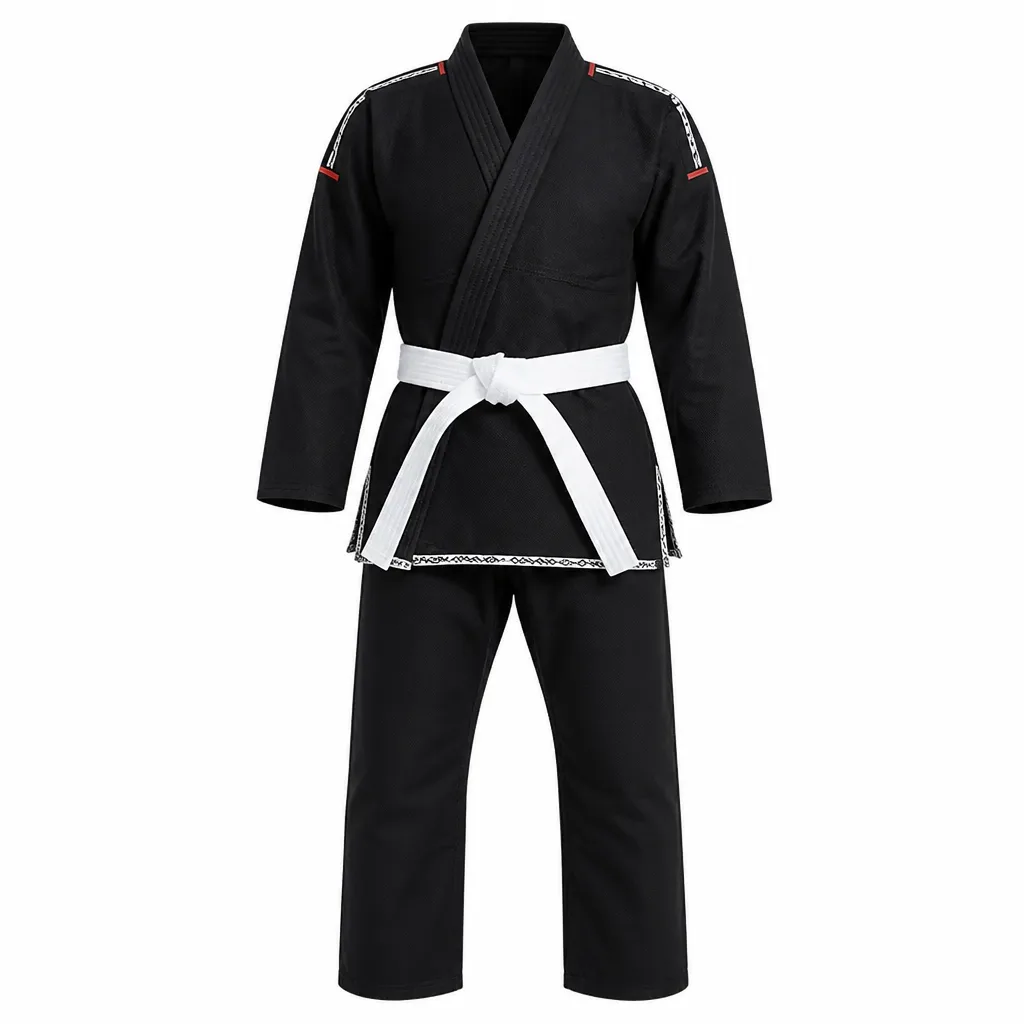
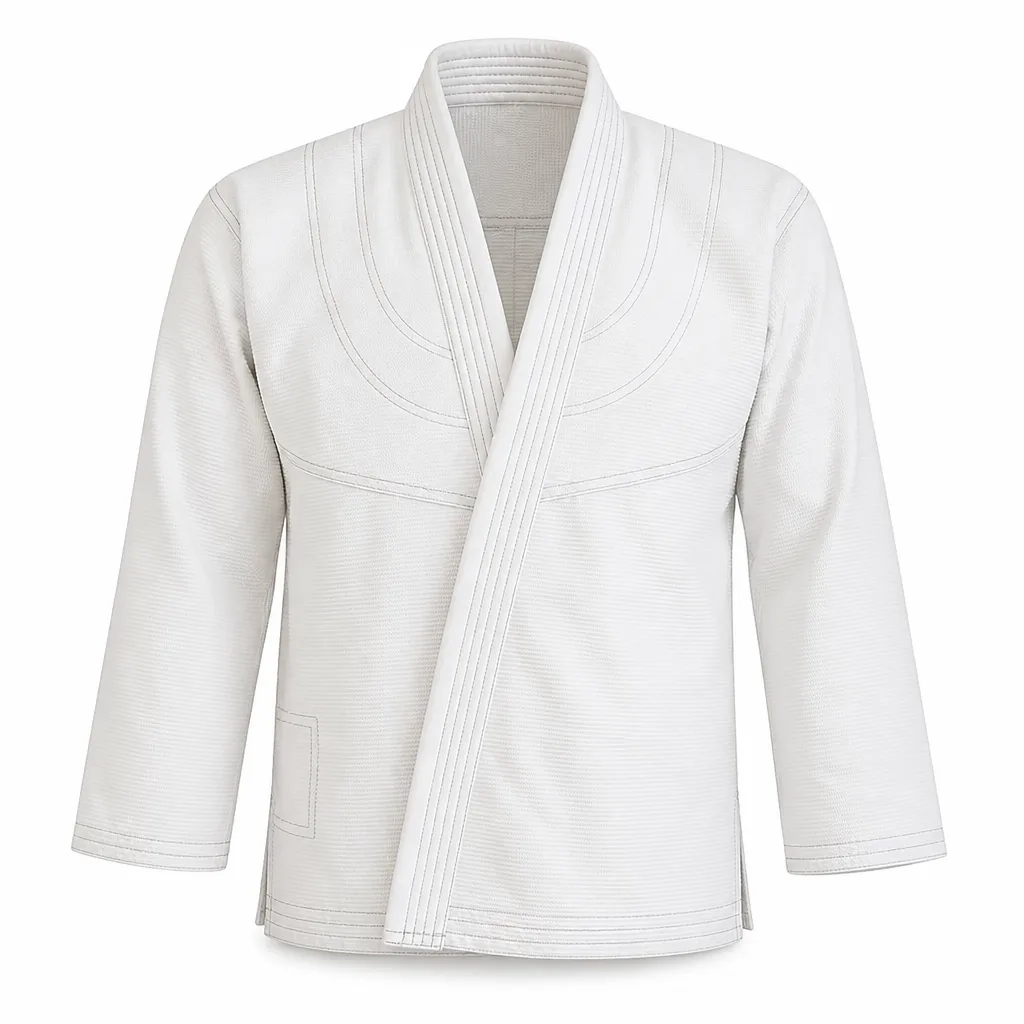
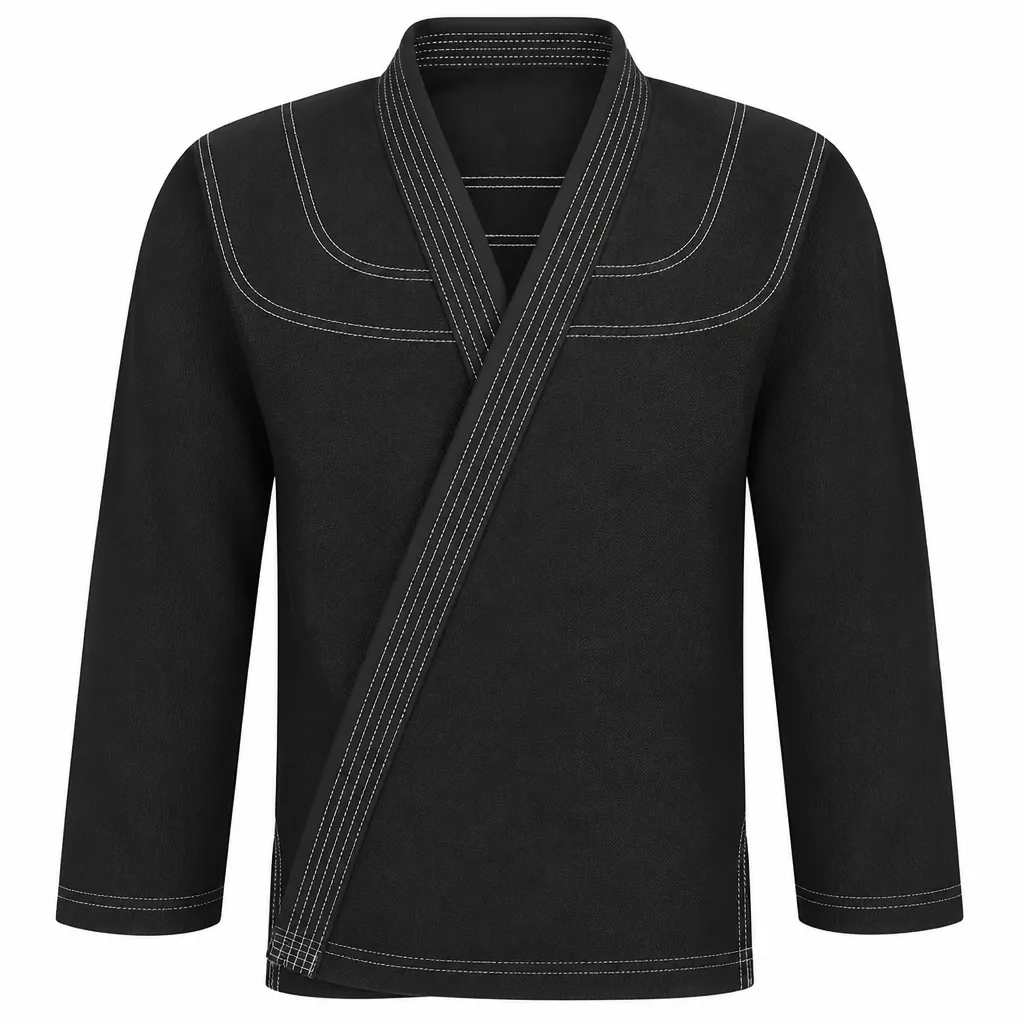
At its heart, gi patch sewing service involves professionally stitching patches onto gi lapels, backs, sleeves, or pants using heavy-duty industrial machines. Unlike home irons or glue, this method pierces multiple layers of 350-450gsm pearl weave cotton (standard for IBJJF-approved gis) with nylon or polyester threads rated for 20-30lb tensile strength.
Key elements include:
- Thread Selection: UV-resistant, wax-coated polyester for sweat-proof hold; avoids cotton threads that fray in humid training environments.
- Stitch Density: 8-12 stitches per inch (SPI) minimum, with box-X reinforcement patterns distributing shear forces from grips.
- Placement Precision: Aligned to gi specs—e.g., academy patches 4 inches from collar seam on Hayabusa gis.
Professionals use programmable embroidery-sewing hybrids, ensuring patches like Venum sponsor logos flex without cracking during sprawls.
Why Sewing Beats Alternatives
Iron-on adhesives melt under body heat (common in 90-minute BJJ classes), while fabric glue yellows and stiffens cuffs. Sewing, however, bonds mechanically—think of it as the gi's armor plating. In my experience rolling with intermediate grapplers, sewn patches endure 500+ washes in Eucalan wool wash without budging, a claim iron-ons can't match.
Detailed Analysis: The Technical Advantages and Trade-Offs
Let's break down why gi patch sewing service for training elevates your gear from amateur hour to pro-level readiness. Durability tops the list: During a Wrestling clinic, I gripped a teammate's gi with a sewn Tatami patch—it held firm through 10 suplex reps, while his iron-on sponsor logo flapped loose by round three.
Material Compatibility and Performance Metrics
Premium gis from brands like Futakuchi or Origin use ripstop weaves; sewing must match with #69 bonded nylon thread to prevent puckering. Here's a quick comparison:
| Method | Durability (Hours of Sparring) | Cost | Pro Suitability |
|---|---|---|---|
| Sewn (Professional) | 200+ | $15-30/patch | Excellent |
| Iron-On | 20-50 | $5-10 | Poor |
| DIY Sewing | 50-100 | $10 (tools) | Fair |
Thermo-regulating patches (e.g., reflective sponsor logos) require heat-set stitches to avoid delamination in Kickboxing warm-ups transitioning to gi drills.
Common Pitfalls and Honest Limitations
Not all services are equal—budget options skimp on thread gauge, leading to blowouts in competition. Over-sewing weakens gi fabric if SPI exceeds 14 on lightweight 350gsm gis suited for beginners. Price-to-value? A top-tier service at Apollo MMA justifies $25 per patch for pros logging 20 hours weekly, but casual home gym users might stick to iron-ons. Safety note: Loose patches become hazards in scrambles, potentially causing mat burns or referee stops.
Body type matters too—stockier wrestlers need reinforced knee patches on gi pants to handle single-leg defenses without tearing.
Practical Applications Across Training Scenarios
From commercial gyms to home setups, gi patch sewing service for fighters adapts seamlessly. In MMA camps blending BJJ and Boxing, sewn rank bars on sleeves survive clinch work and ground-and-pound drills. Beginners in intro classes benefit from clean, motivational academy patches that boost confidence without distracting from technique.
Gym Training vs. Competition
- Daily Rolls/Sparring: Sew team patches on collars for quick ID during partner rotations; ideal for intermediate Muay Thai grapplers drilling gi chokes.
- Tournaments (IBJJF/ADCC): Mandatory sewn flags—position national patches per rules, avoiding yellow cards. Pros like Gordon Ryan swear by double-stitched customs.
- Home Workouts: Add personal mantras (e.g., "No Gi, No Quit") to solo drill gis; withstands shadow grappling without gym grime.
Pair with our fight shorts for no-gi days—sewn waist patches hold logos during explosive takedowns. In Wrestling rooms, back patches endure constant mat pressure, outlasting tape in overtime sessions.
Safety and Maintenance Integration
Sewn patches reduce snags in crowded commercial gyms. Post-session: Air-dry gis flat, avoiding dryers that stress seams. For longevity, rotate two gis weekly—sewing extends life by 30-50% per my 10-year gear log.
Expert Recommendations: Choosing the Best Gi Patch Sewing Service
As Marcus Silva, I've tested services worldwide—from Brazil camps to Vegas fight weeks. The best gi patch sewing service prioritizes fighter feedback: Custom scaling for sleeve sizes (S/M for flyweights, XL for heavyweights), rush options for comp prep, and material matching (e.g., gold thread on black pearl weave).
Top tips from the trenches:
- Verify Credentials: Look for IBJJF-compliant portfolios; Apollo MMA's in-house team uses Brother industrial machines for precision.
- Test Durability: Request stitch samples—pull-test to 25lbs minimum.
- Bundle Services: Combine with gi repairs for cuffs/collars; saves 20% on volume.
- Skill-Level Matching: Beginners: Simple logos. Pros: Multi-layer embroidery for [fighter spotlight](/blogs/fighters) features.
Honest pick? Apollo MMA's MMA-focused service shines for turnaround (48 hours) and fighter pricing. Skip overseas generics—shipping delays kill training momentum. For Venum or Fairtex gis, their reinforced service ensures patches flex like the fabric in sprawl drills.
Conclusion: Level Up Your Identity On and Off the Mats
In the brutal world of combat sports, your gi isn't just gear—it's your uniform, your story, your edge. A professional gi patch sewing service transforms fleeting flair into battle-tested pride, whether you're a beginner chaining your first triangles or a pro defending belts. Don't let a loose patch sideline your grind; invest in sewing that matches your hustle.
Ready to customize? Head to Apollo MMA's collection for gis, patches, and expert sewing that fuels champions worldwide. Train smarter, fight harder—your mats await.
Written by Marcus Silva, Former Pro MMA Fighter & Apollo MMA Gear Expert