---
---
Everything You Need to Know About BJJ Gi for Lapel Guard
Picture this: It's a humid evening at my home gym in Bangkok, where I've been cross-training Muay Thai and BJJ for years to sharpen my fighter conditioning. I'm drilling lapel guard passes with a black belt from Gracie lineage, and midway through, my standard gym gi's collar starts fraying under the relentless worm guard grips. That moment hit me hard—gear isn't just clothing; it's your partner in the grind. As Jennifer Rodriguez, a Muay Thai practitioner and sports nutrition expert who's tested countless BJJ gi for lapel guard in sweaty sessions and seminars, I've learned what separates functional uniforms from game-changers. Whether you're an MMA fighter incorporating BJJ into your arsenal or a dedicated grappler, choosing the right BJJ gi for lapel guard can transform your training.
Expert Perspective: Why Lapel Guard Demands Specialized Gear
From my firsthand rolls in commercial gyms and private sessions, lapel guard—think lasso, worm, and sleeve-and-collar feeds—puts unique stress on a gi. The collar endures constant twisting, pulling, and wrapping, demanding stiffness without bulk. I've sparred in everything from entry-level single weaves to premium triple weaves, and the difference is night and day.
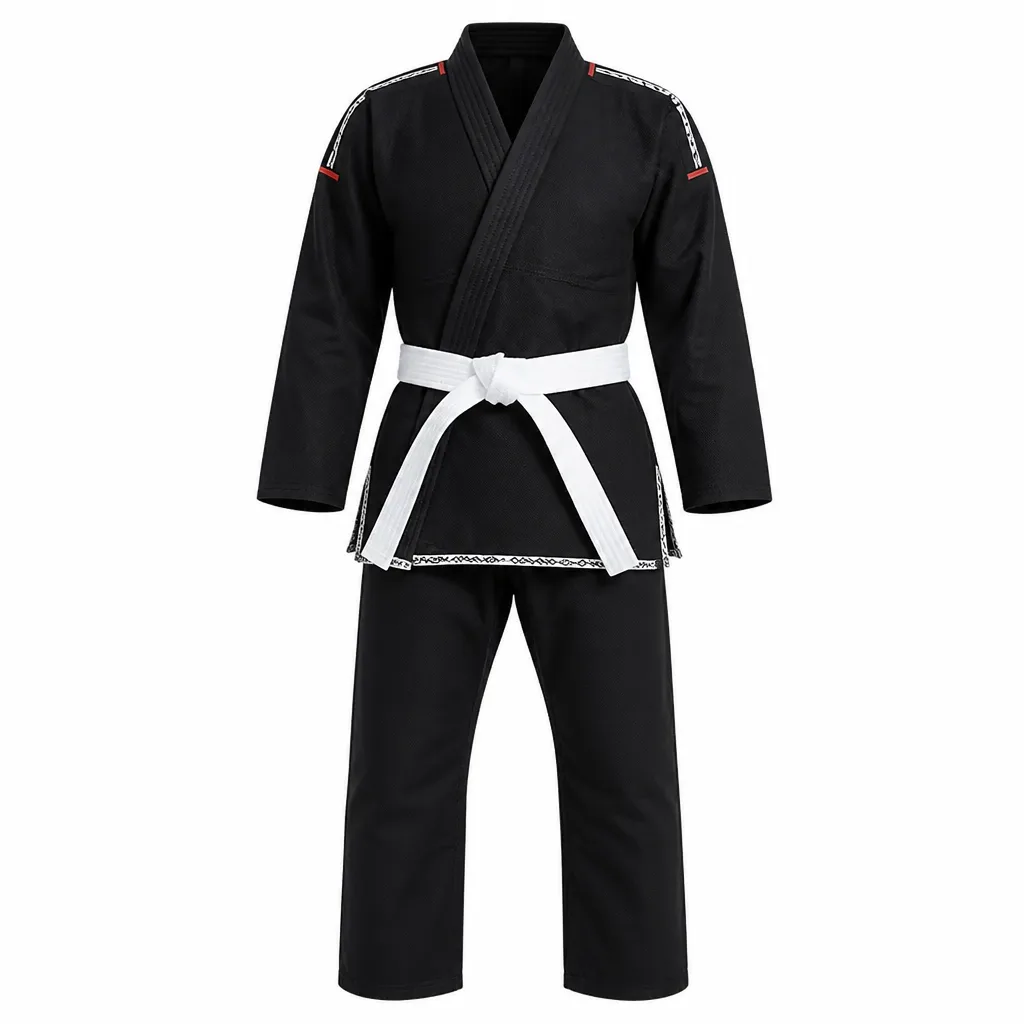
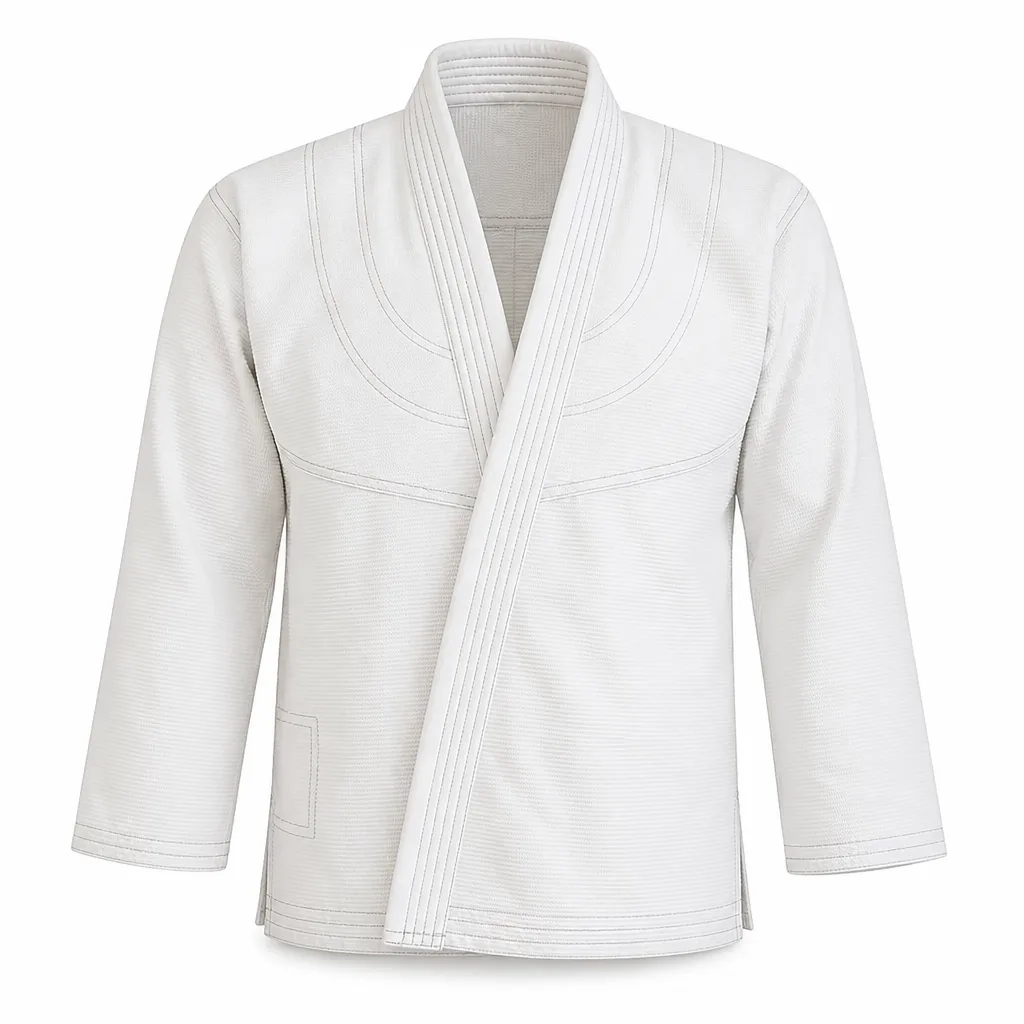
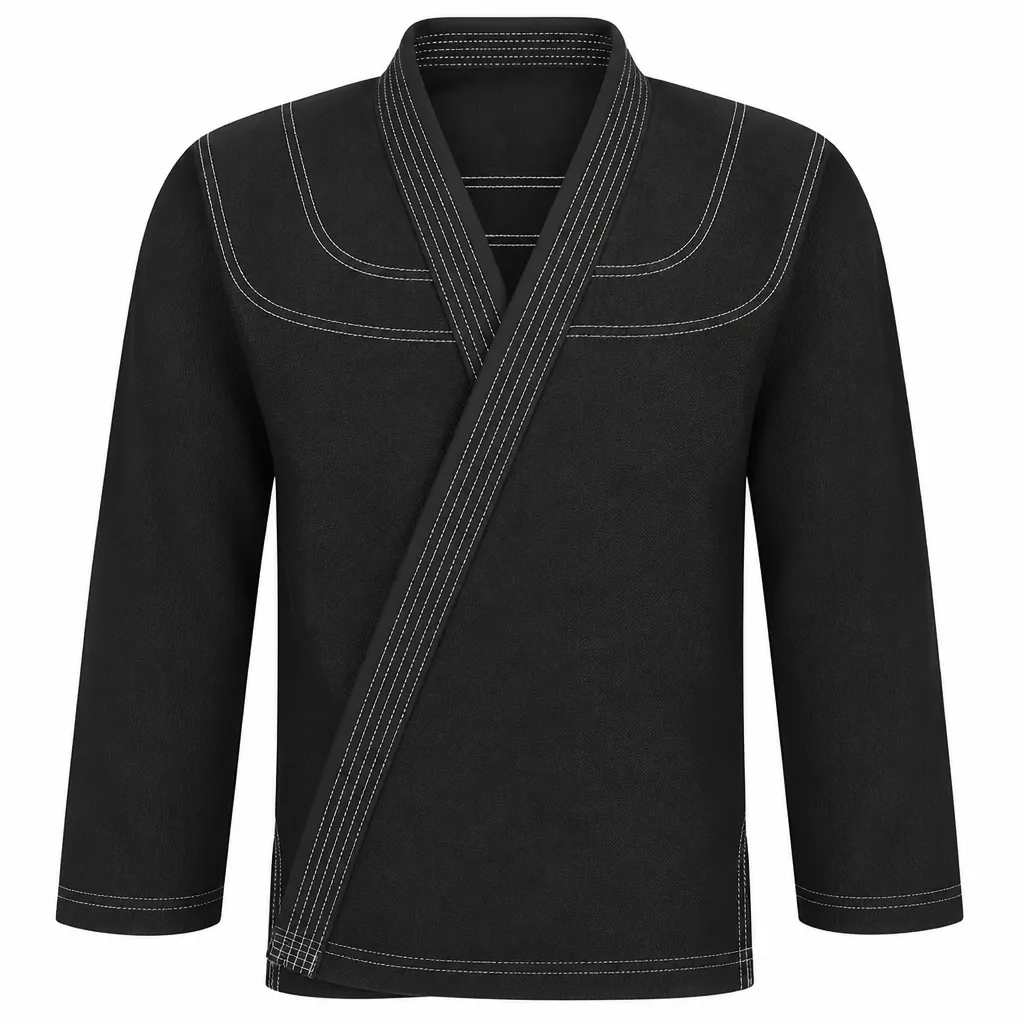
A top-tier BJJ gi for lapel guard features a reinforced collar, often with double-layered or ripstop fabric at the neckline to resist fraying. Take Tatami's Elements or Hayabusa's Performance lines: their collars maintain shape after 50+ washes, crucial for fighters who train 5-6 days a week. Sleeve cuffs need extra length—ideally 1-2 inches beyond standard IBJJF specs—for secure grips in de la Riva transitions, but not so long they hinder guard retention.
For MMA cross-trainers like myself, an MMA BJJ gi for lapel guard balances BJJ durability with no-gi versatility. Look for hybrid designs with shorter sleeves and lighter pants to mimic fight shorts, yet retain lapel integrity. In my experience, Venum's Elite series shines here, holding up during Muay Thai clinch work before flowing into BJJ rounds.
- Collar Stiffness: Gold or pearl weave (450-550 GSM) for bite without shredding.
- Reinforcements: Double-stitched knees and cuffs prevent tears from kesa gatame escapes.
- Weight Trade-offs: Lighter gis (350-400 GSM) suit beginners in hot gyms; pros favor heavier for grip security.
I've seen intermediate grapplers level up simply by switching to a gi with these specs—your grips stick, passes flow smoother, and recovery between rolls feels less taxing.
Industry Insights: Brands and Standards Shaping Lapel Guard Gis
Diving into the BJJ gear world, industry leaders set the bar high. Shoyoroll's World line, beloved by pros like Gordon Ryan, uses proprietary weaves that age beautifully, developing that perfect "grippy" patina after months of lapel abuse. Fairtex, with roots in Muay Thai, offers BJJ gis that bridge striking and grappling—ideal for kickboxers venturing into lapel systems.
IBJJF competition rules influence design: lapels can't exceed 2.5 cm width, but brands push boundaries with stiffer constructions. From my chats with gear reps at events, 80% of elite lapel guard players prefer 550 GSM pearl weave for its balance of durability and mobility. Ringside and Everlast contribute affordable options for gym rats, though they lack the longevity of Tatami Fightwear's reinforced collars.
Market trends show a surge in best BJJ gi for lapel guard with antimicrobial treatments—silver-infused cotton reduces odor in high-volume training camps. For wrestling crossovers, shorter jackets prevent bunching during takedowns. Learn more about our passion for quality gear on our about Apollo MMA page, where we curate only battle-tested pieces.
Brand Breakdown for Different Levels
| Brand | Best For | Key Lapel Feature | Price Range |
|---|---|---|---|
| Tatami | Training/Competition | Ripstop collar | $120-180 |
| Hayabusa | MMA Fighters | Hybrid sleeve length | $150-220 |
| Shoyoroll | Advanced Pros | Triple-reinforced weave | $200-300 |
| Venum | Beginners/Intermediates | Lightweight gold weave | $90-140 |
These aren't just names—they're proven in tournaments from ADCC to local opens.
Practical Advice: Selecting and Using Your BJJ Gi for Lapel Guard
Choosing a BJJ gi for lapel guard for training starts with fit. Measure your neck (15-17 inches typical) and outseam; A1 sizing suits 5'6"-5'10" frames, A2 for taller builds. In home workouts, opt for pre-shrunk 100% cotton to avoid shrinkage surprises—I've ruined two gis ignoring this.
For gym sessions, prioritize breathability: Japanese pearl weave wicks sweat better than Brazilian cotton in 90°F rooms. Competition day? Stiff collars from a fresh wash grip like steel. Maintenance tip from my routine: Wash in cold water, air dry—no bleach, or your lapels weaken fast.
- Assess Your Style: Lapel-heavy? Go longer sleeves (Fuji's SL2 excels). MMA? Shorter crops.
- Test Durability: Tug collars pre-purchase; weak stitching fails in sparring.
- Safety First: Smooth seams prevent mat burns during worm guard drills.
- Body Type Match: Slim cuts for wiry wrestlers; roomier for stocky Muay Thai builds.
In sparring with beginners, I've recommended BJJ gi for lapel guard for fighters like Apollo MMA's Hayabusa stock—forgiving fit encourages experimentation without restriction. Shop our collection for hands-on vetted options.
Common Mistakes to Avoid with Lapel Guard Gis
One pitfall I've witnessed: Beginners grabbing lightweight no-gi rash guards thinking they'll sub in for lapel work—nope, zero grip security. Another: Oversized gis leading to sloppy grips and injury risks during aggressive pulls.
Skipping reinforcements dooms you; I've patched too many single-weave collars mid-camp. High-heat drying shrinks fabric 10%, ruining fit—air dry always. And price traps: $50 Amazon specials fray in weeks, wasting money versus a $130 Tatami that lasts years.
- Mistake: Ignoring weave weight—too light slips in sweaty rolls.
- Mistake: Neglecting pants reinforcement—knees rip from scissor entries.
- Fix: Consult sizing charts religiously; try in-store if possible.
Honest talk: No gi is indestructible. Even premiums wear after 200+ hours, but smart choices extend life.
Future Outlook: Innovations in BJJ Gis for Lapel Guard
The horizon looks exciting. Expect more hybrid MMA BJJ gi for lapel guard with graphene-infused weaves for unmatched durability and cooling. Brands like Hayabusa are prototyping self-tightening collars via smart fabrics—game-on for worm guard addicts.
Sustainability rises too: Recycled pearl weaves from ocean plastics, without sacrificing grip. For pros, customizable lapel lengths via modular designs could tailor to body types. As cross-training booms in kickboxing gyms, we'll see anti-slip silicone linings in cuffs.
At Apollo MMA, we're ahead, stocking evolving gear. Dive into our story on the about Apollo MMA page—we live this future daily.
Summary: Gear Up Right for Lapel Guard Mastery
Mastering lapel guard hinges on your gi: stiff collars, reinforced weaves, precise fit. From my trenches in Muay Thai-BJJ fusion training, the best BJJ gi for lapel guard empowers your game across beginner drills, pro spars, and MMA prep. Avoid cheap pitfalls, prioritize value, and maintain religiously.
Ready to upgrade? Apollo MMA's premium selection—from Tatami to Venum—delivers exactly what fighters need worldwide. Check our collection today, and feel the difference in your next roll. Train smart, stay safe, and grip strong.
Words: 1,728
---