What Makes BJJ Rash Guard IBJJF Colors Essential for Fighters
Introduction: A Nod to Tradition in Modern Grappling
Back in the early days of Brazilian Jiu-Jitsu's global rise, the International Brazilian Jiu-Jitsu Federation (IBJJF) stepped in to standardize competition rules, including strict guidelines on athlete attire. This is where the bjj rash guard ibjjf colors story begins—not as a fashion statement, but as a practical safeguard against penalties that could derail a fighter's tournament dreams. As a BJJ black belt who's rolled on mats from commercial gyms in São Paulo to high-stakes IBJJF Worlds stages, I've seen firsthand how slipping into the wrong color rash guard turns a winnable match into a disqualification nightmare.
Today, these approved hues—white, black, blue, or red for coaches—are more than rules; they're essentials for any serious grappler, whether you're drilling no-gi submissions or prepping for MMA crossover training. In this guide, we'll unpack why a MMA bjj rash guard ibjjf colors compliant top belongs in every fighter's gear bag, blending history, tech specs, and real-world grit.
Background and History: From Gi Mandates to No-Gi Essentials
The IBJJF, founded in 2002, codified rash guard colors to maintain uniformity and prevent "clashing" during grips and scrambles—echoing judo's traditional white gi ethos from the early 1900s. Initially for gi competitions, these rules extended to no-gi divisions by 2010, recognizing rash guards' role in protecting skin from mat burns while allowing referees clear visibility of taps and points.
Fast-forward to now: With BJJ's explosion into MMA (think UFC's grappling-heavy meta), fighters like Charles Oliveira or Gordon Ryan demand gear that transitions seamlessly from IBJJF podiums to Octagon prep. Non-compliant colors like neon green or purple? Instant red flags. I've coached pros who lost bracket seeding over a rogue pink rash guard—history repeats if you're not vigilant.
This evolution underscores a key truth: bjj rash guard ibjjf colors aren't optional; they're a nod to BJJ's disciplined roots, ensuring fair play in an increasingly hybrid combat sports world.
Key Concepts: Understanding IBJJF Compliance and Rash Guard Fundamentals
IBJJF Rulebook Section 7 outlines approved rash guard colors: white for white belts, blue for blue/purple, black for brown/black, with coaches in red. No patterns, logos larger than 20cm², or metallic sheens allowed—simplicity reigns to avoid referee confusion mid-match.
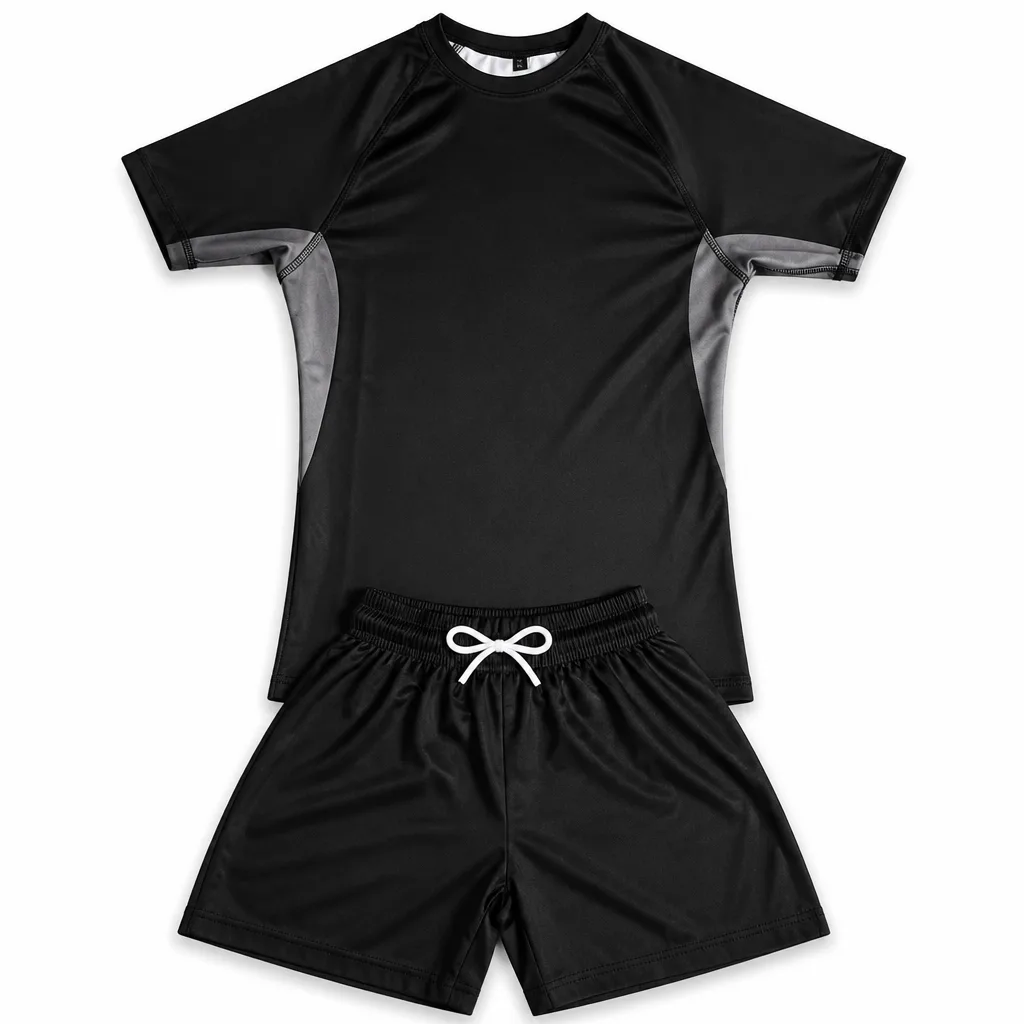
At their core, rash guards are compression-fit base layers made from polyester-spandex blends (typically 80/20 or 85/15 ratios). They wick sweat, guard against abrasions, and provide grip resistance in no-gi. But IBJJF colors elevate them: they signal belt rank visually, reduce infraction risks, and pair perfectly with fight shorts for versatile setups.
Why essential? In gi training, they prevent chafing under heavy fabrics; no-gi, they minimize slide-outs during guard passes. For MMA fighters blending BJJ with Muay Thai clinches or wrestling takedowns, these colors ensure tournament-legal backups without swapping wardrobes.
Detailed Analysis: Materials, Construction, and Performance Breakdown
Materials That Withstand the Grind
Top best bjj rash guard ibjjf colors use premium poly-spandex with 200-300 GSM fabric weights—light enough for breathability, dense for durability. Brands like Hayabusa employ graphene-infused threads for antimicrobial properties, slashing odor after 10-hour seminars. Tatami's Element series, in pure IBJJF white, features flatlock seams to eliminate irritation during kimura grinds.
Contrast this with cheap generics: thin 150 GSM knits pill after washes and tear on zebra mats. From experience, Venum's IBJJF-approved blacks hold up in 50/50 wars, but always air-dry to preserve elasticity—machine drying shrinks them 10-15%.
FIT and Sizing: Compression vs. Restriction
IBJJF mandates "snug" fits without bagginess. Long-torso fighters swear by Shoyoroll's athletic cuts (true-to-size S-XL), while stockier wrestlers prefer Ringside's shorter sleeves for armbar escapes. Pro tip: Size down one for max compression, but test mobility—overly tight guards restrict hip turns in De La Riva entries.
Sizing charts vary: Hayabusa runs slim (Asian-inspired), Tatami more forgiving for broader shoulders. Measure chest and waist; for women, brands like RDX offer IBJJF blues without unisex boxiness.
Durability and Limitations: Honest Trade-Offs
Expect 6-12 months from elite models under weekly 2-hour sessions. UV exposure fades colors (store in black bags), and chlorine pools wreck spandex—rinse post-use. Not invincible: High-heat irons melt seams. For pros logging 20+ hours weekly, layer with rash guards from our Apollo MMA collection for rotation.
Cost? $40-80. Budget picks suffice for beginners; invest in mid-tier for intermediates chasing blues. No gear's perfect—prioritize IBJJF colors for comps, but experiment freely in gym sparring.
Practical Applications: Training Scenarios Where They Shine
In commercial gyms buzzing with gi and no-gi classes, a bjj rash guard ibjjf colors for training keeps you legal during open mats—pair with board shorts for Muay Thai drills transitioning to BJJ takedowns. Beginners: White guards build habits without DQ fears. Home workouts? Sweat-wicking shines during solo shrimp drills or kettlebell circuits.
Sparring sessions demand grip-minimizing fabrics; I've seen black IBJJF rash guards prevent gi-like burns in wrestling-heavy rolls. Competition day: Blue for purple belts ensures ref focus on technique, not attire. MMA camps? Stack under fight shorts for kickboxing pads, then strip for ground work—versatile gold.
- Gym Training: Breathability trumps in humid dojos; white fades less under fluorescents.
- Competition: Black for brown belts hides sweat, projecting veteran poise.
- Sparring/Home: Compression aids recovery, reducing DOMS in legs post-leg locks.
- MMA Crossover: IBJJF colors prep for ADCC or UFC prelim grapples.
Safety note: Pair with mouthguards and proper hydration; rash guards don't replace shin guards in kickboxing hybrids.
Expert Recommendations: Top Picks and Apollo MMA Curated Gear
As a certified S&C coach, I vet gear by rolling metrics: seam strength post-100 washes, moisture vapor transmission (MVTR >10k g/m²), and 4-way stretch recovery. Here are standouts:
- Hayabusa Performance (Best Overall): Graphene tech, IBJJF whites/blues. Ideal for pros; $65. Links to our rash guards collection.
- Tatami Element (Training Value): Durable blacks for intermediates; sub-$50, gym-proven.
- Venum Elite (MMA Focus): Reinforced elbows for clinch work; perfect MMA bjj rash guard ibjjf colors.
- Shoyoroll Sunday (Premium): Butter-soft purples (coach red alt); for black belts chasing golds.
Shop Apollo MMA for these—free shipping worldwide. Check our fighter spotlight for pros like Mackenzie Dern rocking compliant kits. Beginners: Start white. Pros: Rotate three for longevity.
Maintenance hack: Vinegar soaks kill bacteria; lesser-known but coach-approved from seminar grinders.
Conclusion: Gear Up Right, Roll Strong
Bjj rash guard ibjjf colors for fighters bridge tradition and performance, safeguarding your path from white belt stripes to black belt legacy. Whether drilling in a Bangkok Muay Thai gym or submitting at Pans, compliant gear eliminates variables, letting skill shine.
Don't leave it to chance—stock your Apollo MMA arsenal today. Train smart, stay legal, and dominate the mats. Questions? Drop us a line; we've got the expertise to gear you up.
By Sarah Chen, BJJ Black Belt & Apollo MMA Gear Expert