What to Wear to First No Gi Class?
Picture this: It's my first no-gi class back in 2008, fresh off a wrestling background, stepping into a sweaty BJJ gym in downtown LA. I show up in baggy basketball shorts and a loose cotton tank top, thinking, "How hard can it be?" Within minutes of drilling armbars, I'm sliding all over the mats like a greased pig at a county fair. My clothes bunch up, chafing my skin raw, and I nearly lose a nipple to a friction burn. That day, I learned the hard way about what to wear to first no gi class—and it's a lesson I've shared with hundreds of beginners since as a wrestling coach and gear reviewer.
If you're gearing up for your inaugural no-gi session—whether it's BJJ, MMA, or submission grappling—you don't want to repeat my rookie blunders. No-gi training strips away the traditional gi's grip points, ramping up the pace and friction. The right gear keeps you safe, mobile, and focused. In this guide, I'll walk you through my journey, key discoveries, and battle-tested recommendations to get you training like a pro from roll one.
The Journey: From Wrestling Mats to No-Gi Chaos
Coming from wrestling, I was no stranger to grappling. We drilled takedowns and pins for hours on dual-density foam mats, always in singlets or shorts that hugged the body for zero drag. But no-gi BJJ? It was a revelation. The first class threw me into live rolls with guys twice my size, emphasizing speed, leverage, and constant motion. My cotton gear absorbed sweat like a sponge, turning heavy and restrictive mid-spar.
I remember grappling with a purple belt who rag-dolled me effortlessly. "Kid, your shorts are flapping like flags in a hurricane," he laughed post-roll. That feedback stuck. Over the next months, I experimented through trial-and-error in commercial gyms, home setups, and even early MMA camps. I tested everything from budget athletic wear to premium combat brands, noting how materials performed under duress—polyester blends versus nylon, spandex compression for guard retention, and anti-odor treatments for back-to-back sessions.
For beginners, this journey mirrors yours: excitement mixed with intimidation. You're wondering, "MMA what to wear to first no gi class?" or if wrestling backgrounds change the equation. Spoiler: They do, but the core principles hold across disciplines like Muay Thai clinch work or kickboxing sprawls. The goal? Gear that enhances performance without distraction, especially in high-friction environments where skin tears (mat burns) are common.
Key Discoveries: Essentials for Your First No-Gi Class
After hundreds of classes and reviewing gear for Apollo MMA, I've pinpointed the must-haves. No-gi demands compression-fit apparel to prevent grips on loose fabric, moisture-wicking fabrics to stay dry, and durability for repeated washes. Let's break it down by category, with real-world insights for gym training, sparring, and comp prep.
1. The Base Layer: Rashguards – Your Skin's Best Friend
Rashguards aren't optional; they're non-negotiable. In my early days, skipping one led to cauliflower-ear-level mat burns on my arms and torso. Opt for long-sleeve versions for max protection—they shield against gi-less friction during guard passes and scrambles.
Material matters: Look for 80-90% polyester/10-20% spandex blends with hydrophobic coatings. Brands like Hayabusa or Venum excel here; their graphene-infused fabrics (like Hayabusa's G3) dissipate heat 20% better than standard poly, keeping you cool during 45-minute rolls. Sizing tip: True-to-size for compression without constriction—check chest and bicep measurements, as brands vary (Venum runs snugger).
- Beginners: Short-sleeve for cost savings (~$30-50), but upgrade to long for safety.
- Advanced: Antimicrobial silver threading (e.g., Tatami Elements) fights gym funk after sweaty sessions.
- Pro insight: In MMA crossover classes, pair with trunk-style undershorts to mimic fight shorts.
Trade-off: Premium rashguards ($60+) last 2-3x longer than cheap gym tees but require air-drying to preserve elasticity.
2. Bottoms: Grappling Shorts or Spats – No More Wedgies
For what to wear to first no gi class for fighters, prioritize split-side grappling shorts (4-8" inseam) over boardshorts. Boardies bunch in butterfly guard; grappling shorts' Velcro waist and Lycra gussets allow 360° mobility. I've shredded three pairs of generic athletic shorts before discovering Venum's Attack series—reinforced seams hold up to 200+ lbs of barbell hip thrusts in drills.
Spats (full-leg compression tights) are a game-changer for wrestling-style no-gi. They prevent leg locks from hiking up fabric and reduce quad chafing during sprawls. Fairtex spats, with their silicone grippers, stay put even in Muay Thai clinches. For women or lean builds, they double as modesty layers.
| Shorts vs. Spats | Best For | Durability Rating (1-10) |
|---|---|---|
| Grappling Shorts | Sparring, comps | 9 (seam-tested) |
| Spats | Drilling, home workouts | 8 (stretch recovery) |
Insider tip: Avoid cotton-lined shorts; they retain moisture, breeding bacteria in humid gyms.
3. Footwear and Supports: Minimalist Protection
No shoes on the mats—ever. But no-gi sliders (thin socks) like Sanabul's anti-slip versions prevent toe injuries during heel hooks. Mouthguards are mandatory; get a dual-arch boil-and-bite (Shock Doctor) for $20—I've seen knocked-out incisors in light sparring.
For joint health, especially beginners: Thin neoprene ankle wraps or elbow sleeves. In wrestling-heavy no-gi, they stabilize without bulk. Limitation: Over-reliance leads to dependency; use sparingly.
4. Accessories: Hygiene and Safety First
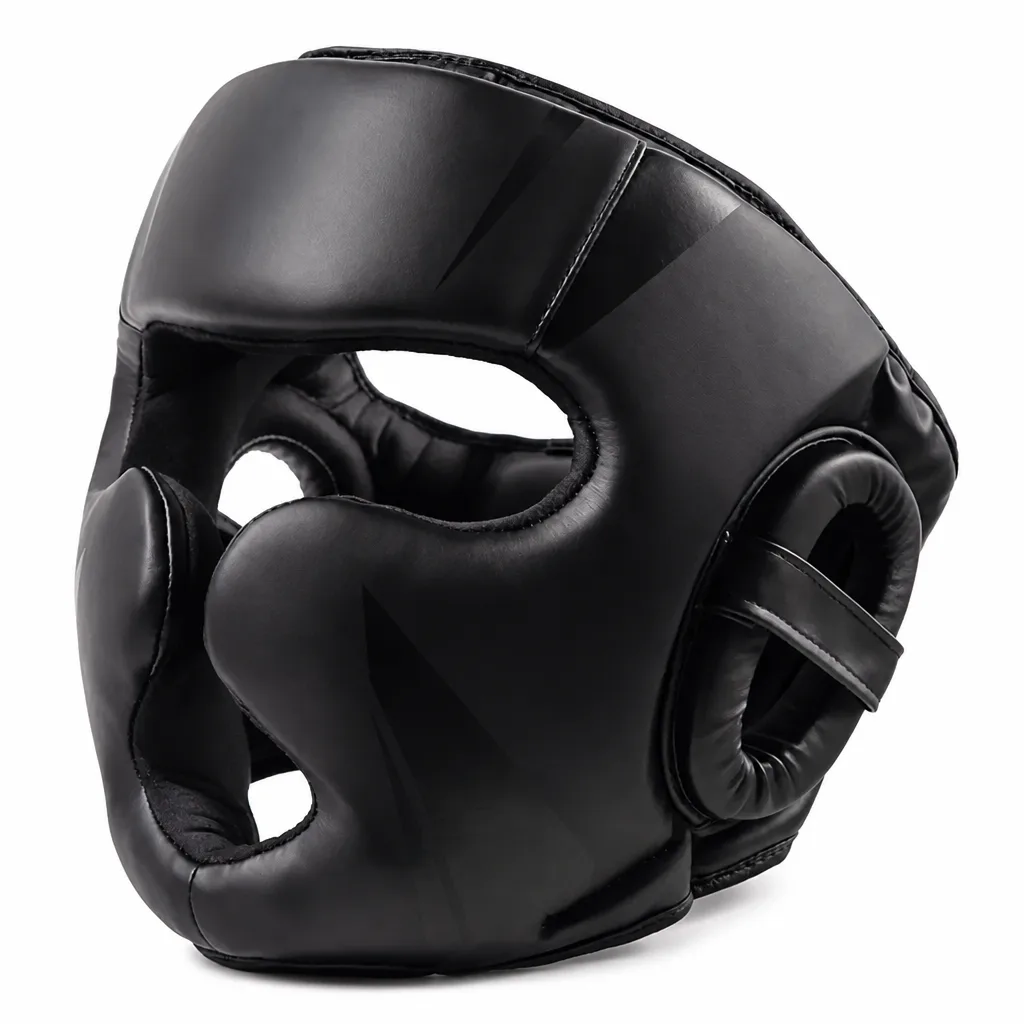
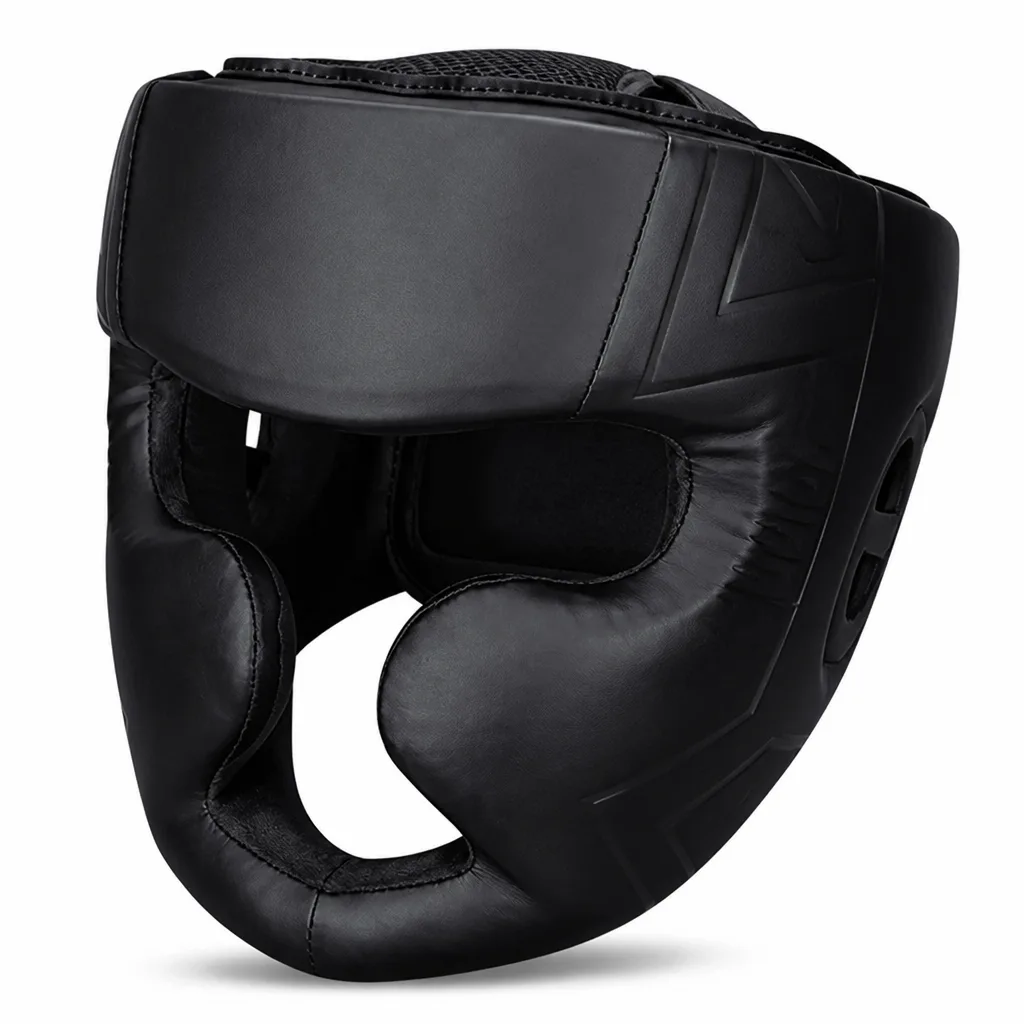
Clip toenails religiously—I've drawn blood mid-class from unchecked ones. Bring a gym towel, water bottle, and change of clothes. For hair, wrestling headgear (Cliff Keen) prevents dread-mat-pull in long sessions.
In competition settings, add finger tape for grip strength without gi fabric.
Transformation: From Clumsy Newbie to Confident Grappler
Armed with proper kit, my second no-gi class was night-and-day. A fitted Hayabusa rashguard and Tatami shorts let me focus on technique—shrimping escapes felt fluid, not hindered by drag. I survived five rounds of positional sparring without a single rip or burn.
This shift happens for everyone. Beginners gain confidence rolling with blues; intermediates experiment with leg locks unencumbered; pros like MMA fighters (think Conor McGregor's no-gi camps) layer gear for hybrid training. In home gyms, the same setup shines on puzzle mats, minus travel sweat.
Real-world example: Coaching a 200-lb Kickboxing convert, we swapped his Muay Thai shorts for no-gi vale tudo style. Result? 30% better guard retention in three sessions. Your transformation starts with gear that matches no-gi's demands: fast, frictional, and unforgiving.
Lessons Learned: Honest Trade-Offs and Common Pitfalls
Don't chase "pro" aesthetics early—budget kits from Ringside or Everlast perform 80% as well for 50% less. But cheap synthetics pill after 10 washes; invest in mid-tier ($40-80 pieces) for longevity.
Pitfalls I've seen: - Over-dressing: Mouthguard + cup for class? Fine for MMA, overkill for pure grappling. - Sizing errors: Amazon generics run huge; measure against brand charts at Apollo MMA's shorts collection. - Maintenance neglect: Wash inside-out in cold water; sun-dry to kill odors naturally.
For body types: Ectomorphs love extra compression; endomorphs prioritize breathability (perforated panels). Women-specific cuts (e.g., Scramble) prevent riding up. Across levels, safety trumps style—gear should outlast your first 50 classes.
Industry nod: UFC pros favor Hayabusa for its IBJJF-compliant no-gi lines, but for training, Venum's value reigns. No gear is invincible; even premiums tear under pro-level abuse.
Actionable Takeaways: Your No-Gi Starter Kit Checklist
Ready to roll? Here's your plug-and-play list for best what to wear to first no gi class for training:
- Rashguard: Long-sleeve, compression fit. Shop our rashguard selection for Hayabusa or Venum.
- Bottoms: Grappling shorts + spats combo. Check Apollo MMA grappling shorts.
- Essentials: Mouthguard, sliders, towel. Add headgear for wrestling flow.
- Budget build: $100 total (Everlast basics) scales to $200 premium.
- Pro upgrade: Anti-microbial everything for daily training.
Head to Apollo MMA's no-gi collection today—worldwide shipping, expert sizing guides. Your first class awaits; don't let bad gear hold you back. What's your no-gi story? Drop a comment below.
Written by Michael Park, Wrestling Coach & Gear Reviewer for Apollo MMA. With 15+ years in combat sports, I've tested gear in every scenario—from beginner gyms to pro MMA camps.