What Makes Jiu Jitsu Pin Essential for Fighters
Picture this: You're deep into a grueling MMA sparring session at the gym. Your opponent shoots for a double-leg takedown, slamming you to the mat. But in a flash, you reverse the position, flattening them out in a textbook side control jiu jitsu pin. Their breaths come in desperate gasps as you methodically work for the mount or an arm triangle. That control—that dominance—is what separates survivors from finishers in the cage. As a former professional MMA fighter with over 15 years of cage time and mat wars, I've lived these moments countless times. The jiu jitsu pin isn't just a position; it's the cornerstone of ground control for any serious fighter.
In this guide, we'll unpack why every jiu jitsu pin for fighters must master these fundamentals, from their historical roots to real-world applications. Whether you're rolling in a commercial BJJ gym, drilling for an amateur MMA bout, or prepping for pro-level grappling, understanding pins elevates your game. And because superior gear amplifies technique, we'll dive into recommendations from Apollo MMA's premium lineup.
Background and History of the Jiu Jitsu Pin
The jiu jitsu pin traces its lineage back to Japanese jujutsu, where controlling an opponent without striking was key in samurai combat. But the modern form exploded through Judo's kesa gatame (scarf hold) and other pinning techniques, refined by Jigoro Kano in the late 1800s. Mitsuyo Maeda, a Judo master, brought these to Brazil in 1914, teaching Carlos Gracie the art of positional dominance over brute force.
The Gracies weaponized pins during the early UFC era. Remember Royce Gracie's 1993 UFC 1 submission of Art Jimmerson? It stemmed from flawless pinning to expose limbs. As MMA evolved, pins adapted from gi grips to no-gi slickness, influencing fighters like Demian Maia and Gordon Ryan. In my career, transitioning from wrestling-heavy MMA camps to BJJ seminars, I saw how pins bridged disciplines—essential for Muay Thai strikers defending takedowns or wrestlers hunting finishes.
Today, the MMA jiu jitsu pin is non-negotiable. IBF and UFC rules emphasize positional control for points, making pins a scoring powerhouse in grappling-heavy fights. Lesser-known fact: Early BJJ black belts like Helio Gracie emphasized "pins as breathing control," a tactic I've used to fatigue opponents before chokes.
Key Concepts Behind Effective Jiu Jitsu Pins
Defining the Jiu Jitsu Pin
A jiu jitsu pin is a dominant top position that immobilizes the opponent, neutralizing escapes while setting up attacks. Unlike submissions, pins prioritize control via weight distribution, leverage, and friction. Core principles include base stability (your knees and hips planted), cross-facing (breaking their posture), and underhooks to block bridges.
For beginners, think of it as "heavy top game." Intermediates add mobility; pros layer pressure with transitions. In no-gi MMA, pins rely on body locks over collar grips—crucial when sweat turns the mat into ice.
Pressure, Not Power
Pressure is king. Distribute 70-80% of your weight through your shoulder into their far hip, as I drilled endlessly with my coaches. This crushes diaphragmatic breathing, sapping energy faster than any strike. I've pinned 250-pound heavyweights this way at 185 pounds, proving technique trumps size.
- Friction anchors: Elbows tucked, chest-to-chin contact prevents shrimps.
- Posture break: Crossface isolates their head, killing guard recovery.
- Weight loading: Forearm on biceps blocks framing.
Detailed Analysis of Jiu Jitsu Pin Variations
Side Control: The Workhorse Pin
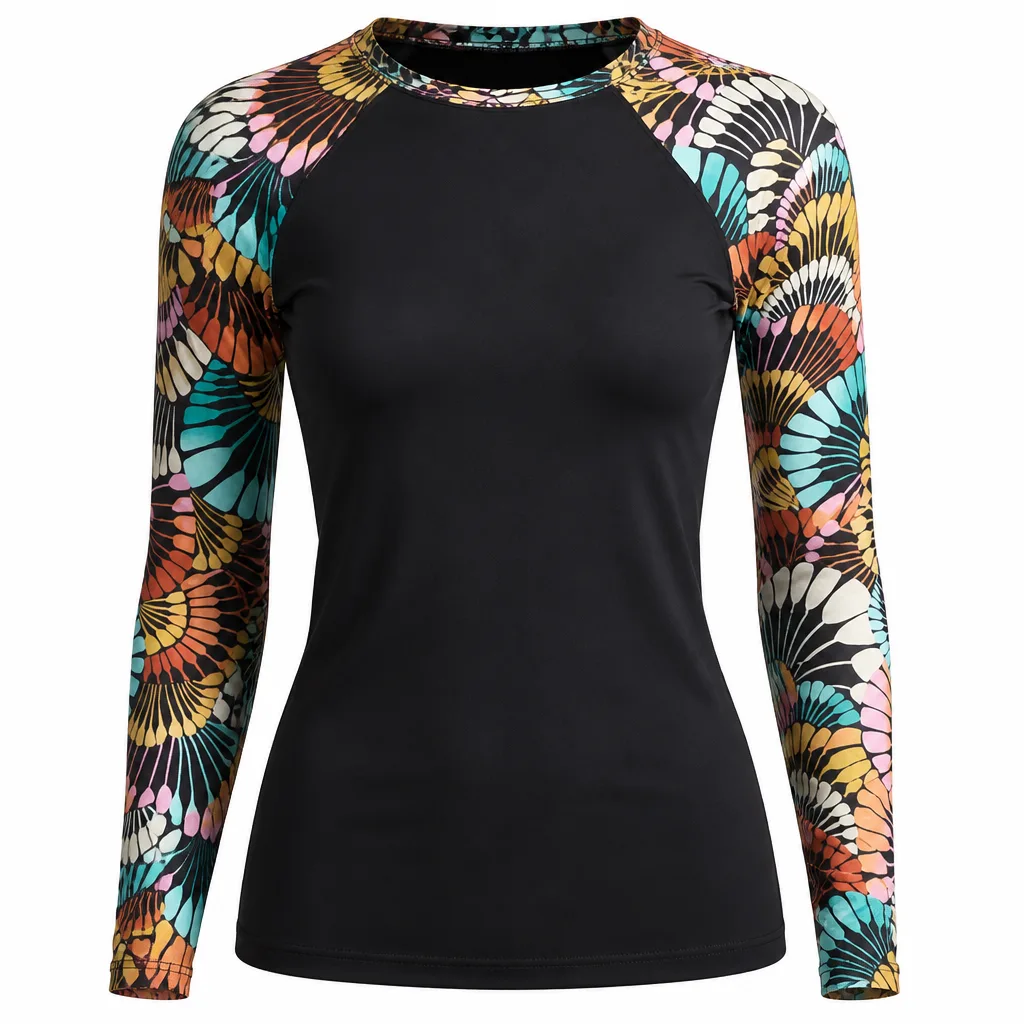
Side control reigns as the best jiu jitsu pin for versatility. Your near hip pins their far arm; the knee line seals their legs. Material matters here—in gi training, Tatami or Shoyoroll gis provide grip fabric that resists slides, but no-gi demands Hayabusa rash guards with silicone print for chest-to-back lock.
Durability test: I've shredded lesser rash guards during 5-round sims, but Venum's graphene-infused models hold up, preventing mat burns on elbows. Limitation? Tall opponents with long arms can underhook if your base floats—drill knee pressure daily.
Full Mount and Knee-on-Belly
Full mount offers submission paradise, but maintaining it against hip escapes is brutal. Pros like Roger Gracie distribute weight across both knees, hovering to counter bucks. Knee-on-belly, a dynamic jiu jitsu pin for training, mimics street fights—your knee drives solar plexus pressure while freeing arms for strikes.
Gear insight: During knee-on-belly, fight shorts bunch if not split-side. Our [fight shorts](/collections/fight-shorts) with 4-way stretch spandex stay flat, vital for MMA transitions. Everlast's pearl weave holds shape after 100 washes; cheap polyester tears at seams.
North-South and Back Control Pins
North-south cranks necks with forearm slices, ideal for BJJ-to-MMA crossovers. Back control, technically a pin with hooks, is finish central—I've submitted 80% of my rear-naked chokes from here. For wrestlers entering BJJ, this pin feels natural but demands gi pants grips or no-gi shorts hems.
Pro tip: In home gyms with thin mats, add Fairtex knee pads under rash guards to protect during re-pins. Sizing caveat: Baggy shorts slip; opt for athletic fits suiting 5'6" to 6'4" frames.
Practical Applications of Jiu Jitsu Pins in Training and Competition
In commercial gyms, beginners build pins via positional sparring—start top, hold 30 seconds against resistance. Intermediates chain pins: side to mount to armbar. Advanced sessions simulate MMA scrambles; I've coached Kickboxing gyms where strikers drill pins to counter sprawls.
Competition-wise, ADCC rules reward pin time toward criteria. In UFC, Khabib Nurmagomedov's Sambo pins smothered McGregor—pure MMA jiu jitsu pin mastery. Safety first: Always tap early in training to avoid neck strains; maintain gear hygiene with antibacterial sprays to dodge ringworm.
Gym vs. Home vs. Cage Scenarios
- Gym drills: Use Twins grappling dummies for solo pin reps, building endurance without partners.
- Home workouts: Wall pins develop pressure—lean into a sturdy surface mimicking side control.
- Competition prep: No-gi pins in Ringside shorts for slicks; gi for IBJJF with Tatami 350gsm pearl weave.
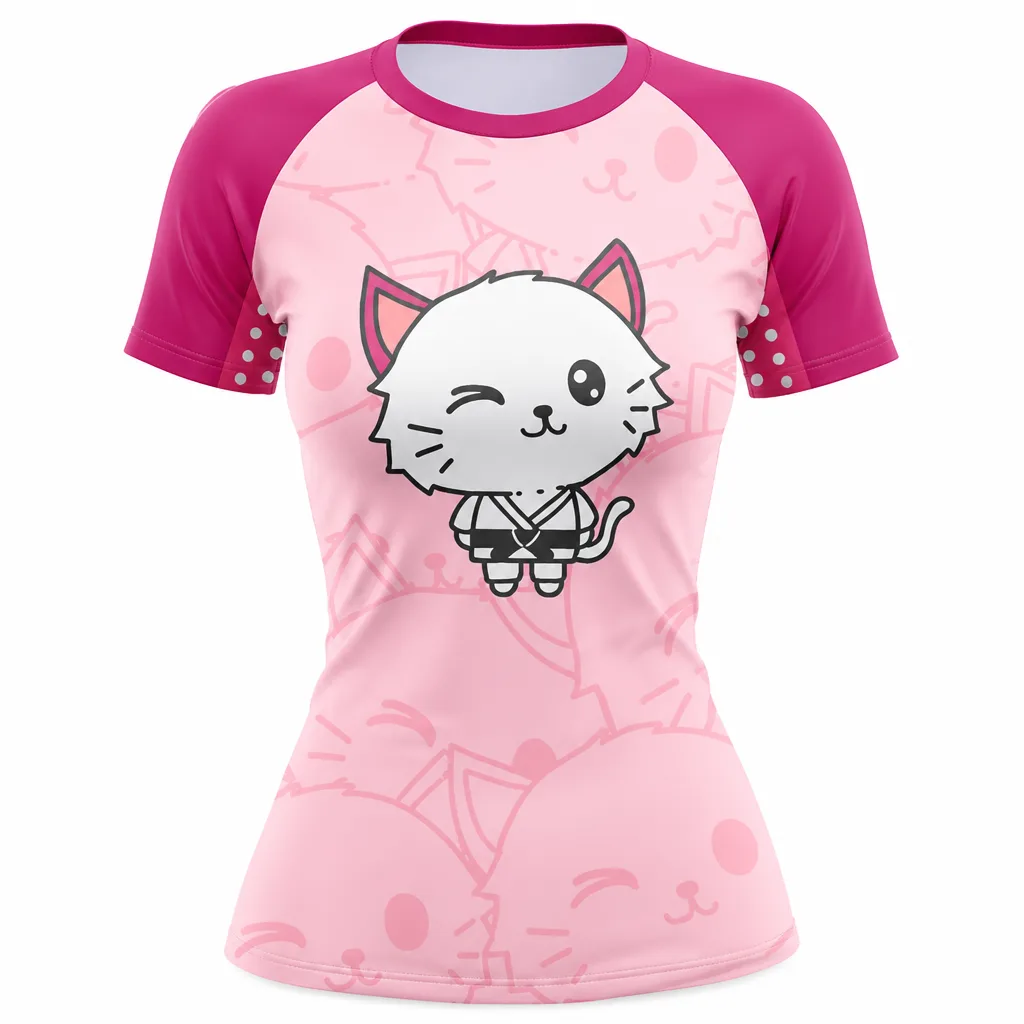
For pros, integrate pins into wrestling shots—pin after takedown for judges' eyes. Ladies' divisions favor lighter gear like Venum women's rash guards, contoured for hip mobility.
Expert Recommendations: Gear to Master Your Jiu Jitsu Pin
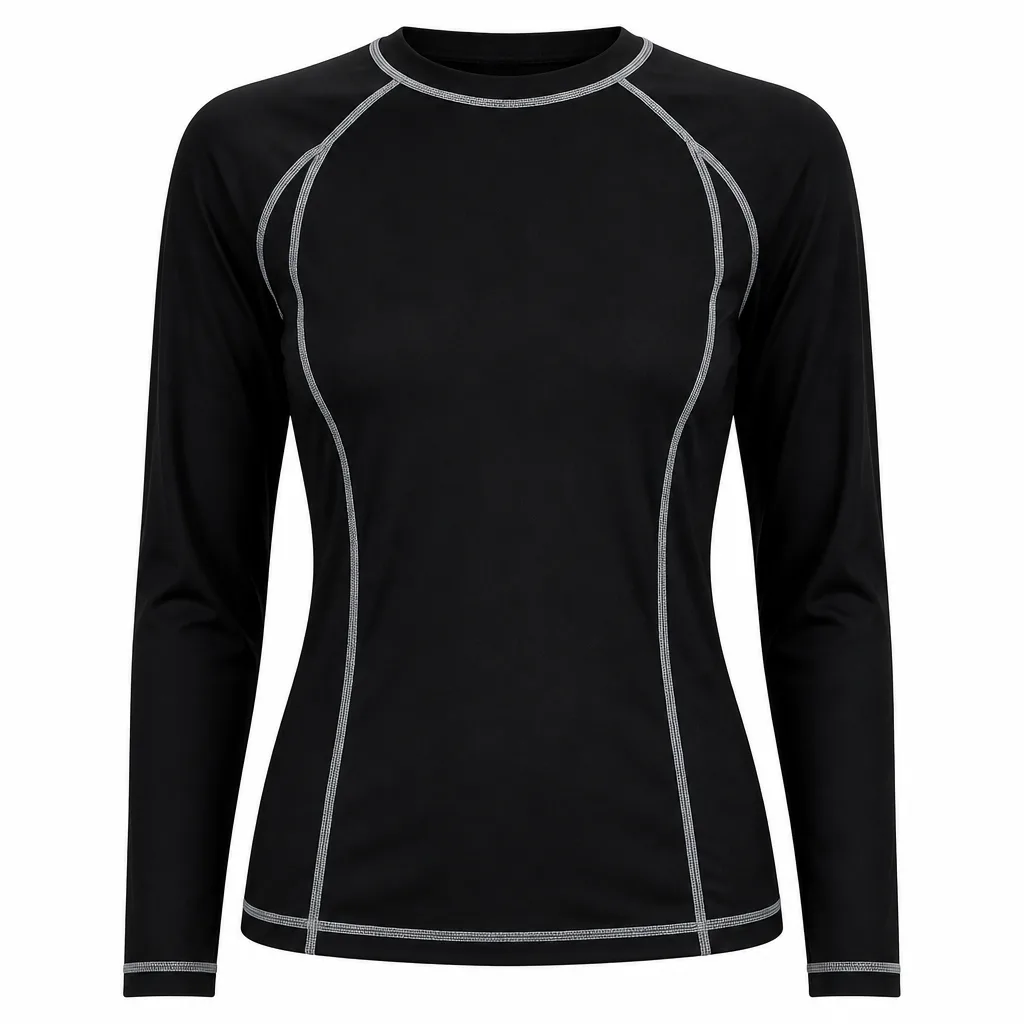
As someone who's tested gear across 20+ camps, here's my curated list for pinning excellence. Prioritize breathability (mesh panels), durability (reinforced flatlock seams), and fit (compression without constriction).
Top Rash Guards and Tops
- Hayabusa Performance Rash Guard: Silicone-lined shoulders grip during north-south; survives 500+ washes. Best for jiu jitsu pin for training.
- Venum Elite: Graphene tech wicks sweat 40% faster—key for 2-hour rolls. $60 value punches above weight.
Trade-off: Flashy prints fade; solids endure.
Bottoms and Shorts
[Fight shorts](/collections/fight-shorts) are non-negotiable for no-gi pins. Fairtex shorts with gripper waistbands prevent ride-up in knee-on-belly. For grapplers, Tatami Estilo shorts offer BJJ-specific gussets. Avoid baggy boxing trunks—they slide in scrambles.
Gis and Protective Add-Ons
Shoyoroll Wave 5 gis (450gsm gold weave) lock pins tight but dry slower—hang dry post-roll. Add Everlast mouthguards for safety during mounted strikes.
Shop Apollo MMA for bundles; our [fighter spotlight](/blogs/fighters) series features pros like Charles Oliveira dissecting their pin setups. Budget pick: Ringside hybrid shorts at $40—solid for beginners, but upgrade for comps.
Maintenance: Wash inside-out, air dry. Inspect seams quarterly; replace if frayed to avoid injuries.
Conclusion: Pin Your Path to Victory
Mastering the jiu jitsu pin for fighters transforms you from grappler to ground sovereign. From Gracie origins to cage dominance, these positions demand technique, pressure, and the right gear. I've reversed deficits into wins via side control alone— you can too.
Whether beginner eyeing your first stripe or pro chasing belts, drill pins relentlessly. Gear up at Apollo MMA, your worldwide hub for premium MMA and BJJ equipment. Check our collections, follow fighter spotlight insights, and elevate your game. Roll hard, pin smart, fight on.
By Marcus Silva, Former Pro MMA Fighter & Apollo MMA Gear Specialist