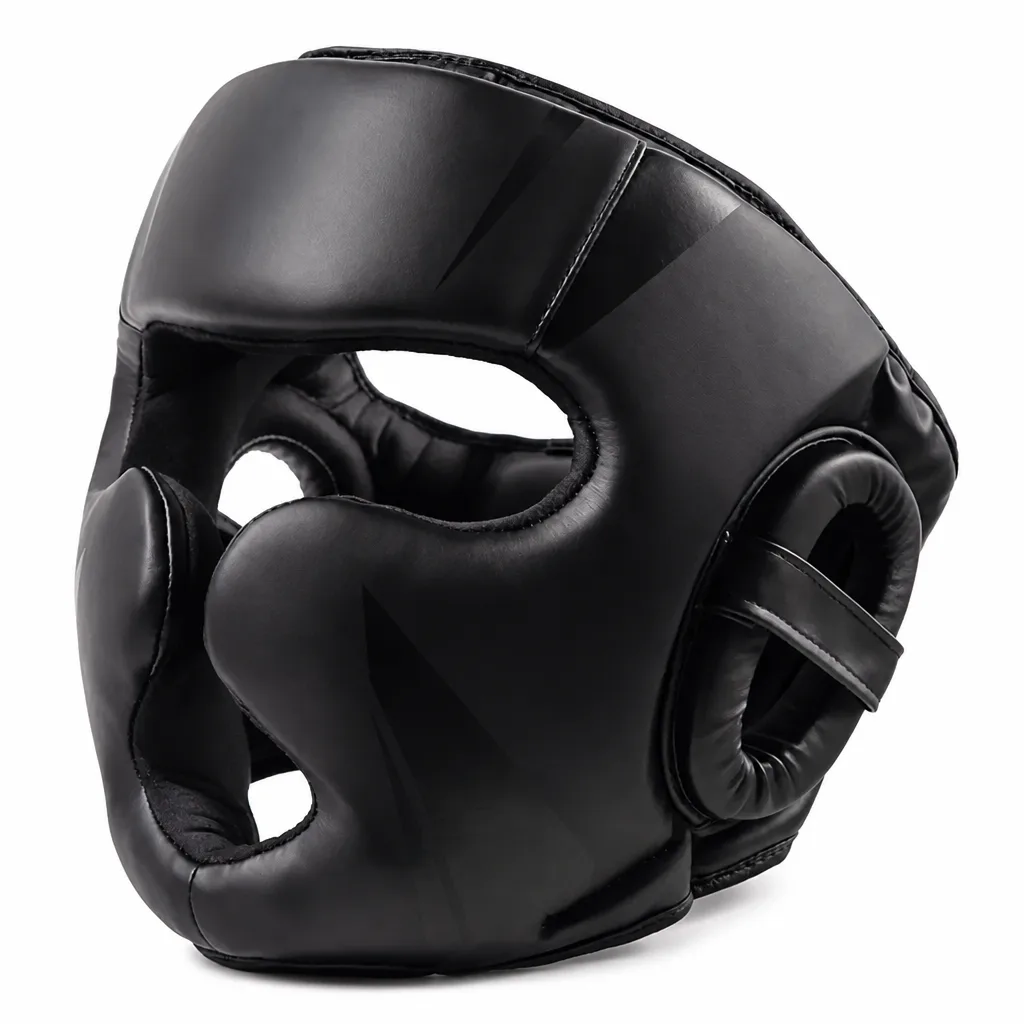
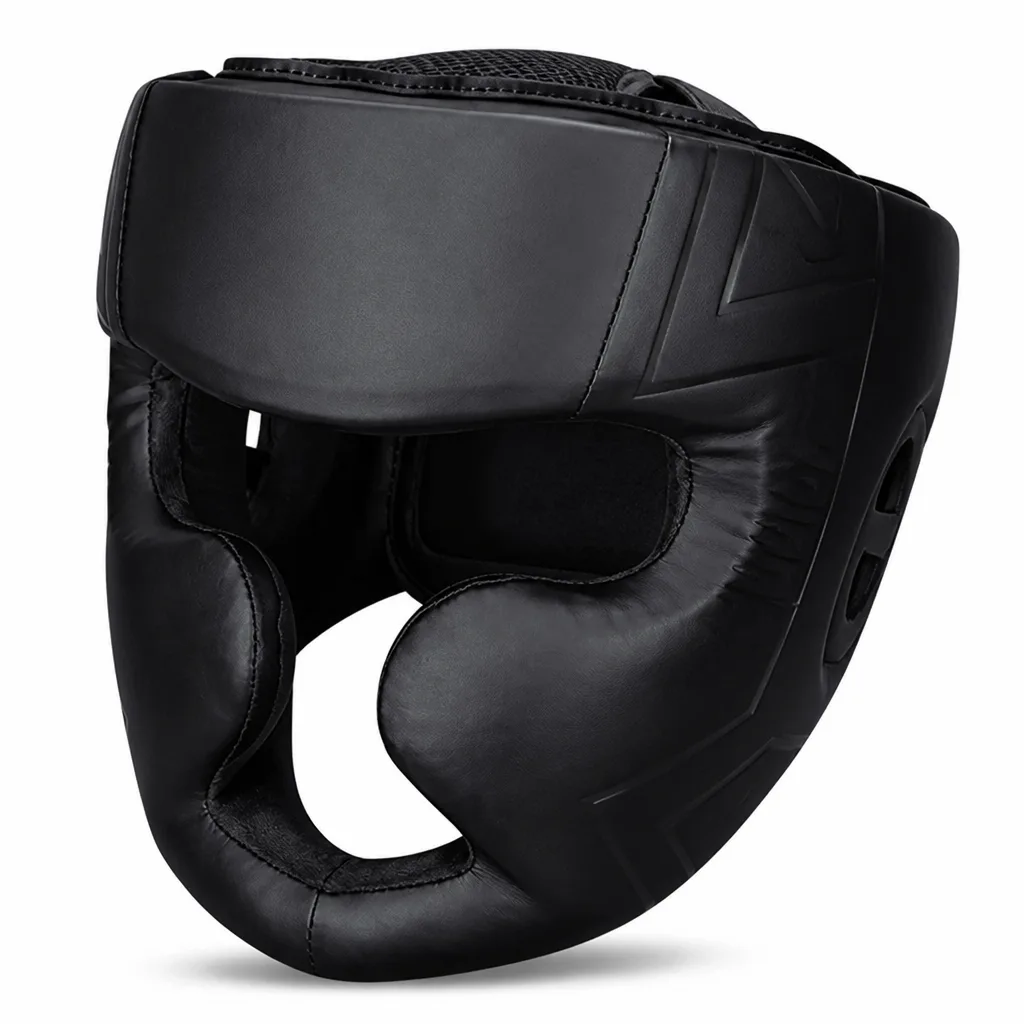
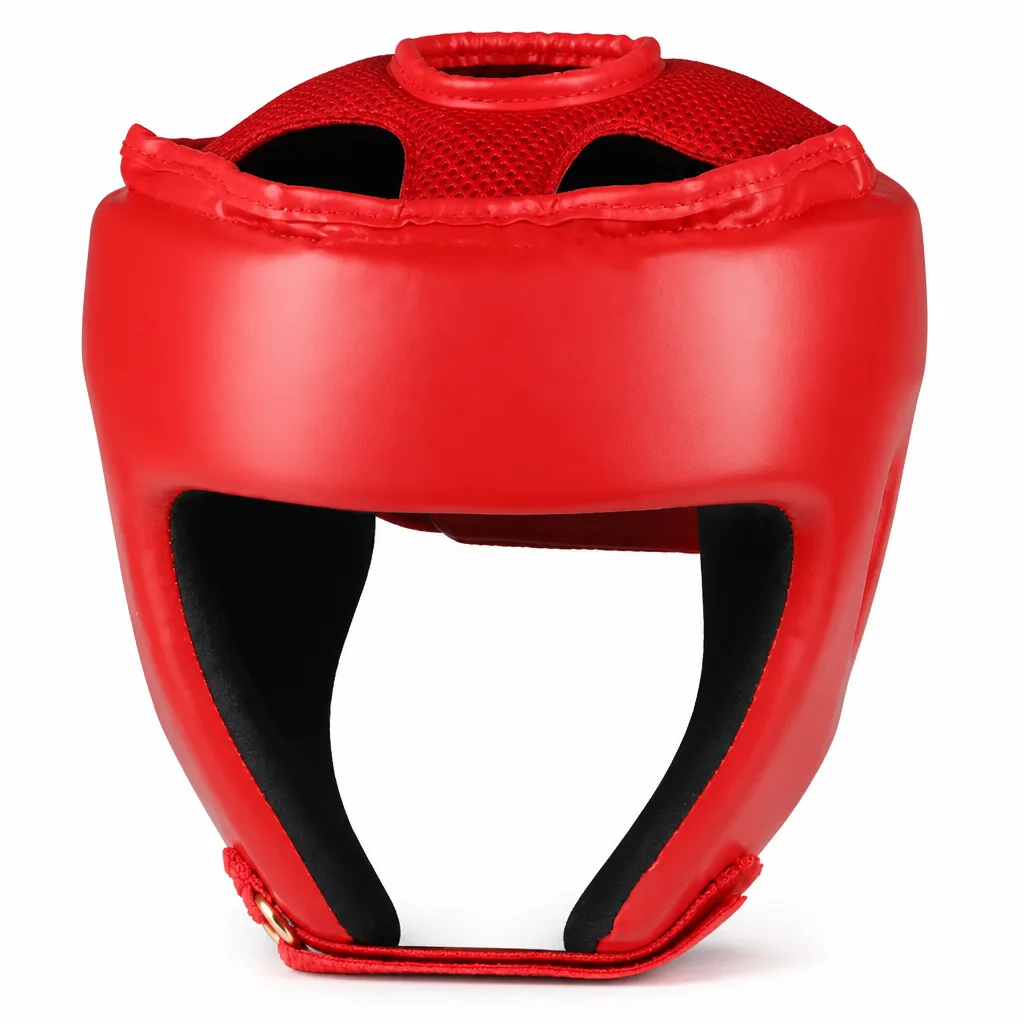
The Complete Guide to Wrestling Headgear
Imagine this: You're locked in a heated grappling exchange during an intense MMA sparring session at your local gym. Your partner's shots land flush, and without proper protection, those repeated impacts to your ears start to swell. I've been there—countless times in my 15+ years as a pro MMA fighter. That's why mastering how to choose wrestling headgear isn't just smart; it's essential for longevity in the game, whether you're drilling takedowns or prepping for a cage fight.
As Marcus Silva, former professional MMA fighter turned gear expert for Apollo MMA, I'll walk you through this comprehensive guide. We'll cover everything from fit and materials to real-world applications across MMA, wrestling, BJJ, and even kickboxing cross-training. By the end, you'll know exactly how to choose wrestling headgear for fighters or everyday training, helping you stay protected and focused.
Expert Perspective: Lessons from the Mat
Stepping onto the mat without the right headgear is like fighting bare-knuckled in a title bout—reckless and short-sighted. In my career, I tested dozens of models from brands like Cliff Keen, Brute, and Asics during brutal wrestling camps and MMA prep. The difference between good and elite gear? It's in the details that prevent cauliflower ear, a fighter's nightmare that sidelined more than one contender I knew.
From personal experience, headgear must hug your skull like a second skin without restricting vision or hearing. I remember switching to gel-padded models during high-volume takedown drills; the shock absorption turned what felt like hammer strikes into manageable pressure. For MMA fighters blending wrestling with striking, this gear doubles as a base layer under protective headgear for sparring, reducing mat burns and ear trauma alike.
Beginners often overlook how headgear evolves with skill level. In home workouts or commercial gyms, a basic foam model suffices. But as you advance to pro-level sessions, you need tournament-grade durability—think 4-6 oz neoprene construction that withstands 100+ reps per session without loosening straps.
Industry Insights: What Makes Headgear Tick
The wrestling headgear landscape has standards set by bodies like the NFHS (National Federation of State High School Associations), mandating secure fit and no-slip materials. Top manufacturers prioritize ear cup design: open-cell foam for breathability versus closed-cell for maximum impact diffusion. Gel inserts, like those in Hayabusa's pro line, offer superior vibration dampening—critical for MMA how to choose wrestling headgear where clinch work meets ground-and-pound.
Materials break down like this:
- Neoprene and Spandex Blends: Flexible, moisture-wicking, ideal for sweaty BJJ rolls or wrestling practices. Venum's ear guards excel here, holding shape after machine washes.
- Gel-Foam Hybrids: Used by pros like Jordan Burroughs; they conform to your ears over time, minimizing slippage during scrambles.
- Hard Shell Options: Rare in MMA but gold for pure wrestling comps—Ringside's versions protect against direct shots but can fog up in humid Muay Thai gyms.
Fighter preferences vary by discipline. Wrestlers favor 7-panel designs for full coverage, while MMA practitioners lean toward low-profile models that pair with compression gear. Price-to-value? Expect $30-80 for reliable pieces; anything under $20 often shreds after a month of hard use, as I learned the hard way early in my career.
Durability testing in real scenarios reveals trade-offs. In kickboxing cross-training, ventilated models prevent overheating during clinch knees, but they sacrifice some ear padding. Always check for adjustable chin straps—non-adjustable ones fail 80% of the time in prolonged sessions, per my gym logs.
Practical Advice: Step-by-Step Selection Process
Assess Your Training Needs
First, define your context. For gym training or home setups, prioritize comfort over bulk. How to choose wrestling headgear for training? Opt for lightweight spandex like Matman's Athletic, which I wore for shadow wrestling drills—zero distractions, full peripheral vision.
In competition or MMA camps, go rigid: Cliff Keen's Cyclone series locks ears in place during double-legs. BJJ folks? Low-cut designs that don't snag on the gi. Kickboxers blending wrestling? Models with extended temple protection for errant elbows.
Nail the Fit with Precision
Sizing is non-negotiable. Headgear should compress ears without pain—too loose, and it shifts; too tight, and it bruises. Use our size guide at Apollo MMA: measure circumference above ears (youth: 18-20", adult: 21-24"). Pro tip: Test in a headlock simulation—gear that stays put wins.
For different body types:
- Athletic Builds: Medium cups with wide straps (e.g., Asics Aggressor).
- Larger Heads: XL models with elastic side panels to avoid gapping.
- Women Fighters: Contoured fits like Brute's women's line prevent hair snags.
Best how to choose wrestling headgear for fighters? Layer it: Headgear under sparring helmets for full-spectrum protection. Maintenance matters—hand wash with mild soap, air dry to preserve elasticity. In humid environments, antimicrobial linings (like in Fairtex hybrids) fight odor buildup.
Top Picks for Key Scenarios
| Scenario | Recommended Features | Example Brands |
|---|---|---|
| Gym Training/Beginners | Breathable foam, adjustable straps | Venum, Everlast |
| MMA Sparring | Gel padding, low-profile | Hayabusa, Ringside |
| Competition | NFHS-approved, rigid cups | Cliff Keen, Adidas |
| Cross-Training (BJJ/Muay Thai) | Flexible neoprene, vented | Tatami, Twins |
Pair with wrestling equipment like mouthguards for complete setups. Budget intermediate? $50 gets you Tatami's durable option, lasting 6-12 months of 4x/week use.
Common Mistakes to Avoid
One pitfall I've seen rookies fall into: Buying based on looks alone. Flashy colors don't protect—focus on padding density (at least 1/2-inch thick). Another: Ignoring break-in periods. New gear feels alien; wear it 20-30 minutes daily before full sessions to mold it.
Don't skimp on straps—Velcro over buckle for quick adjustments, but inspect for wear monthly. Overlooking allergies? Latex-free models only, especially for extended wear in Muay Thai gear sessions. And never reuse comp headgear without sanitizing; bacteria thrive in sweat-soaked foam.
Finally, assuming one-size-fits-all. Pros size up for long hair, down for shaved heads. Skipping our gear guides? You're gambling with subpar protection.
Future Outlook: Innovations on the Horizon
Headgear is evolving fast. Look for 3D-printed custom fits via apps—imagine gear scanned to your exact skull shape, slashing slippage by 50%. Smart fabrics with embedded sensors could track impact forces, alerting coaches mid-session.
Sustainable materials like recycled neoprene from brands like Shoyoroll are gaining traction, appealing to eco-conscious fighters. Lighter hybrids (under 4 oz) will dominate MMA, blending wrestling protection with kickboxing gear mobility. By 2025, expect antimicrobial nano-coatings as standard, extending gear life amid global tournament booms.
These advances build on today's foundations, ensuring safer training for the next generation. Stay ahead by stocking up at Apollo MMA now.
Summary: Gear Up Right, Fight Smart
Choosing wrestling headgear boils down to fit, materials, and purpose—gel for impacts, neoprene for flexibility, always sized precisely. Whether you're a beginner hitting pads or a pro grinding camps, the right pick safeguards your ears and elevates performance.
Key takeaways:
- Match gear to your discipline and intensity.
- Prioritize adjustable, durable construction.
- Test in real drills before committing.
- Maintain rigorously for peak longevity.
Ready to protect your edge? Explore our premium selection at Apollo MMA and find the perfect wrestling headgear today. Train hard, stay safe, and dominate the mats.
Written by Marcus Silva, Former Pro MMA Fighter & Apollo MMA Gear Expert