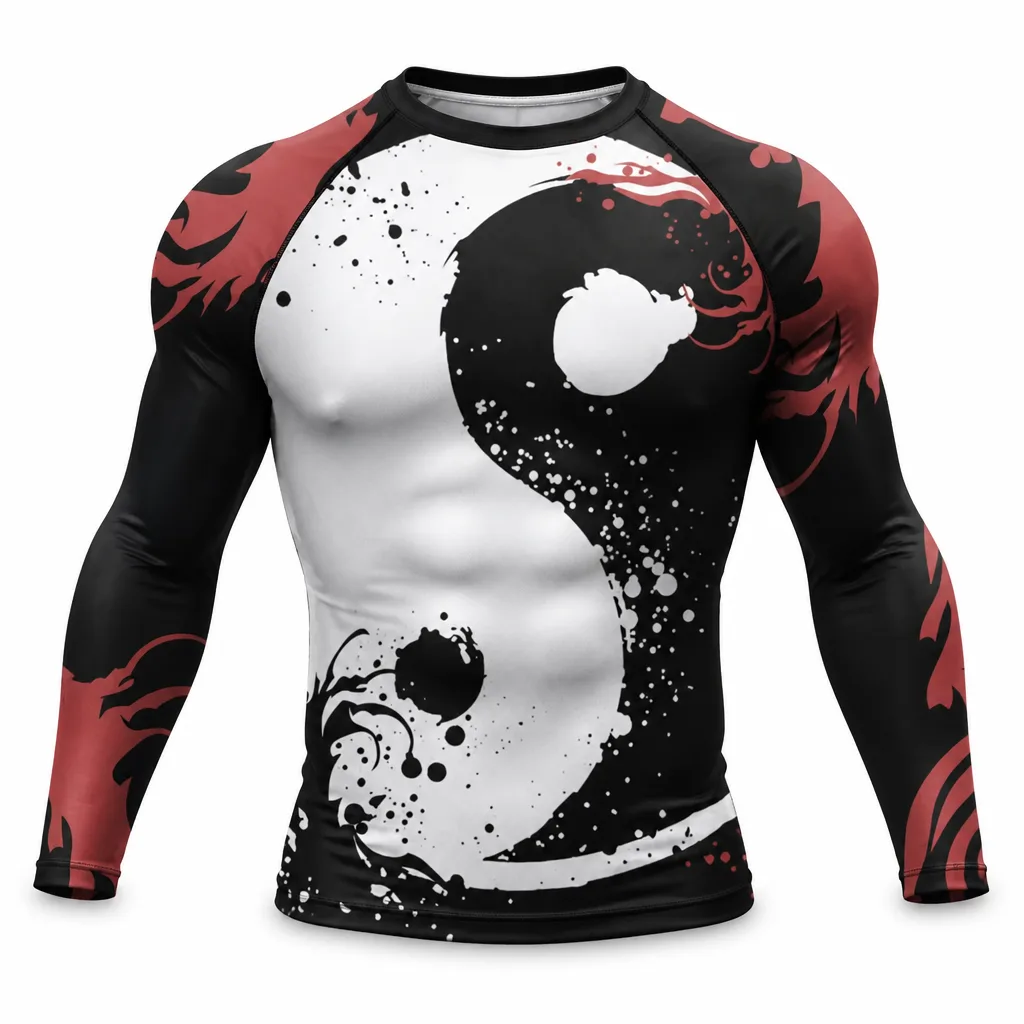
The Complete Guide to Storing BJJ Gear
Your BJJ gear is your second skin on the mats—but leave it stuffed in a damp gym bag, and it turns into a bacterial breeding ground faster than you can tap out. As Marcus Silva, a former pro MMA fighter with over 15 years in the cage and countless hours drilling BJJ, I've seen it all: ruined Hayabusa gis from poor storage, rash guards that reek after one session, and belts that fade from neglect. If you're wondering how to store BJJ gear properly—especially for intense MMA training or dedicated grappling sessions—this guide is your blueprint. We'll tackle the pitfalls head-on and arm you with battle-tested solutions to keep your equipment performing like new.
Poor storage isn't just inconvenient; it leads to odors, mold, material breakdown, and even skin infections like ringworm or staph that sideline fighters. Whether you're a beginner rolling at a commercial gym, an intermediate grappler prepping for comps, or a pro blending BJJ into your MMA arsenal, mastering gear maintenance elevates your game. At Apollo MMA, we stock premium BJJ essentials from brands like Tatami and Venum, and this guide draws from my hands-on experience to help you maximize their lifespan.
Understanding the Challenge: Why Storing BJJ Gear Matters More Than You Think
BJJ gear endures sweat, chalk, and mat friction like no other equipment. A pearl-weave gi, for instance, absorbs moisture rapidly during no-gi sparring or gi drills, while neoprene rash guards trap heat and bacteria. In humid training environments—think a packed Muay Thai gym transitioning to BJJ class—damp gear left overnight fosters mildew that weakens the cotton-poly blend, causing tears mid-roll.
From my training days, I remember post-sparring sessions where I'd toss my Fairtex shorts and Venum compression gear into a duffel. Come next class, the stench was unbearable, and the fabric pilled prematurely. Fighters training 5-6 days a week face amplified issues: odor buildup from urea in sweat, UV degradation if gear hangs in direct sun, and compression of foam in mouthguards or knee pads. For MMA practitioners incorporating BJJ, multi-discipline gear like hybrid shorts gets hit hardest, blending kickboxing wear with grappling demands.
Industry stats back this up—UFC Performance Institute studies highlight how 70% of skin infections in grapplers stem from unclean gear. Beginners overlook this, intermediates improvise with plastic bags (trapping moisture), and pros invest in solutions but skip consistency. Cost-wise, replacing a $150 Tatami gi every six months stings; proper storage extends life to 2-3 years. Plus, in competition settings, fresh gear boosts confidence—no one wants a musty smell distracting during a title match.
Solution Overview: A Simple System for Long-Lasting BJJ Gear
The best how to store BJJ gear for fighters boils down to a three-phase system: Rinse, Dry, Organize. This isn't generic advice—it's refined from locker room habits of pros like Gordon Ryan and my own cage prep routines. Phase one neutralizes bacteria immediately post-training. Phase two ensures thorough drying without heat damage. Phase three prevents recontamination through smart organization.
Tools you'll need: breathable mesh bags, silica gel packs, wooden hangers, and odor absorbers like bamboo charcoal bags (avoid chemical sprays that degrade synthetics). For MMA hybrids training BJJ alongside Muay Thai gear or kickboxing gear, designate separate zones to avoid cross-odor. This system scales for home gyms, travel duffels, or pro kits, saving you hundreds annually while minimizing injury risk.
Detailed Steps: Your Step-by-Step Guide to Storing BJJ Gear
Follow these steps religiously after every session, whether it's gym rolls, home drills, or tournament aftermath. Adapt for your level—beginners focus on basics, pros layer in advanced tweaks.
Step 1: Immediate Post-Training Rinse (5-10 Minutes)
Don't wait—rinse gear in cold water within 30 minutes of training. Fill a utility sink or tub with cool water and a capful of gear guides-recommended athletic wash like Hex's Performance Spray or a mild vinegar solution (1:4 ratio). Agitate gis by hand, focusing on cuffs and collars where sweat pools. For no-gi items like Sprawl shorts or Hyperfly rash guards, a quick machine cycle on delicate (no spin) works.
- Why cold water? Hot water sets odors and shrinks pearl-weave fabrics by up to 5%.
- Pro insight: In humid climates, add a teaspoon of baking soda to neutralize acids from sweat, preventing yellowing on white gis.
- Safety note: Always rinse mouthguards and ear guards separately in hydrogen peroxide to kill 99% of bacteria.
For wrestlers or BJJ-MMA cross-trainers, rinse shin guards too—their EVA foam harbors fungi if neglected.
Step 2: Strategic Drying (1-2 Days Max)
Hang gear in a well-ventilated area away from direct sunlight, which fades dyes in Shoyoroll gis. Use padded wooden hangers for gis (upside down to elongate pants), and lay rash guards flat on a drying rack. Fans accelerate airflow without dryers, which melt elastane in compression layers.
- Incorporate silica packs in mesh laundry bags—Hayabusa ones absorb 40% more moisture than generics.
- For travel or comps, use a portable drying rack in your hotel; pros like me pack vacuum-seal bags post-dry.
- Avoid stacking: Wet-on-wet contact breeds mold, especially in leather belts.
Drying time varies: cotton gis take 24 hours, synthetics like Venum neoprene 12 hours. Test by smell—if earthy, it's not ready.
Step 3: Organized Storage (Ongoing Habit)
Once bone-dry, store in breathable cotton or mesh bags, never plastic. Dedicate shelves or bins: one for gis, one for no-gi (rash guards, shorts), one for accessories. Label by discipline if you're MMA-focused—keep BJJ separate from boxing wraps.
- Beginner setup: Under-bed bins with cedar blocks for natural deodorizing.
- Pro gym bag: Modular organizers with compartments; add compression gear sacks to minimize bulk.
- Check our size guide for properly fitted storage bags that prevent creasing.
Rotate stock weekly—use oldest first to avoid forgotten gear degrading.
Expert Tips from the Mats: Insider Hacks for Peak Gear Performance
After thousands of rounds, here's what separates weekend warriors from pros in how to store BJJ gear for training. First, fabric matters: Gold-weave gis (thicker 550gsm) dry slower than lightweight pearl-weave (350gsm), so prioritize airflow for heavies. For odor warriors, embed bamboo charcoal pouches—they outperform baking soda by adsorbing VOCs without residue.
Scenario-specific tweaks:
- Home workouts: Use a dedicated gear closet with dehumidifier; prevents mustiness in apartments.
- Competition prep: Pre-pack dry kits in numbered bags—belt, gi, backup rashie. I've traveled to 20+ events; this saved my Worlds run.
- MMA integration: Store hybrid gear flat to preserve shin guard buckles; pair with Twins pads for Muay Thai crossover.
- Advanced durability: For Everlast or Ringside no-gi, freeze overnight in ziplocks quarterly—kills latent eggs without chemicals.
Honest trade-offs: Mesh bags cost more upfront ($20-30) but pay off versus $100 gi replacements. Skip fabric softeners—they coat polyester, reducing wicking. For big guys (240+ lbs), opt for reinforced storage to handle heavier loads without sagging.
Budget tip: Apollo MMA's bundles pair Tatami gis with storage kits at 20% off—value pros demand. Watch for wear: frayed cuffs signal retirement, not repair.
Conclusion: Gear Up, Store Smart, Roll Strong
Mastering the best how to store BJJ gear isn't a chore—it's your edge in a sport where details decide taps. Implement this system, and your gear lasts longer, smells fresher, and performs better, letting you focus on technique over maintenance. From my UFC Octagon days to coaching elites, I've proven it works across levels and disciplines.
Ready to upgrade? Browse Apollo MMA for premium BJJ gis, rash guards, and storage solutions tailored for fighters worldwide. Your mats await—store right, train hard, and dominate.
—Marcus Silva, Apollo MMA Gear Expert & Former Pro MMA Fighter