Wrestling Singlets
Competition singlets with a locked-in fit — nothing loose for a hand to find.
-
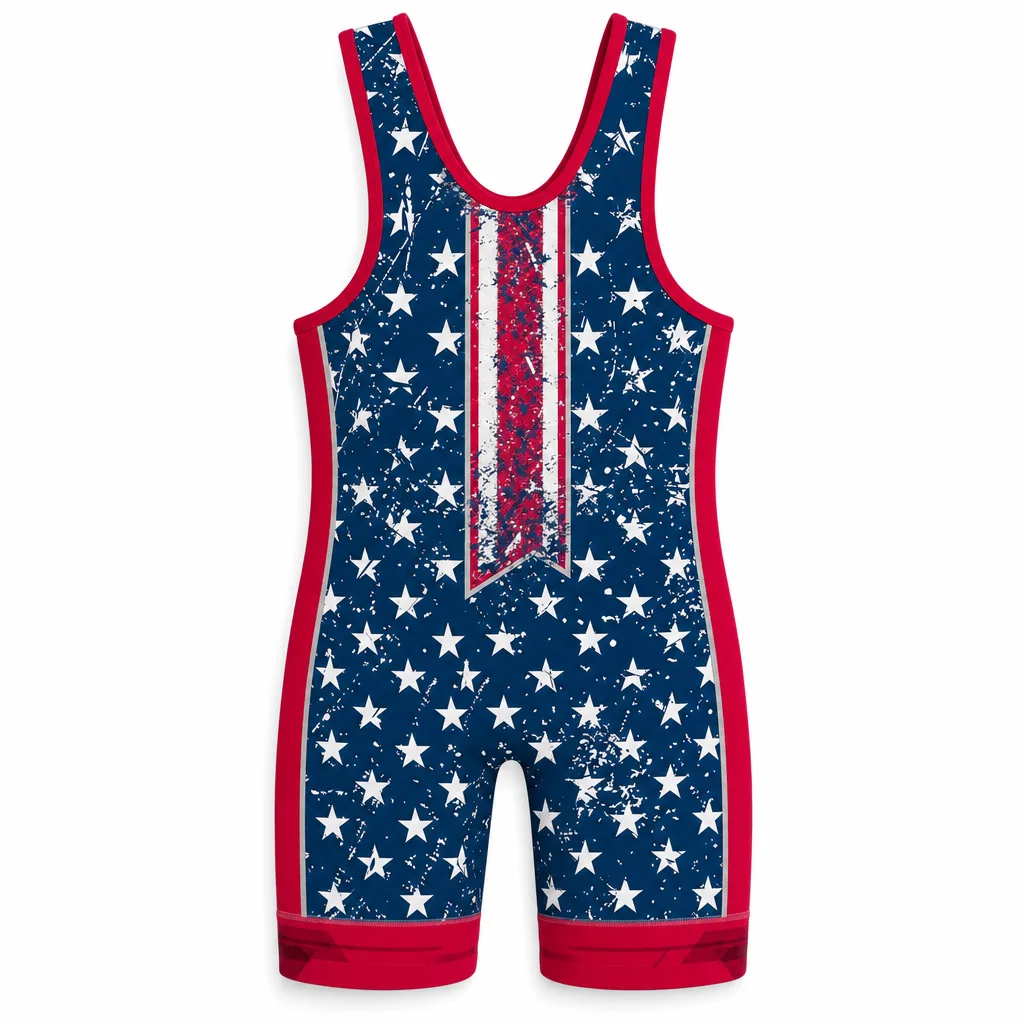 Apollo Clinch Wrestling Singlet
$74.99
Apollo Clinch Wrestling Singlet
$74.99
-
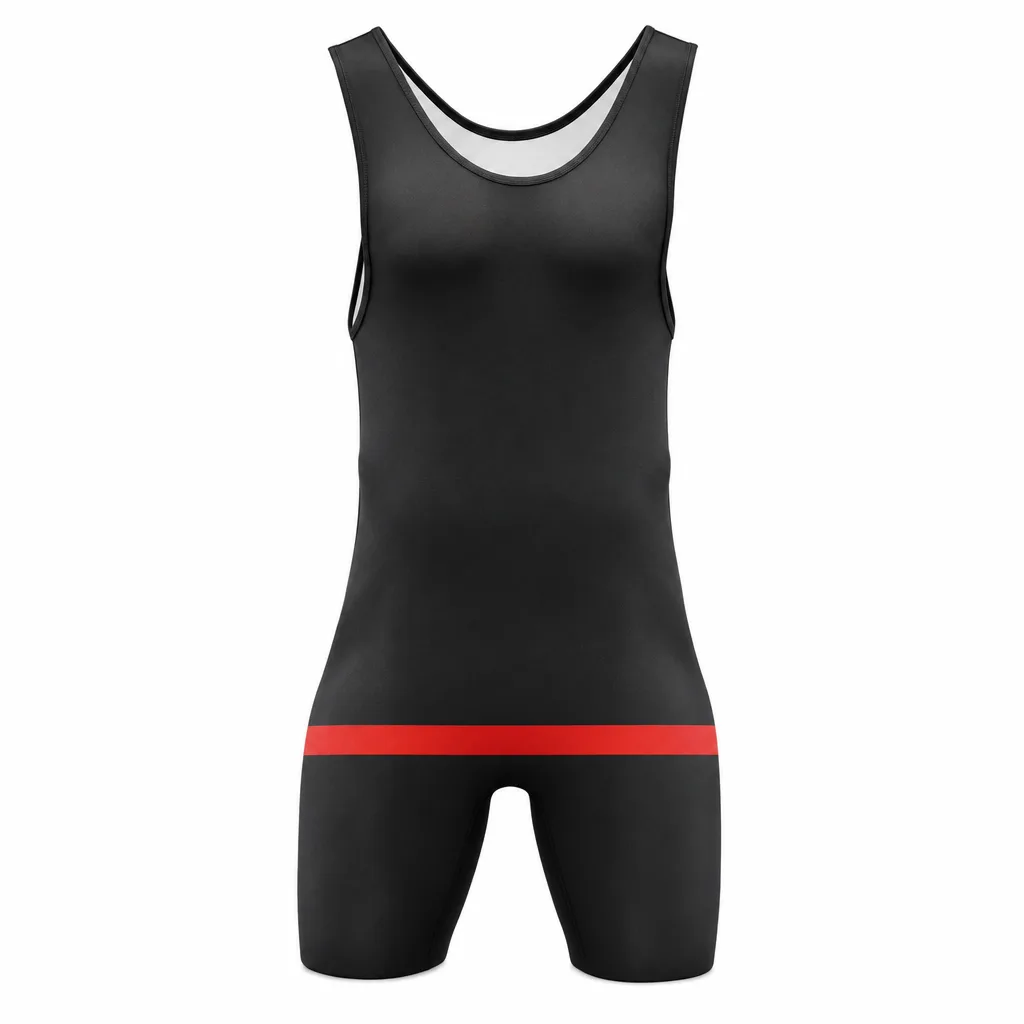 Apollo Crossface Wrestling Singlet
$74.99
Apollo Crossface Wrestling Singlet
$74.99
-
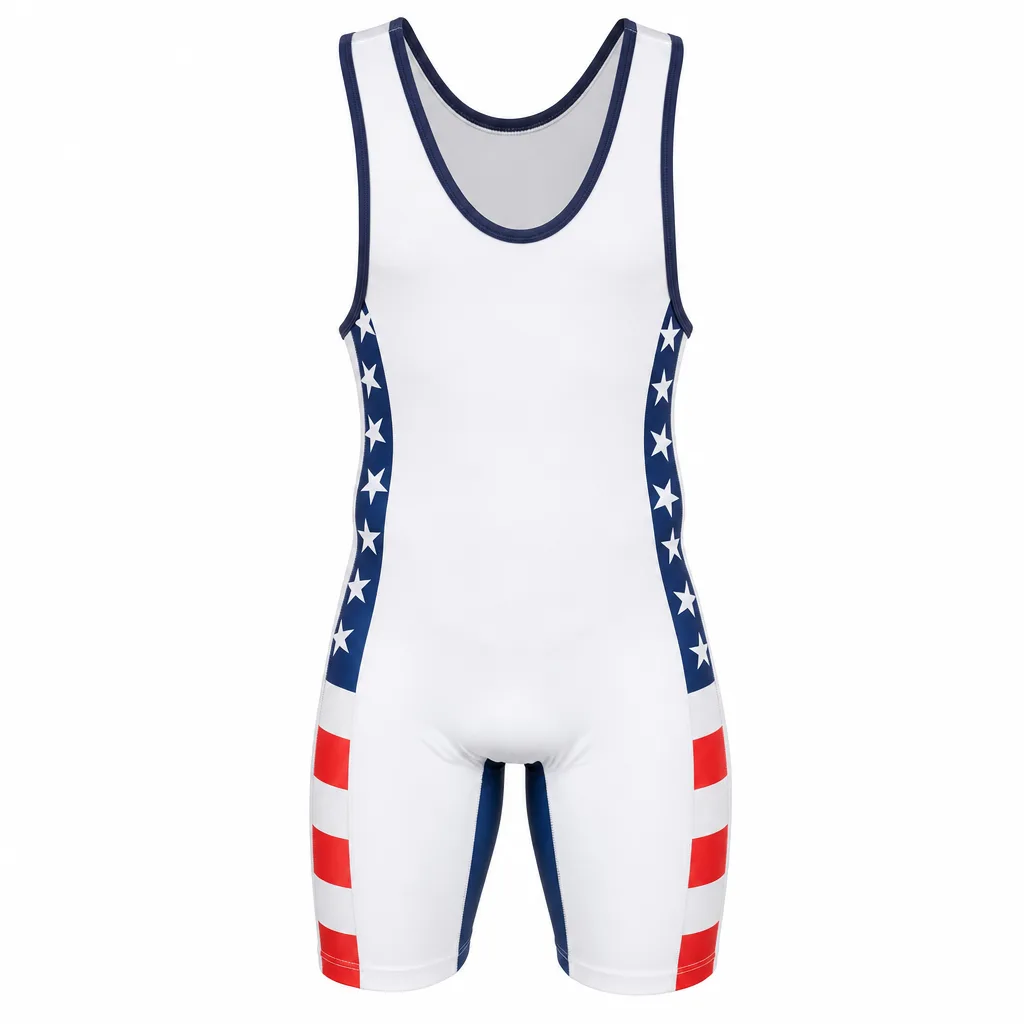 Apollo Keystone Wrestling Singlet
$75.99
Apollo Keystone Wrestling Singlet
$75.99
-
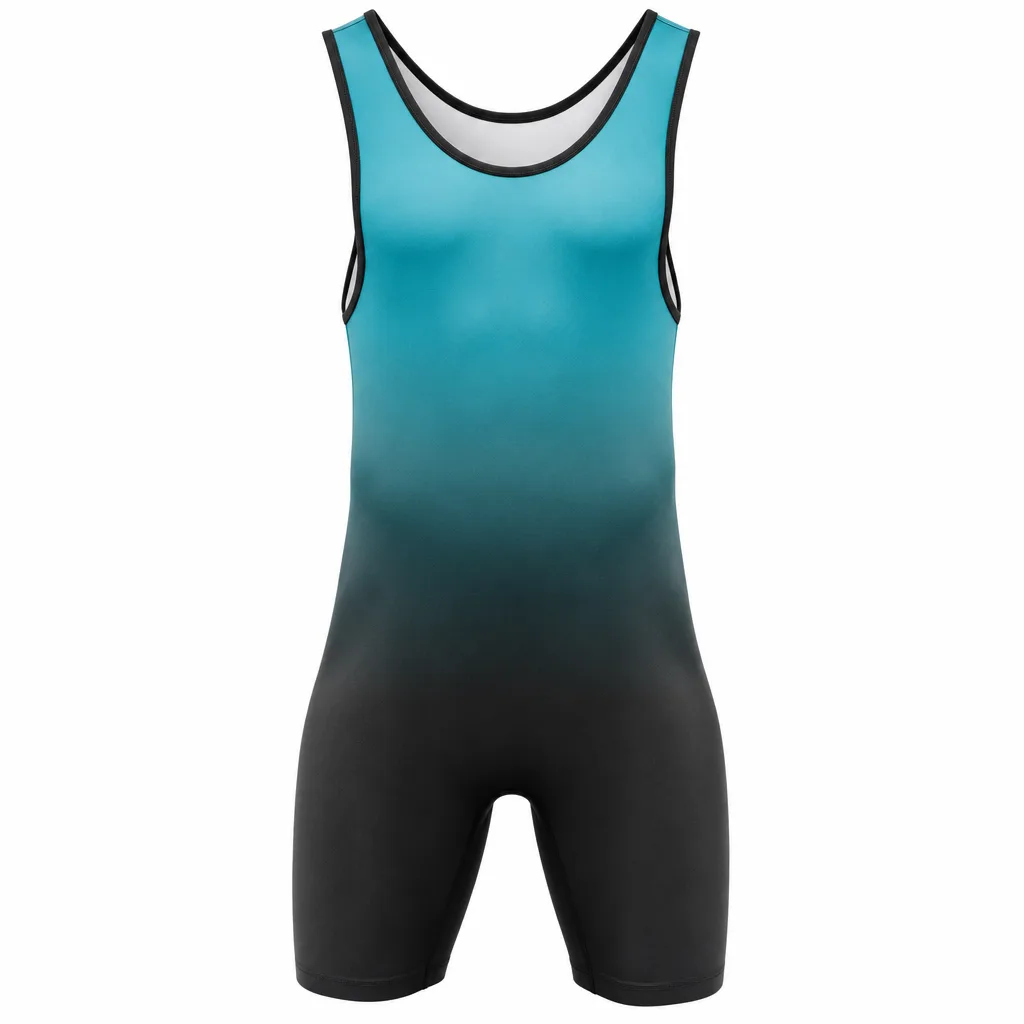 Apollo Lockdown Wrestling Singlet
$62.99
Apollo Lockdown Wrestling Singlet
$62.99
-
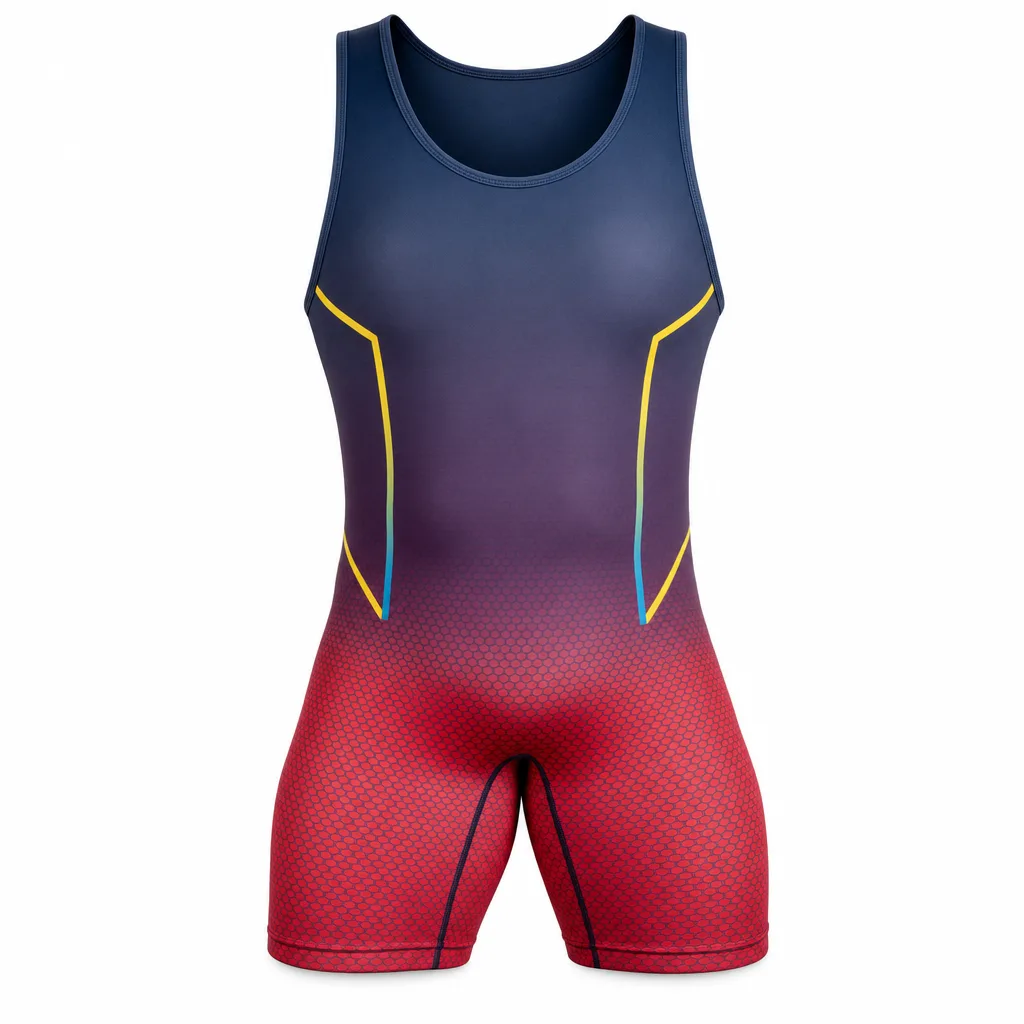 Apollo Pinfall Singlet
$67.99
Apollo Pinfall Singlet
$67.99
-
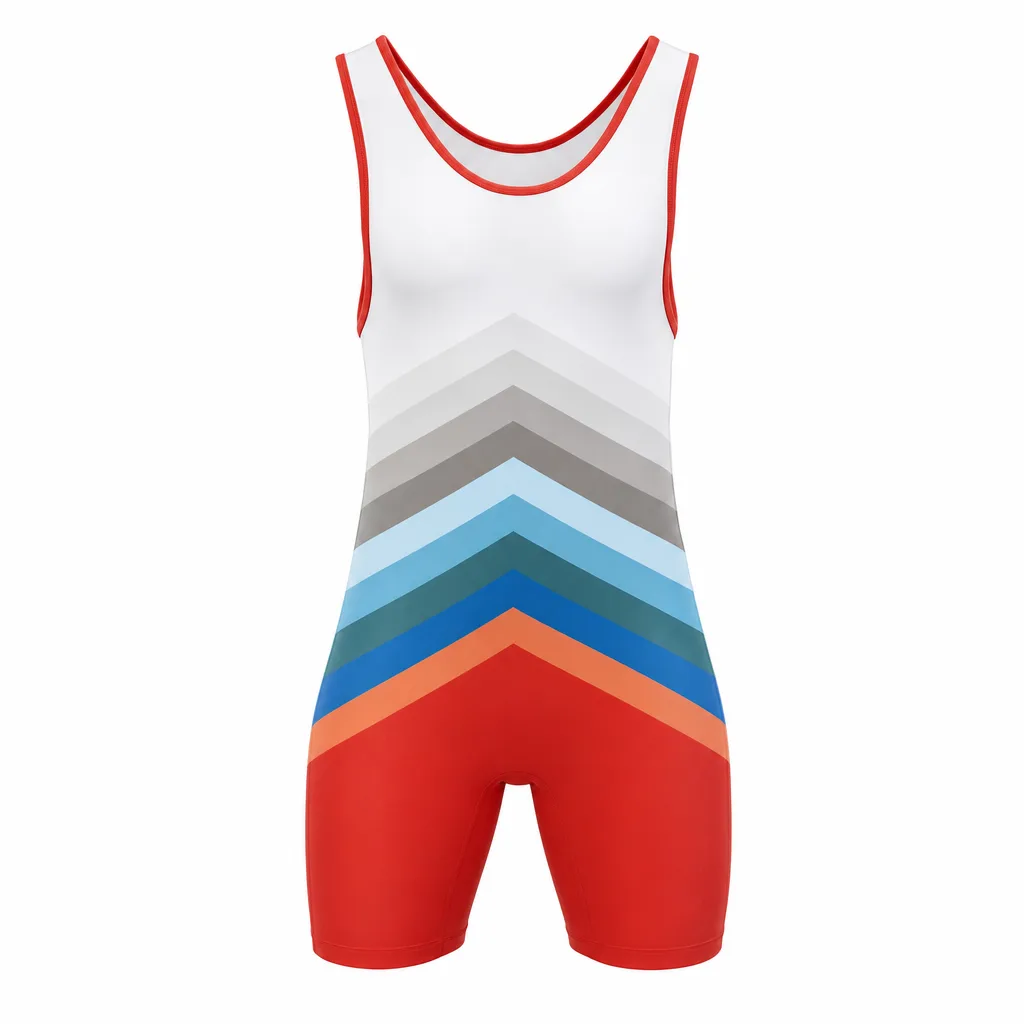 Apollo Scramble Wrestling Singlet
$74.99
Apollo Scramble Wrestling Singlet
$74.99
-
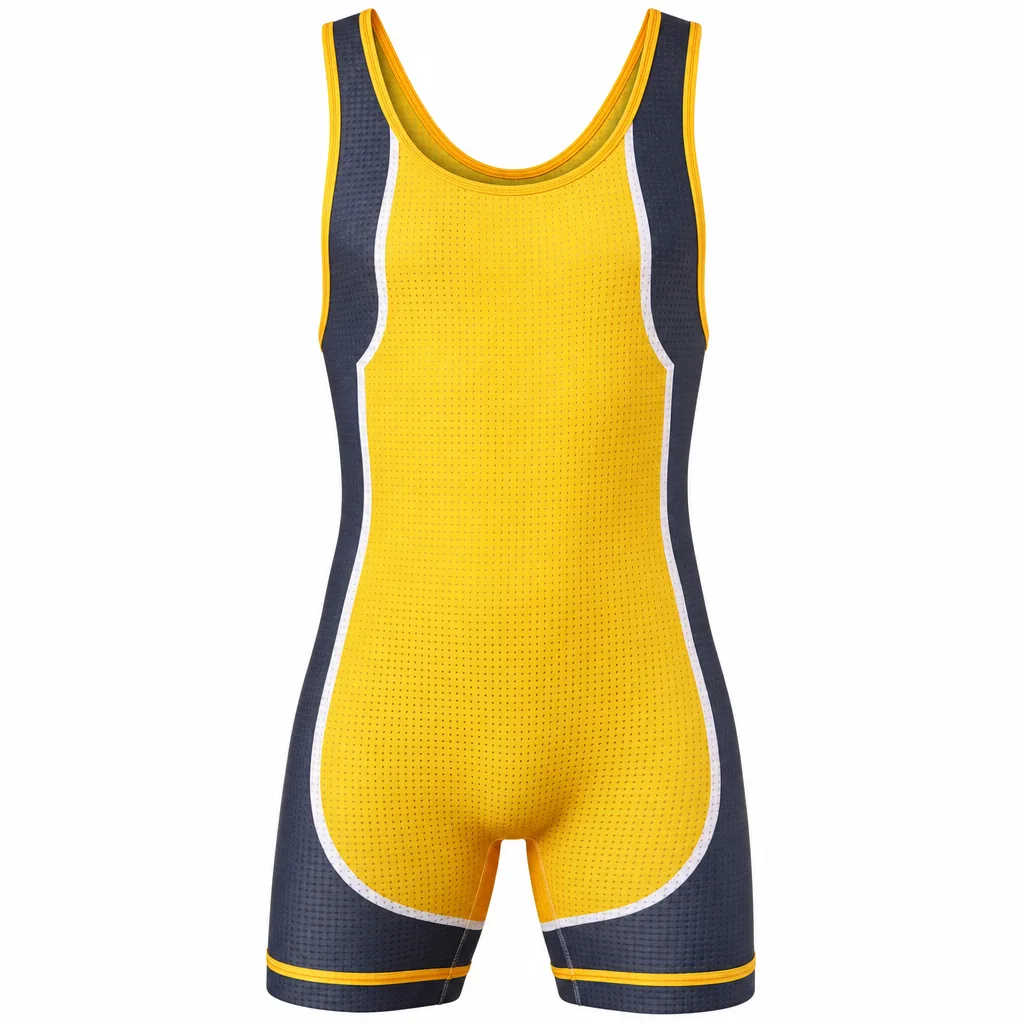 Apollo Sentinel Wrestling Singlet
$74.99
Apollo Sentinel Wrestling Singlet
$74.99
-
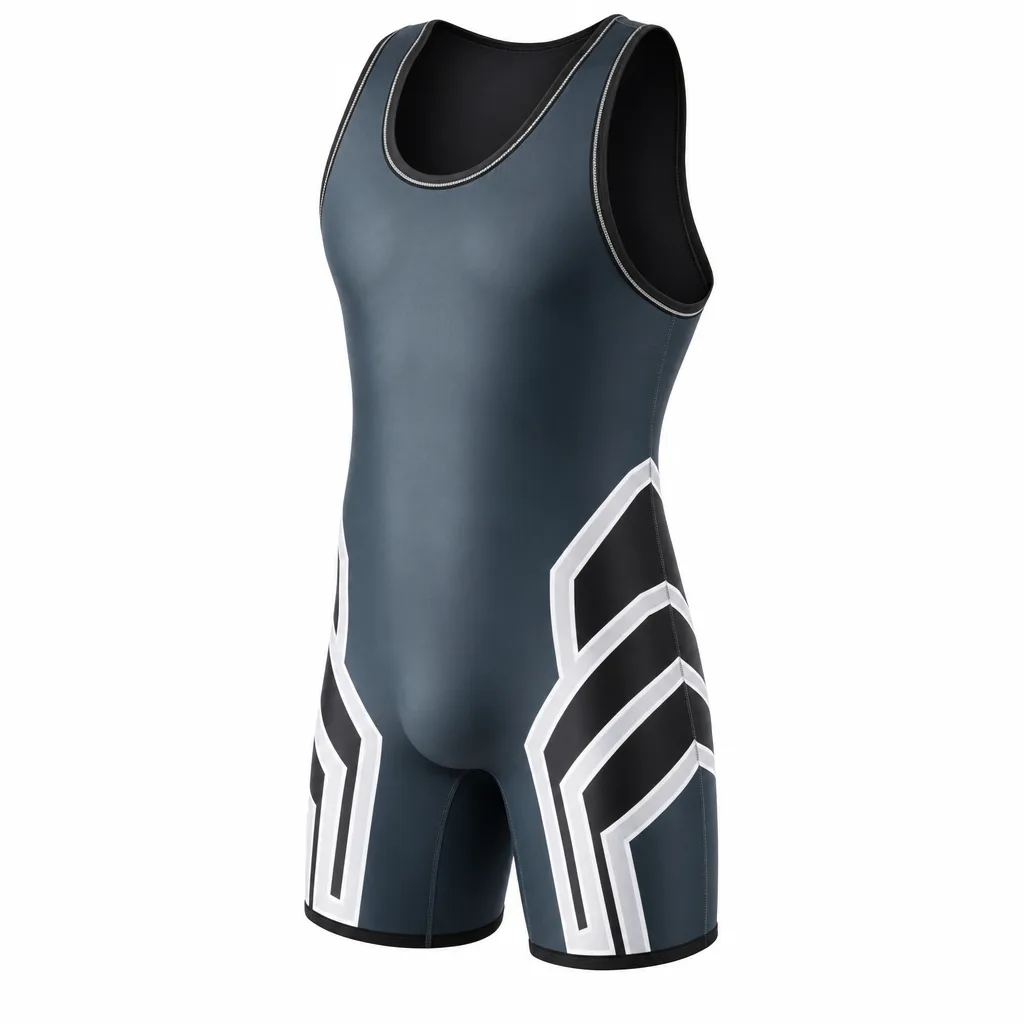 Apollo Switch Wrestling Singlet
$64.99
Apollo Switch Wrestling Singlet
$64.99
-
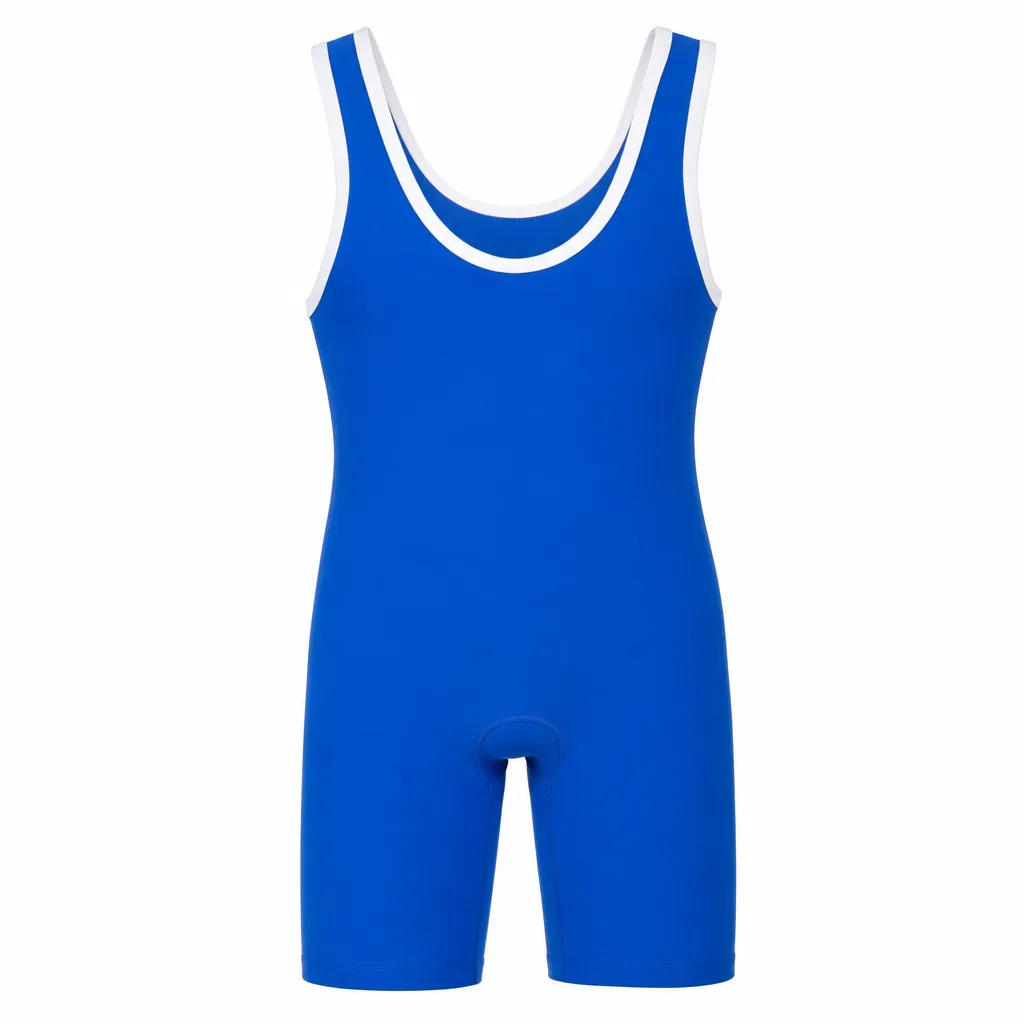 Apollo Takedown Wrestling Singlet
$65.99
Apollo Takedown Wrestling Singlet
$65.99
Fit, cut and what the rules ask for
A singlet exists for one reason: to give an opponent nothing to hold. Every seam sits flat, the leg openings grip, and the whole garment is cut to stay against you through a scramble. That is why it fits the way it does — a singlet that feels merely comfortable standing still is usually a size too big, and you will discover that the first time someone hooks a finger in a loose leg opening.
Size on height and weight together rather than on your shirt size. Singlets are stretch fabric working over a range, and the two dimensions pull against each other: a tall light wrestler and a short heavy one can wear the same nominal size and both be wrong if only one measurement is consulted. Where a size chart gives a height band and a weight band and you straddle them, follow the height — a singlet slightly tight through the torso still works, and one that is long in the body bunches at the waist where a grip can find it.
The two competition cuts are the high-cut leg and the lower "FILA" style cut, and which is legal depends on the ruleset you compete under rather than preference. Folkstyle and freestyle both accept a standard singlet; some youth and scholastic bodies additionally permit or require a two-piece uniform. Check the rulebook for your federation before buying for a specific event, because a singlet that is fine at practice can still be turned away at weigh-in.
What is worn underneath is also a rules question in most places, and the common answer is a fitted compression short and, where required, a sports bra — nothing loose, nothing with a seam that shows through, and no pockets or drawcords of any kind. Some federations require the undergarment; some prohibit anything but it. Again, the rulebook decides.
Singlets take more abuse than anything else in a wrestling bag: they are worn against skin, sweated through completely, and stretched hard every session. Wash cold after every use, hang dry, and never put one in a hot dryer — the elastane that gives the fit is exactly what heat destroys, and a singlet that has lost its stretch has lost the only thing it was for.
Frequently asked questions
- How should a wrestling singlet fit?
- Tight everywhere, with flat seams and leg openings that grip. Loose fabric is something to hold. If it feels merely comfortable standing still, it is probably a size too large.
- How do I size a wrestling singlet?
- On height and weight together, not on shirt size. Where you fall between two sizes on the chart, follow the height band — slightly tight through the torso still works, but a singlet long in the body bunches at the waist where a grip can find it.
- What do you wear under a wrestling singlet?
- A fitted compression short, and a sports bra where required. Nothing loose, no pockets and no drawcords. Whether the undergarment is required or restricted depends on your federation, so check the rulebook.
- Are singlets required for competition?
- For most folkstyle and freestyle competition, yes, though some youth and scholastic bodies now permit a two-piece uniform. The cut that is legal is set by the federation, not by preference.
- How do I care for a wrestling singlet?
- Cold wash after every session and hang dry. Heat destroys the elastane that provides the fit, and a singlet without stretch has lost the only property that mattered.