BJJ Belt Ranks Explained
The belt order, what the stripes mean, how long each rank actually takes, and how to tie the thing so it stays tied.
Ranks, stripes, and the questions everyone asks
The adult BJJ belt order is white, blue, purple, brown, black. That is the whole ladder, and it is deliberately short — five belts to cover what in most martial arts would be a dozen. Above black there are degrees, and beyond the seventh degree the belt changes colour again: red-and-black at seventh (usually called coral), red-and-white at eighth, and solid red at ninth and tenth. Almost nobody reading this will meet a red belt; there have only ever been a handful.
Children run on a separate scale — white, grey, yellow, orange, green, each with white and black variants — and it exists because the adult timeline does not work for a nine-year-old. A child who reaches green belt does not become a blue belt on their sixteenth birthday; they are graded into the adult system on merit, and often start at blue or white depending on the gym.
Time is the question everyone asks and the one with the least satisfying answer. A commonly cited average is around ten years from white to black, but the spread is enormous and depends far more on training frequency than on talent. Two to three years at white, two to three at blue, and eighteen months to three years each at purple and brown is a rough shape, not a schedule. The IBJJF sets minimum times at rank for competition eligibility — one year at blue and purple, one at brown — and those minimums are the only hard numbers in the system. Nobody is owed a promotion at a date.
Stripes are the intermediate marks on the sleeve of the belt, up to four per rank, and what they mean is entirely local. Some gyms award them on a schedule, some on attendance, some on performance, and some do not use them at all. Four stripes does not automatically mean the next belt is imminent. If the stripe system at your gym is not explained, ask — it is not a secret, and the answer tells you what your instructor is actually grading.
Tying it: fold the belt in half to find the centre, hold the centre against your stomach, wrap both ends around your back and bring them forward. Cross the ends over each other, then pass the end that is now underneath up beneath both layers of the belt at your waist and pull it snug. You now have two ends pointing outward — cross the right over the left, tuck it up through the loop that forms, and pull both ends firm. Done correctly the knot sits horizontal and flat, and the two ends hang the same length. If it works loose within a round, the usual cause is not tightening both layers before the final knot rather than the knot itself.
And the myth: no, the belt does not hold your progress, and yes, you should wash it. The idea that washing a belt washes away knowledge is a joke that became folklore. A belt is cotton worn against a sweating body several times a week; the reason to wash it is the same as the reason to wash everything else in your bag. Cold wash, hang dry, no bleach — the same as the gi it goes with.
What to look for
Five belts, no shortcuts
White, blue, purple, brown, black. The IBJJF minimum times at rank are the only fixed numbers in the system — everything else is your instructor's judgement, and no belt is owed on a date.Stripes are a local dialect
Up to four per belt, and what earns one differs from gym to gym — attendance, performance, or a schedule. Four stripes does not mean the next belt is due. Ask what yours are being graded on.Wash the belt
The idea that washing it removes your progress is a joke that outlived its punchline. Cold wash, hang dry, no bleach — exactly like the gi. It is cotton worn against sweat several times a week.
Apollo gear for this
-
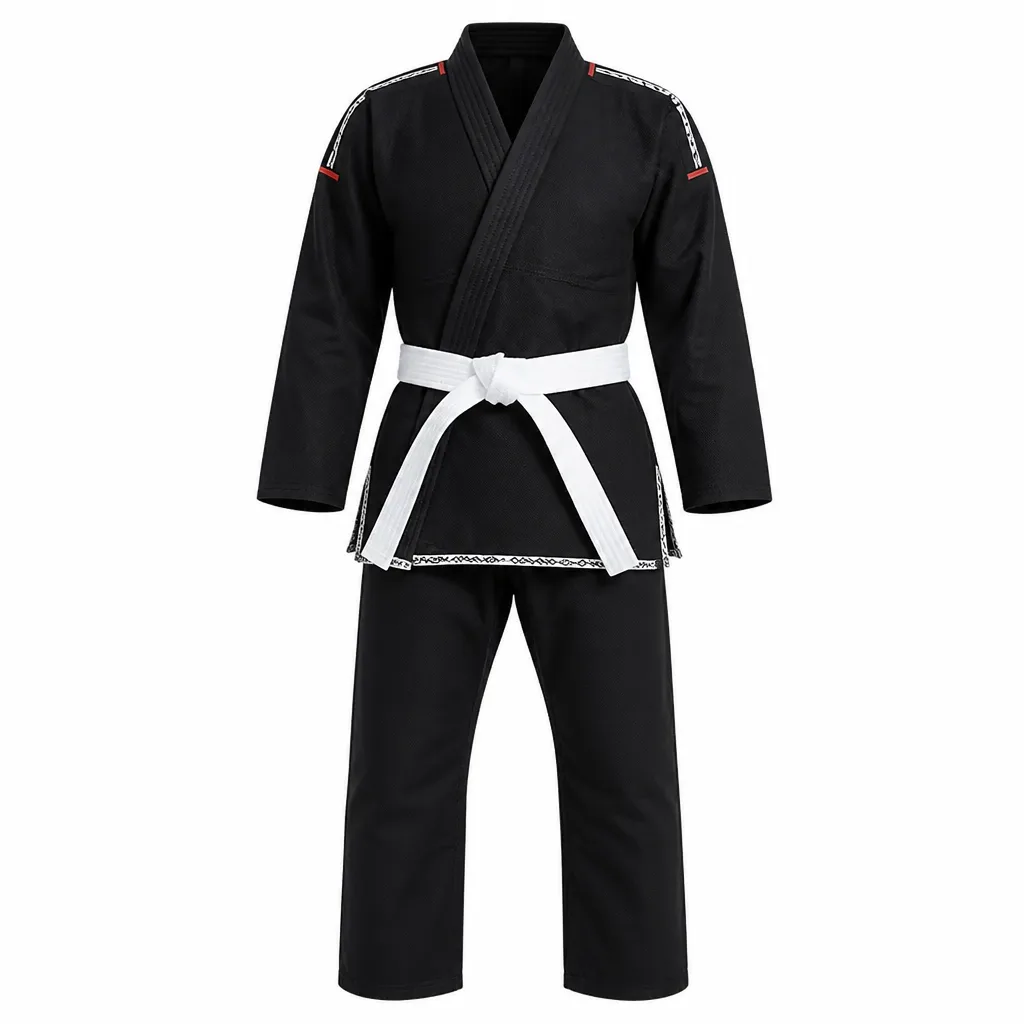 Apollo Bastion BJJ Gi
$135.99
Apollo Bastion BJJ Gi
$135.99
-
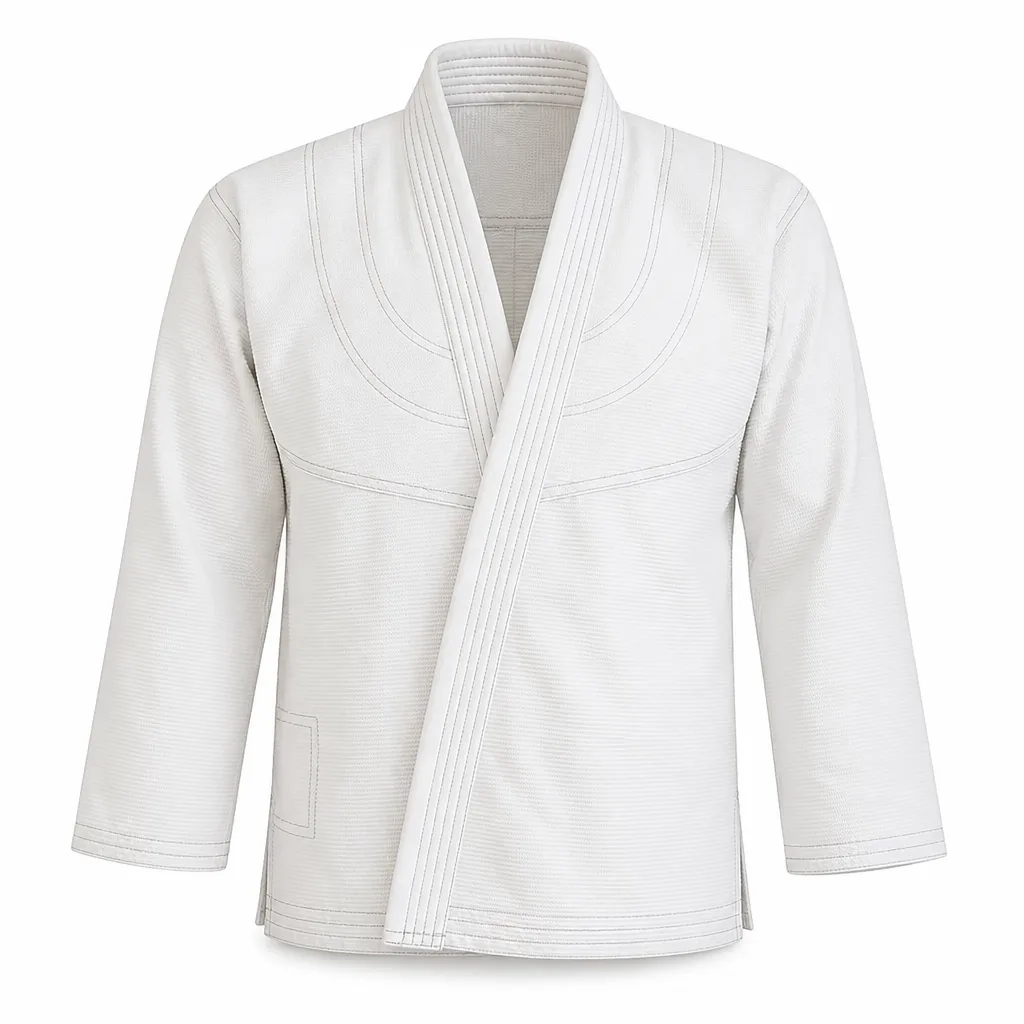 Apollo Bastion Gi
$281.99
Apollo Bastion Gi
$281.99
-
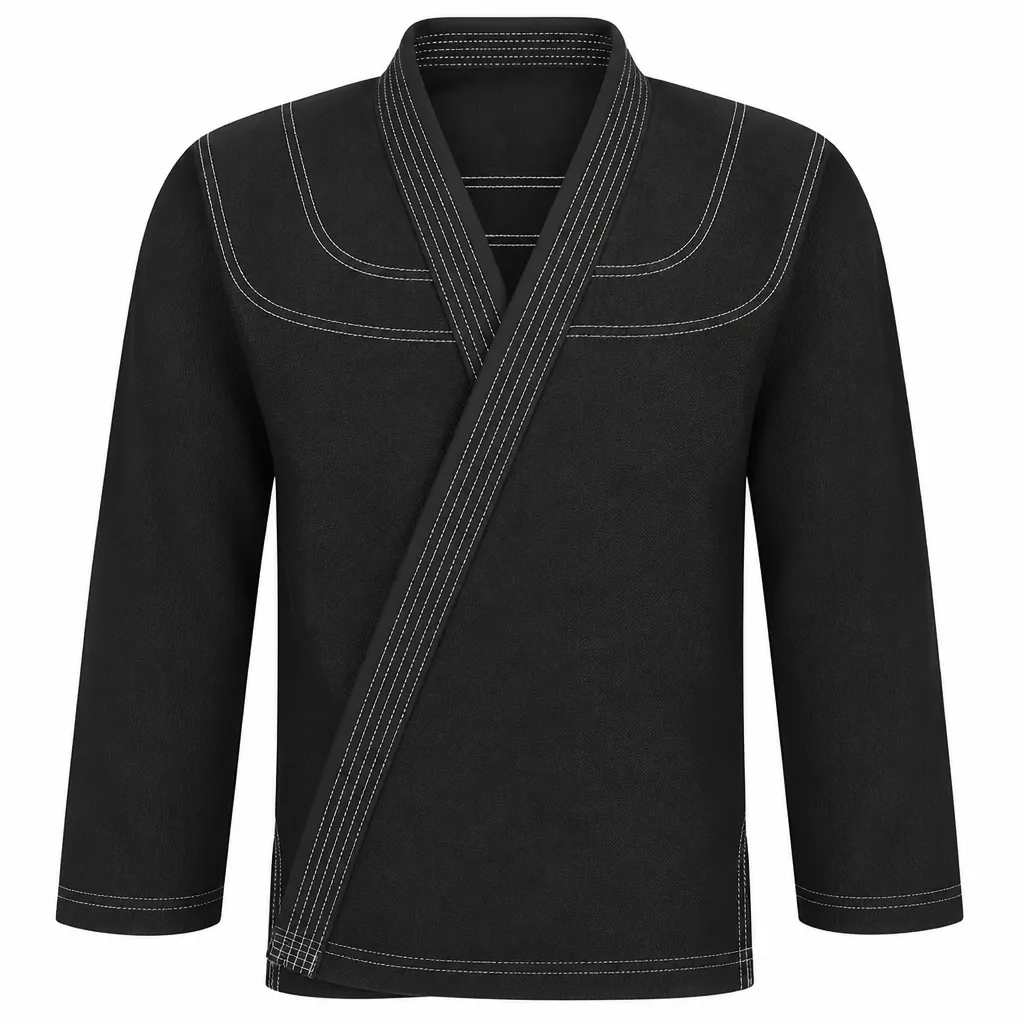 Apollo Crosswind BJJ Gi
$143.99
Apollo Crosswind BJJ Gi
$143.99
-
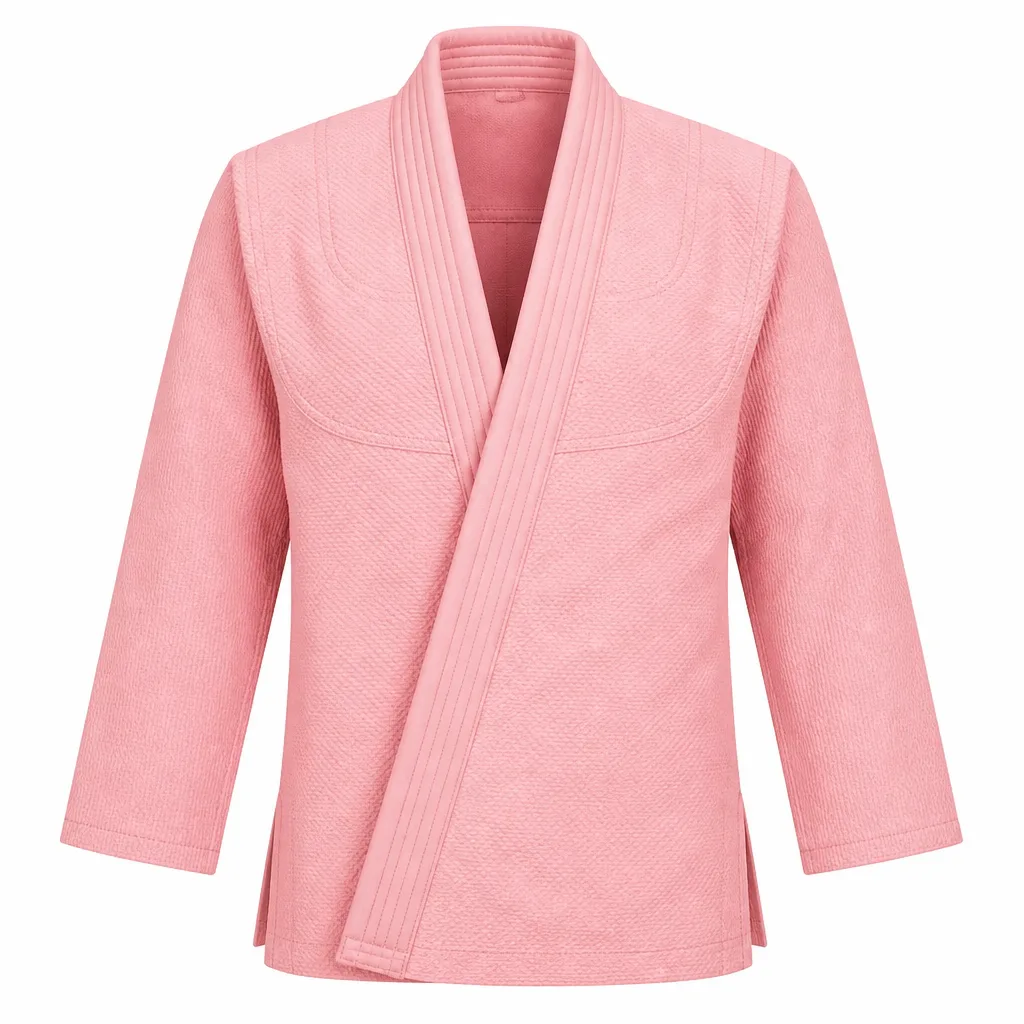 Apollo Sakura BJJ Gi
$91.99
Apollo Sakura BJJ Gi
$91.99
-
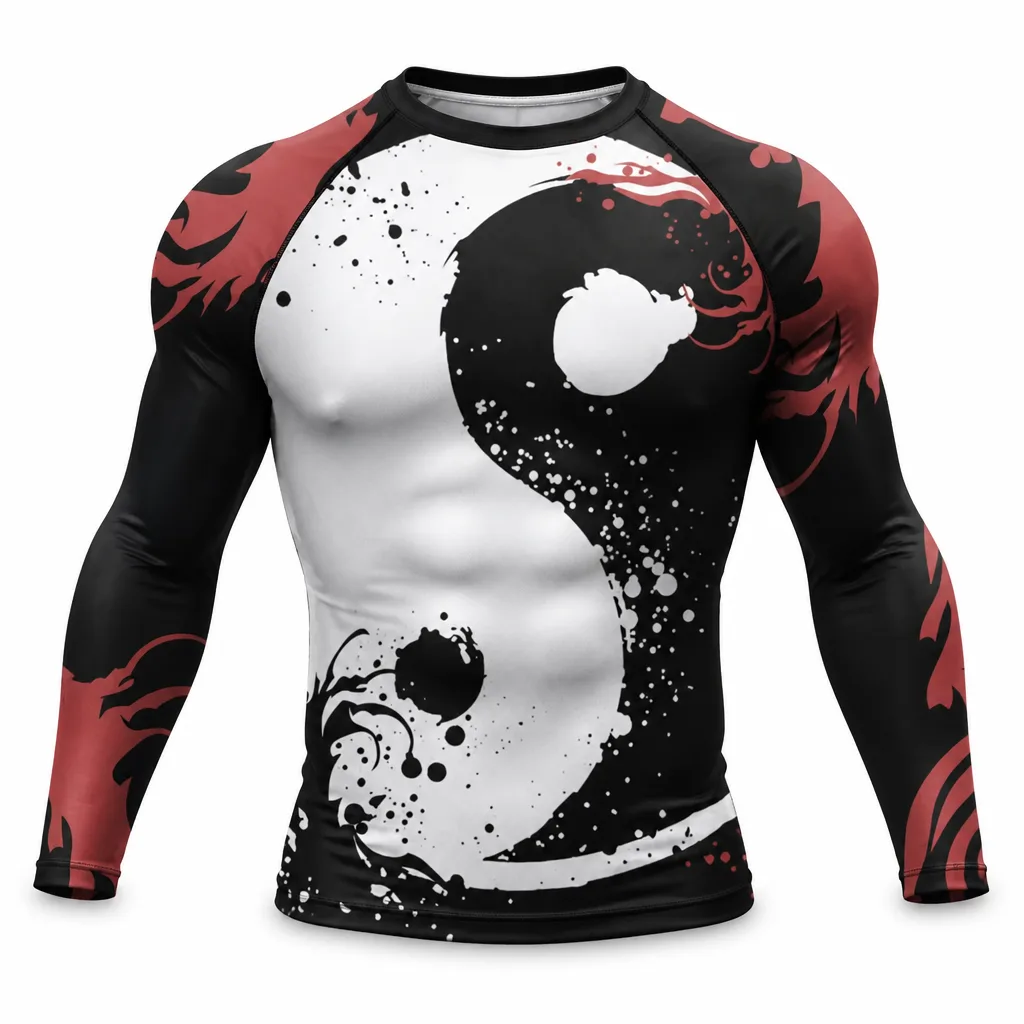 Apollo Aegis Rash Guard
$47.99
Apollo Aegis Rash Guard
$47.99
-
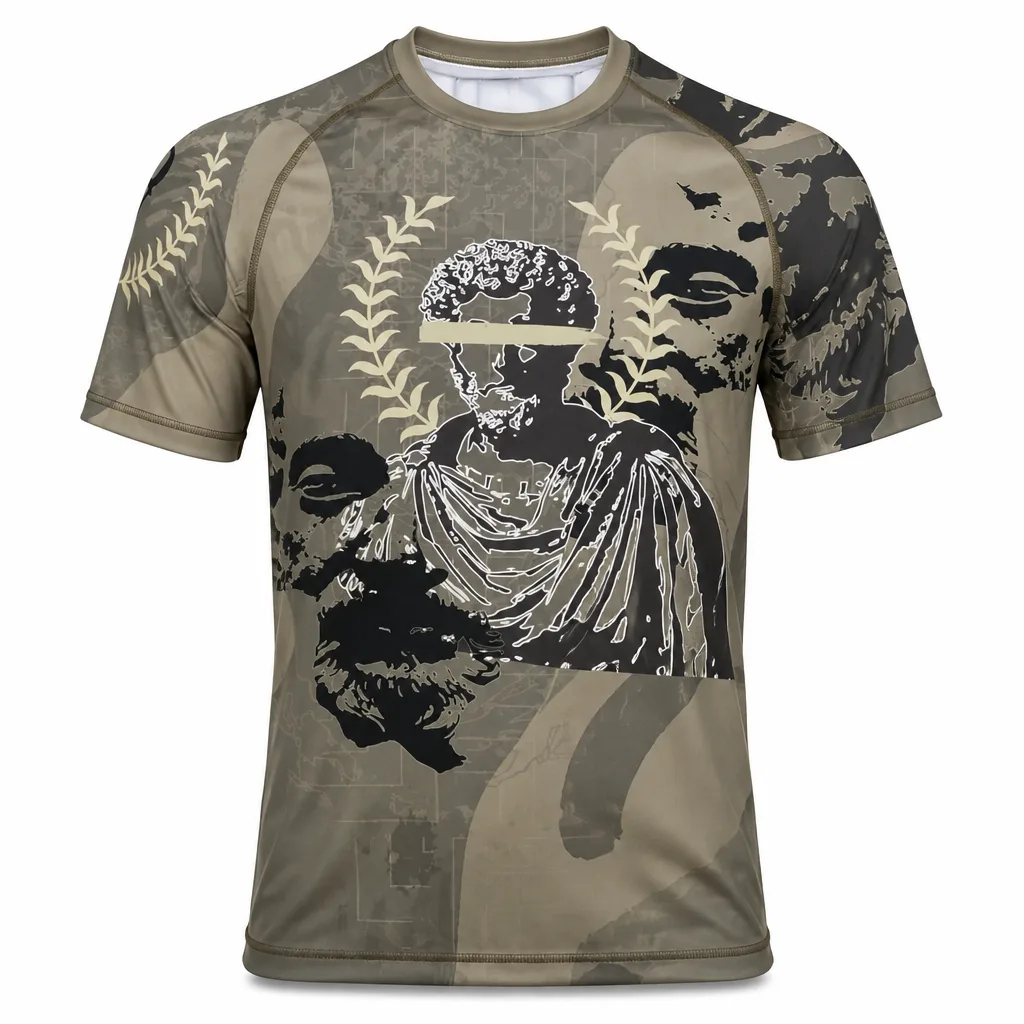 Apollo Centurion Rash Guard
$46.99
Apollo Centurion Rash Guard
$46.99
-
 Apollo Crosscurrent Rash Guard
$51.99
Apollo Crosscurrent Rash Guard
$51.99
-
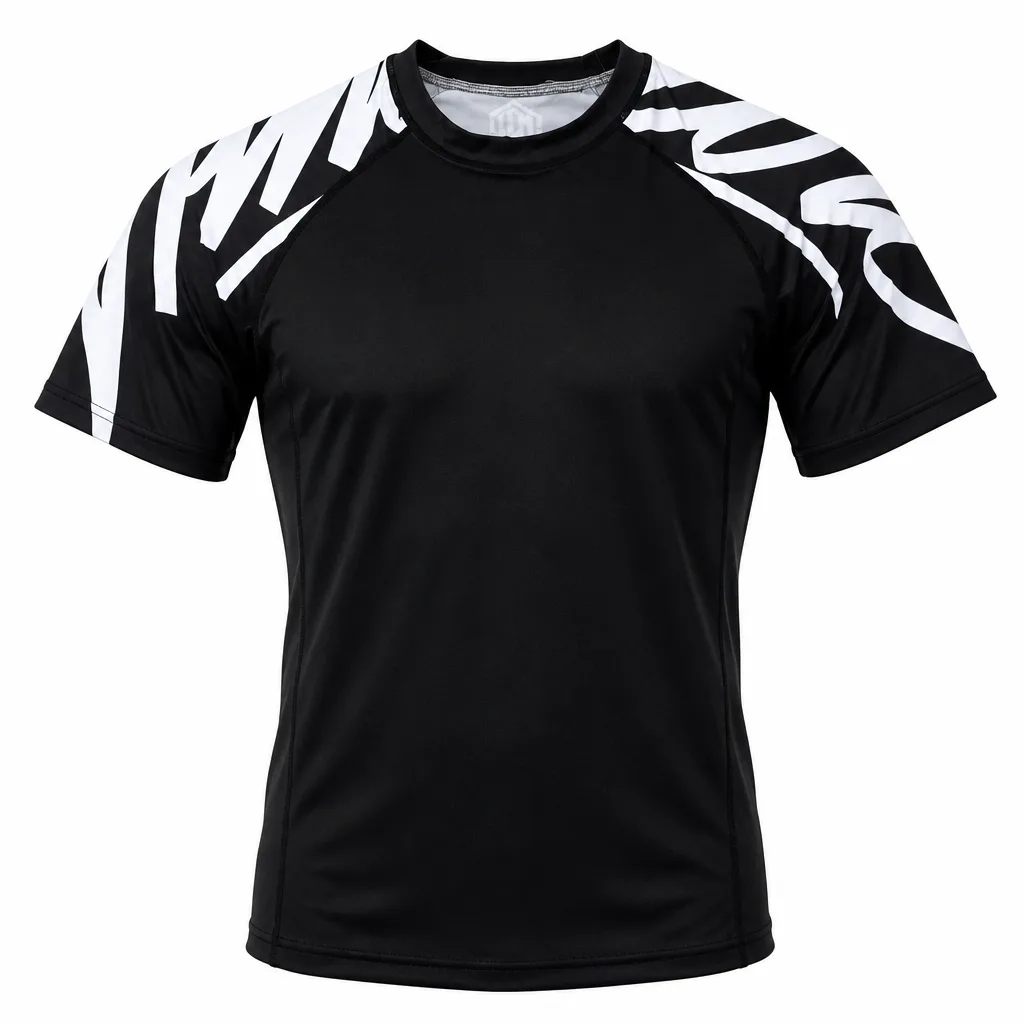 Apollo Crucible Rash Guard
$46.99
Apollo Crucible Rash Guard
$46.99
Frequently asked questions
- What is the order of BJJ belts?
- For adults: white, blue, purple, brown, black, then degrees on the black belt. Above seventh degree the belt changes colour — red-and-black (coral) at seventh, red-and-white at eighth, red at ninth and tenth. Children use a separate scale of white, grey, yellow, orange and green.
- How long does it take to get a BJJ black belt?
- Commonly around ten years, but the spread is wide and depends mostly on how often you train. The IBJJF sets minimum times at rank for competition — one year each at blue, purple and brown — and those are the only hard numbers. There is no schedule.
- What do the stripes on a BJJ belt mean?
- Up to four intermediate marks within a rank. What earns one is entirely up to the gym: attendance, performance, or a fixed schedule. Some gyms do not use them at all, and four stripes does not mean a promotion is imminent.
- How do you tie a BJJ belt?
- Find the centre, hold it at your stomach, wrap both ends around your back and bring them forward. Cross them, pass the underneath end up beneath both layers at your waist, pull snug, then cross right over left and tuck up through the loop. The knot should sit flat and horizontal with both ends the same length.
- Should you wash your BJJ belt?
- Yes. The idea that washing it removes your progress is folklore, not hygiene. Cold wash, hang dry, no bleach — the same care as the gi. It is cotton worn against sweat several times a week.
- Does Apollo MMA sell belts?
- Not currently. We stock gi, rash guards and the rest of the kit, and this guide exists because the belt questions come from the same people. If we stock belts later they will appear in the gi collection.