BJJ Gi Weaves Explained
Pearl, gold, single, double, ripstop. What the words mean, what they weigh, and which one you actually want.
What the weave actually changes
A gi weave is the pattern the jacket is knitted in, and it decides three things you will notice: how heavy the jacket is, how stiff it feels, and how much of a grip it hands your opponent. Everything else — the trousers, the collar filling, the stitching — is a separate decision. Weave names are also not standardised between manufacturers, so "gold weave" from two brands can be two different fabrics. Treat the name as a rough family and the GSM number as the fact.
GSM is grams per square metre, and it is the only figure that compares across brands. Roughly: under 400 GSM is light and summer-weight, 400–550 is the standard training range where most gi sit, and anything above 550 is heavy and usually competition or cold-room territory. A 550 GSM jacket is genuinely hot to train in for an hour, and that is not a durability trade-off you have to make — modern light weaves last.
Single weave is the plainest construction: light, cheap, quick to dry, and the least material for someone to grab. It is also the least durable at the collar and the first to look tired. Double weave is the opposite — dense, extremely tough, very hard to grip, and heavy enough that many people only wear one in competition or in judo, where the rules and the grip fighting reward it. It is a bad first gi purely on comfort.
Pearl weave is what most people should buy and what most gi sold today actually are. It is a textured knit that gets close to double-weave durability at something near single-weave weight, typically 350–550 GSM, and it shrinks predictably. Gold weave sits historically between single and double and is softer and heavier than pearl; it has largely been displaced by pearl because pearl does the same job lighter. Honeycomb and waffle are marketing names for textured variants in the same family — judge them on GSM, not on the noun.
Ripstop is the outlier and it is usually trousers rather than a jacket. It is a flat, tightly woven synthetic-blend fabric with a reinforcing grid, extremely light, very fast to dry, and it barely shrinks. Ripstop trousers under a pearl weave jacket is a common and sensible combination, particularly in hot climates. Ripstop jackets exist but are banned or restricted in some competition rulesets, so check before buying one to compete in.
For a first gi: pearl weave, 350–450 GSM, in white or blue, and buy on the A-scale by height rather than by your shirt size. Expect a cotton gi to shrink in the first few washes — that is why preshrunk is worth paying for and why a gi that is marginally long out of the bag is usually right after a month. Our gi run A0 to A4 with M-scale options on several, and the sizing guidance is on each product page and on the size guide.
What to look for
Pearl weave, unless you know otherwise
Near double-weave durability at close to single-weave weight, and predictable shrinkage. It is what most gi sold today are, and the right answer for a first one at 350–450 GSM.Trust GSM, not the name
Weave names are not standardised between brands — one maker's gold weave is another's pearl. Grams per square metre is the only figure that compares. Under 400 is light, 400–550 standard, above 550 heavy.Ripstop for the trousers
Light, fast-drying and barely shrinks, which makes it a good pairing under a pearl weave jacket in a hot room. Ripstop jackets are restricted in some competition rulesets — check before buying to compete.
Apollo gear for this
-
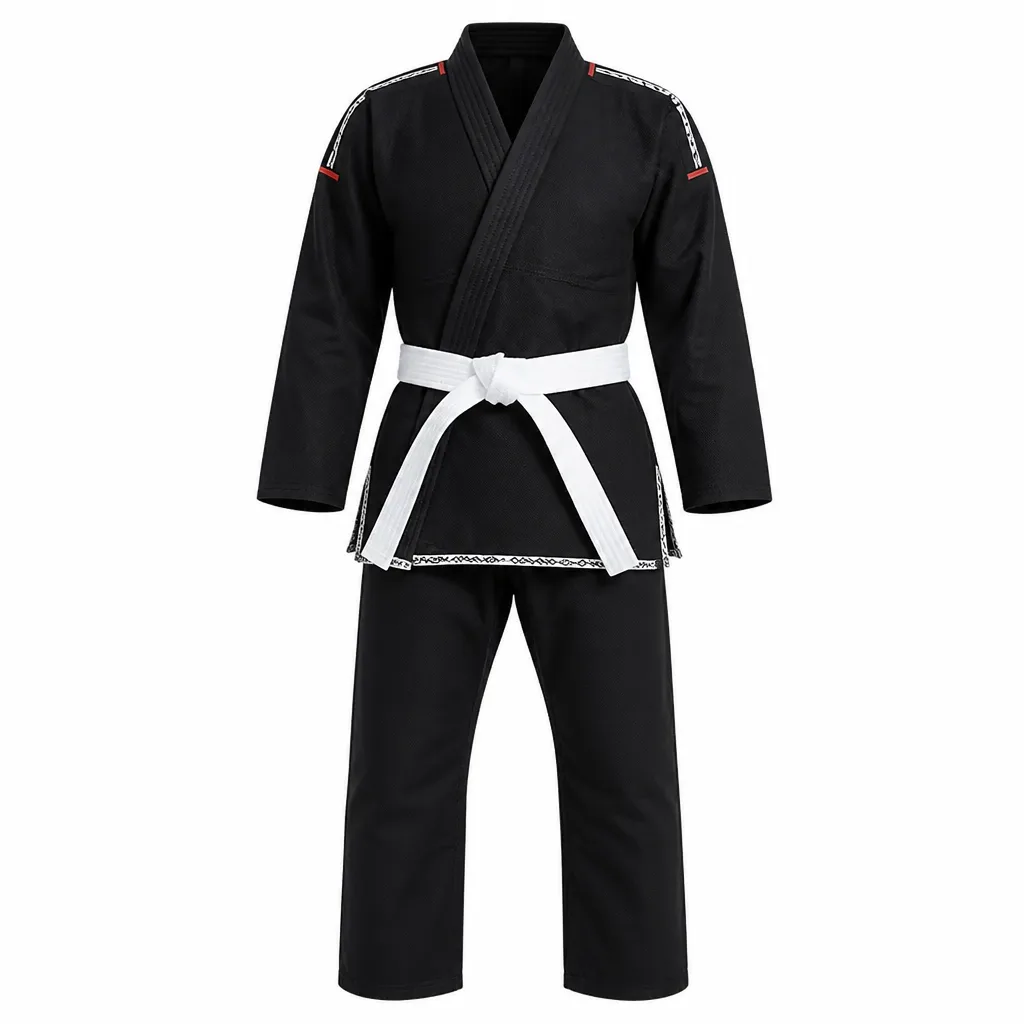 Apollo Bastion BJJ Gi
$135.99
Apollo Bastion BJJ Gi
$135.99
-
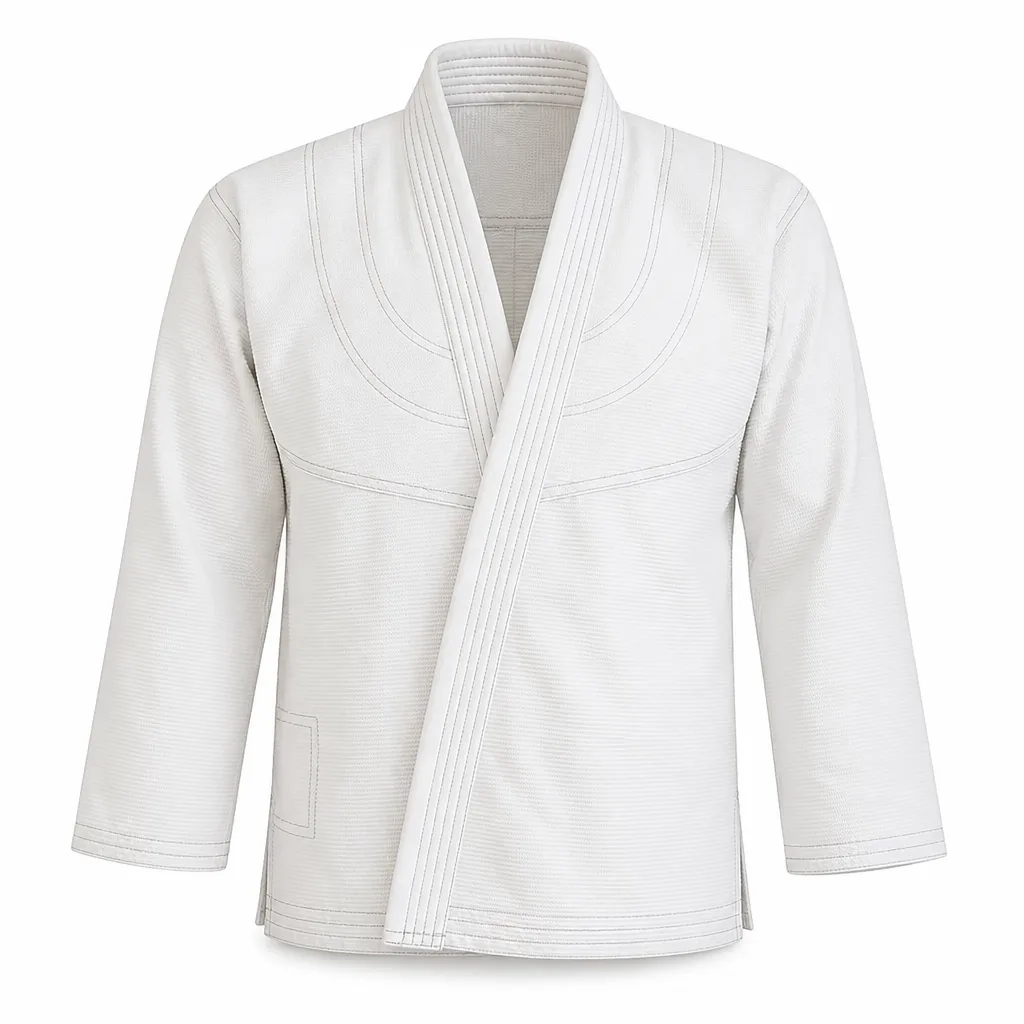 Apollo Bastion Gi
$281.99
Apollo Bastion Gi
$281.99
-
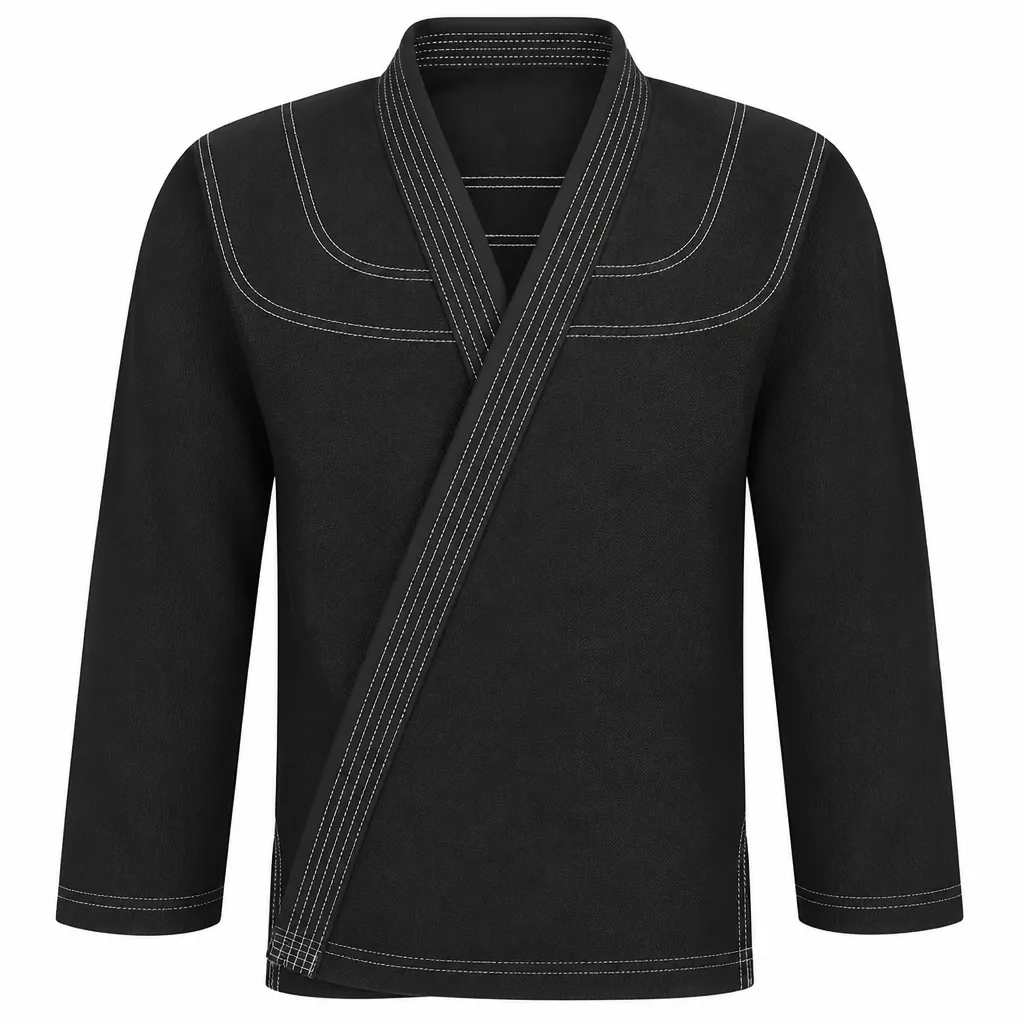 Apollo Crosswind BJJ Gi
$143.99
Apollo Crosswind BJJ Gi
$143.99
-
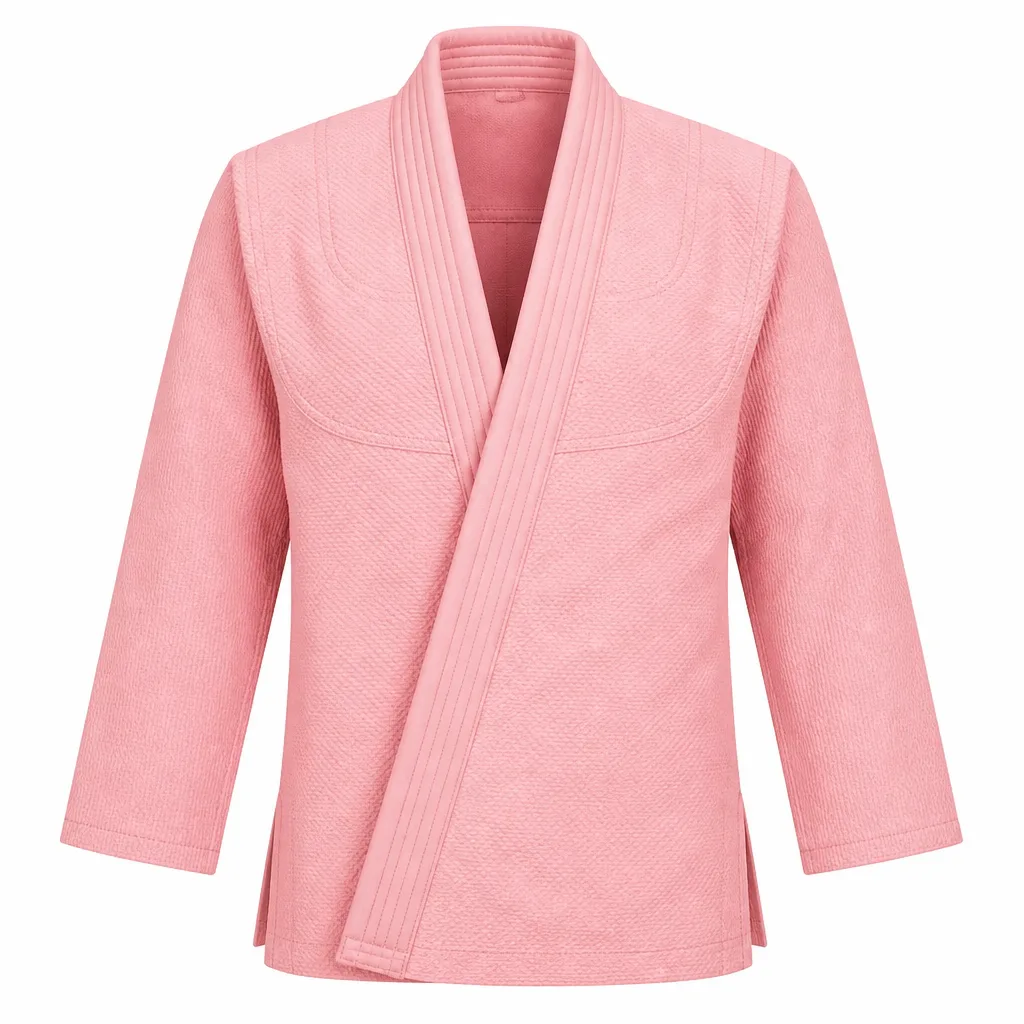 Apollo Sakura BJJ Gi
$91.99
Apollo Sakura BJJ Gi
$91.99
Frequently asked questions
- What is the best gi weave for beginners?
- Pearl weave at 350–450 GSM. It gets close to double-weave durability at a weight you can train in for an hour, shrinks predictably, and is what most gi sold today already are.
- What is the difference between single weave and double weave?
- Single weave is light, cheap and quick-drying but wears out at the collar first. Double weave is dense, extremely durable and very hard to grip, but heavy enough that most people only wear one for competition or judo. Pearl weave sits between them and has largely replaced both.
- Is gold weave better than pearl weave?
- Not better, just older and heavier. Gold weave historically sat between single and double and is softer than pearl. Pearl does much the same job at lower weight, which is why it has displaced it. Compare the GSM rather than the name.
- What does GSM mean on a BJJ gi?
- Grams per square metre — the fabric weight, and the only figure that compares reliably across brands. Under 400 GSM is light or summer-weight, 400–550 is standard training weight, and above 550 is heavy competition weight.
- Is a ripstop gi legal for competition?
- Ripstop trousers are widely accepted. Ripstop jackets are restricted or banned under some rulesets, so check the rules of the federation you are competing under before buying one specifically to compete in.