---
---
What Makes MMA Gear Essential for Fighters
In the unforgiving world of mixed martial arts, your gear isn't just accessories—it's the thin line between victory and a hospital visit. As Marcus Silva, a former professional MMA fighter with over 15 years of cage time, bloodied knuckles, and gear-testing scars, I've learned that quality MMA gear can make or break your performance, safety, and longevity in the sport. Whether you're a beginner shadowboxing in your garage or a pro prepping for a title fight, investing in the right fight shorts, gloves, and protective pads isn't optional—it's essential.
At Apollo MMA, we stock the best MMA gear from trusted brands like Hayabusa, Venum, and Fairtex, curated for fighters worldwide. In this deep dive, I'll share my firsthand experiences, industry secrets, and practical tips to help you choose MMA gear for fighters that delivers real results.
Expert Perspective: Lessons from the Cage
Picture this: It's round three of a grueling sparring session at a packed commercial gym. Your 16-ounce Hayabusa T3 gloves are laced tight, absorbing hooks while your curved shin guards deflect low kicks without slipping. That's not luck—it's the payoff of gear designed for the chaos of MMA. I've competed in everything from local circuits to high-stakes bouts, and I've trained in dingy basements and state-of-the-art facilities. One constant? Subpar gear leads to injuries, frustration, and stalled progress.
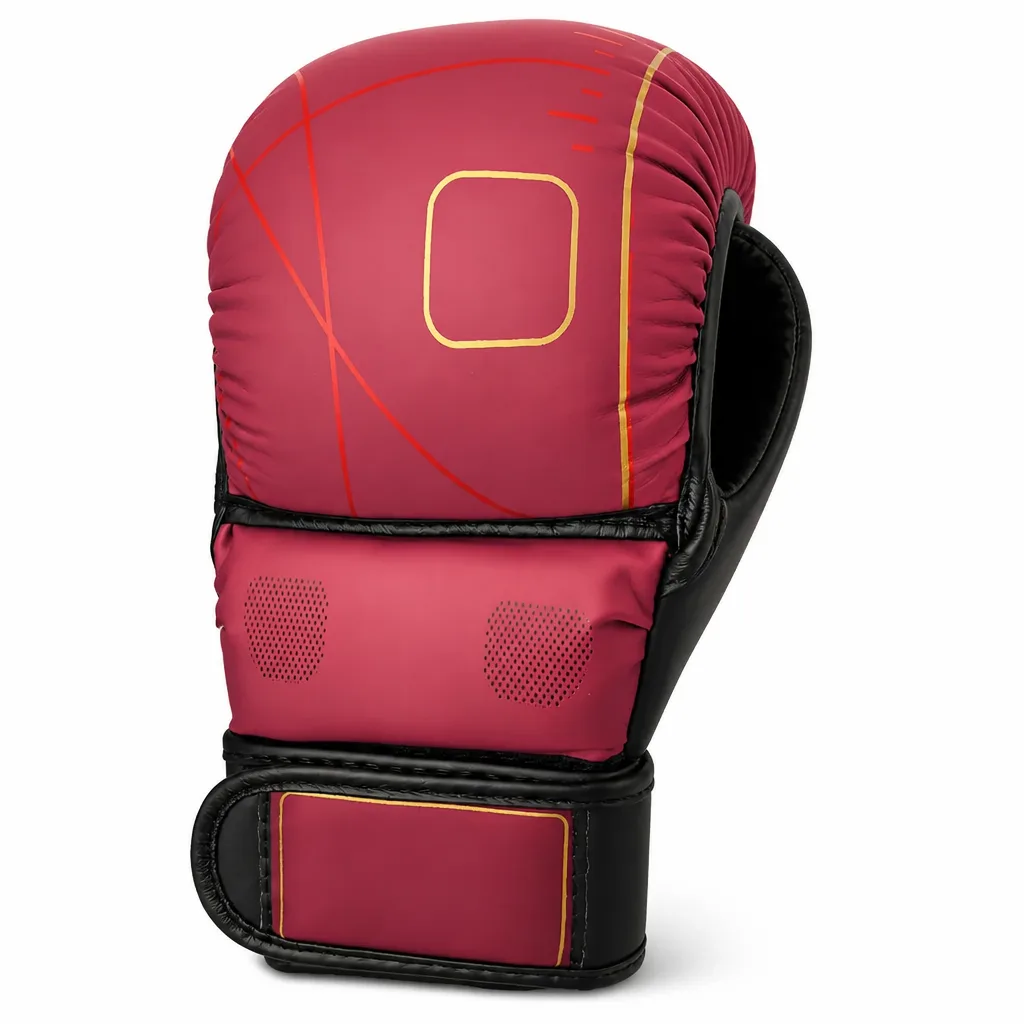
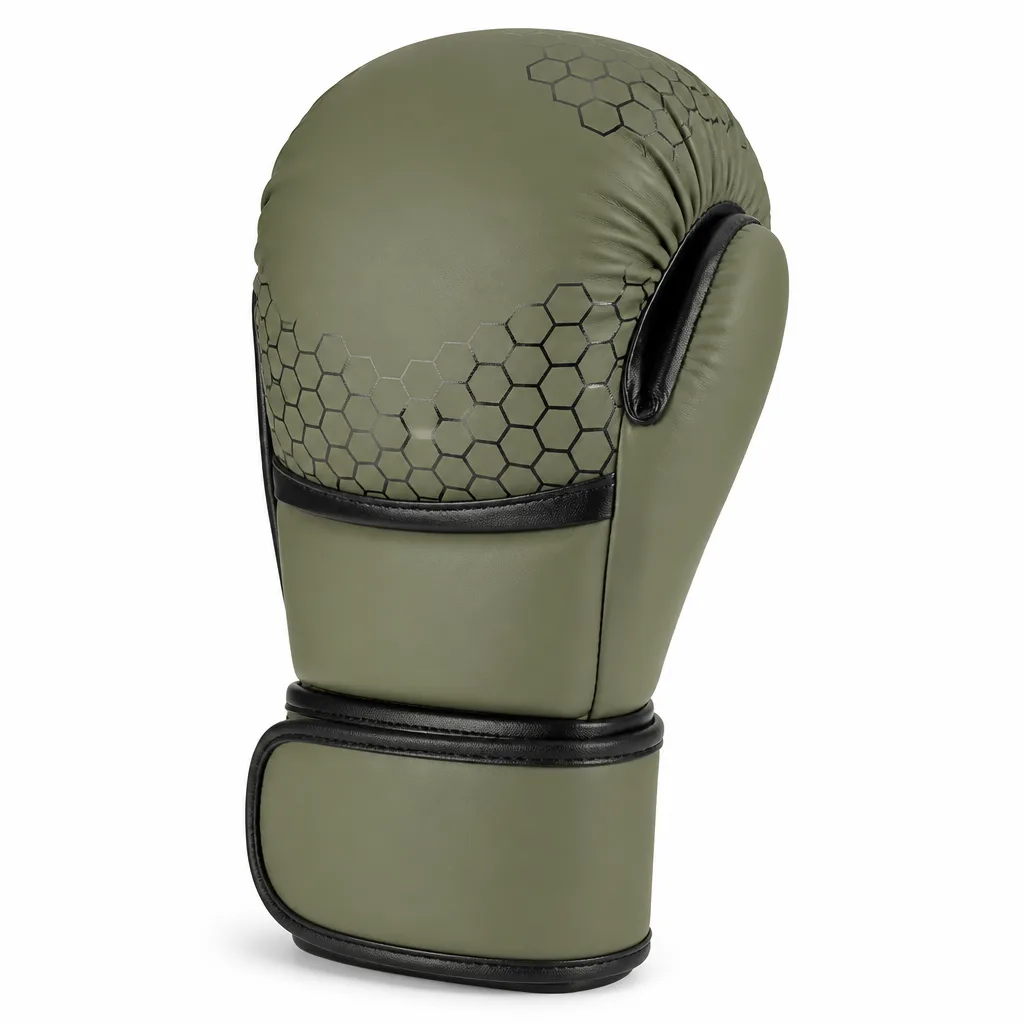
From my vantage point, MMA gear for training must prioritize three pillars: protection, mobility, and durability. Take gloves, for instance. Competition 4-ounce models like the Venum Challenger use multi-layer foam padding—closed-cell for impact absorption and open-cell for hand breathability—to prevent cuts and fractures. In training, I always opt for 16-18 ounce versions with extended wrist straps; they've saved my wrists from countless bad angles during grappling transitions.
For rash guards and compression gear, brands like Tatami use Spandex-polyester blends with flatlock stitching to eliminate chafing during prolonged BJJ rolls. I've sweated through sessions where cheap alternatives bunched up, leading to mat burns. Real-world testing shows these materials wick moisture 30-50% faster, keeping you focused when fatigue sets in.
Industry Insights: What Sets Premium MMA Gear Apart
The MMA equipment landscape has evolved dramatically since my early days training in basic boxing wraps and thrift-store shorts. Today, industry standards demand gear that meets athletic commission specs—like the California State Athletic Commission's glove padding requirements—while incorporating cutting-edge materials. Leather hybrids dominate for gloves: full-grain cowhide for top-tier durability (lasting 200+ sessions) versus synthetic PU for beginners, which trades longevity for affordability.
Shin guards exemplify this shift. Fairtex's curved Muay Thai-style guards, popular in MMA, feature dual-density foam that contours to the leg, reducing slippage during clinch work. Compare that to flat wrestling shins—great for takedown drills but risky for Thai plum setups. Data from brands like Twins shows premium models reduce shin bruising by up to 40% in high-volume kickers.
Apparel follows suit. MMA gear like Venum's CORDURA-reinforced fight shorts withstands 500+ washes without fading, thanks to ripstop nylon weaves. For grapplers, Shoyoroll gis use pearl-weave cotton at 450gsm—lighter than IBJJF-approved 550gsm for faster drying post-wash. These aren't gimmicks; they're battle-tested by pros like those in our fighter spotlight series.
Cross-discipline insights reveal nuances. Muay Thai gear emphasizes heavy leather for elbow strikes, while kickboxing gear favors ventilated synthetics for endurance. Wrestling enthusiasts swear by Singlet-style compression for mat traction, bridging into MMA seamlessly.
Practical Advice: Selecting MMA Gear for Your Needs
For Beginners and Home Workouts
Starting out? Focus on versatile, budget-friendly pieces without skimping on safety. A $100 set of Everlast hybrid gloves (14oz for bag work, padded for light partner drills) pairs perfectly with basic mouthguards and headgear. I recommend measuring your hand span—most brands size small, so add half an inch for swelling. For home gyms, lightweight fight shorts with built-in liners prevent ride-up during burpees or kettlebell circuits.
- Gloves: Ringside IMF Tech—machine-washable, odor-resistant for solo shadowboxing.
- Protection: Basic gel shin guards; prioritize Velcro straps over elastic for adjustability.
- Apparel: Breathable rash guards to avoid sweat rashes in non-AC spaces.
Intermediate Gym Training and Sparring
Once you're hitting pads and rolling weekly, upgrade to mid-tier best MMA gear. Hayabusa's wrist-supportive gloves shine here—their splinted design mimics tape jobs, crucial for Muay Thai clinches or Boxing hooks. Pair with 6-8oz shin guards for sparring; I've seen too many twisted ankles from undersized flats.
For BJJ-heavy MMA, Tatami's Elements gi offers pearl weave with reinforced knees, ideal for guard passing without bulk. Maintenance tip: Air-dry everything post-session, and use anti-microbial sprays like Search & State to kill 99% of bacteria—extending gear life by months.
Advanced and Pro Competition Prep
Pros demand custom fits. Venum Elite shin guards with ergonomic calves fit larger quads (common in heavyweights), while Fairtex gloves pass UFC glove checks with precise 1-inch padding. Test in scenario-specific drills: high kicks for shins, ground-and-pound for gloves. Body type matters—ectomorphs need snug compression; endomorphs prioritize ventilation.
Safety first: Always layer groin protectors under shorts for leg ride defense, and inspect stitching weekly. Check our gear guides for sizing charts tailored to your build.
Common Mistakes to Avoid with MMA Gear
Even seasoned fighters slip up. Here's what I've witnessed—and fixed—in gyms worldwide:
- Oversized or Undersized Gloves: Too big? Punches glance off. Too small? Hand fractures. Solution: Punch a heavy bag in them pre-purchase.
- Ignoring Material Trade-offs: Cheap synthetics tear after 50 sessions; invest in leather for 10x the mileage, despite higher upfront cost.
- Neglecting Cross-Training Fit: Boxing gloves flop in grappling—opt for MMA hybrids with open palms.
- Poor Maintenance: Machine-washing leather gloves warps them. Hand-wash only, and rotate pairs to prevent breakdown.
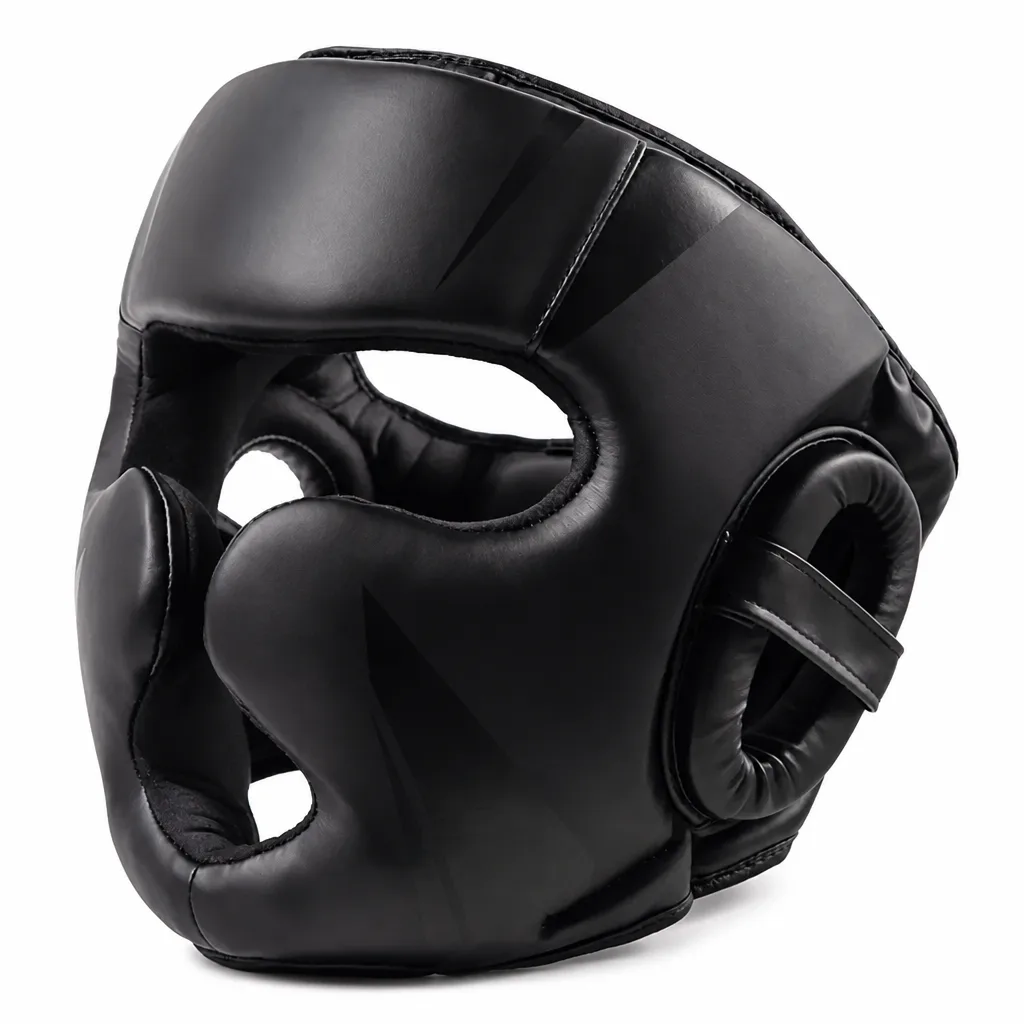
- Skipping Headgear in Sparring: Cauliflower ear is forever; lightweight Winning models protect without hindering vision.
Price traps abound—$30 gloves feel great until they split mid-spar. Balance value: Mid-range ($80-150) often outlasts budget kings.
Future Outlook: What's Next for MMA Gear
Innovation is accelerating. Expect more 3D-printed custom shin guards for perfect fits, reducing injury rates further. Smart fabrics with embedded sensors—like Venum's prototypes tracking impact force—are on the horizon, aiding coaches in real-time feedback. Sustainability rises too: Recycled ocean plastic in shorts from brands like Hayabusa, without sacrificing durability.
For discipline crossovers, hybrid gear will dominate—think BJJ gis with MMA venting for no-gi Wrestling. As MMA globalizes, expect more size-inclusive options for diverse body types. Stay ahead by following Apollo MMA's updates; we're stocking tomorrow's essentials today.
Summary: Gear Up Right, Fight Smart
Quality MMA gear isn't a luxury—it's your competitive edge, injury shield, and confidence booster. From my cage-hardened perspective, the best MMA gear for fighters blends protection, performance, and practicality, tailored to your discipline, level, and environment. Whether grinding MMA gear for training or prepping for the octagon, prioritize trusted materials, proper fit, and honest maintenance.
Don't settle for less. Explore Apollo MMA's premium collections—from gloves to compression gear—and equip yourself like a champion. Got questions? Drop a comment or check our gear guides. Train hard, stay safe, and let's build your legacy.
—Marcus Silva, Apollo MMA Gear Expert & Former Pro Fighter
---