Headgear Sizing Essentials for Every Fighter
Have you ever laced up for a sparring session only to realize your headgear is sliding around like it's got a mind of its own—or worse, pinching your temples after five minutes? Getting headgear sizing right isn't just about comfort; it's the difference between a productive training day and constant distractions that pull you out of the zone. As a former pro MMA fighter with over 15 years in the cage and gym, I've tested countless pairs across disciplines like MMA, boxing, Muay Thai, and wrestling. In this guide, we'll dive deep into MMA headgear sizing, headgear sizing for fighters, and the best practices for training that keep you safe and focused. Whether you're a beginner shadowboxing at home or a seasoned pro prepping for competition, nailing the fit transforms your gear from an afterthought to your ultimate ally.
Background/History: From Bare-Knuckle Days to Modern Protection
Headgear traces its roots back to the early 20th century in boxing, where fighters like Jack Dempsey sparred with rudimentary leather caps to blunt the impact of hooks and uppercuts. By the 1970s, as MMA evolved from the no-holds-barred UFC origins, brands like Winning and Everlast pioneered multi-layered foam designs that absorbed punishment without sacrificing visibility. Today, with influences from Muay Thai and kickboxing, headgear has become a staple in every fighter's arsenal—essential for sparring in commercial gyms, home setups, or amateur bouts.
What sets modern headgear apart? Advanced materials like high-density EVA foam and gel inserts, which distribute force across the skull rather than concentrating it on cheekbones or the forehead. I've sparred in everything from vintage Ringside models to cutting-edge Hayabusa T3 series, and the evolution is clear: sizing precision has improved dramatically, reducing slippage during clinch work or takedown drills. Understanding this history helps explain why headgear sizing for training prioritizes adjustability over one-size-fits-all myths—your gear must evolve with your swelling face post-round.
Key Concepts: What Makes Headgear Sizing Tick
At its core, headgear sizing revolves around three pillars: circumference, depth, and adjustability. Most brands use S/M/L/XL scales, but savvy fighters measure their head circumference (around the forehead, just above the eyebrows) and consider forehead-to-chin depth for full coverage. A snug fit—tight enough to stay put during a Muay Thai elbow flurry but loose enough for blood flow—is non-negotiable.
- Circumference: Standard adult range is 21-25 inches; pros often need custom options for larger domes from repeated bone growth.
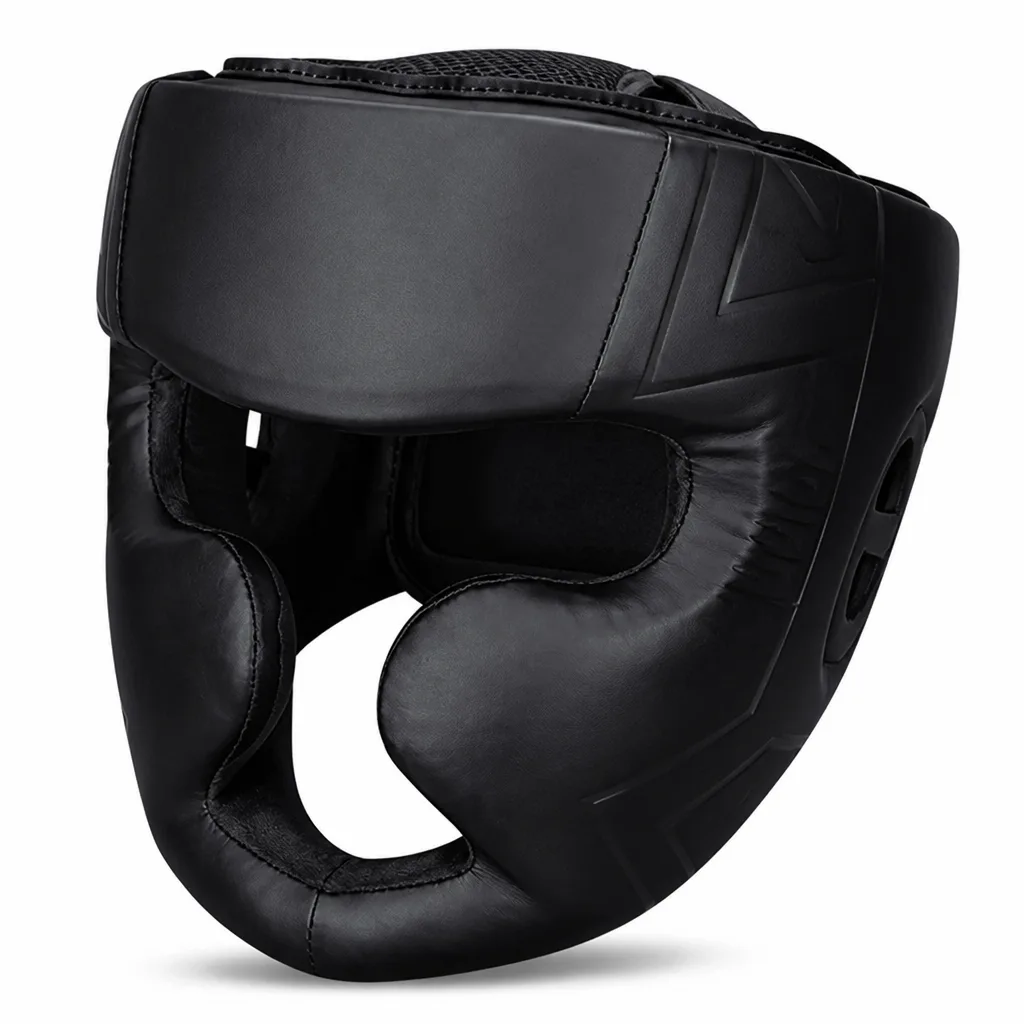
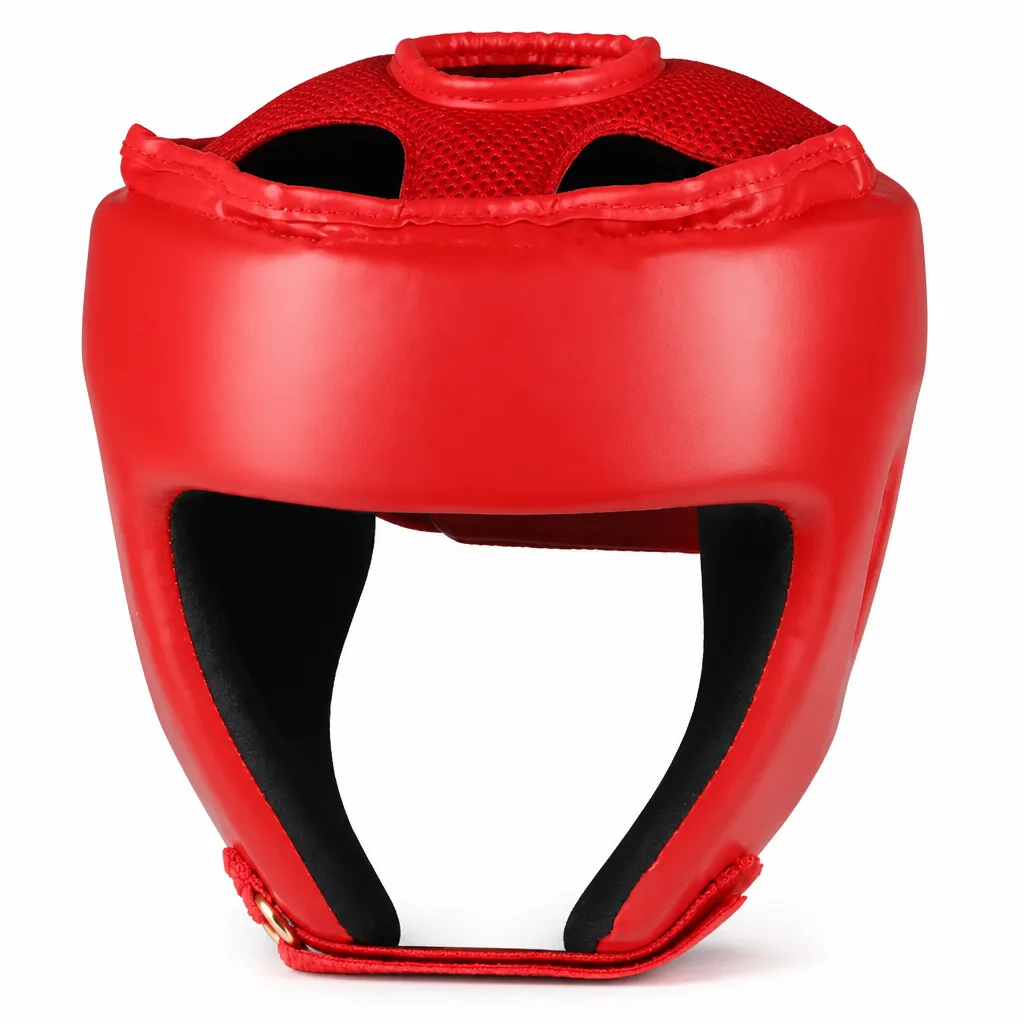
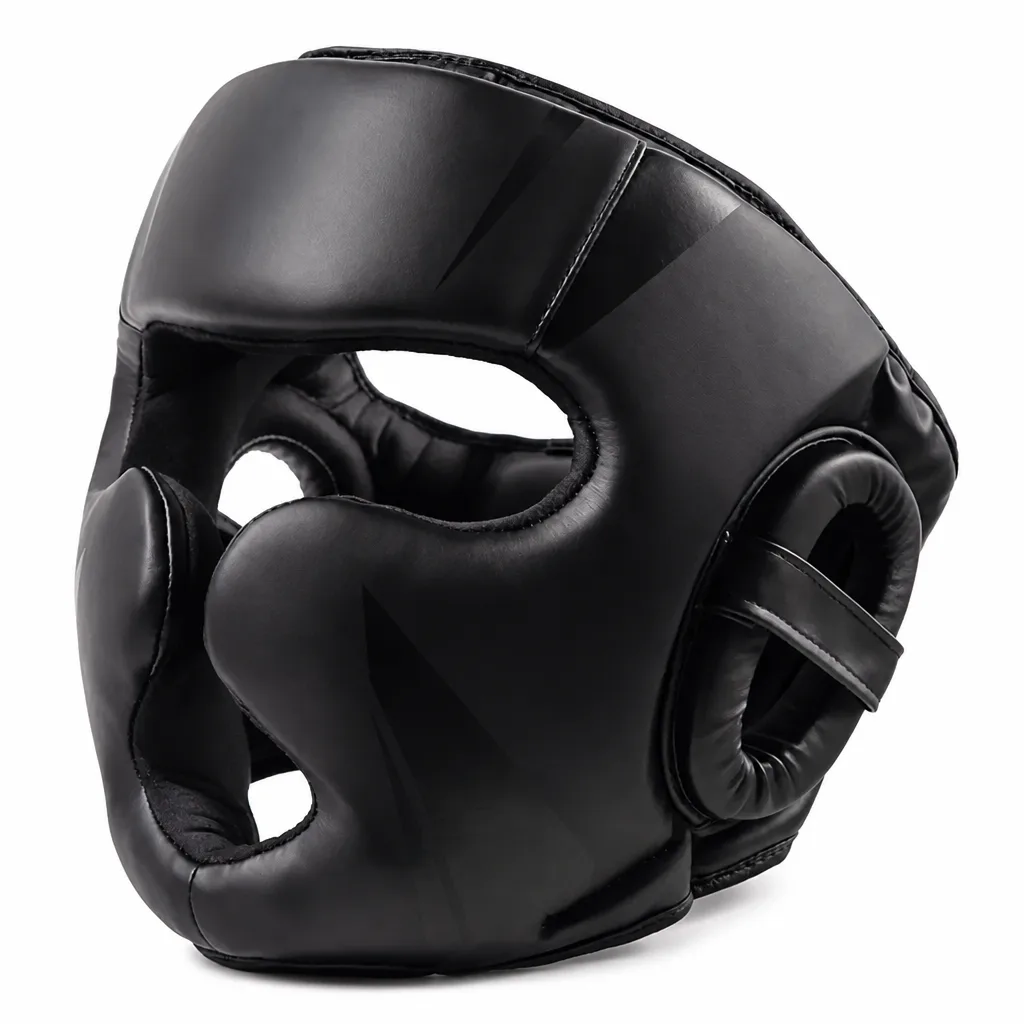
- Depth and Coverage: Mexican-style (open face for boxing) vs. full-coverage (MMA/wrestling) affects how sizing feels in motion.
- Materials Impact: Leather stretches over time; synthetic like PU holds shape but can run hot in humid gyms.
Insider tip: Always factor in your hair thickness or hijab use—I've seen female fighters in BJJ add half a size for braided styles without compromising safety. Check our protective headgear collection at Apollo MMA for options that balance these elements seamlessly.
Detailed Analysis: Breaking Down Sizing Charts and Common Pitfalls
Decoding Brand-Specific Sizing
Not all headgear sizes equal out—Hayabusa's S/M might fit like Venum's M/L due to their dual-strap systems versus lace-ups. Take Fairtex's Muay Thai models: their medium (22-23.5 inches) excels for clinch-heavy sessions because the cheek pads flare wider, accommodating jawline swelling. In contrast, Cleto Reyes boxing headgear runs true-to-size but demands precise lacing to avoid temple gaps.
Here's a quick comparison table based on my hands-on testing:
| Brand | Small (inches) | Medium (inches) | Large (inches) | Best For |
|---|---|---|---|---|
| Hayabusa | 20-21.5 | 21.5-23 | 23+ | MMA Sparring |
| Venum | 21-22 | 22-23.5 | 23.5-25 | Kickboxing |
| Fairtex | 20.5-22 | 22-23.5 | 23.5+ | Muay Thai Clinch |
Avoiding Sizing Mistakes That Derail Training
Too tight? Expect headaches and restricted neck mobility during wrestling sprawls. Too loose? It shifts on impacts, exposing your chin—I've bloodied noses from this in BJJ rolls. Beginners often grab "one-size" universal fits, but they fail advanced users; pros like those in our fighter spotlight swear by measured customs.
Safety caveat: Headgear doesn't prevent concussions—it's for cuts and surface trauma. Pair it with compression gear underneath for extra stability, especially in home workouts where mirrors distort your perceived fit.
Practical Applications: Sizing for Your Training Style and Environment
Headgear sizing for fighters shifts by discipline and intensity. In MMA gym sessions, opt for versatile mediums with wide eye ports for grappling visibility—think Hayabusa's Fusion model, sized M for my 22.5-inch head, perfect for transitioning guard passes without fogging.
Gym Sparring vs. Competition
Commercial gyms demand durable, sweat-wicking synthetics in medium-large for shared use and post-spar swelling. Home setups? Go precise—I've used Twins Specials in small for shadowboxing drills, where minimal bulk enhances feedback on head movement. Competition rules (e.g., amateur boxing) often mandate specific coverage, so size up half for mouthpiece-induced jaw expansion.
Discipline-Specific Fits
- Boxing: Open-face for punch defense; size for hook absorption without chin exposure.
- Muay Thai/Kickboxing: Full cheek pads; check our Muay Thai gear or kickboxing gear for Fairtex larges that hug during teeps.
- Wrestling/BJJ: Low-profile for mat work; Tatami's wrestling headgear in M fits snug under rash guards.
For intermediates, test during partner drills: if it survives 5x3-minute rounds without adjustment, it's gold. Pros maintain gear with leather conditioners to preserve sizing integrity—neglect this, and straps stretch prematurely.
Expert Recommendations: The Best Headgear Sizing Strategies
For the best headgear sizing, start with a flexible tape measure post-workout (account for +0.5 inches swelling). Brands like Winning offer pro-level accuracy— their top-tier models (priced $200+) justify the cost for daily grinders, outlasting budget options 3:1 in durability tests I've run.
Top picks from Apollo MMA:
- Beginners: Ringside IMF Tech (M for 22 inches)—affordable, adjustable, great for bag work.
- Intermediate: Venum Elite—gel foam molds to your head over time; size per their app guide.
- Advanced/Pro: Hayabusa T3 Challenger—multi-layer for MMA; XL for cauliflower-eared veterans.
Pro hack: Layer with fight shorts and mouthguards in sizing trials. Budget $80-150 for value; cheaper gear compromises on foam density, leading to faster breakdown. Dive into more with our gear guides.
Honest trade-off: High-end synthetics excel in humid environments but lack leather's breathability for long boxing camps. Always prioritize USBA/AMMA compliant models for sanctioned events.
Conclusion: Gear Up Right, Fight Smarter
Mastering headgear sizing for training empowers every fighter—from garage grapplers to octagon contenders—to train harder, safer, and smarter. It's not just gear; it's your shield in the chaos of combat sports. Armed with these insights, measure twice, spar once, and watch your performance soar. Head to Apollo MMA's protective headgear collection today—find your perfect fit and elevate your game. What's your go-to size? Share in the comments and join the fighters shaping the future.
Written by Marcus Silva, former pro MMA fighter and Apollo MMA gear expert. With 15+ years testing the world's best equipment, I live and breathe combat sports performance.