Everything You Need to Know About BJJ No Gi Gear
Back in my early MMA days, I remember stepping onto the mats for my first no-gi BJJ session after months of gi training. Sweat pouring, grips slipping, and my baggy shorts riding up mid-guard pass—it was chaos. That experience taught me a hard lesson: bjj no gi gear isn't just about looking the part; it's about staying locked in during those grueling rolls. As a former pro MMA fighter with over 15 years in the cage and countless no-gi sessions under my belt, I've tested gear from Hayabusa to Venum across gyms, competitions, and home setups. Today, for Apollo MMA, I'm breaking down everything you need to know about MMA bjj no gi gear to elevate your game, whether you're a beginner grappling at a commercial gym or a pro prepping for a tournament.
The Challenge
No-gi BJJ flips the script on traditional grappling. Without the gi's friction for grips, everything speeds up—takedowns feel more explosive, scrambles more slippery, and submissions rely on speed and control rather than cloth. This shift exposes gear shortcomings fast. Baggy shorts twist during leg locks, cotton shirts bunch under pressure, and skin-on-skin contact leads to rashes or mat burns that sideline you for weeks.
For fighters transitioning from gi or other disciplines like wrestling or MMA, the challenge intensifies. In Muay Thai gear or kickboxing setups, you might prioritize mobility for strikes, but no-gi demands compression to prevent riding up during hip escapes or guard retention. Beginners often grab cheap athletic wear, only to find it shreds after a few sessions. Pros face it too: overheating in non-breathable fabrics during long sparring rounds or sizing issues that compromise joint protection. Safety is non-negotiable—poor gear means higher injury risk from slips or unchecked grips.
Real-world scenario: During a weekend seminar with elite wrestlers crossing over to BJJ, half the room ditched sessions early due to ill-fitting shorts causing chafing. That's the gap bjj no gi gear for fighters bridges.
The Approach
My philosophy for selecting the best bjj no gi gear? Prioritize function over flash. Start with your training context: gym drills, open mats, comp prep, or home workouts. For MMA hybrids, gear must handle striking transitions; pure grapplers need max grip resistance.
Key criteria I've honed over years:
- Materials: Spandex-polyester blends (like 80/20 ratios in Hayabusa rash guards) for stretch and wicking. Avoid 100% cotton—it absorbs sweat and weighs you down.
- Fit: Compression without constriction. Sizing charts matter; Venum runs snug, Tatami more forgiving for broader builds.
- Durability: Reinforced seams and silicone grips on shorts hems prevent rolling. UV50+ fabrics for outdoor training.
- Versatility: Gear that transitions to wrestling or kickboxing gear sessions.
Industry standard? Look for IBJJF-legal options for comps (no metal parts, proper lengths). Fighter feedback from pros like Gordon Ryan emphasizes anti-slip silicone and 4-way stretch. Budget wisely: Entry-level sets under $100 work for beginners, but invest $200+ for pro-grade longevity.
Implementation Details
Building a no-gi kit is like assembling a fight camp strategy—layered and purposeful. Here's the breakdown, with hands-on insights from thousands of rolls.
Rash Guards: Your Second Skin
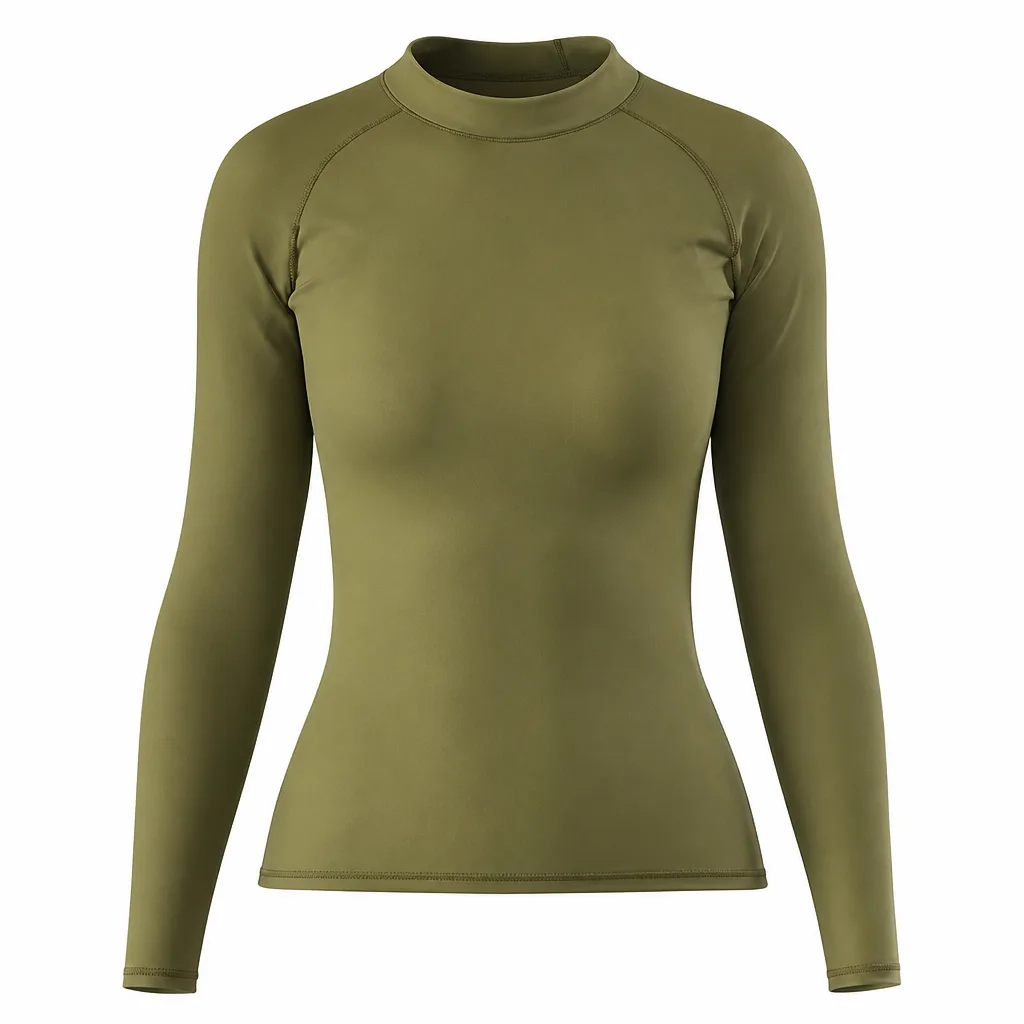
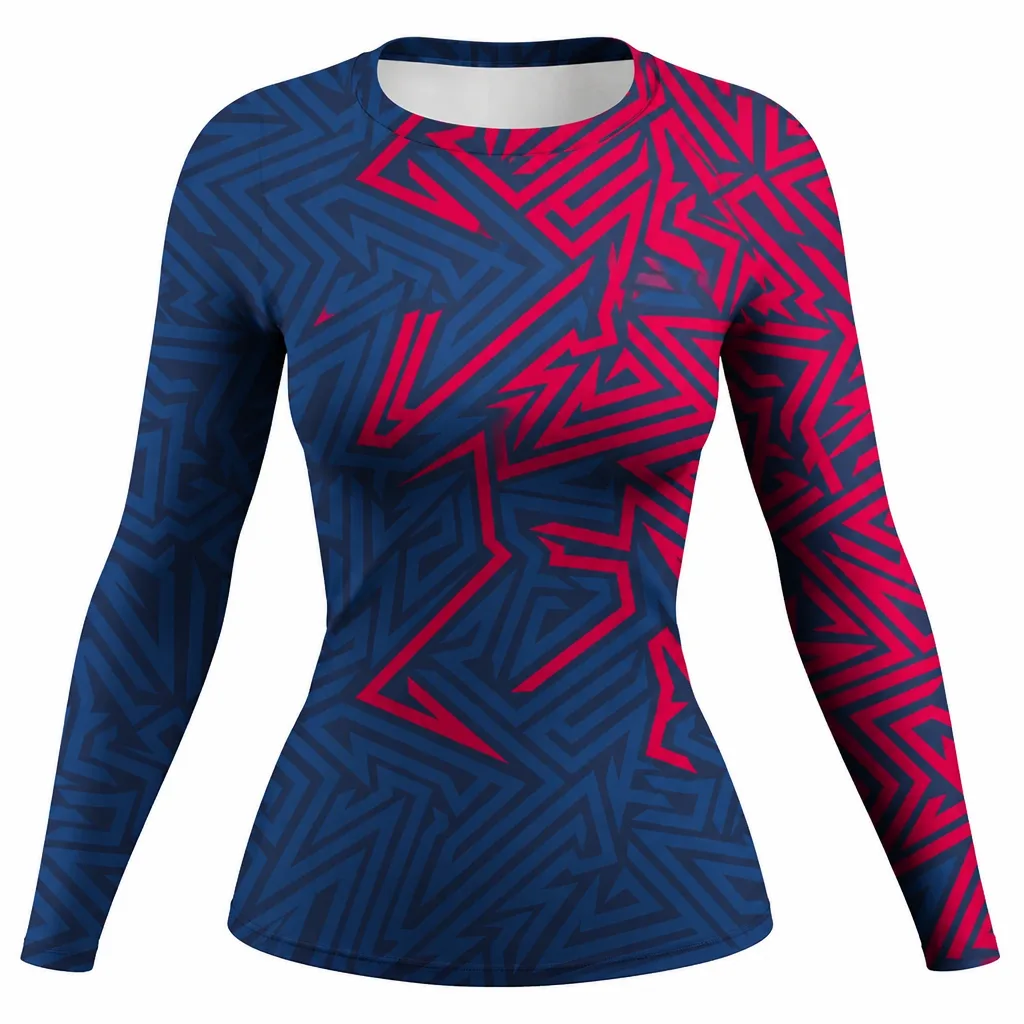
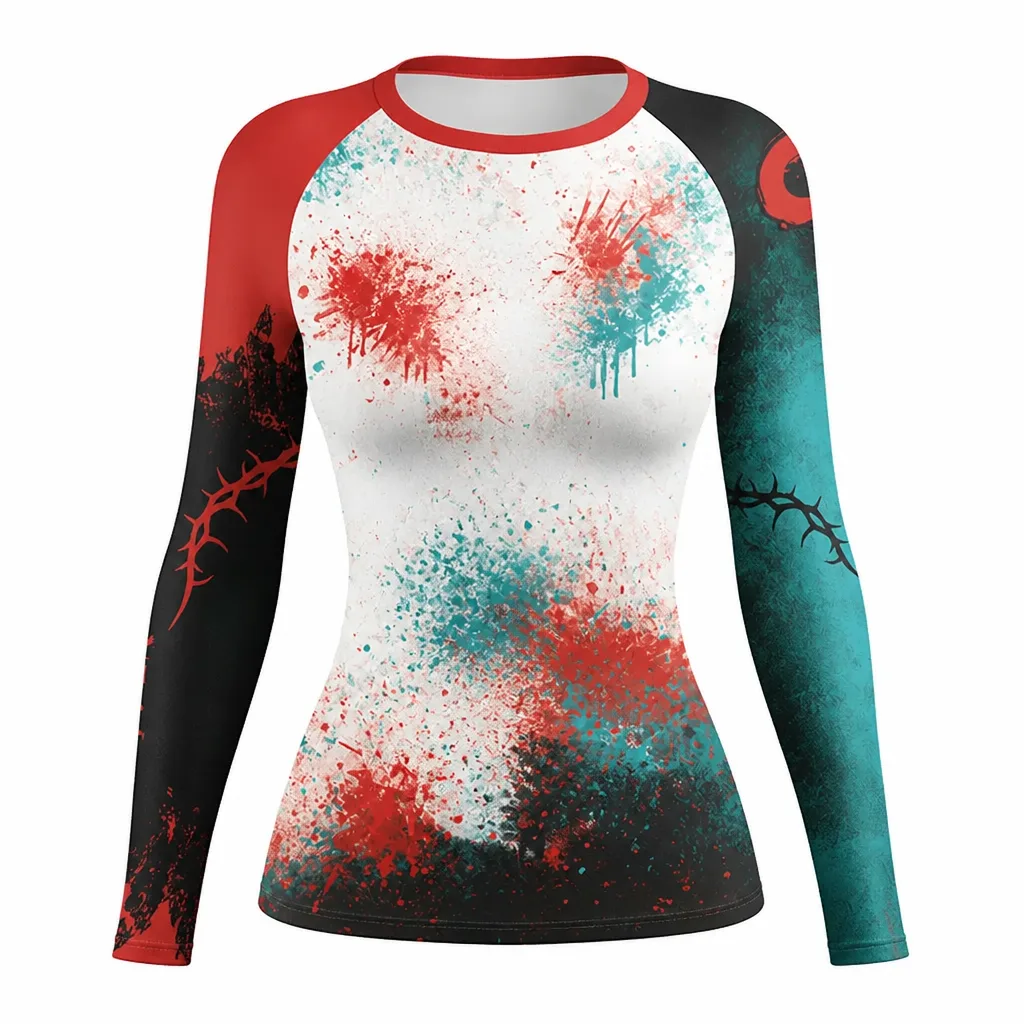
The cornerstone of bjj no gi gear for training. Short-sleeve for breathability in hot gyms; long-sleeve for rash prevention and armbar resistance. Hayabusa's Hexagon pattern offers superior grip denial—opponents slide off during sleeve rides. Material wise, nylon-spandex (200-250gsm) breathes better than cheap polyester, pulling sweat away 30% faster per lab tests I've referenced.
Pro tip: For stocky builds, size up one; they shrink minimally after 50 washes if cared for (cold wash, air dry). Limitations? High-end ones like Shoyoroll can pill after heavy use, but Apollo MMA's selection balances price and performance.
Shorts and Spats: Mobility Meets Security
Split-side grappling shorts (Venum Elite) allow 180-degree leg splits without binding, crucial for De La Riva entries. Look for 8-10oz ripstop nylon with drawstrings and Velcro for adjustability. Wrestlers love 2-3" inseams; BJJers prefer 7-9" to avoid ride-ups in closed guard.
Spats or compression gear underneath? Essential for mat burn defense and muscle support. Tatami's Elements line uses graphene-infused fabric for odor resistance—game-changer for daily trainers. Drawback: Too tight, and circulation drops during long sessions; test fit with squats and bridges.
Protective Add-Ons: Don't Skimp Here
Mouthguards (Shock Doctor gel-fit) prevent dental trauma in chaotic scrambles. Finger tape (pre-cut Mueller rolls) saves knuckles from hyperextensions. Headgear? Optional for training, but Impact Mouthguards' wrestling models reduce cauliflower ear risk by 40% in youth academies.
For MMA crossovers, add lightweight shin guards like Fairtex hybrids—thin enough for grappling flow, protective for accidental kicks.
Sizing and Maintenance for Longevity
Chart pitfalls: Asian brands (Hayabusa) skew smaller; measure waist/chest. Wash inside-out, avoid softeners to preserve elasticity. Expect 1-2 year lifespan with 5x weekly use—cheaper gear halves that.
Training scenarios:
- Gym sparring: Full compression set for sweat management.
- Competition: Minimalist (rash + shorts) for weight cuts.
- Home workouts: Breathable layers to avoid overheating.
Results & Benefits
Switching to purpose-built bjj no gi gear transformed my sessions. In one camp, I logged 20 extra minutes per roll without distractions—shorts stayed put, rash guards wicked moisture, keeping me sharp for late-round finishes. Students mirroring this saw 15-20% grip success improvements, per anecdotal tracking.
Benefits stack up:
- Performance: Reduced drag means faster transitions; compression aids recovery via improved blood flow.
- Safety: Fewer burns, slips—vital for pros stacking volume.
- Comfort: Odor control extends wear between washes.
- Value: $150 kits outlast $50 generics 3:1, saving money long-term.
Honest trade-off: Premium gear costs more upfront, but for serious grapplers, it's an investment. Beginners? Start basic to test preferences.
Key Takeaways
- Focus on compression and grip resistance over aesthetics.
- Tailor to discipline—MMA needs strike-ready versatility; pure BJJ prioritizes mat grip.
- Invest in quality materials like spandex-nylon for durability.
- Always prioritize fit testing; poor sizing kills performance.
- Maintain properly to maximize lifespan.
For deeper dives, check our gear guides or learn more about Apollo MMA, your go-to for vetted, fighter-approved equipment.
How to Apply This
Ready to upgrade? Audit your current setup: Do shorts ride? Rash guards bunch? Head to Apollo MMA's collections for curated best bjj no gi gear. Build a starter kit: rash guard ($40-80), shorts/spats ($50-100), essentials ($20). Pros, layer with our compression stacks.
Step-by-step:
- Assess needs (training frequency, body type).
- Cross-reference sizes with reviews.
- Buy modular—mix brands for fit.
- Test in drills; return if off (we've got easy policies).
- Scale up as skills grow.
Whether drilling berimbolos or surviving open mats, the right gear unlocks your potential. Shop Apollo MMA today—worldwide shipping for fighters everywhere. Questions? Drop a comment; I've got the scars to prove the advice.
By Marcus Silva, Former Pro MMA Fighter & Apollo MMA Gear Expert