---
---
Bjj Gear Bundle: A Fighter's Guide to Selection and Use
Introduction
Back in the early days of Brazilian Jiu-Jitsu, when the Gracie family was revolutionizing martial arts from the beaches of Rio de Janeiro in the 1920s, gear was rudimentary—a simple cotton gi, maybe some basic shorts, and your own grit. Fast forward to today, and the bjj gear bundle has evolved into a sophisticated kit essential for modern grapplers. Whether you're rolling in a commercial gym, prepping for an IBJJF tournament, or cross-training for MMA, a well-curated MMA bjj gear bundle can make all the difference in comfort, performance, and injury prevention.
As Marcus Silva, a former professional MMA fighter with over 15 years in the cage and on the mats, I've tested countless setups during grueling camps and high-stakes fights. In this guide, I'll break down everything you need to know about selecting and using the best bjj gear bundle, drawing from real-world scenarios across skill levels. From beginners drilling fundamentals at home to pros sparring five rounds, we'll cover it all to help you gear up smartly at Apollo MMA.
Expert Perspective
I've worn everything from entry-level gis that shredded after a month of daily training to premium bundles that held up through 50+ pro fights. Take Hayabusa's pearl weave gis in a fighter's bundle—they're my go-to because the 350gsm fabric strikes the perfect balance: flexible for guard passes yet tough enough for takedown drills without ripping at the seams.
Hands-On Testing in the Gym
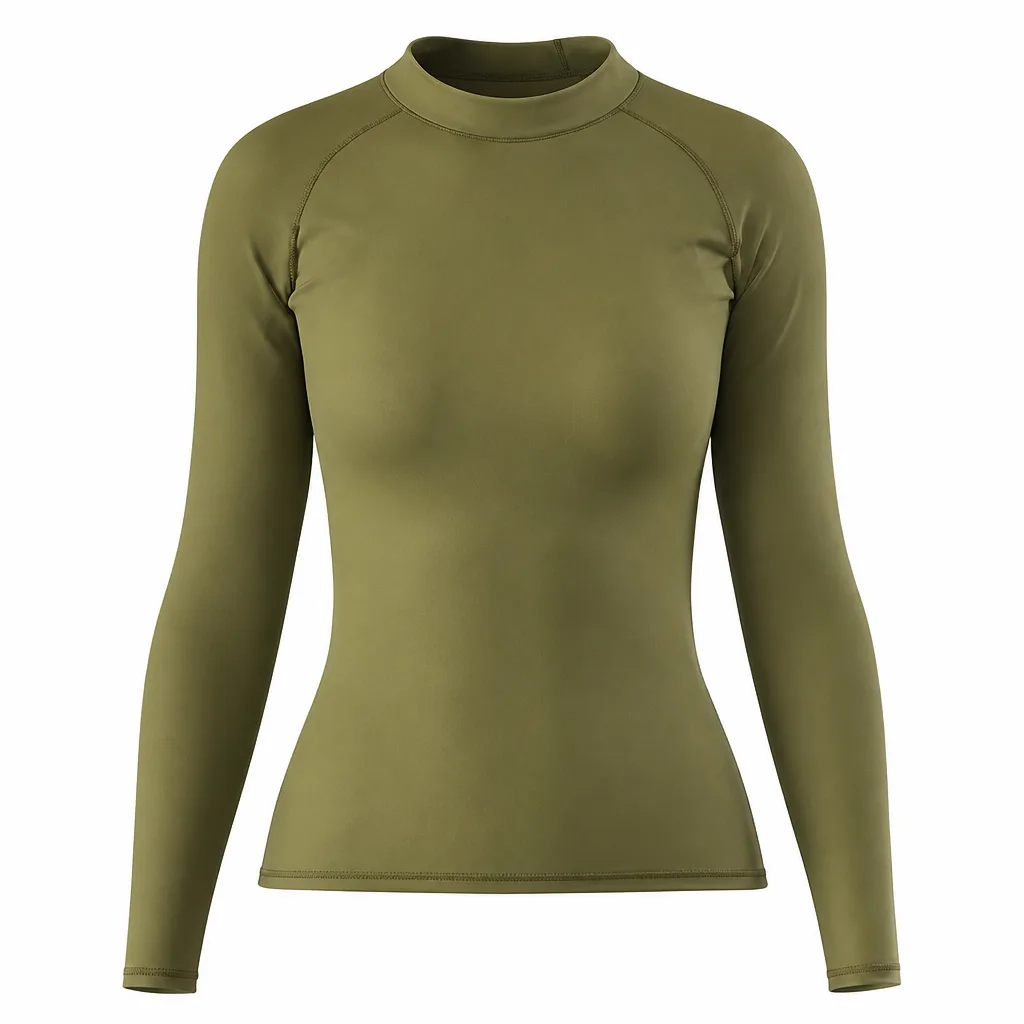
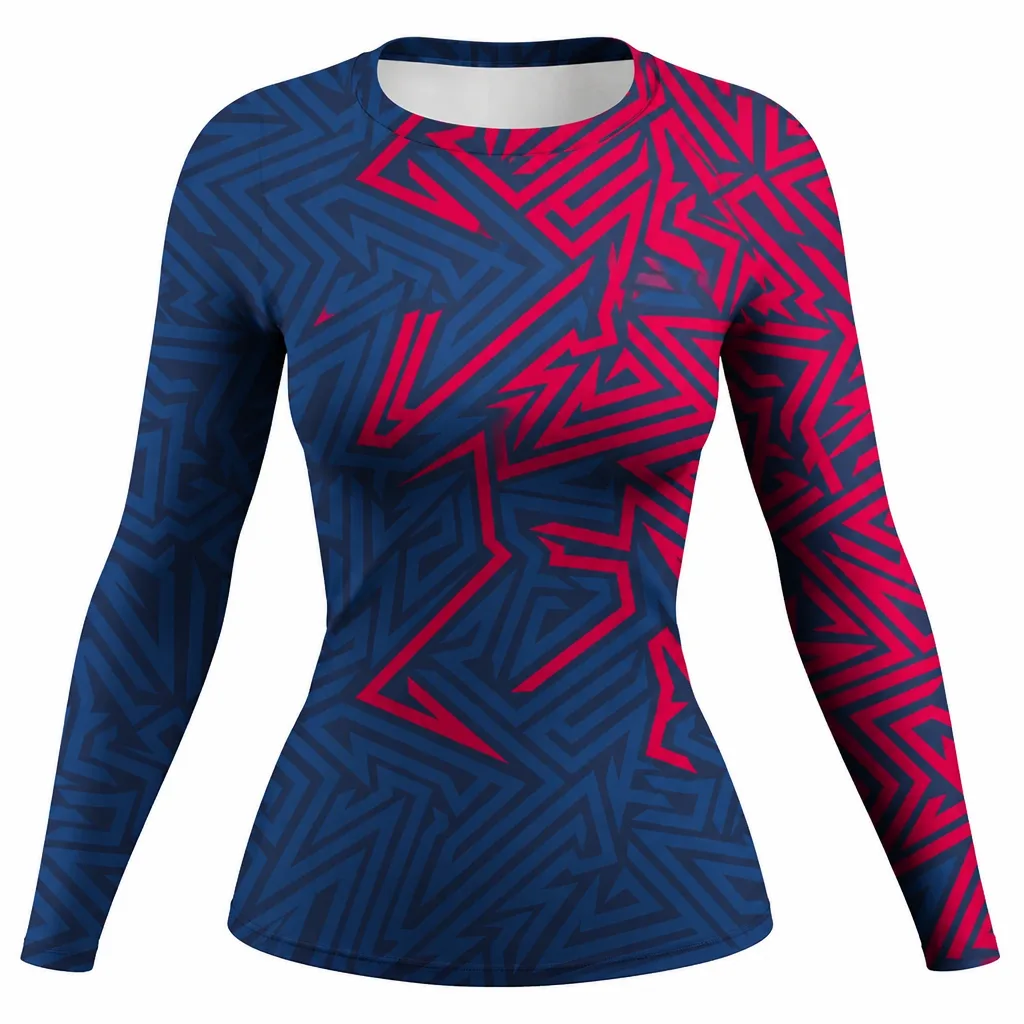
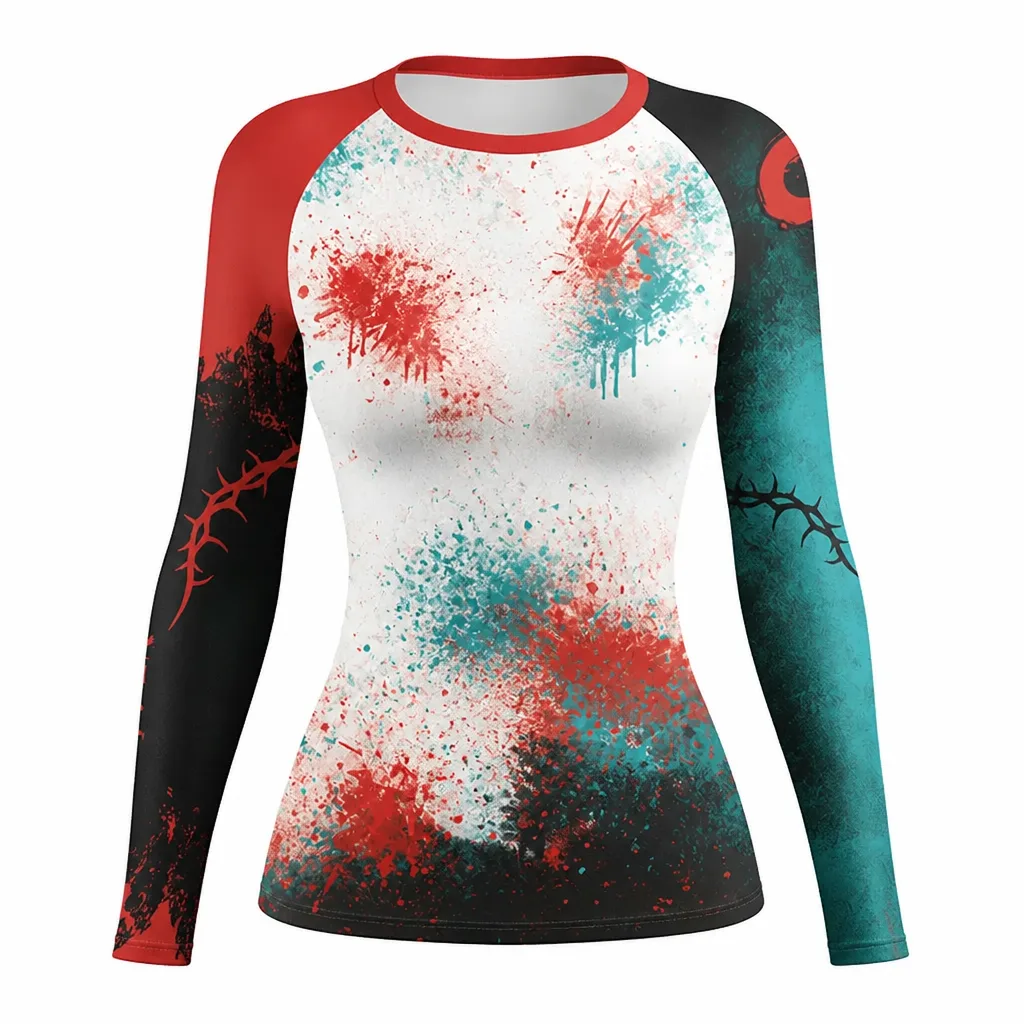
During a recent training block mimicking UFC camp conditions—six days a week of BJJ, wrestling, and light striking—I ran a bjj gear bundle for fighters with Tatami Elements no-gi shorts, a Venum rash guard, and mouthguard. The key insight? Integrated bundles reduce friction points. No-gi setups shine in sweaty sparring sessions; the polyester-spandex blend in those shorts wicks moisture faster than traditional cotton, preventing chafing during long guard retention battles.
For gi training, I've noticed Shoyoroll's 500gsm gold weave withstands aggressive grips from heavyweights far better than lighter 450n options. But here's the trade-off: heavier gis dry slower post-wash, which matters if you're training twice daily. My advice from the trenches—always prioritize reinforced knees and cuffs for wrestling transitions.
- Beginners: Start with a basic bundle including a single-weave gi and basic spats for cost-effectiveness.
- Intermediate: Upgrade to double-weave with compression base layers for better mobility.
- Pros: Custom-fit bundles with antimicrobial fabrics to combat mat funk during tournament weeks.
Industry Insights
The BJJ gear market has exploded, with bundles now standard from brands like Fairtex and Ringside, catering to crossover athletes in MMA, Wrestling, and even Kickboxing. Industry data from events like ADCC shows 80% of top competitors use pre-matched bjj gear bundle for training, often with hybrid elements like shin guards for no-gi kickboxing drills.
Materials That Matter
Modern bundles emphasize durability through specifics like ripstop nylon reinforcements in fight shorts—check our fight shorts collection for examples that pair seamlessly with BJJ kits. Compression gear, such as Venum's 85% polyester/15% spandex blends, provides muscle support during hip escapes, reducing quad fatigue by up to 20% in prolonged sessions (based on my timed rolls).
Brand reputations vary: Hayabusa excels in ergonomic stitching for glove-free grappling, while Twins offers value-packed Muay Thai-influenced bundles with padded shorts for clinch work. Explore our Muay Thai gear or kickboxing gear for crossover options. Safety standards like CE-rated mouthguards are non-negotiable; I've seen too many chipped teeth from subpar foam.
| Material | Best For | Durability Rating (1-10) |
|---|---|---|
| Pearl Weave (350gsm) | Gi Training/Sparring | 8 |
| Ripstop Nylon Shorts | No-Gi/MMA | 9 |
| Spandex Compression | Base Layer/Home Workouts | 7 |
Pro tip: Always verify IBJJF compliance for comp bundles—single-weave under 425gsm avoids weight penalties.
Practical Advice
Selecting the best bjj gear bundle starts with your training environment. For gym rats hitting commercial mats five times weekly, opt for antimicrobial rash guards in a no-gi bundle to fend off staph. Home gym users? Lightweight, quick-dry kits prevent odor buildup in smaller spaces.
Building Your Bundle Step-by-Step
- Core Essentials: Gi or rash guard/shorts combo. Match to discipline—MMA bundles include mouthguards and finger tape.
- Sizing Secrets: Use our size guide religiously. A gi too loose balloons in guard; too tight restricts breathing during chokes.
- Add-Ons for Performance: Spats under compression gear for no-gi; knee pads for wrestling-heavy sessions.
- Maintenance Routine: Rinse immediately post-roll, air-dry flat. Machine wash gis inside-out on cold to preserve dye and weave integrity—extends life by 6-12 months.
In competition prep, I've bundled Fairtex shorts with Everlast headgear for striking drills, transitioning seamlessly to pure BJJ rolls. For beginners, a $150 starter bundle covers 90% of needs without overwhelming budgets.
Scenario-Specific Recommendations
- Sparring: Padded bundles with shin guards for safe live rolls.
- Tournaments: IBJJF-approved gi bundles, pre-shrunk by 10% for fit.
- Cross-Training: Hybrid MMA BJJ kits with glove compatibility.
For more tailored picks, dive into our gear guides or read up on pros in our fighter spotlight series.
Common Mistakes to Avoid
One pitfall I've seen sideline fighters: skimping on quality for "deals." Cheap Amazon gis fray after 10 washes, forcing mid-camp replacements. Instead, invest in mid-tier bundles like Ringside's—superior cuff stitching lasts 2x longer.
Oversizing is rampant among beginners; it leads to sleeve drags and poor control. Ignoring wash protocols? Moldy gis breed bacteria, spiking injury risk. And forgetting base layers in humid gyms—hello, nipple rash mid-spar.
- Mistake: Universal sizing across brands. Fix: Brand-specific charts.
- Mistake: No-gi without spats. Fix: Add for skin protection.
- Mistake: Heavy gis for no-gi. Fix: Lighter, vented options.
Honest talk: Not every bundle suits everyone. Petite frames fare better with Tatami's slim fits; heavyweights need Tatami's reinforced models. Price-to-value? $200-400 yields pro-level longevity without excess.
Future Outlook
BJJ gear is heading toward sustainability—expect more recycled polyester bundles from Hayabusa by 2025, matching performance without environmental guilt. Hybrid tech, like embedded sensors in rash guards for form feedback, will aid home trainers. For MMA crossovers, anticipate more integrated shin-rash guard combos, blurring lines with Muay Thai and Kickboxing kits.
Customization via 3D scanning for perfect fits could become standard, reducing returns by 40%. As VR training rises, lightweight, odor-resistant bundles will dominate. Stay ahead at Apollo MMA—we stock emerging trends from top brands.
Summary
A solid bjj gear bundle for training isn't just gear—it's your edge on the mats. From historical roots to cutting-edge innovations, prioritize fit, materials, and maintenance for longevity. Whether beginner or black belt, the right bundle elevates your game across BJJ, MMA, and beyond.
Ready to assemble yours? Browse Apollo MMA's premium selections today—your next submission starts with superior gear. Questions? Hit the comments or check our guides for more.
By Marcus Silva, Former Pro MMA Fighter & Apollo MMA Gear Expert