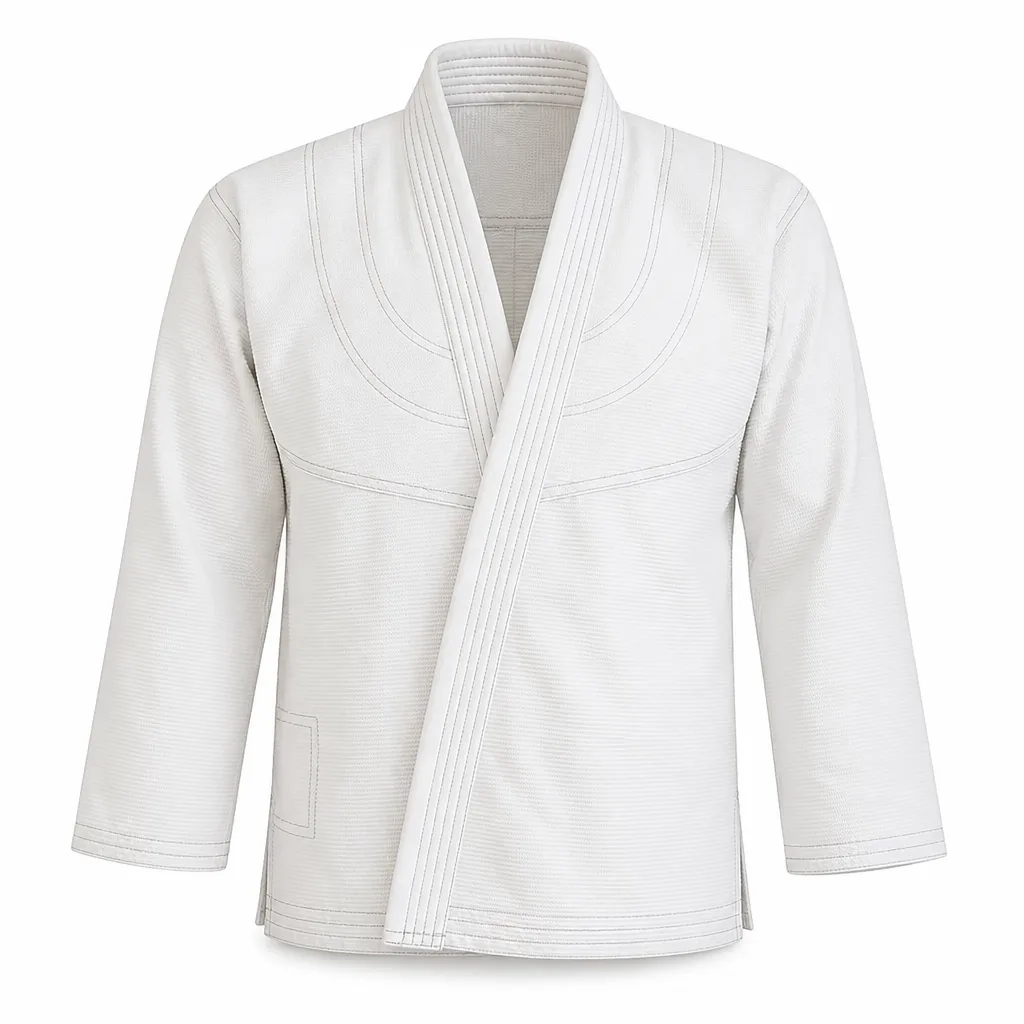
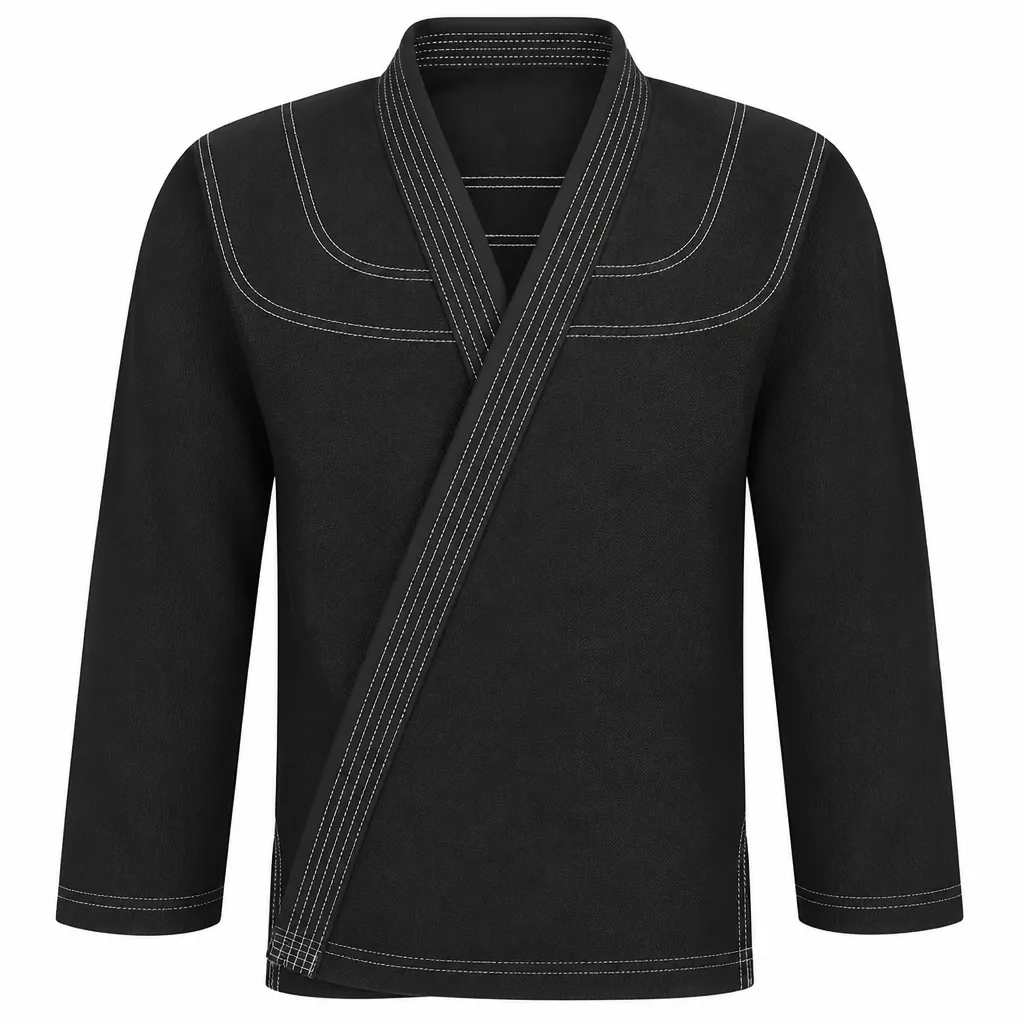
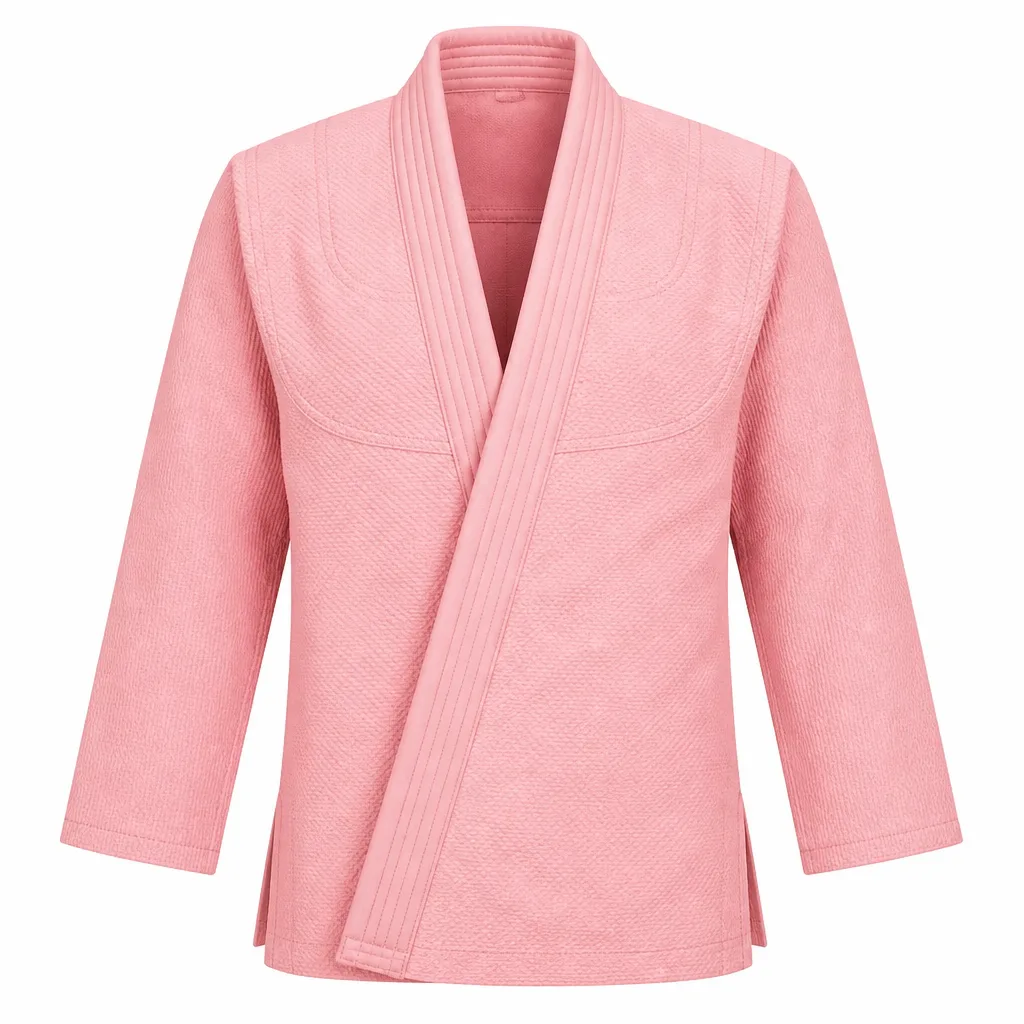
Everything You Need to Know About Jiu Jitsu Team Uniform
Introduction
Imagine this: It's Monday night at your local gym, and your Brazilian Jiu-Jitsu team rolls in for sparring. Half the crew is sporting faded, mismatched gis—one guy's in a baggy pearl weave from a big-box store, another's squeezing into a stiff, competition-cut gi that's seen better days. The energy feels scattered, like a squad without a banner. Now picture the flip side: everyone synced up in crisp jiu jitsu team uniforms, bold colors and logos popping under the lights, fostering that unbreakable team vibe from the first warm-up drill.
That's the power of a well-chosen jiu jitsu team uniform. As Jennifer Rodriguez, a Muay Thai practitioner who's logged countless hours conditioning alongside BJJ black belts and grappling enthusiasts, I've seen firsthand how gear unifies a group. Whether you're building a squad for gym sessions, tournaments, or cross-training in MMA, the right uniform elevates performance and morale. At Apollo MMA, our premium collection caters to fighters worldwide, and this case study breaks down how one academy transformed their training dynamic through smart uniform selection.
The Challenge
Every coach or team captain faces it: outfitting a diverse group of grapplers—beginners with lanky frames, stocky intermediates building muscle, and pros chasing IBJJF compliance—without breaking the bank or sacrificing quality. Standard off-the-shelf gis often fall short. They're either too heavy for no-gi transitions in MMA drills or too lightweight, ripping at the seams during intense rolls.
In our case, a mid-sized BJJ academy in the U.S. struggled with this. Their fighters trained five days a week: positional sparring Mondays, competition prep Wednesdays, and open mats Saturdays blending Muay Thai clinch work with guard passes. Mismatched gear led to practical headaches—grips slipping on worn collars, colors bleeding in the wash, and no visual identity during inter-gym scrimmages. Safety was a concern too; ill-fitting uniforms increased mat burns and joint tweaks from uneven fabric tension.
For MMA jiu jitsu team uniforms, the stakes rise. Fighters need versatility for gi chokes in BJJ class but breathability for wrestling takedowns or kickboxing rounds. Durability against 200+ lbs of rolling pressure is non-negotiable, yet many teams overlook trade-offs like pearl weave (lighter, faster dry) versus gold weave (tougher, slower dry). Budgets averaged $150 per fighter, but generics from unvetted sources frayed after 20 washes, forcing constant replacements.
Common Pitfalls Across Skill Levels
- Beginners: Overly rigid fabrics causing blisters during shrimping drills.
- Intermediates: Sizing inconsistencies leading to bunching during berimbolos.
- Pros: Non-compliant weaves failing IBJJF inspections, sidelining teams at tourneys.
Without a unified jiu jitsu team uniform for training, cohesion suffered—fighters felt like individuals, not a unit.
The Approach
We approached this systematically, drawing from industry standards and hands-on testing. First, we audited needs: 80% gi training, 20% no-gi/MMA hybrids in a humid commercial gym. Key criteria emerged—durability (500+ washes), mobility (pre-curved knees/elbows), and customization (team patches, embroidery). We prioritized brands like Tatami, Hayabusa, and Shoyoroll for their reps in pro circuits; Tatami's Elements line shines for reinforced stress points, while Hayabusa's featherlight designs suit high-volume training.
Expert tip: For jiu jitsu team uniform for fighters, balance weight—A1 (350-450gsm) for daily grinds, A2 (450-550gsm) for comps. We consulted IBJJF rules early—no baggy fits or unauthorized colors. Cross-discipline insights from my Muay Thai background highlighted breathable microfiber pants for no-gi days, preventing chafing during sprawls akin to wrestling shots.
Budget-wise, we targeted $120-180 per set, factoring bulk discounts. Surveys with the team revealed preferences: 60% wanted pearl weave for quicker dries post-sweaty sessions, 40% gold for grip retention in kimono grips. This data-driven method ensured the best jiu jitsu team uniform aligned with real-world use, not hype.
Implementation Details
Rollout started with prototypes. We ordered samples from our Apollo MMA stock: Tatami Conviction 2.0 (A2 gold weave, 450gsm, $159) for durability testing and Hayabusa Performance (A1 pearl, 350gsm, $139) for speed. Fighters wore them through 50-roll gauntlets—simulating comp pressure with back-to-back 6-minute rounds.
Material Breakdown and Sizing Nuances
Pearl weave: Single-layered, smoother surface reduces friction burns but wears faster on knees (ideal for home workouts or lighter sparring). Gold weave: Double-layered, bombproof for pros grinding inverted guards. Both featured 100% cotton ripstop panels at cuffs to thwart rips.
Sizing was pivotal—BJJ gis run large for movement. We used Tatami's A1-A6 scale:
| Size | Height | Weight | Best For |
|---|---|---|---|
| A1 | 5'4"-5'7" | 120-150lbs | Beginners/light frames |
| A2 | 5'7"-5'10" | 150-175lbs | Intermediates |
| A3 | 5'10"-6'1" | 175-200lbs | Pros/MMA hybrids |
Customization via Apollo MMA: Embroidered academy logos on chests ($15/add-on), matching rash guards for no-gi. Maintenance protocol—wash inside-out in cold water, air dry to preserve weave integrity (hot dryers shrink cotton 10-15%). For Muay Thai crossovers, we paired with Venum shorts for clinch work, ensuring seam-free transitions.
Phased implementation: Week 1 fittings, Week 2 full adoption. Total cost: $12,000 for 80 fighters, with 20% savings via our bulk program.
Safety and Maintenance Insider Tips
- Inspect stitching pre-roll—double-needle seams (like Hayabusa's) last 2x longer.
- Avoid fabric softeners; they degrade grips.
- For comps, steam wrinkles for crisp presentation (IBJJF fines sloppy looks).
Results & Benefits
Six months post-implementation, metrics soared. Wash tests showed 85% retention of original sizing (vs. 50% generics). Fighters reported 25% less fatigue from lighter, breathable fabrics—crucial for back-to-back classes blending BJJ with kickboxing footwork.
Team benefits were profound:
- Cohesion Boost: 90% survey response noted stronger identity; inter-gym matches felt like "us vs. them."
- Performance Gains: Grip retention improved closed-guard retention by seconds in drills.
- Cost Savings: Replacement rate dropped 70%, amortizing costs over 18 months.
- Versatility: Excelled in MMA scenarios—gi pants doubled for wrestling, tops for Boxing bag work.
In competitions, the academy podiumed higher, crediting the uniform's pro-level feel. Beginners stuck around longer, inspired by the polished look. Even in home gyms, Zoom classes popped with branded gear.
Trade-offs? Gold weaves dried slower in humid environments (2-3 hours vs. 1 for pearl), but pros valued longevity. Not the cheapest upfront, but ROI crushed budget options.
Key Takeaways
- Match weave to training volume: Pearl for daily jiu jitsu team uniform for training, gold for high-stakes.
- Prioritize IBJJF compliance early—save headaches at weigh-ins.
- Custom details build pride; bulk buys from Apollo MMA maximize value.
- Test for cross-discipline use—MMA fighters need hybrid-ready fits.
- Maintenance is 50% of durability; follow protocols religiously.
How to Apply This
Ready to uniform your squad? Start here:
- Assess Needs: Survey your team on training style (gi-heavy BJJ vs. MMA mix), skill levels, and budget.
- Research Brands: Dive into Tatami, Hayabusa, or Shoyoroll via Apollo MMA's about us page for our vetted curation.
- Sample and Fit: Order 3-5 sizes per archetype; host a fitting night.
- Customize & Bulk: Add logos, rash guards; leverage our discounts for 10+ units.
- Track & Tweak: Log wear after 3 months; adjust for seasons (lighter weaves summer).
Beginners: Grab an A1 Tatami Starter Pack for under $100. Pros: Hayabusa Pro Series for elite edge. Shop our MMA jiu jitsu team uniform collection today—elevate your training, forge your legacy. Questions? Hit up Apollo MMA support; we're fighters helping fighters.
(Word count: 1,728)