MMA & BJJ Gear Bags
Duffles and backpacks that carry a full kit — including the wet half.
What a combat sports bag needs that a gym bag does not
A training kit is bulkier and wetter than most gym bags are designed for. A gi alone fills a small rucksack, and once it is soaked it needs to come home without soaking everything else. Add gloves, shin guards, wraps and footwear and the capacity question answers itself: for gi training you want something in the 40 to 60 litre range, and for no-gi or striking you can usually work with less.
Ventilation is the feature that separates a purpose-built bag from a generic holdall. Mesh panels or vented end caps let damp kit breathe instead of fermenting, which is the single biggest factor in whether your gear smells. A sealed bag with a wet gi in it is an incubator; the same bag with airflow is merely damp. Whatever you buy, unpack it the same day — no bag solves the problem of gear left in it overnight.
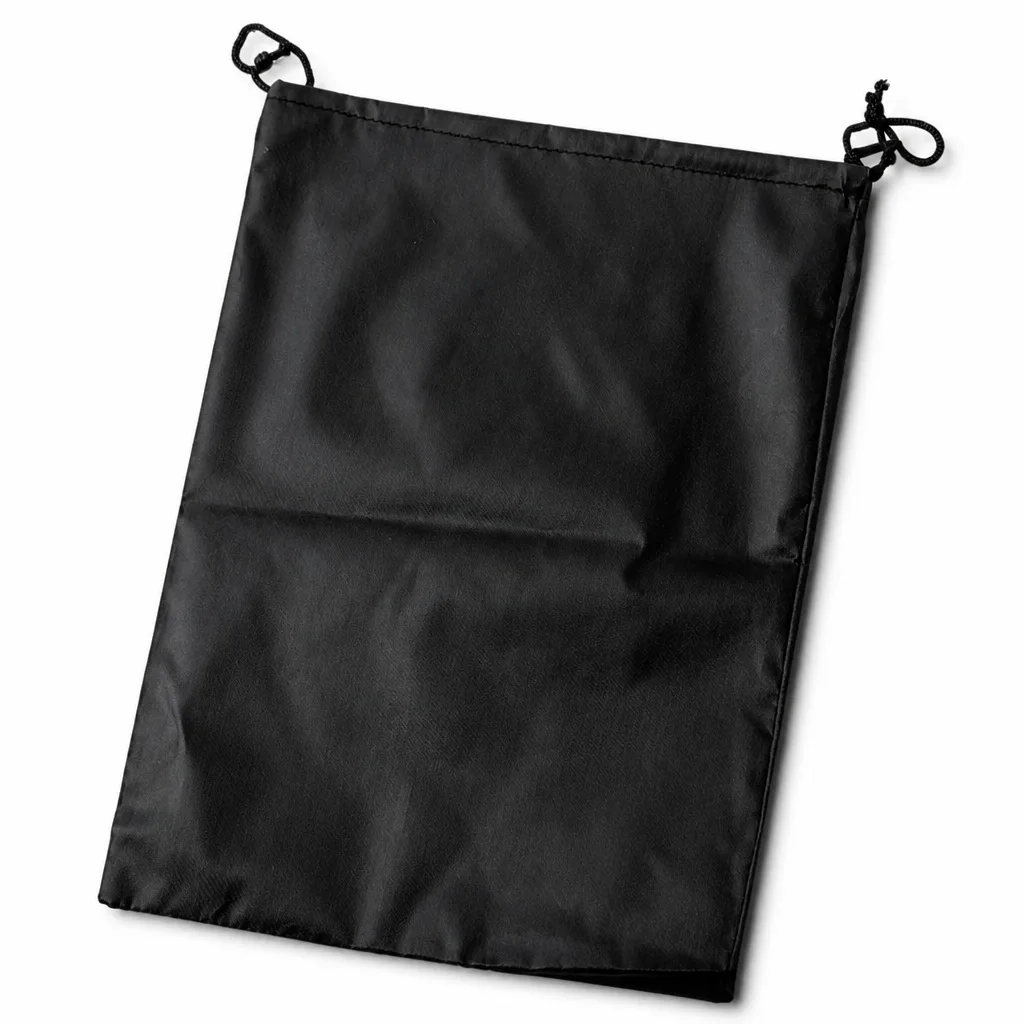
A separate compartment for footwear and gloves is worth more than it sounds. Mat shoes and wrestling shoes carry whatever was on the floor of the changing room, and gloves that have been on the mat should not share space with a clean rash guard. A zipped, ideally vented, end pocket keeps the two apart without needing a second bag.
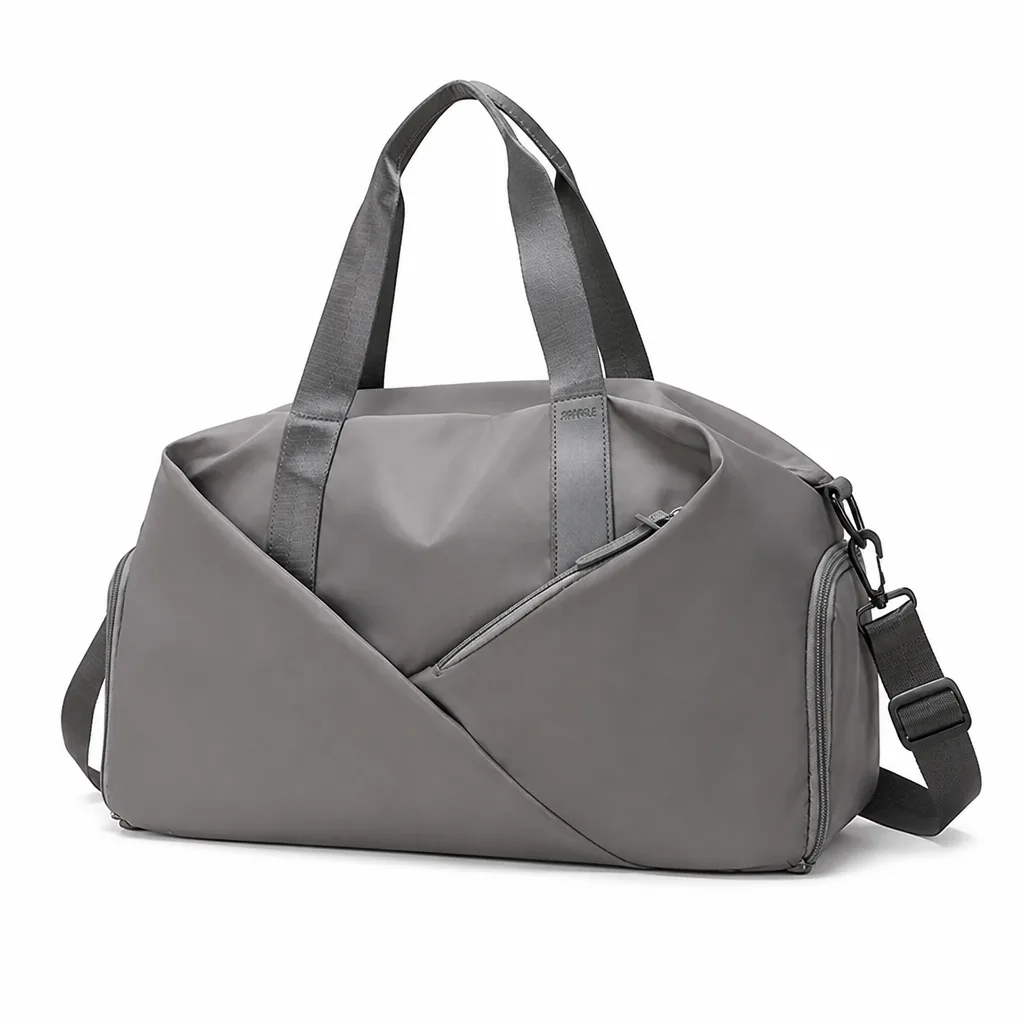
On carry style: duffles hold more and load more easily, which suits gi training where bulk is the constraint. Backpacks are better if you commute to the gym on foot or by bike, and better for your back if the bag is genuinely heavy. Convertible bags with stowable straps exist for exactly this reason and are worth the small weight penalty if you do both.
Frequently asked questions
- What should I look for in a jiu jitsu gym bag?
- Ventilation, first. A wet gi sealed in an unventilated bag is how kit starts to smell permanently, which is why "mesh gym bag" is such a common search. After that: a separate wet compartment, a base that survives being put down on a car park, and enough volume for a gi plus a rash guard, shorts and a towel.
- What size bag do I need for a BJJ gi?
- 40–60 litres for gi training. A gi takes up most of a small bag on its own, and you need room for a wet one plus belt, rash guard and a towel.
- How do I stop my gear bag smelling?
- Ventilation and unpacking. Buy a bag with mesh or vented panels, and empty it the day you use it. Damp kit sealed in a bag overnight is what causes the smell, not the bag itself.
- Duffle or backpack?
- Duffle if bulk is your constraint — gi training especially. Backpack if you walk or cycle to the gym, or if the loaded bag is heavy enough that one shoulder would suffer.